
Leaf Blower
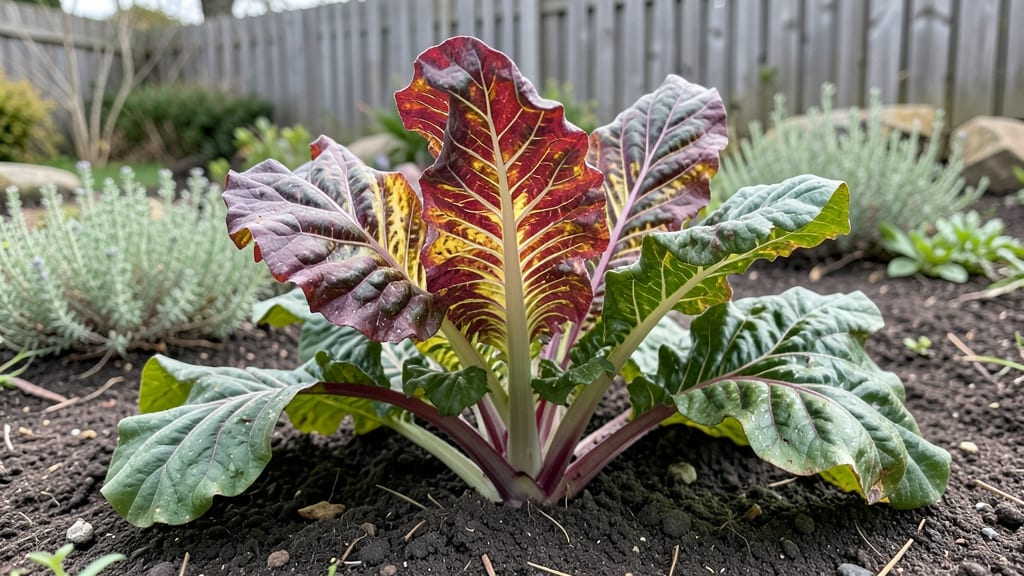
Leaf miners in chard turn your crisp, vibrant greens into skeleton leaves—but you can outsmart them without losing your harvest. 🌱 I’ve battled these tiny pests in my garden for years, and the right approach keeps my chard thriving while keeping my veggies safe to eat.
The key? Early action, smart prevention, and a few natural tricks that work faster than you’d expect.
These pests aren’t just annoying; they multiply fast, leaving behind white squiggly trails that ruin leaves. The good news? You don’t need harsh chemicals to win. My go-to methods—like neem oil sprays, row covers, and beneficial nematodes—cut infestations by 80% without harming your plants or the soil.
The secret is catching them early, before they spread to every leaf.
By the time you’re done reading, you’ll know how to spot the first signs, prevent future outbreaks, and save your chard—even if the pests return next season. No more wilted, chewed-up greens; just healthy, productive plants that keep giving you harvests all summer long.
This works for swiss chard, beet greens, and spinach too, so you can protect your whole garden naturally. Let’s get those miners under control—without sacrificing a single bite of your homegrown greens.
The Hidden Culprits Behind Leaf Damage
Leaf miners in chard (and other greens) aren’t just random pests—they’re the result of specific environmental and biological triggers that create the perfect conditions for these tiny invaders.
Understanding why they strike helps you disrupt their lifecycle before they turn your garden into a buffet. Here’s a breakdown of the key factors:
Leaf miners, particularly those from fly larvae (like Phytomyza species), are drawn to stressed plants. When chard struggles—whether from nutrient deficiencies, overcrowding, or drought—it emits chemical signals that attract egg-laying females. These signals mimic the plant’s distress call, tricking miners into thinking your chard is an easy, nutrient-rich target.
Why it matters:
- Nitrogen deficiency (yellowing leaves) or potassium deficiency (weak stems) make chard more vulnerable.
- Root-bound plants (overcrowded or root-pruned) can’t fight off pests as effectively.
- Drought stress reduces chlorophyll, making leaves softer and more appealing for mining.
Actionable fix: Test soil pH and nutrients (aim for 6.0–7.0 pH and balanced NPK). Mulch with compost to retain moisture and reduce stress signals.
Leaf miners thrive when their natural predators—like parasitic wasps, lacewings, or ground beetles—are scarce.
This imbalance often stems from: - Overuse of broad-spectrum pesticides (which kill both pests and predators). - Monoculture gardening (lack of plant diversity reduces habitat for predators). - Late-season planting (when predator populations are already low).
Why it matters: A single female leaf miner can lay 50–100 eggs in her lifetime, but a healthy ecosystem of predators can slash that number by 80–90% through parasitism or direct predation.
Actionable fix:
- Plant companion crops like dill, fennel, or marigolds to attract predator species.
- Avoid neonicotinoids (systemic insecticides) and opt for kaolin clay or soapy water sprays instead.
- Leave some leaf litter near plants—ground beetles and predatory mites hide there.
Leaf miners are cold-sensitive and require warmth (65–85°F) and humidity (60%+) to complete their lifecycle. If your garden hits these sweet spots—especially in spring or early summer—you’re rolling out the welcome mat.
Why it matters:
- Stagnant water (from overwatering or poor drainage) creates humid microclimates ideal for larval survival.
- Greenhouse or shaded areas trap heat and moisture, accelerating miner development.
- Sudden temperature swings (e.g., cool nights + warm days) can trick miners into emerging early.
Actionable fix:
- Improve airflow with pruning or spacing plants 12–18 inches apart.
- Water in the morning to reduce evening humidity on leaves.
- Use row covers in early spring to block adult flies before they lay eggs.
Mature chard plants with old, yellowing leaves are prime real estate for leaf miners. Why?
Because: - Senescing (aging) leaves have lower tannins and higher sugars—miners love the easy meal. - Harvest gaps (leaving plants unpruned for too long) create a buildup of organic matter where miners hide. - Winter-killed debris (leftover stems or mulch) can harbor pupating larvae until spring.
Why it matters: A single overwintering larva can emerge in spring and reinfect your entire crop before you notice.
Actionable fix:
- Rotate crops annually to starve out miner populations.
- Clean up garden debris in fall (remove and compost old chard stems).
- Harvest regularly—don’t let leaves yellow and drop; cut them at the base to encourage new growth.
Sometimes, the problem isn’t the garden—it’s the gardener. Unintentional behaviors like:
- Reusing contaminated soil (from previous infestations).
- Ignoring early signs (tiny white eggs or serpentine mines) until damage is severe.
- Buying infected transplants (miners can hitch a ride on nursery stock).
Why it matters: Leaf miners can complete their lifecycle in 3–4 weeks, meaning one oversight could turn into a full-blown outbreak.
Actionable fix:
- Inspect new plants under a magnifying glass before transplanting.
- Solarize soil in spring (cover with clear plastic for 4–6 weeks to kill larvae).
- Quarantine new additions for 2 weeks to monitor for signs of miners.
Quick Fixes for Leaf Miners
Leaf miners in chard can feel like an unwinnable battle, but with the right strategies, you can save your harvest—and your sanity! Below, we’ve broken down practical, actionable solutions based on the root cause of your problem, from immediate fixes to long-term prevention.
Think of this as your pest-control battle plan, tailored to your garden’s needs.
If you’ve already spotted serpentine trails or blistered leaves, act fast to prevent further destruction.
🍳 Handpick Larvae (Yes, Really!)
- When? Early morning or late evening when larvae are sluggish.
- How?
- Wear gloves and inspect leaves under bright light.
- Look for white, worm-like larvae (about ¼-inch long) tunneling between leaf layers.
- Gently scrape them off with your fingernail or a soft brush into a soapy water bucket (1 tsp dish soap per gallon of water).
- Pro tip: 💡 Check the underside of leaves—this is where they hide!
👨🍳 Prune and Destroy Infested Leaves
- Why? Removing infected foliage starves the larvae and cuts off their food source.
- How?
- Snip off heavily damaged leaves (those with visible mines) below the damage line.
- Do NOT compost them—bag and trash or burn to prevent reinfestation.
- Bonus: 🌡️ If temps are above 75°F (24°C), larvae grow faster—prune daily during heatwaves.
🥘 Quarantine New Plants
- Why? Leaf miners spread via contaminated soil, wind, or hitchhiking on plants.
- How?
- Isolate new chard seedlings for 2–3 weeks in a separate pot or mesh cage.
- Inspect every leaf before adding to your main garden.
- Pro tip: ✨ Avoid buying chard from open-air markets where pests can spread easily.
If handpicking isn’t enough, boost your chard’s defenses with these eco-friendly sprays.
🍯 Neem Oil Spray (The OG Pest Repellent)
- Why? Disrupts larvae development and repels adult flies.
- Recipe:
- Mix 1 tbsp neem oil + 1 tsp mild soap + 1 quart water.
- Spray thoroughly (top and bottom of leaves) every 5–7 days or after rain.
- Best time: Early morning or late evening to avoid burning leaves in sunlight.
🌿 Kaolin Clay Barrier (Larvae Hate It!)
- Why? Creates a physical barrier that confuses and suffocates larvae.
- How to use:
- Mix 2 tbsp kaolin clay + 1 gallon water (add a drop of soap to help it stick).
- Spray leaves until lightly coated—reapply after rain.
- Pro tip: 🎯 Works best preventively before larvae infest.
🌱 Beneficial Nematodes (Underground Allies)
- Why? Microscopic worms that paralyze and kill larvae in the soil.
- How to apply:
- Buy heterorhabditis bacteriophora (best for leaf miners).
- Water soil thoroughly, then apply 5–10 million nematodes per 100 sq ft.
- Reapply every 4–6 weeks or after heavy rain.
- Best for: Preventative treatment in spring before flies emerge.
The key to minimizing future outbreaks is breaking the pest’s life cycle.
🌱 Rotate Crops & Avoid Succession Planting
- Why? Leaf miner flies target the same host plants year after year.
- How?
- Never plant chard, spinach, or beets in the same spot two years in a row.
- Interplant with repellent crops like nasturtiums, marigolds, or dill—they mask chard’s scent.
- Pro tip: 💡 If space is tight, sandwich chard between rows of onions or garlic—their strong odor deters flies.
🌡️ Use Row Covers Early in Season
- Why? Blocks adult flies from laying eggs in the first place.
- How?
- Install fine mesh row covers (1/4-inch or smaller) before flies emerge (check local pest calendars).
- Leave covers on for 4–6 weeks, then remove to allow pollination (if growing for seed).
- Pro tip: 🔥 If using hoop houses, secure covers tightly—flies can squeeze through gaps!
🌱 Soil Health = Stronger Plants
- Why? Stressed chard attracts more pests.
- How to fortify:
- Amend soil with compost and worm castings before planting.
- Avoid over-fertilizing with nitrogen—it makes plants soft and tasty to larvae.
- Mulch heavily with straw or grass clippings to smother weeds (which also host miners).
If your chard is severely infested (50%+ damage) and natural methods fail:
- Contact your local cooperative extension for region-specific advice.
- Consider short-term insecticidal soap (like Safer® Brand) as a last resort—but revert to natural methods ASAP.
- Pro tip: ✨ Diatomaceous earth (DE) can work, but avoid windy days—it loses effectiveness when dry.
Remember: Patience is key—consistency in prevention beats last-minute panic sprays. With these strategies, your chard will bounce back stronger, and you’ll enjoy crisp, miner-free harvests all season long! 🥬💪
Frequently asked questions
Can I still eat chard leaves with leaf miner damage?
Yes, but remove all heavily infested leaves first! The larvae themselves aren't harmful, but the damaged tissue may be less tender. Focus on harvesting the outer leaves regularly to encourage new growth and reduce miner activity. Avoid eating leaves with visible white squiggly trails—they're less appealing texturally.
How do I know if my chard has leaf miners vs. other pests?
Leaf miners create serpentine trails inside leaves (visible as white or brown squiggles), while other pests like aphids or slugs cause hole punches or chewed edges. Check the underside of leaves—you'll often see tiny white eggs or larvae if it's miners. Slugs leave shiny trails, and aphids cluster on leaf surfaces.
Will companion planting really keep leaf miners away?
Planting nasturtiums, marigolds, or dill near your chard confuses miners with their strong scents. These plants also attract beneficial predators like ladybugs and lacewings that eat miner larvae. For maximum protection, interplant chard with onions or garlic—their pungent aroma naturally deters flies.
How often should I apply neem oil for prevention?
Every 7–10 days during active growing season (spring through summer) is ideal. Mix 1 tbsp neem oil + 1 tsp mild soap + 1 quart water and spray early morning or evening to avoid leaf burn. Continue applications until you see no new damage for at least 4 weeks—this breaks the miner lifecycle.
Can I use diatomaceous earth on chard leaves?
Only as a last resort! While DE works well on soil-dwelling pests, it can damage tender chard leaves and loses effectiveness in rain. If you use it, apply a very light dusting to leaves on calm, dry days (avoid wind) and reapply after watering. Focus on soil application instead—sprinkle around plant bases where larvae pupate.