
Pests and Diseases
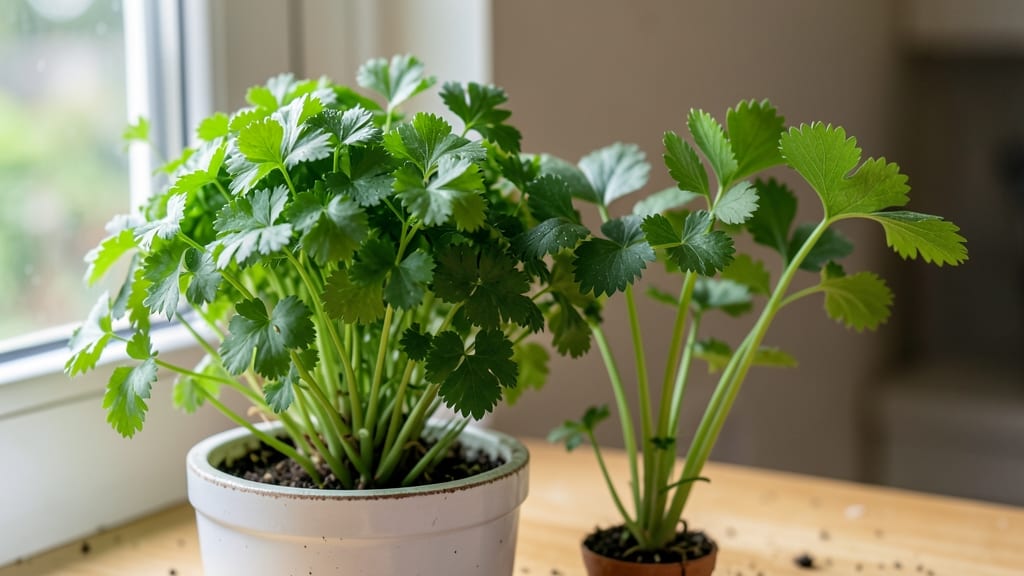
Growing coriander leaf and parsley together is my secret weapon against aphids and slugs—plus, they taste incredible fresh from the garden. 🌱 These two herbs thrive side by side, repelling pests while adding bright flavor to your kitchen.
The trick is starting them close together in well-draining soil, where their roots can intertwine without competing for space.
Both plants love full sun but tolerate partial shade, making them perfect for containers or garden beds. Coriander (cilantro) bolts faster in heat, so I sow it in early spring and fall, while parsley stays steady all season.
A consistent watering schedule keeps them lush—never soggy soil, or you’ll lose both to rot.
By mid-summer, you’ll harvest fragrant cilantro leaves for tacos and parsley for garnishes, while the plants continue working as natural pest deterrents. The combo also attracts beneficial insects like ladybugs, creating a mini ecosystem in your garden.
Pro tip: Snip outer leaves to encourage bushier growth, and save seeds from coriander for next year. These herbs are the ultimate dual-purpose plants—flavor and function, with almost no effort after the initial setup.
📚 In This Guide
- What you need
- Instructions
- Tips and common mistakes
- Wrapping up and next steps
What you need
- ● Fresh coriander leaves: 1–2 cups (packed loosely), organic preferred for pest control
- ● Fresh parsley: 1–2 cups (flat-leaf or curly), organic recommended
- ● Water: 2 cups (filtered or distilled for purity)
- ● Spray bottle: 8–16 oz (glass or BPA-free plastic preferred)
- ○ Blender or food processor: For crushing herbs (optional but helpful)
- ● Chef’s knife or scissors: For chopping herbs finely
- ○ Fine-mesh strainer or cheesecloth: To strain liquid (optional)
- ○ Mortar & pestle: For crushing herbs into a paste (optional, for targeted applications)
- ● Labeling markers: To tag spray bottles (if storing for later use)
- ● Citrus peels (lemon/lime): 1 tbsp (enhances pest-repelling properties)
- ● Garlic cloves (minced): 2–3 cloves (boosts antimicrobial effects)
- ● Castile soap (liquid): 1 tsp (helps adhere spray to plants)
- ○ Essential oils (optional): 5 drops (e.g., neem or peppermint for extra potency)
Step-by-Step guide to growing coriander leaf and parsley together
These two herbs thrive side by side—here's how to coax maximum flavor and pest-repelling power from your garden.
🌱 Step 1: Select and Prepare Containers for Optimal Growth
Choose 6-inch deep containers with drainage holes—both coriander and parsley resent soggy roots. I use unglazed terra cotta pots because they wick away excess moisture while still retaining enough humidity for these Mediterranean herbs. Fill each container with 2-3 gallons of well-draining potting mix (never garden soil—it compacts and suffocates their delicate roots).
Before planting, mix in 1 tablespoon of compost per container to provide gentle, slow-release nutrients. Tap the filled pot firmly on your work surface to eliminate air pockets, then water thoroughly until moisture runs freely from the drainage holes. Let it drain completely—this prevents fungal issues that plague both herbs.
🌿 Step 2: Plant Seeds at Proper Depths for Germination Success
Coriander seeds need light to germinate, so don't bury them—press them just ¼ inch deep into the surface. Parsley seeds, however, prefer slightly more coverage: plant them ½ inch deep. Space coriander seeds 1 inch apart in rows 2 inches apart, and parsley seeds 1½ inches apart in similar spacing. This gives both plants room to mature without competing.
Water gently with a fine mist spray until the soil surface feels uniformly damp but not saturated. Place the containers in a warm spot (70-75°F)—a sunny windowsill or under a grow light—and cover with a clear plastic dome to retain humidity. You'll see coriander sprouts in 7-10 days, while parsley may take 2-3 weeks to emerge. Don't be tempted to water from above once sprouts appear—this washes away seeds.
☀️ Step 3: Provide Light and Care During Early Growth
Once seedlings emerge, remove the plastic dome immediately to prevent damping-off disease. Both herbs need 6-8 hours of direct sunlight daily, but coriander bolts (goes to seed) faster in heat—so position them where they get morning sun and afternoon shade if temperatures exceed 80°F. Parsley handles full sun better and stays leafy longer.
Water when the top inch of soil feels dry—about every 2-3 days in warm weather. You'll notice coriander leaves develop a lacy, fern-like appearance while parsley grows broader and more rounded. Fertilize lightly with half-strength liquid fertilizer when seedlings develop their second set of true leaves (around 3-4 weeks after planting).
✂️ Step 4: Harvest and Maintain for Continuous Production
Harvest coriander leaves when they reach 3-4 inches tall by snipping individual stems just above a leaf node. This encourages bushier growth and prevents bolting. For parsley, wait until leaves reach 4-6 inches before harvesting the outer stems. Both herbs taste most intense when harvested in the morning after dew has dried but before the heat of the day.
To keep production going, harvest no more than ⅓ of the plant at once. After each harvest, water deeply and apply a light mulch of compost to retain moisture. If coriander starts to bolt (long stems with flower buds), harvest the leaves immediately and plant a new batch of seeds—they won't regrow once flowering begins. Parsley, however, stays productive for months if kept well-watered and fertilized every 4-6 weeks.
Tips & tricks for perfect herbal pairings
These game-changing tips will help you maximize flavor and pest-repelling power from your coriander and parsley duo.
Container Selection Matters: Unglazed terra cotta pots are ideal because they regulate moisture perfectly—letting excess water evaporate while maintaining humidity for Mediterranean herbs. If you don't have terra cotta, opt for ceramic containers with drainage holes instead of plastic, which traps moisture and encourages fungal growth. The 6-inch depth specified in Step 1 is crucial for root development, especially for coriander which has a more delicate root system than parsley.
Germination Hack: The key to successful germination lies in that plastic dome you'll use in Step 2—it creates the perfect humid environment. After placing seeds, mist the soil surface daily until you see sprouts, then remove the dome immediately to prevent damping-off disease. For faster parsley germination, soak seeds in warm water for 24 hours before planting—they often have hard seed coats that slow emergence.
Light Management for Heat Sensitivity: Coriander's heat sensitivity becomes critical when temperatures exceed 80°F as mentioned in Step 3. Position your containers where they receive morning sun but afternoon shade—this prevents bolting while still providing the 6-8 hours of direct sunlight both herbs need. A simple way to monitor this is to place a thermometer near your plants during peak afternoon hours.
Harvesting Strategy: When harvesting in Step 4, always use clean, sharp scissors to avoid damaging stems. For coriander, focus on harvesting the outer leaves first—they're more mature and flavorful. With parsley, you can harvest more aggressively since it's more resilient. The morning harvest timing mentioned is ideal because dew has evaporated but the heat of the day hasn't yet reduced the herbs' volatile oils that carry their flavors.
Pro Tips for Coriander Leaf And Parsley
- These game-changing tips will help you maximize flavor and pest-repelling power from your coriander and parsley duo.
- Container Selection Matters: Unglazed terra cotta pots are ideal because they regulate moisture perfectly—letting excess water evaporate while maintaining humidity for Mediterranean herbs.
- Germination Hack: The key to successful germination lies in that plastic dome you'll use in Step 2—it creates the perfect humid environment.
Frequently asked questions
Got questions about using coriander leaf and parsley for pest control and flavor? Here are some common ones—and their answers!
Can I use dried coriander leaves and parsley for pest control?
Fresh leaves work best for pest repellent properties, but dried herbs can still help lightly. Crush them into powders and sprinkle around plants—just reapply more often (every 2–3 days) since their potency fades faster. For flavor, dried works fine in cooking!
How long does it take for coriander and parsley to repel pests?
You’ll often see results within 24–48 hours for soft-bodied pests like aphids or spider mites. For stubborn critters (e.g., slugs), consistency is key—reapply every 3–5 days or after rain. Patience pays off!
What if I don’t have coriander or parsley? What are good substitutes?
Try these pest-repelling alternatives:
- Basil or mint: Strong scents deter many insects.
- Rosemary or thyme: Great for garden borders.
- Garlic or chili pepper: Spray blends work well too!
Will coriander and parsley harm beneficial insects like bees?
Generally, no! These herbs are bee-friendly when used in moderation. Avoid heavy applications near flowering plants to prevent overwhelming scents. Bees prefer native flowers—keep a balance in your garden.
Can I use the same leaves for cooking after pest control?
Yes, but rinse thoroughly first to remove any pest-repellent residue. Fresh leaves are safe for cooking—just avoid using heavily sprayed or wilted ones. Bonus: They add a bright, citrusy kick to dishes!
Wrapping up and next steps
Coriander leaves and parsley aren’t just flavor powerhouses—they’re natural pest deterrents that can keep your garden thriving without harsh chemicals! 🌱 Whether you’re using them to repel aphids, ants, or even mosquitoes, these dual-purpose herbs offer a simple, eco-friendly solution.
Plus, their fresh aroma and taste make them a win-win for both your plants and your kitchen.
Ready to give it a try? Start small—plant a few coriander or parsley near your problem areas, and watch the difference over time. Your garden (and your meals) will thank you! 🌿✨