
How To
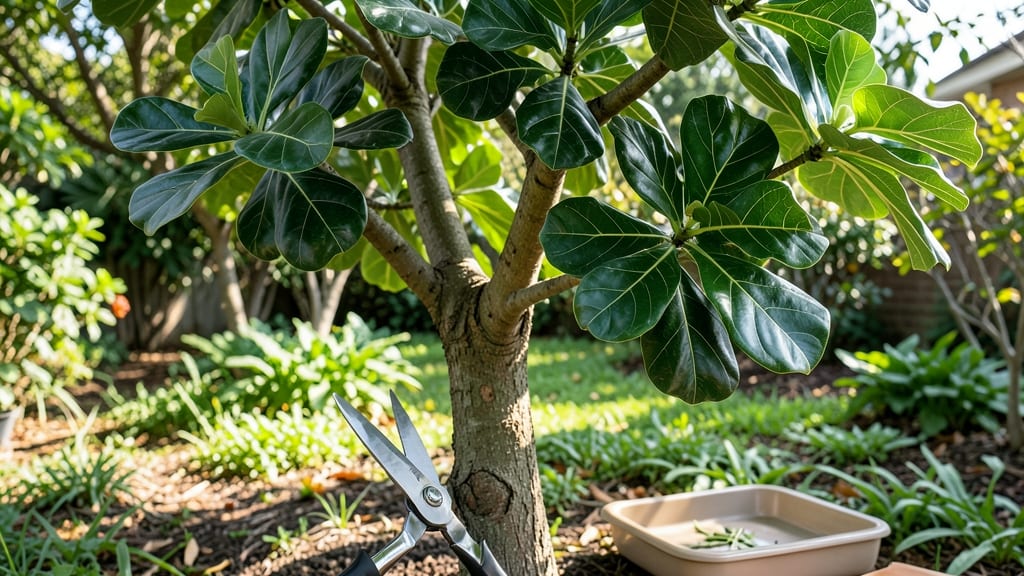
Pruning a fiddle leaf fig transforms it from a leggy stalk into a lush, bushy showstopper. ✂️ I’ve turned my once-sparse plant into a full, leafy masterpiece by mastering just three simple cuts—no green thumb required.
The key is timing (spring or early summer) and knowing exactly where to snip for maximum regrowth.
Start by sterilizing your pruners with rubbing alcohol to prevent infection. Cut just above a leaf node (that little bump where leaves grow) at a 45-degree angle—this encourages new branches to sprout.
For leggy stems, trim back to the third or fourth node from the top, and for shaping, simply snip off any awkward growth. After pruning, give your plant a drink and move it to bright, indirect light to help it recover.
📚 In This Guide
- What you need
- Instructions
- Tips and common mistakes
- Wrapping up and next steps
What you need
- ● Pruning shears – Sharp, clean bypass pruners (avoid dull blades—they crush stems!). Size: 4-6 inches for precision.
- ● Rubbing alcohol (70% or higher) – 1 small bottle (for sterilizing tools before/after pruning).
- ○ Horticultural sealant (optional but helpful) – 1 small jar (like Tree Topp® or Tanglefoot®) to prevent sap oozing and pests.
- ● Glove – 1 pair (nitrile or leather to protect from sap and sharp stems).
- ● Newspaper or drop cloth – 1-2 sheets (to catch debris and protect your workspace).
- ● Rooting hormone – 1 small packet (if propagating cuttings—great for expanding your fig family!).
- ● Small pot + well-draining soil – 1-2 pots (for propagating cuttings).
- ● Spray bottle with water – 1 (to mist cuttings and reduce stress).
- ● Plant tie or twine – 1 roll (to support leggy stems if you’re encouraging bushier growth).
Step-by-step instructions for pruning a fiddle leaf fig
Here’s how to encourage fuller growth while keeping your plant healthy and happy.
✂️ Step 1: Gather Your Tools and Assess the Plant
You’ll need sharp pruning shears (sterilized with rubbing alcohol) and a clean cloth to wipe up sap. Fiddle leaf figs are sensitive to bacteria, so cleanliness prevents infections. Before cutting, examine the plant for yellowing leaves, leggy stems, or overcrowded growth—these are your targets for trimming.
Focus on areas where the plant looks sparse or where branches grow too far apart. Healthy leaves should be deep green with visible veins, while weak growth appears pale or droopy. Avoid cutting healthy leaves unless they’re blocking light from lower branches.
🌿 Step 2: Trim Leggy or Overgrown Stems
Leggy stems (long, thin branches with sparse leaves) are the first to go. Use your shears to cut just above a leaf node—the bump where leaves or branches grow. This encourages new growth from the node below. Angle your cut slightly downward to prevent water from pooling and rotting the stem.
If a branch is completely bare or dead, remove it entirely at the base. Never leave stubs—always cut cleanly. For bushier growth, trim the topmost leaves on the tallest stems to redirect energy toward side branches. Watch for new buds forming within a week—they’ll signal successful pruning.
✂️ Step 3: Prune Crowded or Yellow Leaves
Yellow or brown leaves should be removed immediately to prevent disease. Cut them at the base where they meet the stem, using the same downward angle. If a branch has three or more yellow leaves, consider trimming the entire branch back to a healthy node.
For crowded branches, thin out leaves that overlap or block light from reaching lower foliage. Aim to create even spacing between leaves so air circulates freely. Avoid over-pruning—never remove more than one-third of the plant’s foliage at once, or it may go into shock.
💧 Step 4: Care for Your Fig After Pruning
Place your fiddle leaf fig in bright, indirect light for the first 24-48 hours to reduce stress. Avoid direct sunlight, which can scorch new growth. Water only when the top 1-2 inches of soil feel dry—overwatering after pruning stresses the plant further.
Increase humidity around the plant by misting lightly or placing a tray of water nearby. You’ll notice new leaf growth within 4-6 weeks if the pruning was successful. If leaves drop excessively, reduce watering and move the plant to a slightly warmer spot.
⏰ Step 5: Monitor and Maintain Growth
Check your plant weekly for signs of stress, like drooping leaves or brown tips. If new growth appears weak, it may need more light or fertilizer. Use a balanced liquid fertilizer (diluted to half strength) every 6-8 weeks during spring and summer to support recovery.
Prune again in early spring to shape the plant and encourage another flush of growth. With consistent care, your fiddle leaf fig will develop a fuller, bushier shape over time. Just remember: patience is key—rushed pruning leads to setbacks.
Tips & tricks for pruning a fiddle leaf fig
Here's what nobody tells you—these tricks will help you prune with confidence and get the bushiest, healthiest plant possible.
Tool Prep Matters: Sterilizing your pruning shears with rubbing alcohol isn't just about cleanliness—it's about preventing fungal infections that can kill your plant. I learned this the hard way after my fig developed brown spots weeks later. Wipe down the blades before AND after each cut, especially when working with multiple branches. A clean cut heals faster and reduces sap buildup that attracts pests.
The 1/3 Rule: Never remove more than one-third of your plant's foliage at once, but here's the secret: focus on the oldest leaves first. These leaves have already served their purpose and are less likely to sprout new growth. Start with the lower leaves that are yellowing or crowded, then work your way up. This gradual approach lets your fiddle leaf fig adjust without going into shock, and you'll see new growth appear within those critical 4-6 weeks.
Light Aftercare is Critical: That 24-48 hour bright, indirect light period isn't just about recovery—it's about signaling to your plant that it's safe to focus on new growth. Place your fig near an east-facing window where it gets gentle morning sun. Avoid west-facing windows that can bake your plant after pruning. You'll notice the leaves perk up noticeably after just 12 hours in the right light conditions.
Bud Watching: Those new buds that appear within a week aren't just random—they're your plant's way of telling you it's happy with the pruning. Keep a small notebook by your plant and mark when you see the first buds appear. This helps you track progress and adjust care accordingly. If buds appear within 3-5 days, your plant is thriving; if they take longer than 10 days, consider increasing humidity or moving to a slightly warmer spot.
Pro Tips for Prune A Fiddle Leaf Fig
- Here's what nobody tells you—these tricks will help you prune with confidence and get the bushiest, healthiest plant possible.
- Tool Prep Matters: Sterilizing your pruning shears with rubbing alcohol isn't just about cleanliness—it's about preventing fungal infections that can kill your plant.
- The 1/3 Rule: Never remove more than one-third of your plant's foliage at once, but here's the secret: focus on the oldest leaves first.
Frequently asked questions
When is the best time to prune my fiddle leaf fig?
The ideal time to prune is during the spring or early summer, when the plant is actively growing. Avoid pruning in fall or winter, as the plant needs energy to recover. Light pruning (removing yellow or damaged leaves) can happen year-round, but major trims should wait for the growing season. Pro tip: If you miss the window, a small, strategic trim in late spring is better than waiting too long!
Can I propagate my fiddle leaf fig cuttings after pruning?
Pruning gives you the perfect opportunity to propagate. Simply place cuttings in water (2-3 inches submerged) or moist soil, and keep them in bright, indirect light. Roots typically form in 4-6 weeks. Use a rooting hormone to speed up the process. Pro tip: Avoid direct sunlight on cuttings—they’re sensitive to heat stress while rooting!
What should I do if my fiddle leaf fig drops leaves after pruning?
Leaf drop after pruning is normal if you’ve removed more than 20-30% of the foliage at once. Focus on recovery by keeping the plant in stable conditions: indirect light, consistent watering (let soil dry slightly between waterings), and humidity (mist leaves or use a pebble tray). Avoid fertilizing for 4-6 weeks to reduce stress. Pro tip: If new growth appears, your plant is adjusting well!
How often should I prune my fiddle leaf fig for bushier growth?
For bushier growth, prune lightly every 3-6 months during the growing season. Focus on trimming leggy stems or overcrowded branches to encourage branching. Avoid heavy pruning—small, regular trims yield better results. Pro tip: Pinch back the tips of new growth (just above a leaf node) to promote lateral shoots!
What if my pruning cuts look messy or uneven?
Don’t worry—fiddle leaf figs are forgiving! Use clean, sharp pruners to make angled cuts (about ¼ inch above a leaf node) for the best regrowth. If cuts are jagged, they won’t harm the plant, but smoothing them with a sterilized knife can help. Pro tip: Wipe cuts with a damp cloth to remove sap, which can attract pests.
Wrapping up and next steps
Pruning your fiddle leaf fig doesn’t have to be intimidating—it’s all about confidence, patience, and a little green thumb love! 🌿 With the right tools, timing, and technique, you’ll encourage lush, bushier growth while keeping your plant healthy.
Remember, even a small trim can make a big difference over time.
Ready to give it a try? Start with one branch and observe how your plant responds. Soon, you’ll be a pruning pro, and your fiddle leaf fig will thank you with vibrant, thriving foliage! 🌟