
Pests and Diseases
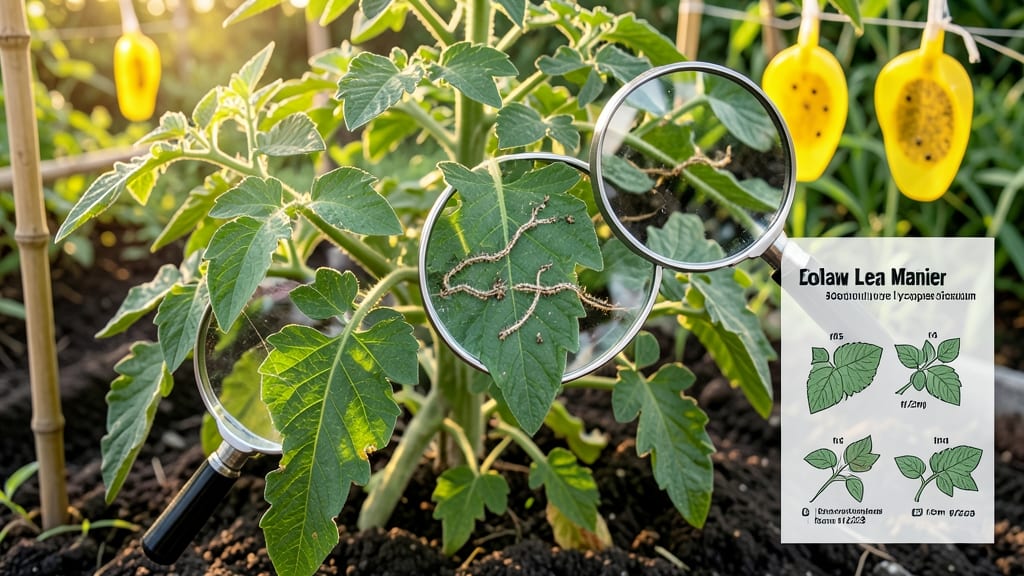
Those serpentine trails on your leaves aren’t just cosmetic—they’re leaf miners wreaking havoc on your plants. 🌿 I’ve watched these pests turn lush foliage into skeleton leaves in just weeks, but early action can save your garden.
The key is spotting the damage before it spreads, then using targeted organic solutions that actually work.
Leaf miners start as tiny maggots that burrow between leaf layers, creating the telltale squiggly lines. By the time you see the damage, they’ve already been feeding for weeks.
The good news? Healthy plants resist infestations better, and a few simple organic sprays can disrupt their life cycle before they multiply.
You’ll learn to identify the damage, deploy neem oil or parasitic wasps, and even prune affected leaves to stop the spread. With these methods, you can protect your plants without harsh chemicals—just a few minutes of intervention now prevents a full-blown outbreak later.
This works for tomatoes, peppers, basil, and other tender plants where leaf miners love to hide. Let’s get your garden back to thriving in no time—without losing another leaf to these sneaky pests.
The Hidden Culprits Behind Leaf Damage
When you spot winding, serpentine trails on your plant leaves, you’re likely witnessing the work of leaf miners—tiny, voracious larvae that tunnel through foliage like nature’s tiny woodworkers. These pests don’t just leave behind unsightly marks; they weaken plants, stunt growth, and can even kill them if left unchecked.
But why do these critters target your garden in the first place? Let’s break down the science behind their behavior and the conditions that invite them in.
Leaf miners are the larval stage of fly or moth species, including the notorious serpentine leaf miner (Liriomyza spp.) and hawk moth larvae. Their life cycle begins when adult females lay eggs on the underside of leaves.
Once hatched, the larvae burrow into the leaf tissue, feeding on the mesophyll (the soft, inner layer between the leaf’s upper and lower epidermis).
Why do they do this? Because fresh, tender leaf tissue is their primary food source. The larvae create protected tunnels to avoid predators and desiccation while maximizing their access to nutrients. The trails you see are essentially their feeding highways, and the damage accelerates as they grow.
Younger leaves are especially vulnerable because they’re softer and more nutrient-rich, making them a leaf miner’s dream buffet.
Pro Tip: 💡 Look for eggs or tiny white specks on leaf undersides—this is your first warning sign before trails appear!
Leaf miners aren’t random attackers—they’re drawn to specific conditions that make your plants irresistible. Here’s what’s on their radar:
- Warm, Humid Climates: Most leaf miner species thrive in temperatures between 60–85°F (15–30°C). If your garden stays consistently warm and moist, you’re rolling out the welcome mat. Southern states and greenhouses are hotspots for outbreaks.
- Overcrowded or Stressed Plants: Leaf miners target plants that are already struggling—whether from poor air circulation, overwatering, or nutrient deficiencies. Weakened plants can’t fight off infestations as effectively.
- New Growth: Young, tender leaves are a magnet for miners because they’re easier to penetrate and packed with sugars. Prune regularly to remove potential hotspots.
- Organic Matter Buildup: Decaying leaves, mulch, or compost piles near plants can harbor pupae (the dormant stage between larvae and adult flies). This means miners can re-emerge season after season.
Pro Tip: 🌡️ Monitor humidity levels—leaf miners love it when leaves stay damp for long periods. Improve airflow with strategic pruning!
Not all plants are equally appealing to leaf miners. Some are high-risk targets because of their soft leaves, rapid growth, or chemical composition. Common culprits include:
| High-Risk Plants | Why They’re Vulnerable |
|---|---|
| Tomatoes | Thick, fleshy leaves provide ample food, and vines offer easy access. |
| Peppers | Glossy, tender leaves are a favorite for serpentine miners. |
| Beans | Fast-growing foliage is irresistible to hungry larvae. |
| Basil & Herbs | Soft stems and aromatic oils attract adult flies for egg-laying. |
| Houseplants (e.g., Ficus, Schefflera) | Indoor environments with stable warmth and humidity create perfect breeding conditions. |
Pro Tip: ✨ Rotate crops annually and avoid planting susceptible species too close together—this disrupts miners’ life cycles!
Here’s the silver lining: leaf miners aren’t the only ones feasting in your garden. Natural predators like parasitic wasps, ladybugs, and ground beetles prey on their eggs and larvae. However, these beneficial insects often lose the battle if:
- The infestation is severe (too many miners overwhelm predators).
- You’ve used broad-spectrum pesticides that kill both pests and their natural enemies.
- The garden lacks diverse ecosystems (e.g., no flowering plants to attract predator species).
Pro Tip: 🎯 Plant companion flowers like dill, fennel, or marigolds to lure in predator wasps and keep miner populations in check!
Simple Fixes for Wormy Leaves
Seeing those telltale leaf miner trails can be frustrating, but the good news is that most cases can be managed—especially if you act early. Below are targeted solutions based on the most common causes, from quick fixes to long-term prevention.
Whether your plants are in pots or the garden, these methods will help restore their health without harsh chemicals.
Leaf miners thrive where plants are weak or packed too closely. If your greenery is struggling due to poor airflow or overcrowding, start by giving them room to breathe.
- 🔪 Trim affected leaves – Snip off heavily infested foliage (especially on young plants) and dispose of it in a sealed trash bag. This removes eggs and larvae before they spread.
- 🌱 Thin out plants – Space out seedlings or shrubs to improve airflow. Aim for at least 6–12 inches between plants, depending on their mature size.
- 💡 Pro Tip: If pruning, do it in the early morning when pests are least active. Wear gloves—some miners (like serpentine leaf miners) can cause skin irritation.
Plants under stress from poor soil or lack of nutrients are prime targets. Boost their resilience with organic amendments and balanced feeding.
| Issue | Fix | How to Apply |
|---|---|---|
| Compacted or poor soil | Compost or worm castings | Mix 2–3 inches into the topsoil around roots. Water lightly to help microbes activate. |
| Nitrogen deficiency (yellowing leaves) | Fish emulsion or alfalfa meal | Apply 1 tbsp per gallon of water as a foliar spray or soil drench every 4–6 weeks. |
| Micronutrient lack (slow growth) | Seaweed kelp or liquid kelp fertilizer | Use 1 tsp per gallon monthly during growing season. |
✨ Prevention Tip: Mulch with straw or shredded leaves to retain moisture and slowly release nutrients. Avoid synthetic mulches—they can suffocate roots and attract pests.
If miners are already active, you’ll need a two-pronged attack: physical removal and natural deterrents to break their life cycle.
- 🍳 Handpick larvae – Use a damp paper towel to gently scrape off white or yellow larvae from leaf surfaces. Drop them into soapy water to kill them instantly.
- 🔥 Blast with water – Direct a strong stream of water into the undersides of leaves to dislodge eggs and larvae. Do this in the morning so leaves dry quickly.
- 🌿 Use kaolin clay – Mix 1 tbsp kaolin clay (like Surround WP) with 1 gallon of water and spray on leaves. The clay creates a barrier that suffocates miners and deters egg-laying.
- 💡 Pro Tip: For severe cases, neem oil (1 tsp per quart of water + a drop of dish soap) can smother larvae. Spray every 5–7 days until new growth appears.
Break the miner’s cycle before it starts with these low-maintenance strategies.
- 🌡️ Row covers – Use fine mesh fabric (like Agribon) over young plants to block adult flies. Secure edges tightly and remove when flowers appear to allow pollinators.
- 🐝 Encourage predators –
- Ladybugs and lacewings devour leaf miner eggs and larvae. Buy them online or attract them with dill or fennel plants nearby.
- Parasitic wasps (like Diglyphus isaea) lay eggs inside miner larvae. Release them in early spring for biological control.
- 🎯 Trap crops – Plant marigolds or nasturtiums near susceptible plants (like basil or beans). Miners prefer these, giving your main crops a fighting chance.
- ✨ Prevention Tip: Rotate crops annually to starve miners of their favorite hosts. Avoid planting the same family (e.g., brassicas or solanaceae) in the same spot year after year.
With these steps, you can dramatically reduce leaf miner damage in just a few weeks. The key? Act fast—the sooner you address the cause, the less damage they’ll do. Happy gardening! 🌿
Frequently asked questions
What do leaf miner trails actually look like on plants?
Leaf miner trails appear as winding, serpentine patterns between the leaf's upper and lower surfaces. They can be white, yellow, or brown depending on the species, and often look like tiny squiggles or blotches. In severe cases, entire sections of the leaf may turn brown and die.
Can I still harvest fruits or vegetables from plants with leaf miner damage?
Yes, but focus on the undamaged parts of the plant. Leaf miners primarily target foliage, not fruits or vegetables. Harvest produce from healthy branches first, and discard heavily infested leaves immediately to prevent further spread.
How do I tell if my plant has leaf miners vs. other pests like spider mites?
Leaf miners create distinctive squiggly trails inside leaves, while spider mites cause tiny yellow stippling and webbing on leaf undersides. Check for moving larvae (white or yellow) inside the leaf tissue—this confirms leaf miners. Spider mites leave no tunnels.
Will neem oil really work against leaf miners, or is it just a myth?
Neem oil is highly effective when applied correctly! Mix 1 teaspoon per quart of water with a drop of dish soap, then spray thoroughly on both leaf surfaces. Reapply every 5-7 days until new growth appears—it disrupts larvae and deters adult flies from laying eggs.
Can leaf miners survive winter and come back next year?
Many leaf miners overwinter as pupae in soil or plant debris. To prevent next season's infestation, clean up fallen leaves, remove plant debris, and rotate crops annually. Some species may also survive indoors on houseplants.