
Leaf Blower
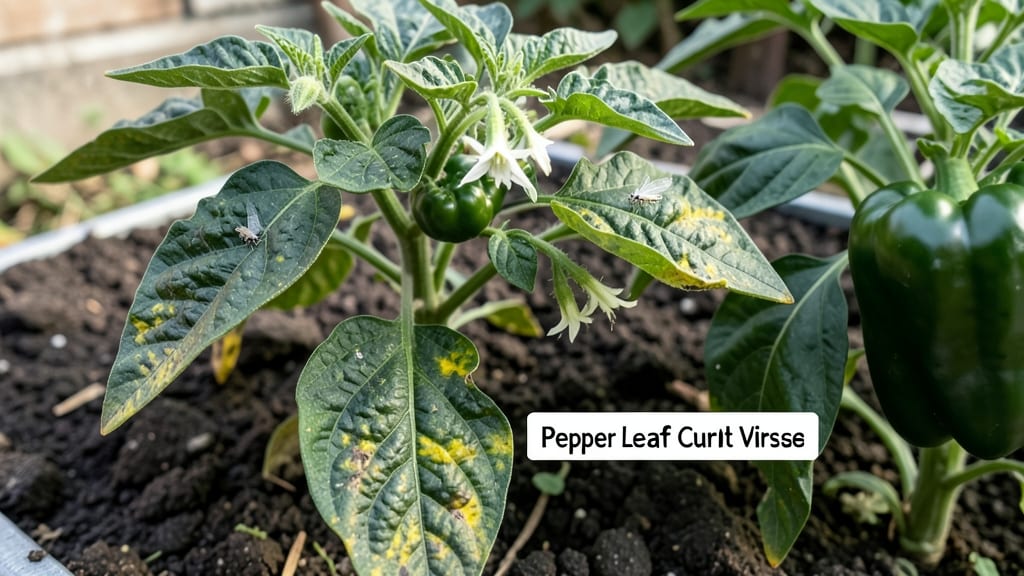
Pepper leaf curl virus turns your thriving plants into twisted, stunted messes—🌱 and once it strikes, there’s no cure. I’ve lost entire harvests to this stubborn disease, but I’ve also learned how to spot it early and stop it from spreading before it ruins your garden.
The first sign is curled, yellowed leaves that look like someone crumpled them with their fingers. Later, you’ll notice stunted growth and deformed fruit. Whiteflies often spread this virus, so check the undersides of leaves for those tiny, winged pests—they’re the silent culprits.
Removing infected plants immediately is your best defense, but don’t toss them in the compost. Seal them in a trash bag to prevent spreading. For prevention, use reflective mulch to deter whiteflies and choose resistant pepper varieties like ‘Aristotle’ or ‘Carmen.’
If you catch it early, you might still save some plants by pruning infected leaves and treating with neem oil. But if the whole plant is curled and distorted, it’s time to dig it up and start fresh.
Root Causes Of Plant Decline
Understanding why plants succumb to leaf curl viruses—like the one affecting peppers—starts with identifying the key culprits. These pathogens don’t act alone; they rely on a mix of environmental triggers, human activity, and natural interactions. Here’s a breakdown of the primary reasons your pepper plants may be under siege:
Pepper plants, like all crops, rely on a robust immune system to fend off viruses. When their defenses are compromised, they become easy targets. Here’s how it happens:
- Nutrient Deficiencies 📊 Plants starved of essential nutrients (like nitrogen, phosphorus, or potassium) weaken faster. A lack of magnesium or calcium can stunt growth, making leaves less resilient. Test soil pH (ideal: 6.0–6.8) and amend with compost or organic fertilizers to restore balance.
- Stress From Extreme Conditions ❄️☀️ Sudden temperature swings, drought, or flooding shock plants, creating "open doors" for viruses.
For example: - Heat stress (above 90°F) disrupts cell function. - Overwatering leads to root rot, impairing nutrient uptake. - Solution: Mulch to regulate soil temperature and water deeply but infrequently (1–1.5 inches per week).
- Physical Damage ⚔️ Pruning wounds, insect bites (e.g., aphids), or even hail can introduce viral particles into the plant’s system. Always sterilize tools with rubbing alcohol between cuts and avoid over-pruning.
Viruses don’t move on their own—they hitch rides on living carriers. The most notorious spreaders include:
- Aphids And Whiteflies 🐜 These sap-sucking insects feed on infected plants, then transmit the virus to healthy ones via their stylets (mouthparts). A single aphid can infect dozens of plants in a season. - Action: Spray plants with neem oil or introduce ladybugs (natural predators).
Use yellow sticky traps to monitor populations.
- Contaminated Tools And Hands 🧤 Pruners, gloves, or even your fingers can transfer viral particles from infected to healthy plants. Always disinfect tools with 70% isopropyl alcohol after each use.
- Seedborne And Graft Transmission 🌱➡️🌱 Some viruses lurk in seeds or grafted scions, emerging when conditions are right. Buy certified disease-free seeds and inspect nursery stock for early symptoms (yellowing, curling, stunted growth).
Viruses thrive in specific conditions that favor their spread. Key triggers include:
- High Humidity And Warmth 💦☀️ Ideal for both viruses and their insect vectors. Temperatures between 77–86°F and humidity above 70% accelerate infection rates.
- Fix: Improve airflow with trellises or spaced plantings. Avoid overhead watering to reduce leaf wetness.
- Poor Sanitation In Gardens 🧹❌ Old plant debris, compost, or even weeds can harbor viral particles for years. Remove all infected plants immediately (bag and discard) and rotate crops annually to break the cycle.
- Wind And Rain Splash 🌪️🌧️ Windborne aphids or rain droplets can carry viruses over long distances. Use windbreaks (e.g., tall grasses) and plant virus-resistant varieties (like ‘Aristotle’ or ‘Carmen’ peppers) as barriers.
Pro Tip: 💡 Early detection is your best defense! Inspect new plants for yellowing veins, leaf curling, or stunted growth—classic red flags. Isolate suspicious plants immediately to prevent outbreak.
Combat and Control Leaf Distress
When your pepper plants start showing signs of leaf curl or stunted growth, acting fast is key. The pepper leaf curl virus spreads quickly, but with the right strategies, you can minimize damage, save healthy plants, and prevent future outbreaks.
Below are practical, organic solutions tailored to the root causes—whether it’s infected plants, pests, or poor garden hygiene.
Cause: The virus spreads via infected plant sap, whiteflies, or contaminated tools. Fix:
- 🔥 Pull and destroy curled or yellowing leaves before the virus spreads to healthy plants.
- 🗑️ Do NOT compost infected plant material—burn or trash it in sealed bags.
- 👨🍳 Sterilize tools between plants with 70% rubbing alcohol or a 10% bleach solution (1 part bleach to 9 parts water).
💡 Pro Tip: If the entire plant is severely infected, remove it from the garden to stop the cycle.
Cause: These insects transmit the virus while feeding on sap. Fix:
- 🌿 Introduce natural predators like ladybugs, lacewings, or parasitic wasps (order online or attract them with dill, fennel, or marigolds).
- 🍳 Spray neem oil (1 tbsp neem oil + 1 tsp mild soap per quart of water) every 5–7 days to suffocate eggs and adults.
- 🕷️ Use sticky traps (yellow or blue) to catch flying pests before they spread the virus.
✨ Organic Boost: Kaolin clay (surround WP) creates a barrier that repels whiteflies—apply it weekly.
Cause: Weak, nutrient-deficient plants are more susceptible to viral infections. Fix:
- 💪 Fertilize with compost tea (rich in beneficial microbes) or fish emulsion to boost plant health.
- 🍎 Avoid over-fertilizing with nitrogen—this makes plants soft and attractive to pests.
- 🌿 Mulch with straw or grass clippings to suppress weeds (which can harbor pests) and retain moisture.
🎯 Prevention Tip: Rotate crops—don’t plant peppers, tomatoes, or eggplants in the same spot yearly.
Cause: Contaminated soil, tools, or even windborne virus particles can reinfect plants. Fix:
- 🔪 Rotate planting areas—avoid growing Solanaceae family plants (peppers, tomatoes, potatoes) in the same bed for 3–4 years.
- 🌡️ Solarize soil in late summer: Cover infected beds with clear plastic for 4–6 weeks to kill virus particles and pests.
- 🚰 Use drip irrigation instead of overhead watering to reduce virus spread via splashing water.
💡 Pro Tip: Disinfect greenhouse floors with hydrogen peroxide (3%) if you grow peppers indoors.
To keep your pepper plants healthy year-round, follow this quick maintenance plan:
| Task | How Often | Why It Works |
|---|---|---|
| Inspect plants weekly | Every 7–10 days | Catches early signs before spread |
| Remove weeds | As they appear | Reduces pest habitats |
| Prune lower leaves | Every 2–3 weeks | Improves airflow, deters pests |
| Test new plants | Before transplanting | Ensures virus-free stock |
Final Reminder: While there’s no cure for the pepper leaf curl virus once a plant is infected, early action + prevention can save your harvest and keep your garden thriving. Stay vigilant, and your peppers will reward you with bold flavors and fewer headaches! 🌶️💚
Frequently asked questions
Can pepper leaf curl virus spread to other plants in my garden?
Yes, this virus spreads rapidly through your garden via whiteflies, contaminated tools, or even windborne particles. Solanaceae plants like tomatoes and eggplants are especially vulnerable. Isolate infected peppers immediately and sterilize tools between uses to prevent cross-contamination.
Will removing infected leaves stop the virus from spreading?
No, removing only leaves won't stop the virus completely—it's already systemic in infected plants. For best results, remove the entire plant if possible, especially if it shows severe curling or stunting. Burn or trash infected material (never compost) to prevent reinfection.
Are there pepper varieties resistant to leaf curl virus?
Yes! Varieties like 'Aristotle', 'Carmen', and 'Jupiter' show better resistance. These hybrids were bred to tolerate viral pressures. For maximum protection, combine resistant varieties with cultural controls like reflective mulch and whitefly management.
How can I tell if my pepper plants have leaf curl virus vs. nutrient deficiency?
Leaf curl virus causes distinctive upward leaf curling with yellowing veins, while deficiencies (like nitrogen) cause general yellowing without curling. Check for whiteflies on undersides of leaves—this confirms viral infection. Test soil pH to rule out nutrient issues.
Can I save a pepper plant already showing symptoms?
Unfortunately, no—once infected, there's no cure. Prune only severely affected leaves early on, but expect the plant to decline. Focus on removing it completely and protecting nearby healthy plants with neem oil sprays and sticky traps for whiteflies.