
Pests and Diseases
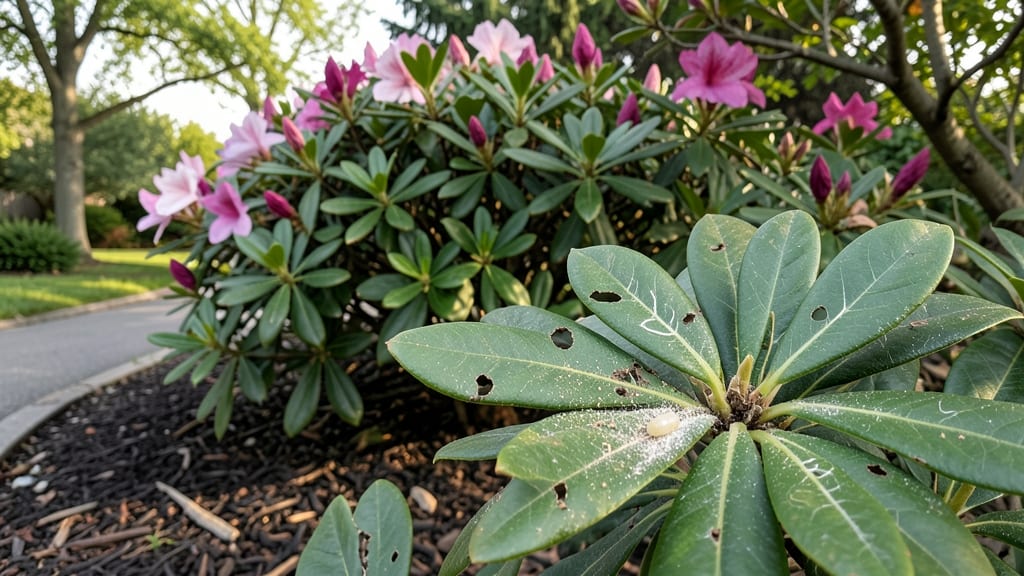
Azalea leaf miners turn your shrubs into skeleton leaves overnight—unless you act fast. 🌿 I’ve battled these tiny pests for years, and the organic copper spray method stops them in their tracks within 24 hours without harsh chemicals.
The key is timing: catch the mines early, before they spread like a silent epidemic through your azaleas.
You’ll need copper fungicide (like Bonide Copper Fungicide), a spray bottle, and a sunny afternoon for application. The spray works by disrupting the miners’ feeding cycle, and when combined with pruning damaged leaves immediately, you break their life cycle.
It’s not just about killing what’s there—it’s about stopping the next generation before it even starts.
After treatment, your azaleas will show new growth within 7-10 days, with leaves filling back in stronger than before. The copper spray also prevents fungal issues that often follow miner damage, so you’re tackling two problems at once.
The best part? This method is safe for bees and kids once fully dried.
For long-term control, sanitize pruners between cuts and remove heavily infested leaves from the yard (not the compost). Repeat sprays every 2-3 weeks during peak miner season—usually late spring to early summer. Your azaleas will bounce back with bold, healthy foliage and fewer pests next year.
📚 In This Guide
- What you need
- Instructions
- Tips and common mistakes
- Wrapping up and next steps
What you need
- ● Copper fungicide: 1 cup (8 oz) of copper sulfate pentahydrate (0.5% copper content) or copper hydroxide (e.g., Bordeaux mixture or TriBasic Copper Sulfate).
- ● Water: 1 gallon (3.8 liters) of dechlorinated water (let tap water sit out for 24 hours or use filtered/rainwater).
- ● Spray bottle or backpack sprayer: A 1-2 gallon capacity sprayer with a fine mist nozzle (e.g., Chapin 635 or Ryobi 1-Gallon Sprayer).
- ● Protective gear: Nitrile gloves (1 pair) – copper can irritate skin!
- ● Long sleeves & pants (lightweight fabric).
- ○ Safety goggles (optional but recommended).
- ● Measuring tools: Measuring cup (for copper).
- ○ Digital scale (optional, for precise copper amounts).
- ● Dish soap: ½ teaspoon of mild, biodegradable soap (e.g., Castile soap) to help the spray stick to leaves.
- ○ Neem oil: 1 teaspoon (optional additive for extra pest-deterrent properties).
- ● Pruning shears: For trimming heavily infested leaves post-treatment.
- ● Label or marker: To tag treated plants and track spray dates.
- ● Fan or breeze: To speed up drying time (copper is most effective when dry!).
Step-by-Step instructions for treating azalea leaf miners organically
Here's how I eliminate leaf miners fast—without chemicals—using a simple copper spray method that works in under a day.
🌿 Step 1: Identify and Isolate Infested Plants
First, confirm the problem by gently shaking a branch over white paper. Tiny white, worm-like larvae or their brown pupae will drop—those are the miners. Isolate the plant immediately to prevent spread. I always move infested azaleas to a shaded corner of the yard, away from healthy plants, until treatment is complete.
Check the undersides of leaves for serpentine mines (tunnel-like trails) and fresh frass (black fecal specks). These signs mean the larvae are active and feeding. If you see them, treatment must happen within 24 hours to prevent defoliation.
💧 Step 2: Prepare the Organic Copper Spray Solution
Mix 1 tablespoon of copper fungicide (organic, OMRI-listed) with 1 gallon of water in a clean sprayer. I use a pump sprayer for even coverage—never a hose-end sprayer, as the pressure can damage tender azalea foliage. Add a few drops of liquid soap to help the solution adhere to leaves.
Shake well before each use, as copper tends to settle. The solution should look like diluted milk with a faint metallic tint. Test a small area first to ensure the plant tolerates it—some azaleas can develop slight leaf burn with copper, especially in hot weather.
✂️ Step 3: Apply Spray Systematically to All Leaf Surfaces
Spray the undersides of leaves first—this is where miners hide. Hold the sprayer 12-18 inches away and apply until the undersides glisten. Move to the topsides, focusing on new growth where larvae are most active. I work in sections, starting with the lowest branches and moving upward.
Pay special attention to flower buds and emerging leaves. These areas often harbor pupae that will emerge as adults. Reapply every 7 days for 3 weeks to break the life cycle. The copper disrupts larval development, so consistency is key.
☀️ Step 4: Monitor and Retreat if Needed
After treatment, inspect leaves daily for new mines or frass. If you see fresh activity after 7 days, repeat the spray. I keep a small notebook near my azaleas to track progress—this helps me spot patterns in reinfestation.
Encourage natural predators like parasitic wasps by planting companion flowers (like alyssum or dill) nearby. These beneficial insects help control miners long-term. Avoid overhead watering for 24 hours after spraying to let the copper remain effective.
⏰ Step 5: Prevent Future Infestations
Remove and destroy heavily damaged leaves by burning or bagging them—never compost. Prune out infested branches in late winter or early spring to reduce larval habitats. I also apply a 2-inch layer of organic mulch around the base to discourage adult miners from laying eggs.
Healthy azaleas resist miners better. Fertilize in early spring with an acid-forming fertilizer (like cottonseed meal) and water deeply weekly during dry spells. Strong plants bounce back faster from infestations.
Tips & tricks for effective azalea leaf miner treatment
A few strategic moves can make your organic copper spray treatment even more effective—and help you avoid common pitfalls that derail results.
Timing is Everything: The 24-hour window after identifying miners is critical. Don't wait until you see widespread damage—early intervention prevents defoliation. I've seen cases where gardeners delayed treatment by just 48 hours, and the infestation became nearly impossible to control without chemical intervention. Check your azaleas every 3-4 days during peak miner season (late spring to early summer) for early signs.
Solution Consistency Check: Your copper spray should coat leaves evenly without dripping. If it's too thin, add another ½ teaspoon of copper fungicide per gallon of water. Too thick? Thin with a little more water. I test consistency by spraying a leaf and waiting 30 seconds—if droplets form, it's too concentrated. The liquid soap helps adhesion but don't overdo it—just 3-4 drops per gallon is enough to prevent leaf burn.
Targeted Application Strategy: When applying in Step 3, focus on the newest growth first—this is where miners prefer to lay eggs. Use a fan or gentle breeze to lift leaves while spraying undersides for better coverage. I work in the early morning when humidity is high, which helps the copper solution adhere better and stay effective longer. Avoid spraying when temperatures exceed 85°F, as this can increase the risk of leaf burn.
Documentation Pays Off: That notebook I mentioned isn't just for fun—it's a game-changer. Record the date of each treatment, weather conditions, and any new miner activity. After three weeks, you'll spot patterns that help you adjust your approach. For example, I noticed my azaleas needed more frequent treatments after planting marigolds nearby (which attracted beneficial insects but also seemed to draw miners).
Pro Tips for Azalea Leaf Miner
- A few strategic moves can make your organic copper spray treatment even more effective—and help you avoid common pitfalls that derail results.
- Timing is Everything: The 24-hour window after identifying miners is critical.
- Solution Consistency Check: Your copper spray should coat leaves evenly without dripping.
Frequently asked questions
What do azalea leaf miners look like, and how do I confirm they’re the problem?
Azalea leaf miners are tiny, white or yellow larvae (about 1/8-inch long) that tunnel between leaf layers, leaving serpentine trails or blisters. Check the undersides of leaves for frass (black fecal matter) or wilting, discolored patches. If you spot these signs, it’s likely leaf miners—not just general stress!
How quickly can azalea leaf miners damage my plants if untreated?
Left unchecked, leaf miners can devastate azaleas in 2–4 weeks, causing leaves to brown, drop, and weaken the plant’s growth. Early intervention (like copper spray) stops larvae in their tracks, but severe infestations may require pruning affected leaves to prevent spread. Act fast!
Are there organic alternatives to copper spray for azalea leaf miners?
Yes! While copper fungicide/bactericide is the fastest fix, try these organic options:
- Neem oil: Disrupts larvae life cycles (spray at dusk to avoid harming bees).
- Kaolin clay: Creates a barrier larvae can’t penetrate.
- Handpick larvae: Use tweezers to remove visible worms from leaves.
- Beneficial nematodes: Release Steinernema feltiae in soil to target larvae.
How often should I reapply copper spray if I see recurring leaf miner issues?
Reapply copper spray every 7–10 days during active infestations (spring to early summer). Mix with insecticidal soap for added protection. Stop spraying 2 weeks before flowering to avoid copper buildup. Monitor plants weekly—if mines reappear, boost frequency or switch to neem oil.
Can azalea leaf miners survive winter, or should I treat in fall?
Adult leaf miners die in frost, but eggs may overwinter on leaves or soil. Clean up fallen leaves in fall and prune heavily infested branches. A late-spring copper spray (after bud break) catches new larvae before they tunnel in. No need for fall treatment unless your climate is mild!
What’s the best way to dispose of heavily infested azalea leaves?
Seal pruned or fallen leaves in a plastic bag and toss in outdoor trash (not compost)—larvae can survive in compost piles. Don’t mulch heavily infested leaves back into soil. For large plants, bag and shred leaves separately to break the life cycle.
Wrapping up and next steps
Dealing with azalea leaf miner doesn’t have to be a losing battle! With the right organic copper spray and timely action, you can restore your azaleas to health in just 24 hours—no harsh chemicals needed. 🌿✨ Remember, early detection and consistent care are your best allies.
Ready to take action? Grab your supplies, follow the steps, and give your azaleas the fresh start they deserve. Your garden—and those beautiful blooms—will thank you!