
Pests and Diseases
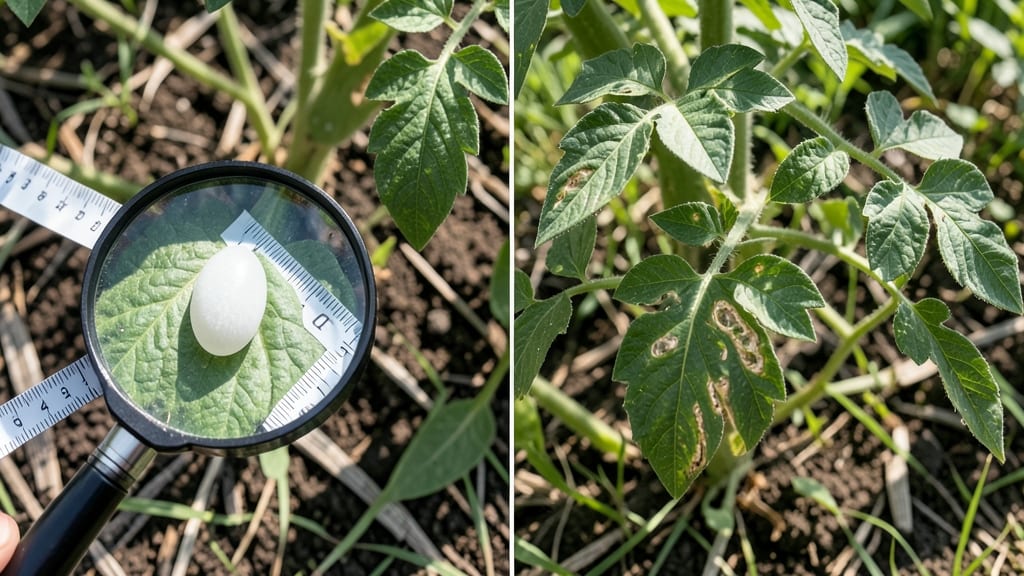
Spotting leaf miner eggs early could save your tomato plants from skeletonized leaves. 🌿 These tiny white specks hide on undersides, and by the time you see the telltale serpentine mines, it's often too late. My basil plants looked like lace curtains last summer until I learned to check regularly.
The worst part? They target tomatoes, basil, roses, and peppers—the plants you work hardest to grow. Eggs hatch into larvae that chew between leaf layers, leaving behind winding trails of damage. Without intervention, entire leaves turn brown and crispy within weeks.
You can stop them with neem oil sprays (applied every 7-10 days), row covers before flight season, or simply pruning infected leaves and destroying them. The key is acting before you see the mines—not after. Prevention starts with weekly inspections of undersides, especially in warm weather.
Healthy plants with proper spacing resist infestations better, and beneficial wasps like Diglyphus isaea can hunt them naturally if given a chance.
The Hidden Invaders Behind Damage
Leaf miner eggs may seem like a tiny, almost invisible problem, but they’re the first step in a destructive lifecycle that can turn your lush foliage into a skeleton of veins and holes.
Understanding why these pests target your plants—and how they thrive—is the key to stopping them before they cause real harm. Here’s a breakdown of the science behind their behavior and the conditions that make your garden a prime buffet.
Most leaf miners start life as eggs laid by small, often overlooked flies (like the Agromyzidae family). These flies are drawn to plants for two key reasons:
- Host Plant Preference: Leaf miners don’t choose plants randomly. They’re attracted to specific species based on scent, leaf chemistry, and nutritional value. For example:
- Serpentine leaf miners (e.g., Liriomyza trifolii) love herbs, vegetables (like basil, parsley, and tomatoes), and ornamentals.
- Grass miners target lawns and turfgrasses, while apple leaf miners zero in on fruit trees.
- Egg-Laying Strategy: Female flies don’t just drop eggs randomly—they chew tiny slits in leaves to deposit them just beneath the surface. This protects the eggs from predators and environmental stress while ensuring the larvae (hatched miners) have instant access to food.
Actionable Insight: If you notice tiny white specks or irregular lines on the surface of leaves (often near veins), those could be freshly laid eggs. Acting fast—like removing infested leaves or applying natural deterrents—can prevent a full-blown infestation.
Leaf miner eggs won’t hatch if conditions aren’t just right. These pests are opportunistic, thriving when your garden provides:
| Factor | Why It Matters | How to Disrupt It |
|---|---|---|
| Warmth (60–85°F / 15–30°C) | Most leaf miner species require warmth to hatch. Eggs laid in spring or early summer (when temps rise) have the highest survival rate. | Use row covers in early spring to delay egg-laying or reflective mulch to raise soil temps and confuse flies. |
| Humidity (Moderate to High) | Eggs need moisture to prevent desiccation. Overhead watering or morning dew keeps them hydrated. | Water at the base of plants (not leaves) and ensure good airflow to reduce humidity on foliage. |
| Young, Tender Leaves | New growth is softer and more nutritious, making it the perfect target for larvae. Flies seek out fast-growing plants like basil, beans, and squash. | Prune overly vigorous growth and avoid over-fertilizing with nitrogen (which encourages soft, leafy tissue). |
| Lack of Natural Predators | Birds, parasitic wasps, and ladybugs eat leaf miner eggs and larvae. If your garden lacks biodiversity, eggs stand a better chance of hatching. | Plant companion plants like dill, fennel, or marigolds to attract beneficial insects. Install birdhouses or predator-friendly habitats. |
Pro Tip: 🌡️ Monitor your microclimate. Leaf miners are less active in cool, dry conditions. Use a thermometer and hygrometer to track when your plants are most vulnerable.
Not all plants are equally appealing to leaf miners. The pests are drawn to:
- Succulent, Thin Leaves: Plants with delicate, fleshy leaves (e.g., coleus, geraniums, or impatiens) are easier for larvae to tunnel through.
- High Water Content: Leaf miners prefer plants that retain moisture, like cucumbers, lettuce, or spinach. Drought-stressed plants are less attractive.
- Weakened Immunity: Plants under stress from disease, poor soil, or pest damage are more susceptible. For example, tomatoes with early blight may attract miners because their leaves are already compromised.
- Monoculture Plantings: Large patches of the same plant species (like a vegetable garden with rows of basil) act like a leaf miner buffet, making it easier for flies to find and lay eggs.
Actionable Fix: 🌱 Rotate crops annually and interplant vulnerable species with repellent herbs (like rosemary or thyme) to break up the "all-you-can-eat" signal to flies.
Next up: How to spot these eggs before they hatch and what removal methods actually work (without harming your plants).
Practical Fixes for Tiny Leaf Invaders
Leaf miners may seem like a small problem, but their eggs can quickly turn into a garden nightmare if left unchecked. The good news? With the right approach, you can stop them in their tracks—before they hatch and wreak havoc.
Below, we break down targeted solutions based on the root cause, from organic fixes to preventive strategies that actually work.
If you catch leaf miner eggs before they hatch (usually within 3–7 days of laying), physical removal is your best defense.
👨🍳 Step 1: Inspect Leaves Carefully
- Look for tiny white or yellow specks (eggs) along leaf veins or undersides.
- Use a hand lens (10x magnification) for better visibility.
🔪 Step 2: Scrape Off Eggs Gently
- Dampen a soft brush or cotton swab with soapy water (mild dish soap + water).
- Gently brush or wipe the eggs off the leaf—do not tear the leaf (this can spread damage).
- Dispose of the brush/swab in soapy water (not trash) to kill any lingering eggs.
⏰ Step 3: Monitor & Repeat
- Check the same leaves every 2–3 days for new egg clusters.
- Focus on new growth—miners love tender leaves!
💡 Pro Tip: Work in early morning or late evening when pests are least active for easier removal.
Chemical-free sprays can suffocate eggs and deter adult flies before they lay more.
| Spray Solution | How to Use | Best For |
|---|---|---|
| Neem Oil Spray | Mix 1 tsp neem oil + 1 tsp mild soap + 1 quart water. Spray undersides of leaves at dusk. | Prevents egg-laying, disrupts larvae |
| Horticultural Oil | Apply directly to eggs/larvae (avoid hot days—can burn leaves). | Heavy infestations |
| Kaolin Clay | Mix 1 tbsp clay + 1 gallon water. Creates a physical barrier flies avoid. | Long-term prevention |
| Garlic/Chili Pepper Spray | Blend 2 garlic cloves + 1 tbsp cayenne + 1 quart water. Strain and spray. | Repels adult flies naturally |
🌡️ Important: Always test sprays on a small leaf area first—some plants (like citrus) are sensitive.
Preventing egg-laying is far easier than treating damage. Use these barrier methods:
🛡️ Physical Barriers
- Floating Row Covers: Cover plants with fine mesh (0.6mm or smaller) to block flies. Secure edges tightly.
- Yellow Sticky Traps: Place yellow cards coated with petroleum jelly near plants to catch adult miners.
🌱 Plant Rotation & Trap Crops
- Rotate crops annually—miners target the same plants year after year.
- Sacrificial plants: Grow nasturtiums or marigolds nearby to distract flies from your veggies/herbs.
🕊️ Beneficial Predators
- Parasitic wasps (Diglyphus isaea) naturally kill leaf miner larvae. Buy them online or attract them with dill or fennel.
- Ladybugs & lacewings also help—plant marigolds or dandelions to lure them.
If eggs have already hatched and larvae are tunneling, you’ll need a more aggressive approach:
✂️ Step 1: Prune Damaged Leaves
- Cut off heavily infested leaves (where you see white blotches or serpentine trails).
- Dispose of them in sealed bags (not compost)—do not leave them near the plant.
🌱 Step 2: Boost Plant Health
- Fertilize with compost or worm castings—stressed plants attract more pests.
- Water deeply at the base (avoid overhead watering, which can spread eggs).
🔄 Step 3: Replace Severely Damaged Plants
- If 50%+ of leaves are mined, pull and replace the plant to prevent spread.
- Quarantine new plants for 2 weeks before introducing them to your garden.
The key to permanent control is disrupting the leaf miner’s life cycle. Here’s how:
📅 Timing Is Everything
- Monitor adult fly activity (usually spring to early summer).
- Apply neem oil or barriers 2–3 weeks before peak season (check local pest reports).
🌿 Garden Hygiene
- Clean up debris (fallen leaves, old mulch) where eggs may overwinter.
- Avoid over-fertilizing with nitrogen—it attracts miners.
🌍 Companion Planting
- Basil, mint, and thyme repel leaf miners naturally.
- Interplant with onions or garlic—their strong scent confuses flies.
Final Reminder: 🎯 Act fast—the sooner you intervene, the less damage you’ll see! A little daily inspection + prevention goes a long way in keeping your garden leaf miner-free.
Frequently asked questions
How do I know if those tiny specks on my leaves are leaf miner eggs?
Leaf miner eggs appear as tiny white or yellow specks (about 0.5mm wide) along leaf veins or undersides. Use a 10x hand lens to spot them—look for clusters near new growth. Unlike aphids, they don’t move when touched. Check tomatoes, basil, and roses first, as these are top targets.
Can I use regular dish soap to remove leaf miner eggs?
Yes! Mix 1 teaspoon mild dish soap + 1 quart water in a spray bottle. Gently wipe egg clusters with a soft brush or cotton swab dipped in the solution. The soap dissolves the protective coating around eggs, making them easier to remove. Repeat every 2-3 days during peak season.
Will neem oil kill leaf miner eggs, or just larvae?
Neem oil works on both! When applied to leaves (especially undersides), it smothers eggs and disrupts their development. For best results, spray at dusk when flies are least active, and reapply every 7-10 days during warm weather. The oil also repels adult flies from laying more eggs.
How long does it take for leaf miner eggs to hatch?
Most leaf miner eggs hatch in 3-7 days, depending on temperature. In warm conditions (70-85°F), the cycle speeds up—eggs may hatch in just 3 days. Cool weather (below 60°F) slows hatching, giving you more time to remove them before larvae emerge.
What’s the best way to prevent leaf miners if my garden keeps getting them?
Combine these three strategies for long-term control:
- Use floating row covers early in the season,
- Plant companion herbs like basil and thyme nearby, and
- Introduce beneficial wasps (Diglyphus isaea). Also, rotate crops annually—miners target the same plants year after year.