
Fertilization
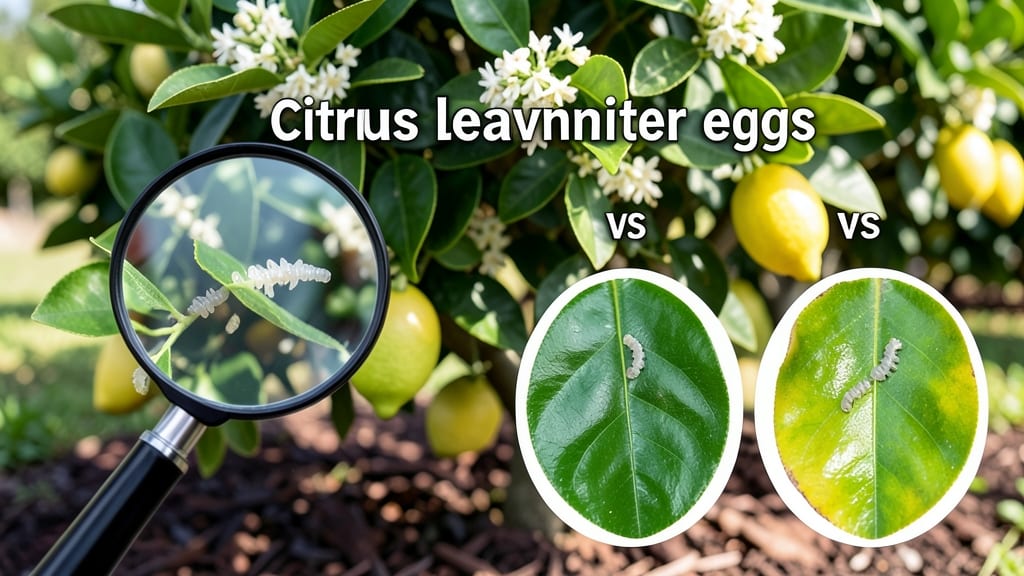
Spotting those tiny white citrus leafminer eggs on your citrus leaves? Those are your first warning sign—and acting fast is your best defense. 🌿 I’ve seen this pest turn vibrant foliage into skeleton leaves within weeks, but early action keeps your tree healthy.
The key is spotting these eggs before they hatch and wreak havoc.
These eggs are microscopic at first, but they turn visible as they mature—look for white, thread-like trails on leaf undersides. The larvae chew through leaves, creating winding tunnels that stunt growth.
Catching them early means less damage and fewer chemicals needed. My go-to method? A neem oil spray applied at dusk, which disrupts their life cycle without harming bees.
With consistent checks every 3-5 days, you’ll catch infestations before they spread. Prune heavily damaged leaves immediately and dispose of them in sealed bags. The payoff? Lush, disease-free foliage that keeps producing fruit year after year—no more brown, crinkled leaves ruining your harvest.
Works for lemon, lime, orange, and grapefruit trees, whether in pots or the ground. The secret is prevention: healthy trees resist pests better, so fertilize regularly and water deeply. Here’s how to stay ahead of these tiny troublemakers.
📚 In This Guide
- What you need
- Instructions
- Tips and common mistakes
- Wrapping up and next steps
What you need
- ● Hand lens or magnifying glass (10x magnification recommended) – for spotting tiny eggs (0.2–0.3 mm!) on leaves.
- ● Pruning shears or sharp scissors – to trim infested leaves (sterilize with rubbing alcohol between uses!).
- ● Neem oil (100% cold-pressed) (16 oz bottle) – organic insecticide to disrupt egg-laying and hatchlings.
- ● Horticultural oil (dormant or summer grade) (16 oz) – smothers eggs when applied correctly (mix with water per label).
- ● Spray bottle (16 oz, fine mist) – for even application of oils or soaps.
- ● Insecticidal soap (potassium salts-based) (16 oz) – kills eggs and larvae on contact (test on a small leaf first!).
- ● Gloves (nitrile or cotton) – protects hands from oils and sap.
- ● Plastic bags or bucket – for collecting and disposing of heavily infested leaves.
- ● Blue sticky traps (5–10 traps) – attracts adult leafminers to reduce egg-laying.
- ● Kaolin clay (surround WP) (5 lb bag) – creates a protective barrier on leaves (reapply after rain).
- ● Beneficial nematodes (Steinernema feltiae) – targets larvae in soil (apply during cooler months).
- ● UV flashlight (365nm) – reveals eggs under blacklight (great for heavy infestations!).
- ● Label and marker – to track treated areas and monitor progress.
How to spot and remove citrus leafminer eggs organically
Here's the method I rely on to catch those tiny eggs before they hatch and wreak havoc on your citrus trees.
🌿 Step 1: Inspect Leaves for Eggs and Early Signs
Start by examining the undersides of leaves—this is where leafminers lay their eggs. Use a 10x magnifying glass (or a phone with a macro lens) to spot the tiny, yellowish-white ovals about 1/32 inch long. They often cluster along leaf veins or midribs. Healthy leaves should feel firm; if you notice thin, serpentine trails inside leaves, eggs have already hatched.
Check new growth first—leafminers prefer tender, fresh leaves. I like to work in the early morning when dew makes eggs more visible. Shake the tree gently to dislodge any eggs hiding in crevices. If you're dealing with a large tree, prioritize the top third where sunlight is strongest and eggs thrive.
✂️ Step 2: Remove Infested Leaves and Eggs
Collect all leaves with visible eggs or early trails using sterilized pruning shears. Drop them directly into a sealed plastic bag—never compost them, as eggs can survive. For stubborn eggs, gently scrape them off with a soft-bristle toothbrush dipped in soapy water (1 tsp mild dish soap per gallon of water). This dislodges eggs without harming the leaf.
Focus on lower branches first, then work upward. I always wear gloves—leafminer larvae can cause skin irritation. After removal, wipe down leaves with a damp cloth to clean away any residue. This step is critical: even a few missed eggs can lead to a full-blown infestation in 7-10 days.
💧 Step 3: Apply Organic Predators and Barriers
Introduce parasitic wasps like Ageniaspis citricola, which naturally prey on leafminer larvae. Release them in the early afternoon when temperatures are above 70°F for best survival. For smaller trees, neem oil spray (1 tbsp per quart of water) disrupts egg development—apply it every 5-7 days until no new eggs appear. Always spray undersides of leaves thoroughly.
Wrap tree trunks with sticky bands (available at garden centers) to trap crawling adults. Replace them every 2 weeks or after heavy rain. I also recommend yellow sticky traps placed near the canopy—they attract leafminers before they reach your citrus. This layered approach prevents reinfestation while keeping your tree chemical-free.
☀️ Step 4: Monitor and Maintain Tree Health
Inspect your tree twice weekly during warm months, focusing on new flushes of growth. Healthy trees resist pests better, so water deeply once a week (about 1-2 gallons per inch of trunk diameter) and fertilize with citrus-specific organic fertilizer in early spring. Avoid overwatering—leafminers thrive in stressed trees with yellowing leaves or dry soil.
Prune any weak or crowded branches to improve airflow, which reduces humidity and discourages egg-laying. I also recommend mulching with wood chips (2-3 inches deep) to retain moisture and suppress weeds that might harbor pests. Keep a daily log of inspections—consistency is key to catching eggs before they hatch.
Tips & tricks for early citrus leafminer detection
Here's what I've learned after years of battling these sneaky pests—these tricks will help you stay one step ahead.
Timing is Everything: The early morning inspection window (before 9 AM) is non-negotiable. Dew makes those tiny eggs glisten under your magnifying glass, and the cooler temperatures keep the leafminers dormant. I've caught infestations in their earliest stages by working consistently at this time—something I missed when I started inspecting midday. Pro tip: Bring a small spray bottle of water to dampen dry leaves before examining them; this makes eggs even more visible against the leaf surface.
Lighting Matters: Natural daylight is your best friend when hunting eggs. Position yourself where sunlight filters through the tree canopy—this creates natural contrast that makes the yellowish-white eggs stand out against the leaf veins. If you're working indoors with a magnifying glass, use a small LED desk lamp angled at 45 degrees to eliminate shadows. I keep a portable light kit in my gardening toolbox specifically for this purpose, and it's saved me multiple times when I needed to double-check suspicious areas.
Systematic Approach Wins: Don't just grab leaves randomly—work methodically from the bottom up, focusing first on the lower branches where eggs cluster most densely. I've found that starting with the youngest leaves (those closest to the trunk) catches the earliest infestations. Use a small white tray or clipboard to hold leaves as you examine them; this creates a clean background that makes eggs pop against the surface. This organized approach prevents you from missing hotspots while minimizing the time you spend on each leaf.
Early Warning Signs: Don't wait for visible trails before acting—they mean the battle's already lost. Look for these subtle clues instead: slightly curled leaf edges, tiny brown specks (frass from feeding larvae), or a faint silvery sheen on the undersides. I train my eye to spot these early signs by comparing healthy leaves with infested ones side by side. When you catch these warning signs, you can often remove just a few leaves to stop the problem before it spreads.
Pro Tips for Citrus Leafminer Eggs
- Here's what I've learned after years of battling these sneaky pests—these tricks will help you stay one step ahead.
- Timing is Everything: The early morning inspection window (before 9 AM) is non-negotiable.
- Lighting Matters: Natural daylight is your best friend when hunting eggs.
Frequently asked questions
Got questions about citrus leafminer eggs?
You’re not alone! Here are some of the most common concerns—and their answers—to help you tackle this pest problem with confidence.
What do citrus leafminer eggs look like?
Citrus leafminer eggs are tiny, oval, and white to pale yellow—about the size of a pinhead. They’re usually laid in clusters on the underside of leaves, often near veins. Use a magnifying glass or smartphone microscope for a closer look!
How long does it take for eggs to hatch?
Eggs typically hatch in 5–12 days, depending on temperature. Warmer weather (above 75°F) speeds up the process, while cooler conditions may delay it. Act fast! Once larvae emerge, damage becomes visible as serpentine mines in leaves.
Are there organic ways to remove eggs before they hatch?
Yes! Try these non-toxic methods:
- Neem oil spray (dissolves eggs and disrupts larvae). Apply early morning/evening.
- Horticultural oil (smothers eggs). Reapply every 5–7 days.
- Hand-picking with a damp cloth (wear gloves!). Focus on new growth.
Pro tip: Prune and destroy heavily infested leaves to break the cycle.
What should I do if I find eggs but no larvae yet?
Don’t panic! Remove eggs immediately to prevent larvae from emerging. Scrape them off with a soft brush or wipe leaves with soapy water (1 tsp mild soap per gallon). Monitor daily for new clusters—consistency is key!
Will citrus leafminers kill my tree if left untreated?
While they won’t kill a healthy tree, severe infestations can weaken it by reducing photosynthesis. Young trees or stressed plants are most at risk. Act within 2 weeks of spotting eggs to minimize damage and keep your citrus thriving!
Wrapping up and next steps
Early detection and organic removal of citrus leafminer eggs are key to protecting your citrus trees—and you’ve got the tools to do it! 🌿 By staying vigilant, using simple DIY methods, and leveraging natural predators, you can keep these pests in check without harsh chemicals. Your proactive efforts today will save your trees tomorrow!
Ready to take action? Start with a quick inspection of your citrus grove this week—look for those telltale signs and act fast. Small steps now prevent bigger headaches later!