
Vegetables
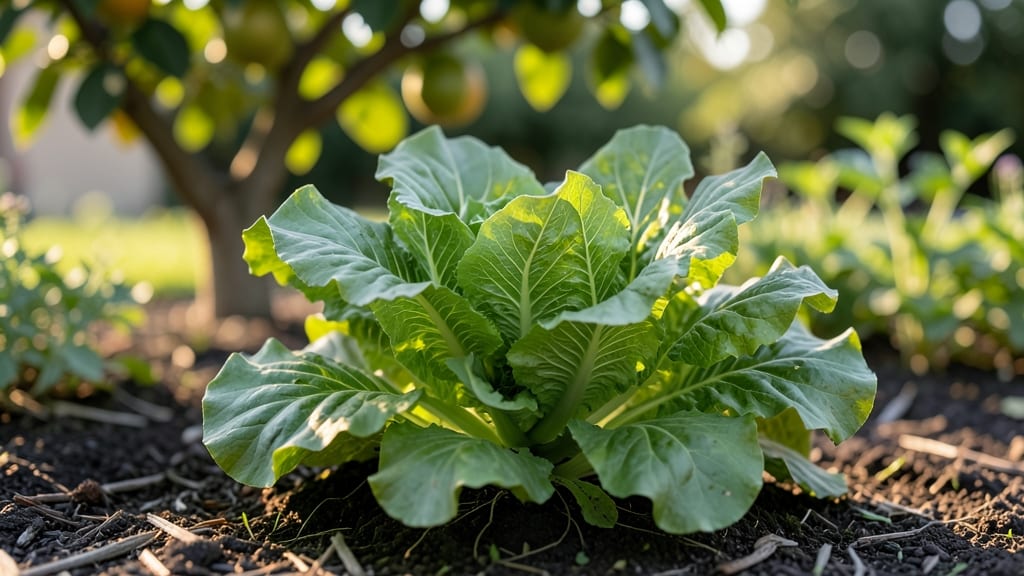
Tracking a leaf lettuce growth chart month by month turns guesswork into a predictable harvest. 🌱 I’ve watched butterhead and romaine transform from tiny sprouts to crisp, ready-to-eat leaves—each stage has its own needs, and knowing them means fewer bolting surprises and more salads all season.
The first 10-14 days focus on germination and baby leaves, while weeks 3-4 bring rapid leaf expansion. By month 2, you’ll see mature leaves with vibrant colors, signaling it’s time to harvest.
Temperature swings and light levels shift what lettuce wants from you—too much heat, and it bolts; too little sun, and growth stalls. You’ll end up with a foolproof system for timing harvests, adjusting water, and spotting pests before they ruin your crop.
The chart breaks down each stage so you can match care to what’s happening in your garden—no more waiting for luck to deliver edible leaves. Works for both spring and fall plantings, and adapts to container or in-ground growing.
Here’s how to read the growth stages and keep your lettuce thriving.
📚 In This Guide
- What you need
- Instructions
- Tips and common mistakes
- Wrapping up and next steps
What you need
- ● Leaf Lettuce Seeds – Choose fast-maturing varieties like Black Seeded Simpson or Buttercrunch (1–2 oz packet covers ~100 sq ft).
- ● Growing Containers or Garden Bed – Containers: 6–12" deep pots (minimum 6" diameter per plant) with drainage holes.
- ● Garden Bed: Well-draining soil, 6–12" deep, in partial shade (or full sun in hot climates).
- ● High-Quality Potting Soil or Garden Soil – Mix with compost (50/50 ratio) for nutrient-rich growth.
- ● Watering Can or Drip Irrigation System – Lettuce loves consistent moisture (1–1.5 inches per week).
- ○ Fertilizer (Optional but Recommended) – Balanced 10-10-10 or fish emulsion (diluted to half-strength).
- ● Slow-release organic granular fertilizer (sprinkle at planting).
- ● Shade Cloth (30–50%) – Protects seedlings from scorching sun (especially in summer).
- ● Gloves & Hand Trowel – For planting and soil prep (saves your hands from dirt!).
- ● Seedling Trays & Heat Mat – For starting seeds indoors 4–6 weeks before last frost.
- ● Mulch (Straw or Grass Clippings) – Retains moisture and suppresses weeds.
- ● pH Test Kit – Ideal soil pH: 6.0–7.0 (adjust with lime or sulfur if needed).
- ● Row Covers or Cold Frames – Extends growing season in cool climates.
- ● Pruning Shears – For harvesting outer leaves without damaging the plant.
How to track leaf lettuce growth month by month
Watch your lettuce transform from tiny sprouts to harvestable greens with this clear month-by-month guide.
🌱 Step 1: Germination and First True Leaves (Week 1-2)
After sowing seeds ¼ inch deep in moist soil, keep the area consistently damp at 60-70°F for optimal germination. You'll see the first tiny leaves—called cotyledons—emerge in 5-10 days. These aren't true lettuce leaves yet, but they signal the seedling's energy reserves are kicking in.
Here's the thing—don't be tempted to water heavily once sprouts appear. Overwatering at this stage causes damping-off, a fungal disease that collapses seedlings overnight. Instead, mist lightly with a spray bottle until the soil surface feels damp but not soggy. You'll know you're on track when the cotyledons open fully and stand upright.
🌿 Step 2: Early Growth and Leaf Development (Week 3-4)
By 3 weeks, your lettuce will push its first true leaves—these are the deep green, serrated-edged leaves you recognize as lettuce. This is when you'll notice the plant's growth pattern: the outer leaves grow first, while the inner leaves remain tightly wrapped around the core. Space seedlings 6-8 inches apart if thinning is needed to prevent overcrowding.
Provide 4-6 hours of indirect light daily during this phase. Too much direct sun now will cause the leaves to scorch, while too little results in leggy, pale growth. You'll see ideal progress when leaves are dark green, crisp, and growing outward at a steady pace. If leaves start yellowing at the edges, increase humidity slightly by covering with a shade cloth during hot afternoons.
☀️ Step 3: Mid-Growth and Bolting Prevention (Week 5-6)
At 5-6 weeks, your lettuce should be forming a rosette—those tightly clustered leaves you recognize from the grocery store. This is when you'll need to monitor heat levels closely. Leaf lettuce bolts (goes to seed) when exposed to temperatures above 75°F for extended periods. To prevent bolting, provide afternoon shade during hot months or grow in partial shade.
Water at the base of the plant in the morning to keep leaves dry and reduce disease risk. You'll notice healthy growth when the outer leaves reach 3-4 inches long and the plant looks bushy. If you see elongated stems and small leaves, your lettuce is reacting to stress—either too much heat or not enough light. Adjust accordingly to maintain compact, flavorful growth.
✂️ Step 4: Harvest Readiness and Ongoing Maintenance (Week 7-8+)
Leaf lettuce is ready for harvest when the outer leaves reach 4-6 inches long, typically at 6-8 weeks. Cut leaves individually at the base with clean scissors, leaving the inner leaves to continue growing. This "cut-and-come-again" method extends your harvest window by 3-4 weeks compared to harvesting the whole head at once.
After each harvest, fertilize lightly with a balanced organic fertilizer to replenish nutrients. You'll see new growth emerge within 7-10 days if conditions remain ideal. If your lettuce starts to taste bitter, it's a sign of stress—either from heat or nutrient deficiency. Adjust your growing conditions immediately to maintain sweet, tender leaves.
⏰ Step 5: Seasonal Adjustments for Extended Harvests
In cooler climates, leaf lettuce can be grown year-round with proper seasonal adjustments. Use row covers in early spring to protect from frost, and provide shade cloth in late summer to prevent bolting. You'll know your growing conditions are right when you can harvest fresh leaves every 2-3 weeks throughout the growing season.
Real talk: Lettuce is a cool-season crop, so plan your planting schedule to avoid summer heat. In warm climates, focus on fall and winter plantings for the best results. With the right timing and care, you'll enjoy a continuous supply of fresh, homegrown greens that far surpass store-bought quality.
Tips & tricks for perfect leaf lettuce cultivation
These practical insights will help you navigate each growth stage like a seasoned gardener.
Germination Secrets: The 5-10 days germination window is your first critical phase. I've found that using a seedling heat mat set to 70°F speeds up germination by 2-3 days, especially in cooler climates. Place a humidity dome or plastic wrap over the tray to maintain moisture without overwatering—this prevents damping-off while keeping conditions ideal for those delicate sprouts.
Light Management: During the 4-6 hours of indirect light phase (Weeks 3-4), position your seedlings near an east-facing window where they'll receive gentle morning sun. If using grow lights, maintain them 6-8 inches above the plants to prevent stretching. I've seen seedlings grow leggy when lights are too far away—this is a common mistake that leads to weak stems and pale leaves.
Bolting Prevention: The 75°F threshold is absolute for leaf lettuce. In summer heat, I've had success using shade cloth with 30-50% coverage during peak afternoon hours. For container growers, move plants to shaded areas between 11 AM and 4 PM. Remember, bolting isn't just about temperature—nutrient deficiencies can trigger it too, so always fertilize lightly after thinning.
Harvest Extension: The "cut-and-come-again" method works wonders, but timing is everything. When harvesting, leave at least 2-3 inches of growth at the center to maintain the plant's energy reserves. I've extended harvests by 6-8 weeks using this method, but only if I fertilize immediately after each harvest. The key is consistent care—don't let the plant become stressed between harvests.
Pro Tips for Leaf Lettuce Growth Chart
- These practical insights will help you navigate each growth stage like a seasoned gardener.
- Germination Secrets: The 5-10 days germination window is your first critical phase.
- Light Management: During the 4-6 hours of indirect light phase (Weeks 3-4), position your seedlings near an east-facing window where they'll receive gentle morning sun.
Frequently asked questions
How long does it take for leaf lettuce to grow from seed?
Leaf lettuce typically takes 30 to 50 days to reach maturity from seed, depending on the variety and growing conditions. Bolt-resistant types (like 'Black Seeded Simpson') may take slightly longer, while faster varieties (like 'Salad Bowl') can be ready in as little as 28 days.
Can I grow leaf lettuce in cold weather?
Leaf lettuce thrives in cool temperatures (40–75°F) and can even tolerate light frosts. In fact, it often tastes sweeter after a frost. For winter growing, use row covers or cold frames to extend the season. Avoid planting in hot summer months (above 80°F), as heat causes bolting.
How often should I harvest leaf lettuce?
For continuous harvests, pick outer leaves every 2–3 weeks when they’re 4–6 inches tall. This encourages regrowth and extends the plant’s life. If you cut the entire head, leave the bottom inch of stem to allow new leaves to sprout. Avoid harvesting more than ⅓ of the plant at once to prevent stress.
What are common pests or diseases affecting leaf lettuce, and how do I prevent them?
Leaf lettuce is prone to aphids, slugs, and downy mildew. To prevent pests:
- Use row covers to block insects.
- Handpick slugs or use beer traps.
- Space plants properly (12–18 inches apart) for airflow.
- Avoid overhead watering to reduce mildew risk.
Can I grow leaf lettuce in containers, and what’s the best setup?
Yes! Leaf lettuce grows beautifully in containers 6–12 inches deep. Use a well-draining potting mix and ensure pots have drainage holes. For one plant, a 6-inch pot suffices; for multiple plants, opt for 8–12 inches. Place containers in partial shade during hot afternoons and keep soil consistently moist.
Wrapping up and next steps
Growing leaf lettuce is a rewarding journey that brings fresh, crisp greens right to your plate! By following a month-by-month growth chart, you’ll master the timing for planting, thinning, and harvesting—ensuring a steady supply of vibrant leaves.
Whether you’re a seasoned gardener or a beginner, patience and consistency are key to success.
Now that you’re armed with this timeline, take the next step! Start with a small batch, experiment with varieties, and track your progress. Before you know it, you’ll be enjoying homegrown salads packed with flavor—and maybe even sharing your bounty with friends. Happy growing! 🌱