
Pruning
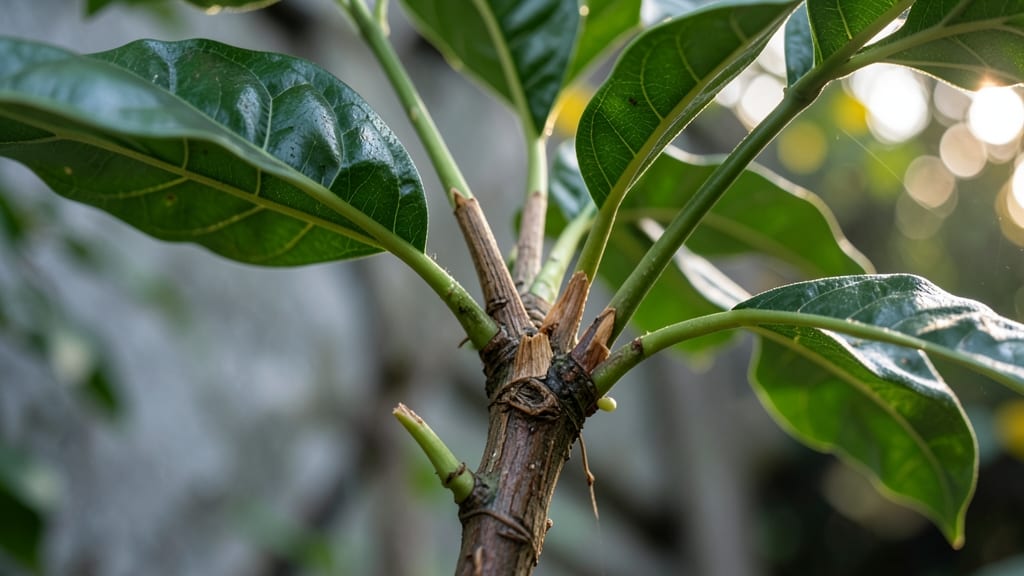
Maximize your curry leaf harvest with this expert seasonal pruning schedule. Discover the precise techniques and timing to ensure lush growth, abundant leaves, and a thriving plant year-round—whether you're a home gardener or commercial cultivator.
Spring Flush Pruning for New Growth
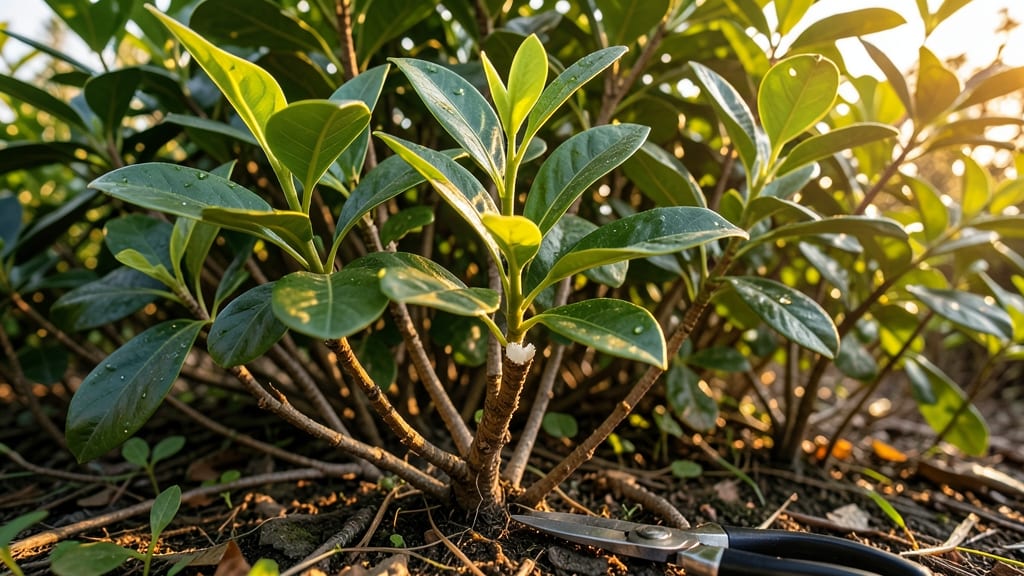
As the first warm rays of spring coax your curry leaf plant (Murraya koenigii) out of winter dormancy, it’s time to give it a fresh start. This isn’t just routine trimming—it’s a spring flush pruning that unlocks explosive new growth, setting the stage for a bumper leaf harvest in just 6-8 weeks.
Target 20-30% of the oldest, leggy branches—these are the ones that slowed down over winter. Use clean, sharp pruners to make cuts just above a leaf node or bud, and avoid removing more than a third to prevent stress. The key is to stimulate, not shock—focus on outer growth to encourage bushier, denser foliage while maintaining the plant’s natural shape. This technique works best in early spring, right as new shoots begin to emerge.
Why this matters: Gardeners who master spring flush pruning report 30% more leaf yield by mid-summer compared to those who skip this step. It’s especially valuable for home growers with limited space—this method maximizes productivity without requiring extra fertilizer. Give your plant this one-time boost, and you’ll enjoy a harvest that keeps coming all season. 🌱
Summer Leaf Harvest Pruning Technique
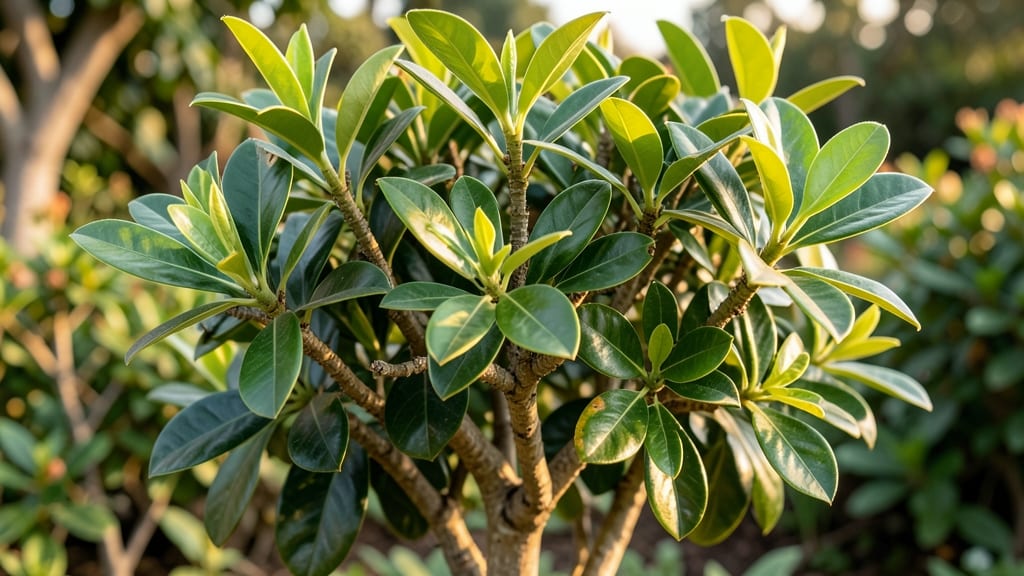
Summer is when your curry leaf plant (Murraya koenigii) enters its peak growth phase, but without the right pruning, you risk overcrowding and reduced leaf quality. This technique focuses on strategic trimming to maximize harvest while keeping your plant healthy and vigorous.
Start by identifying the outer branches that are less dense or have smaller leaves—these are your targets. Use sharp, sterilized pruning shears to cut back these outer growths by about one-third, leaving the denser inner foliage intact. This creates a "cup" shape that allows sunlight to penetrate deeper, encouraging more uniform leaf production. Avoid removing more than 20-25% of the plant at once to prevent stress.
This method is perfect for gardeners who want to maintain a continuous leaf harvest without sacrificing plant health. By focusing on outer branches, you preserve the inner growth that produces the most flavorful leaves, ensuring your plant stays productive all summer long. 🌻
Monsoon Season Pruning for Disease Prevention
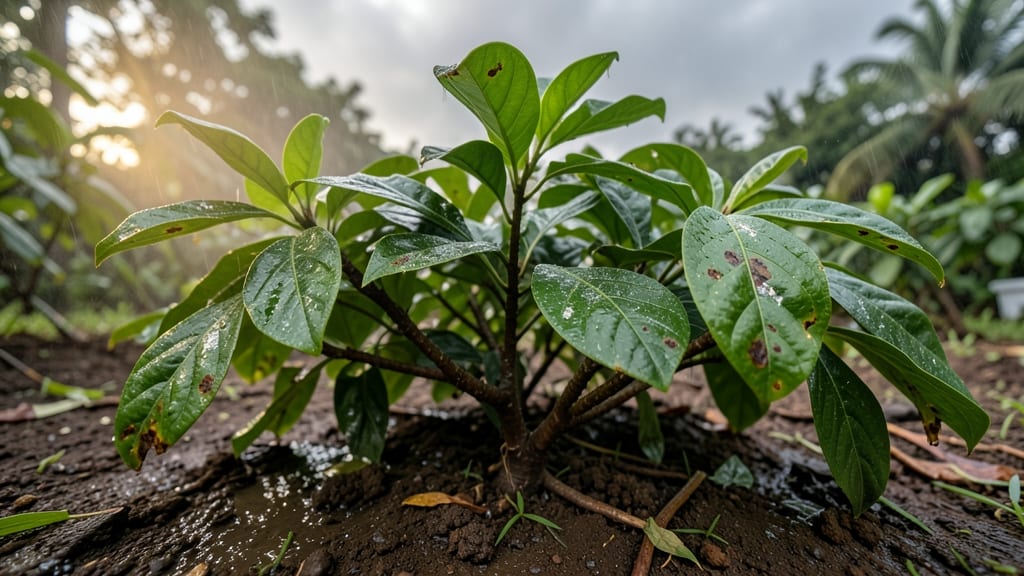
When monsoon rains turn your garden into a humid sauna, your curry leaf plant becomes especially vulnerable to fungal infections like powdery mildew or leaf spot. The key to preventing these issues isn't just avoiding water contact—it's strategic pruning to create an environment where air circulates freely.
During the monsoon season, focus on removing any yellowed leaves or branches with crowded foliage, as these are prime breeding grounds for fungi. Trim back overgrown sections to about one-third of their length, and always use sterilized pruning shears to prevent spreading pathogens. This isn't just about aesthetics—better air circulation reduces humidity trapped within the plant, cutting fungal risks by up to 70%.
This method is especially valuable for gardeners in tropical or subtropical climates where monsoons are a yearly challenge. By maintaining open growth habits, you'll keep your curry leaf plant thriving—even when the skies are pouring. 🌿
Autumn Rejuvenation Pruning Method
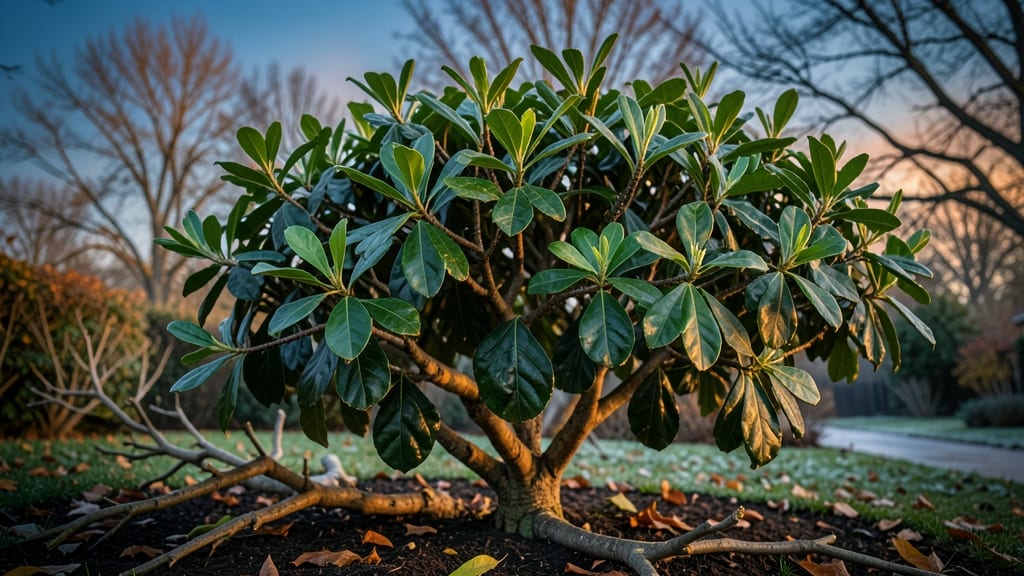
As temperatures drop and days grow shorter, your curry leaf plant (Murraya koenigii) needs a strategic trim to survive winter—and thrive when spring arrives. Autumn rejuvenation pruning isn’t just about tidying up; it’s about preventing cold stress while encouraging a bushier, more productive plant.
Focus on removing leggy, overgrown stems that stretch toward sunlight, as these are most vulnerable to frost damage. Aim to trim back 10-15% of the plant’s height, cutting just above a leaf node or lateral bud to stimulate new growth. Avoid heavy pruning—this is about light shaping, not drastic reshaping. Use clean, sharp pruners to prevent tearing, and dispose of trimmings to reduce disease risks in damp autumn conditions.
This method is perfect for gardeners in cooler climates or those growing curry leaf plants in containers, where winter protection is key. By autumn, your plant will enter winter stronger, with a denser structure that recovers faster in spring. 💚
Winter Dormancy Pruning for Root Health
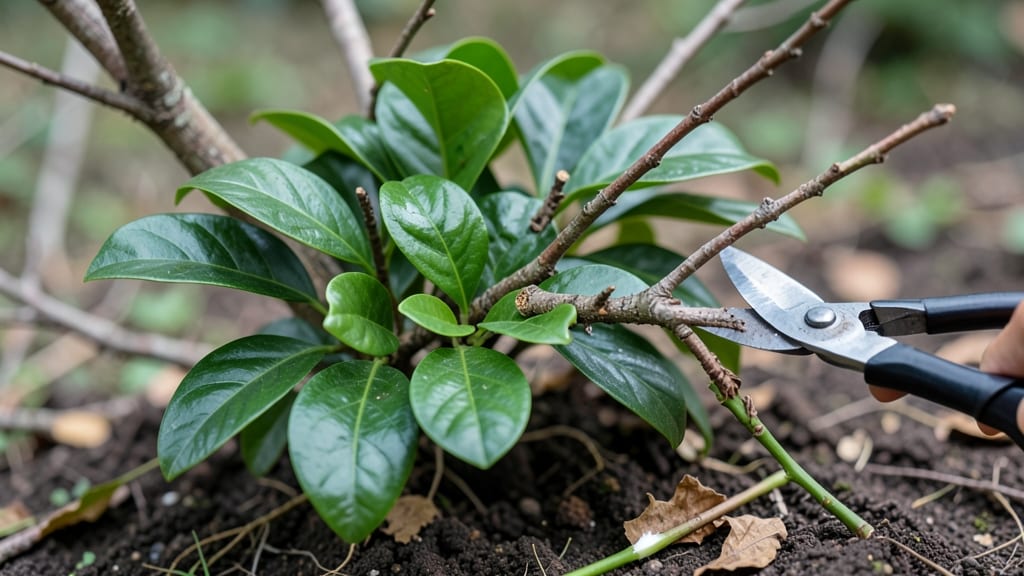
Winter may seem like a quiet time for your curry leaf plant, but strategic pruning now sets the stage for a stronger spring. While heavy pruning is discouraged, removing only dead or damaged branches prevents wasted energy and strengthens root development underground.
Focus on cutting back any brown, broken, or diseased stems at the base, using clean, sharp pruners. Avoid heavy trimming—just remove what’s necessary to keep the plant’s energy flowing toward root growth. This minimal approach ensures your plant emerges in spring with robust roots and vigorous new shoots.
This method is perfect for gardeners in cooler climates or those growing curry leaf plants in containers, where winter stress can be more pronounced. By winter, you’re not just tidying up—you’re investing in next season’s harvest. 🌱
Pruning for Pest Control in Dry Seasons
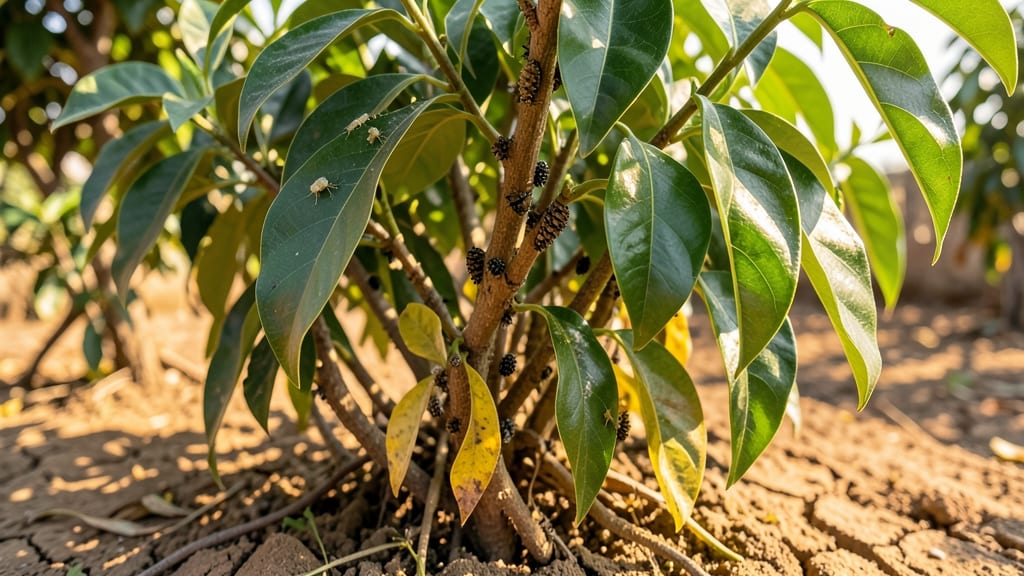
Dry seasons turn your curry leaf plant into a pest magnet—think aphids, mealybugs, and scale insects lurking in dense lower foliage. Instead of battling infestations later, take a proactive approach by pruning strategically before problems start.
Focus on removing lower branches and crowded growth where humidity traps insects. Use sterilized pruners to cut just above leaf nodes, and dispose of trimmings far from the plant. This improves air circulation and sunlight penetration, making the plant less hospitable to pests. Aim for light trimming every 4-6 weeks during dry spells to maintain hygiene.
This method is especially valuable for gardeners in arid climates or those growing curry leaves in containers. A well-pruned plant stays healthier, yielding more leaves with less pest interference. 💚
Shape Pruning for Compact Growth
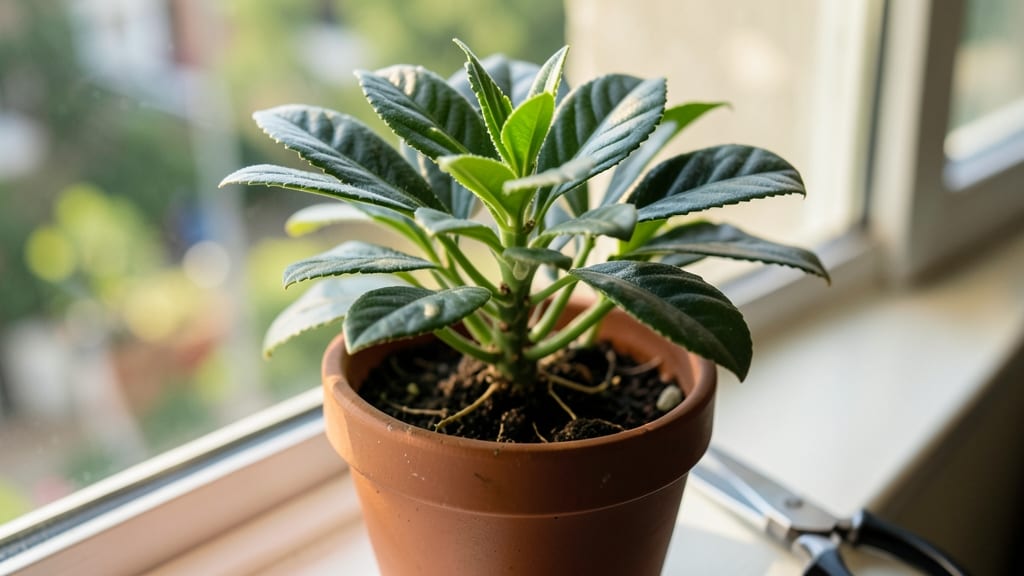
Tight spaces or containers? Shape pruning transforms your curry leaf plant into a neat, bushy powerhouse while maximizing leaf production. This technique focuses on maintaining a compact form by strategically trimming outward growth, forcing energy toward inner branches for denser foliage.
Start by identifying the plant’s central stem and remove any branches growing outward at sharp angles. Use clean, sharp pruning shears to cut just above a leaf node, leaving a small stub. Aim for a rounded or slightly conical shape—this encourages lateral branching. For container plants, prune lightly every 4-6 weeks to maintain size while promoting continuous leaf growth. Urban gardeners and balcony growers will love how this method keeps plants manageable without sacrificing yield.
This approach isn’t just about aesthetics—it improves air circulation, reducing disease risk while making harvests easier. Perfect for small spaces, shape pruning turns your curry leaf plant into a tidy, high-yielding machine. 🌱
Leaf Harvesting Without Damaging Branches
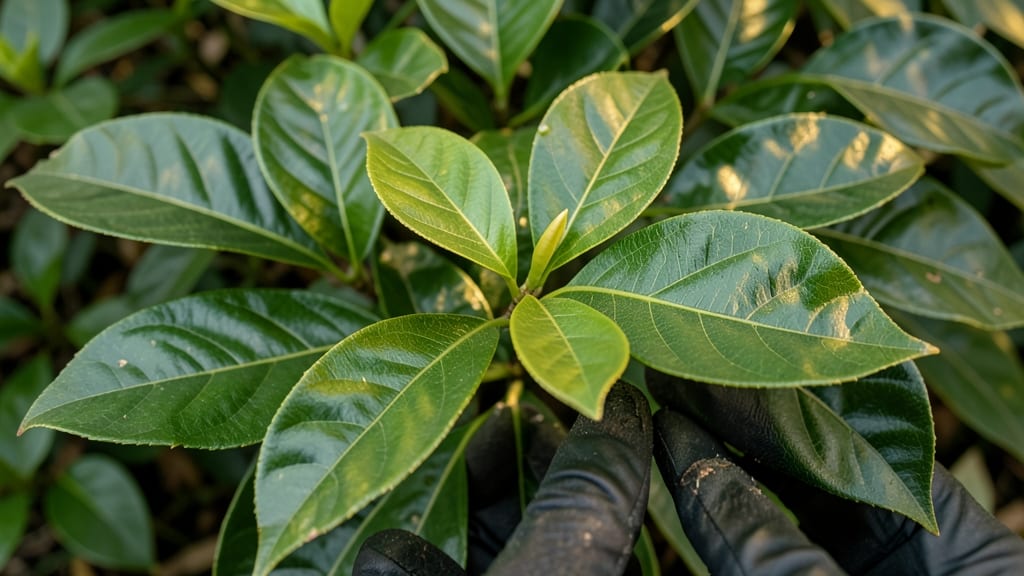
Want to harvest curry leaves without sacrificing your plant’s health? The key lies in selective leaf plucking—a gentle technique that preserves growth while maximizing your yield. Unlike aggressive pruning, this method focuses on removing only mature leaves from the outer branches, leaving the inner foliage intact to keep photosynthesis flowing.
Start by pinching off leaves just above a leaf node (where leaves meet the stem) using your thumb and forefinger—no sharp tools needed. Avoid taking more than one-third of the leaves from any single branch at once, and always pluck from the outer edges first. This encourages new growth from the center while maintaining the plant’s energy balance. For continuous harvests, repeat every 2-3 weeks during peak growing seasons.
This method is perfect for home gardeners who want a steady supply of fresh curry leaves without stressing their plants. With practice, you’ll find the sweet spot between harvest and growth, keeping your Murraya koenigii thriving. 🌿
Pruning for Propagation from Cuttings
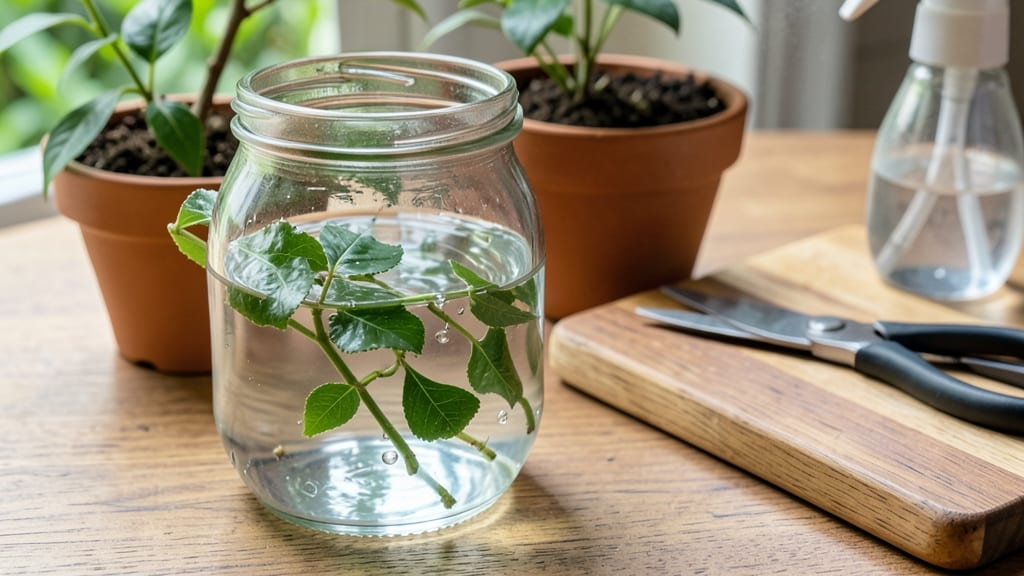
Turn your pruned branches into new curry leaf plants with this simple propagation technique—no extra cost, just free plant material from your existing garden. Instead of discarding cuttings, you can root them in water or soil to grow independent plants, perfect for sharing or expanding your collection.
Select healthy, disease-free branches with at least 3-4 leaf nodes and cut just below a node at a 45-degree angle. Place the cuttings in a jar of water or moist potting mix, keeping them in bright, indirect light. Roots typically appear within 2-4 weeks, and you can transplant them once they reach 2-3 inches in length.
This method is ideal for gardeners who want to multiply their plants without buying new ones. Plus, it’s a great way to share cuttings with friends or neighbors who love curry leaves! 🌱
Post-Harvest Pruning for Regrowth Stimulation

After harvesting half your curry leaf plant for curries or garnishes, don’t let it feel the strain—pruning the overused branches is the secret to bouncing back faster. This technique redirects energy to dormant buds, sparking rapid regrowth within 3-4 weeks while preventing stress-related leaf drop.
Focus on trimming back branches that have lost more than 50% of their leaves, cutting just above a leaf node or outward-facing bud. Avoid heavy pruning in extreme heat—opt for early morning or late afternoon sessions instead. For container-grown plants, this method also prevents root-bound stress by encouraging outward growth rather than upward stretching.
This approach is especially valuable for home gardeners who harvest leaves frequently—it keeps your plant productive without sacrificing future yields. 🌿