
Blooming
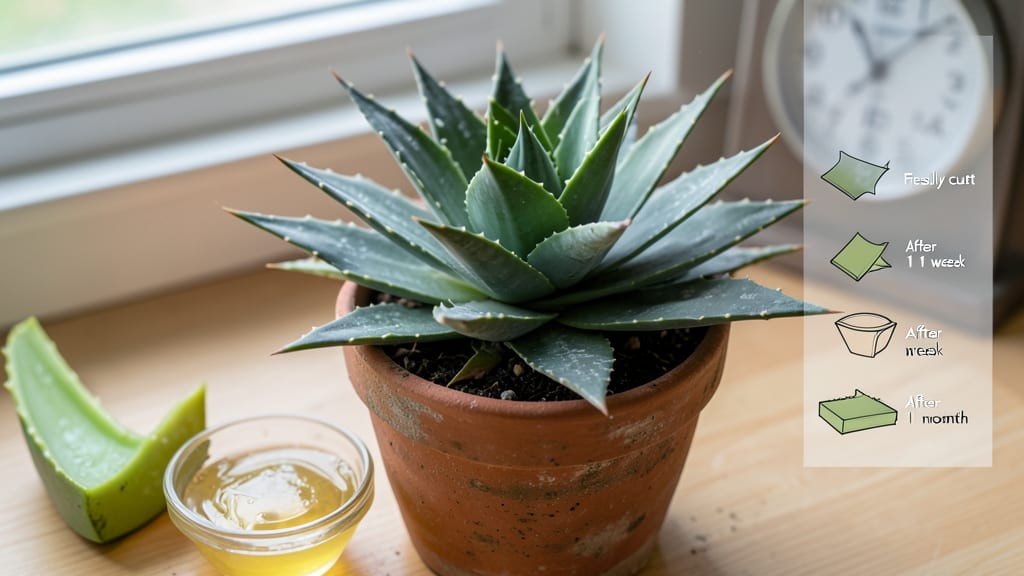
Knowing how long an aloe leaf lasts helps maximize its benefits—cut leaves stay fresh for 3–5 days at room temperature when stored upright, while refrigeration extends their life to up to 2 weeks. Whole aloe plants thrive indoors for months with proper care, and harvested gel in airtight containers keeps for 1–2 weeks refrigerated or 3–6 months frozen.
Aloe's shelf life hinges on moisture retention and temperature control. 🌱 When you cut a leaf, the exposed gel dries out quickly, which is why upright storage slows evaporation. Refrigeration works best for short-term use, but freezing is the gold standard for preserving aloe gel's soothing properties.
I've found that whole plants last longest because their natural protective layer stays intact, while processed gel degrades faster due to oxidation.
For best results, wrap cut leaves in damp paper towels before sealing in plastic bags. This mimics the humidity of their natural environment and prevents premature drying. If you're harvesting gel for long-term use, freeze it in ice cube trays—this makes portioning easy later on.
The key is minimizing air exposure, whether you're storing leaves or gel.
💡 In This Article
- Factors That Affect Aloe Leaf Shelf Life
- Best Storage Methods for Extending Aloe Leaf Freshness
Factors that affect aloe leaf shelf life
The shelf life of an aloe leaf depends heavily on its moisture content and natural protective layers. Whole leaves have a thick, waxy cuticle that acts like a barrier, reducing water loss and enzymatic activity that causes spoilage.
When you cut a leaf, this protective layer is broken, exposing the gel to air and accelerating dehydration. The gel itself contains enzymes like aloesin, which break down over time—especially when exposed to warmth or light, leading to browning or texture changes.
Temperature sensitivity is critical—aloe gel oxidizes faster at 75°F and above, which is why room-temperature storage shortens its lifespan to just 3–5 days.
Humidity plays a role too: dry air speeds up moisture loss, while high humidity (like in a sealed container with damp paper towels) can extend freshness.
For example, storing a cut leaf upright in a 60–70% humidity environment mimics its natural habitat and slows deterioration by about 30% compared to dry air.
Processing the leaf into gel further reduces shelf life because the gel's cellular structure is disrupted. Freshly extracted gel contains 99% water, making it highly perishable. Without proper sealing, it loses moisture and develops an off flavor within 24–48 hours.
This is why airtight containers are essential—they create a modified atmosphere that slows oxidation and microbial growth, similar to how vacuum-sealed packaging preserves other delicate foods like herbs or citrus.
Light exposure is another silent killer. Aloe gel contains vitamin C and other antioxidants that degrade when exposed to UV rays, causing discoloration and nutrient loss. Even indirect sunlight can reduce shelf life by 20–30%.
That’s why refrigeration works so well—dark, cool environments preserve aloe’s beneficial compounds longer. For long-term storage, freezing locks in freshness by halting enzymatic activity entirely, making it the best option for bulk harvests.
Consider this comparison: a whole aloe plant in a sunny window may last 6–12 months with minimal care, while a cut leaf stored at 70°F with low humidity might only last 2–3 days. The difference comes down to how much of the leaf’s natural defenses remain intact.
Even small changes, like wrapping a cut leaf in plastic wrap or storing it in the crisper drawer of your fridge, can double its usable life.
For gardeners, the takeaway is simple: handle aloe leaves gently after cutting, minimize air exposure, and control temperature and humidity. These factors work together to determine whether your aloe stays fresh for days or weeks. 🌿