
Plants
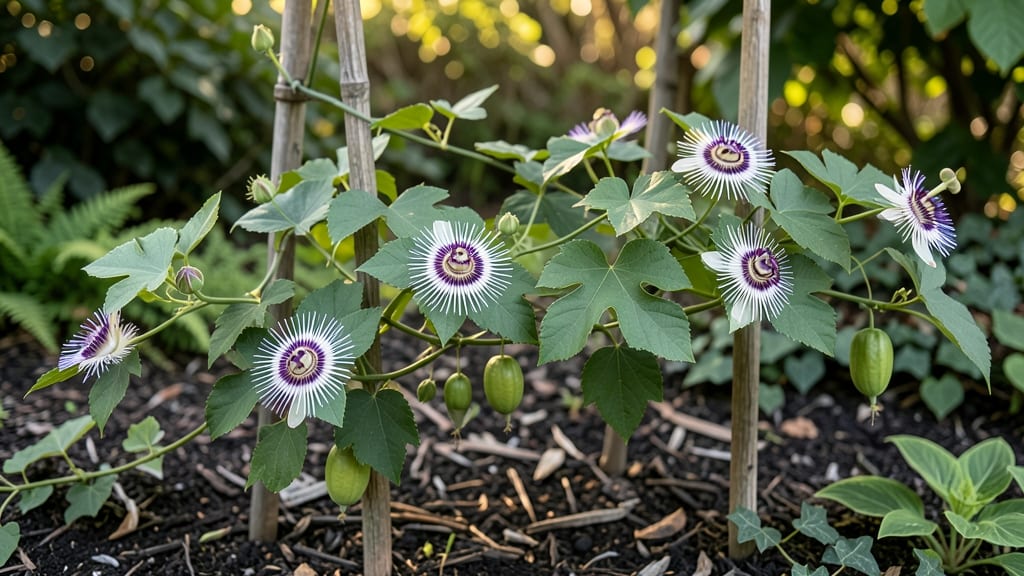
Your garden’s drama doesn’t need to end with summer—leaf and vine combos bring year-round visual impact with minimal effort. 🌿 I’ve turned my backyard into a living tapestry using fast-growing vines that climb trellises, spill over borders, and weave through shrubs, all while keeping maintenance simple.
The key? Matching textures—smooth leaves with fuzzy vines, glossy with matte—for contrast that pops in every season.
Think ivy’s deep green hugging a brick wall or clematis’ delicate blooms framing a patio arch. Morning glories add fleeting color, while evergreen vines like star jasmine provide structure. The best part?
You can mix heights—tall trellises for vertical drama, low borders for soft edges, or even container cascades for patios. Even in winter, the skeletons of vines create texture that’s far more interesting than bare branches.
What you’ll end up with is a garden that feels intentionally designed, not just planted. The foliage creates layers, the vines add movement, and the colors shift with the seasons—deep greens in summer, golden tones in fall, and silvery hues in winter.
It’s the kind of space that makes neighbors pause and ask, “How did you do that?”—and the answer is simple: let vines do the work.
Perfect for small spaces, urban balconies, or large yards—just adjust the scale. Fast growers like morning glories give quick privacy, while slower climbers like wisteria build character over years. Here’s how to weave them into your design without overcomplicating things.
📚 In This Guide
- What you need
- Instructions
- Tips and common mistakes
- Wrapping up and next steps
What you need
- ● Ready to bring leaf and vine drama to your garden year-round? Here’s everything you’ll need to get started—whether you’re a seasoned green thumb or a curious beginner! 🌿✨
- ● Pro tip: 💡 Start small—test a few plants in containers before committing to a full garden bed!
How to create a stunning year-round foliage display
Here's how to build a bold, ever-changing garden that thrives through every season.
🌿 Step 1: Select a Diverse Plant Palette
For year-round drama, mix plants with different textures, colors, and growth habits. I start with 4-5 foundation plants that provide structure—think ornamental grasses like fountain grass or variegated bamboo, plus evergreen shrubs like boxwood or holly. These stay reliable through winter while others change with the seasons.
Add 3-4 seasonal stars like heuchera for spring blooms and fiery fall foliage, coleus for summer's vibrant leaves, and winter jasmine for early spring color. The key is contrast: pair a deep purple plant with a silver one, or mix leathery leaves with fuzzy textures. I always include at least one climbing vine like clematis or star jasmine to add vertical interest and movement.
☀️ Step 2: Plan for Sunlight and Shelter
Most bold foliage plants need at least 6 hours of sunlight daily, but some—like heuchera or fuchsia—thrive in partial shade. Observe your space for 3-4 hours to track sunlight patterns. I mark the sunniest spots with stakes to visualize where to place sun-lovers, then fill shadier areas with hostas or astilbe that tolerate less light.
For year-round success, group plants with similar sunlight needs together. In colder climates, create windbreaks using evergreens or tall grasses to protect delicate foliage. I always place tender perennials like canna lilies near the foundation where they get morning sun but afternoon shade in summer.
🪴 Step 3: Prepare the Soil for Vibrant Growth
Bold foliage thrives in well-draining, nutrient-rich soil. I start by amending garden beds with 2-3 inches of compost and a handful of slow-release fertilizer (like 10-10-10) per square foot. For containers, use a lightweight potting mix with 20% perlite to prevent root rot in plants like coleus or impatiens that hate soggy roots.
Test your soil's pH—most foliage plants prefer slightly acidic to neutral (6.0-7.0). If your soil is heavy clay, mix in sand or coconut coir to improve drainage. I always add a layer of mulch (2-3 inches) after planting to retain moisture and keep roots cool in summer. Watch for leaf scorch on the edges—this signals either too much sun or dry soil.
💧 Step 4: Water Strategically for Lush Foliage
Watering bold foliage plants is all about consistency. Most need 1-1.5 inches of water weekly, but succulents like sedum or hen-and-chicks need far less. I water deeply in the early morning to reduce evaporation and fungal diseases. Check soil moisture by pushing your finger 1-2 inches deep—if it feels dry, it's time to water.
For container plants, water until water runs freely from the drainage holes. Let excess drain completely to prevent root rot. I group plants with similar water needs together to simplify care. Overwatering is the #1 killer of bold foliage—you'll see yellowing leaves or mushy stems as warning signs. If you notice these, cut back on watering and improve drainage immediately.
✂️ Step 5: Prune and Maintain Seasonal Drama
Pruning keeps your foliage display dense and vibrant. In early spring, trim back dead or damaged growth to encourage new shoots. For woody plants like ornamental grasses, cut back one-third of the oldest growth to make room for fresh growth. I always sterilize my pruners with rubbing alcohol to prevent spreading disease.
Throughout the year, deadhead spent blooms (even if they're not showy) to redirect energy to foliage. In late fall, cut back annuals and tender perennials to ground level, but leave evergreens and grasses standing for winter interest. Watch for pests like spider mites or aphids—bold foliage attracts them. Spray with neem oil at the first sign of trouble to protect your investment.
Tips & tricks for perfect year-round foliage displays
Here's what nobody tells you about keeping bold foliage thriving through every season.
Seasonal Plant Pairing: In Step 1, when selecting your foundation plants, consider how each plant performs in different seasons. For example, pair boxwood (evergreen) with heuchera (spring blooms) and coleus (summer color). This ensures you have visual interest year-round without gaps. I always sketch a quick seasonal color wheel to visualize transitions—spring greens fading into summer purples, then fiery fall reds.
Sunlight Mapping: The 6 hours of sunlight mentioned in Step 2 is a minimum, but real-world conditions vary. Use a simple app to track sunlight patterns in your space for 3-4 hours during the peak summer and winter months. You'll often find that sunlight shifts dramatically between seasons—what's full sun in summer might be partial shade in winter. This helps you place sun-loving plants like fountain grass in spots that get maximum winter sun.
Soil Testing: While the instructions recommend slightly acidic to neutral soil (6.0-7.0), I've found that many bold foliage plants actually thrive at the edges of this range. For example, heuchera loves slightly acidic soil (5.5-6.5), while boxwood prefers neutral to slightly alkaline (6.5-7.5). Test your soil and adjust with lime (to raise pH) or sulfur (to lower pH) if needed—this makes all the difference in plant health and color intensity.
Watering Watch: The 1-1.5 inches of water weekly guideline is perfect for most plants, but container plants need special attention. I've learned that containers dry out much faster, especially in summer. Check soil moisture every 2-3 days by pushing your finger 1-2 inches deep—if it's dry, water thoroughly until it runs from the drainage holes. This prevents the yellowing leaves and mushy stems mentioned in Step 4, which are classic signs of inconsistent watering.
Pro Tips for Leaf And Vine
- Here's what nobody tells you about keeping bold foliage thriving through every season.
- Seasonal Plant Pairing: In Step 1, when selecting your foundation plants, consider how each plant performs in different seasons.
- Sunlight Mapping: The 6 hours of sunlight mentioned in Step 2 is a minimum, but real-world conditions vary.
Frequently asked questions
What’s the best way to overwinter leaf and vine plants in cold climates?
Most leaf and vine plants (like Clematis or Hydrangea) need winter protection. Cut back dead foliage, mulch the base with 4–6 inches of straw or leaves, and wrap containers in bubble wrap or burlap. For tender varieties, dig up potted plants and store them in a garage or shed with temps above 30°F.
Can I prune leaf and vine plants at any time, or is there a best season?
Timing matters! Prune after flowering for most vines (like Wisteria or Passiflora) to encourage next year’s blooms. For evergreen foliage (e.g., Ivy), prune in late winter or early spring. Avoid heavy pruning in fall—it stimulates new growth that won’t harden off before winter.
What are some low-maintenance leaf and vine alternatives for busy gardeners?
Try these resilient picks: English Ivy (hardy and drought-tolerant), Climbing Hydrangea (lush foliage, minimal care), or Star Jasmine (fragrant, thrives in partial shade). For containers, Sweet Potato Vine or Creeping Fig offer bold color with almost no fuss!
How do I deal with pests like aphids or spider mites on my leaf and vine plants?
Start with a strong spray of water to knock off pests, then apply neem oil or insecticidal soap (follow label rates). For severe infestations, introduce beneficial insects like ladybugs. Keep plants healthy with balanced fertilizer—stressed vines attract more pests. Pro tip: Check undersides of leaves where pests love to hide!
Do leaf and vine plants need full sun, or can they handle shade?
It depends! Sun-lovers (e.g., Clematis, Passionflower) need 6+ hours of light. Shade-tolerant types (like Hoya or Philodendron) thrive with 4–6 hours. Observe your plant’s growth—yellowing leaves often mean too much sun, while sparse foliage signals low light. Adjust placement gradually to avoid shock.
Wrapping up and next steps
Transforming your garden into a year-round leaf and vine masterpiece is simpler than you think—and the rewards are stunning! From vibrant foliage to lush climbers, these bold plants bring drama, texture, and life to every season.
Whether you’re a seasoned gardener or just starting, the key is to embrace experimentation, protect your plants, and enjoy the process.
Ready to dive in? Start small—pick one or two leaf and vine stars to test in your space this week! Sketch a quick layout, gather your supplies, and let your garden’s personality shine. 🌿 Happy planting!