
Pruning
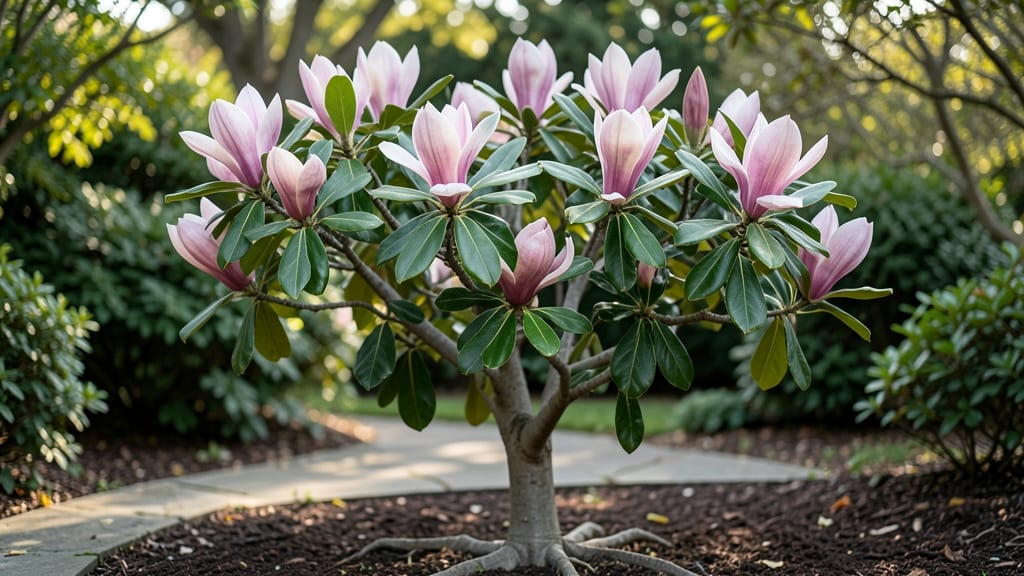
Growing a Japanese big leaf magnolia (Magnolia cordata) means adding a bold, evergreen statement to your landscape that thrives year-round. 🌿 I fell in love with this tree after seeing its thick, leathery leaves—deep green in summer and flushed with burgundy in winter—standing tall even in my zone 7 garden’s toughest winters.
The secret isn’t just its hardiness, though; it’s how it transforms your yard from a seasonal backdrop into a four-season focal point.
This magnolia loves partial shade to full sun but won’t scorch in hot afternoons like some varieties. Plant it in well-draining, slightly acidic soil (think leaf mold mixed with native dirt), and give it space—mature trees reach 20-30 feet with a spread of 15-20 feet.
The first year is critical: water deeply once a week during dry spells, and mulch heavily to protect roots from summer heat and winter freeze-thaw cycles.
Pruning isn’t just about shaping—it’s about airflow and light penetration. Cut back dead or crossing branches in late winter, and thin the canopy to let sunlight reach the center. You’ll see new growth within 4-6 weeks, and those glossy leaves will make your neighbors do a double-take.
The tree’s natural pyramid shape means minimal work once established, but a little attention early keeps it looking effortlessly elegant.
Common issues? Leaf spot from too much moisture or slow growth in poor soil. Fix it by improving drainage and feeding with slow-release fertilizer in early spring. In colder zones (5-6), protect young trees with burlap wraps during brutal winters.
With the right spot and care, this magnolia will outlive you—and still look stunning doing it.
📚 In This Guide
- What you need
- Instructions
- Tips and common mistakes
- Wrapping up and next steps
What you need
- ● Japanese Big Leaf Magnolia Tree (choose a healthy 1-3 gallon container-grown specimen for best results).
- ● Well-draining soil mix (compost + native soil + perlite, 3:2:1 ratio).
- ● Organic mulch (shredded bark or pine needles, 2-3 inches thick).
- ● Slow-release fertilizer (balanced 10-10-10 or acid-loving plant formula).
- ● Watering can or hose with gentle spray nozzle (to avoid damaging tender leaves).
- ● Sharp bypass pruners (for clean cuts on 1/4-inch stems).
- ● Loppers (for thicker branches, up to 1-inch diameter).
- ● Pruning saw (for larger branches over 1.5 inches).
- ● Disinfectant spray (70% isopropyl alcohol or pruning sealant).
- ● Gloves (gardening gloves to protect from thorns and sap).
- ● Soil pH test kit (ideal range: 5.0–6.0 for acid-loving magnolias).
- ● Epsom salt (for magnesium boost, 1 tbsp per gallon of water).
- ● Tree support stakes (if planting in windy areas).
- ● Mulch rings or landscape fabric (to keep mulch in place).
How to plant and care for Japanese big leaf Magnolia
This stunning evergreen thrives with the right conditions—let’s get your tree established for decades of bold foliage.
🌱 Step 1: Choose the Perfect Planting Site
Japanese big leaf magnolias (Magnolia salicifolia) need partial shade—think 3-6 hours of morning sun and dappled afternoon shade. Avoid harsh afternoon rays, which scorch their delicate leaves. I always check the site’s microclimate: a north-facing spot with nearby trees or a building’s east side works best.
Dig a hole twice as wide as the root ball but no deeper—this prevents water pooling around the roots. The top of the root ball should sit 1-2 inches above ground level to allow for settling. Amend the native soil with 3 inches of compost mixed into the bottom of the hole for better drainage and nutrient retention.
☀️ Step 2: Plant at the Right Time and Depth
Fall is ideal—plant 4-6 weeks before your first frost so roots establish before winter. If you must plant in spring, do it as soon as the ground thaws. Handle the root ball gently: if it’s wrapped in burlap, remove it but keep the roots intact. Place the tree in the hole and backfill with native soil, tamping lightly to eliminate air pockets.
Water deeply right after planting to settle the soil—1-2 gallons for a small tree. The soil should feel moist 6 inches down when checked with your finger. Mulch with 3 inches of organic mulch (like pine bark or shredded leaves), keeping it 6 inches away from the trunk to prevent rot.
💧 Step 3: Water Consistently for the First Year
Young magnolias need deep watering once a week during the first growing season, more often in extreme heat. You’ll know it’s time when the top 2 inches of soil feel dry—stick your finger in to check. Overwatering is worse than underwatering; soggy soil leads to root rot, and these trees hate wet feet.
After the first year, they’re more drought-tolerant but still appreciate monthly deep watering during dry spells. A mature tree’s roots extend 3-4 feet deep, so water slowly to encourage deep root growth. Drip irrigation or soaker hoses work best—they deliver moisture evenly without wetting the foliage.
✂️ Step 4: Prune for Shape and Health
Prune late winter or early spring (before new growth starts) to remove dead, crossing, or weak branches. Japanese big leaf magnolias have a natural, graceful shape, so minimal pruning is best. If you need to shape, cut back to just above a outward-facing bud—this encourages healthy regrowth.
Avoid heavy pruning; these trees respond poorly to aggressive cuts. Instead, focus on removing suckers (shoots at the base) and thinning crowded branches to improve airflow. Never prune in fall—new growth won’t harden off before winter, and frost damage follows.
🌿 Step 5: Fertilize for Long-Term Growth
Feed once in early spring with a balanced, slow-release fertilizer (like 10-10-10) spread 6 inches away from the trunk. Avoid high-nitrogen fertilizers—they promote leafy growth at the expense of flower buds. Work the fertilizer into the top 2 inches of soil and water deeply to activate it.
Mature trees rarely need extra fertilizer, but if leaves yellow or growth stalls, a light application in spring helps. Organic options like compost or worm castings work well too. Over-fertilizing causes salt buildup in the soil, which stresses roots—stick to the once-a-year rule unless you see clear deficiencies.
Tips & tricks for perfect Japanese big leaf Magnolia planting
Between us, these trees are divas—they demand respect but reward it with years of drama-worthy foliage. Here's what nobody tells you about making them thrive.
Location is Everything: That 3-6 hours of morning sun in Step 1 is non-negotiable. I learned this the hard way after watching a tree's leaves crisp under afternoon sun. Look for spots where the sun dapples through taller trees—think of it as their natural sunscreen. If you're unsure, test the site for a week before planting by observing how sunlight moves across the area at different times of day.
Root Ball Handling: When you're removing that burlap in Step 2, don't tear it off—peel it back gently like unwrapping a present. The roots are more delicate than they look, and damaging them can set your tree back months. After planting, give the root ball a good drink of water to help settle the soil around those fragile roots. This step is where most people go wrong without realizing it.
Mulch Like a Pro: That 3 inches of organic mulch in Step 2 isn't just decoration—it's insulation. Spread it in a donut shape, keeping it 6 inches away from the trunk to prevent rot. I like to use pine bark because it breaks down slowly and improves soil structure over time. Replenish it annually in late winter to maintain that protective layer through the growing season.
Watering Wisdom: The once-a-week deep watering in Step 3 is crucial, but timing matters too. Water in the morning so the foliage has all day to dry—wet leaves at night invite fungal problems. I use a rain gauge to track moisture levels because my soil stays damp longer than I expect. When you check that top 2 inches of soil, press firmly—it should feel moist but not soggy.
Pro Tips for Japanese Big Leaf Magnolia
- Between us, these trees are divas—they demand respect but reward it with years of drama-worthy foliage.
- Location is Everything: That 3-6 hours of morning sun in Step 1 is non-negotiable.
- Root Ball Handling: When you're removing that burlap in Step 2, don't tear it off—peel it back gently like unwrapping a present.
Frequently asked questions
Got questions about nurturing your Japanese Big Leaf Magnolia (Magnolia macrophylla)? You’re not alone!
This striking tree is a showstopper, but it does have its quirks. Below, we tackle the most common concerns—from pruning puzzles to placement predicaments—to help you keep your magnolia thriving with confidence.
Can I prune my Japanese Big Leaf Magnolia year-round, or are there specific times to avoid?
The best time to prune is late winter or early spring (just before new growth starts), but you can do light shaping in summer if needed. Avoid heavy pruning in fall—it stimulates tender growth that won’t survive winter. Pro tip: Never prune after mid-summer, or you risk stunted blooms next season.
Why are the leaves on my magnolia turning yellow or brown? Is it a disease, or am I overwatering?
Yellowing leaves often signal overwatering or poor drainage, while brown edges can mean underwatering or sunburn. Check the soil—it should stay slightly moist but never soggy. If leaves curl or fall prematurely, it might be magnolia scale (a pest). Treat with horticultural oil if confirmed.
How cold-hardy is this magnolia? Will it survive in Zone 5 winters?
Japanese Big Leaf Magnolia is hardy to USDA Zones 5-9, but young trees (under 5 years) need winter protection in colder climates. Mulch the base heavily and wrap the trunk with burlap if temps drop below 10°F. Established trees handle frost well, but avoid late-season pruning—it exposes tender wood to freeze damage.
Is this magnolia too large for my small yard? What are some compact alternatives?
Mature Japanese Big Leaf Magnolias reach 40–60 feet tall, so they’re best for spacious landscapes. For smaller yards, consider:
- Little Gem Southern Magnolia (20–25 ft, columnar shape)
- Yulan Magnolia (M. denudata) (15–20 ft, fragrant spring blooms)
- Jane Magnolia (M. × 'Jane') (10–15 ft, dwarf hybrid)
How do I prune dead branches without harming the tree’s health?
Use sterilized, sharp pruners to cut dead branches at the branch collar (the swollen area where the branch meets the trunk). Avoid leaving stubs—this invites disease. For large branches, make a 3-cut method to prevent bark tears. After pruning, seal cuts with pruning sealant only if the tree is diseased.
Bonus Tip: Should I fertilize my magnolia, and if so, when?
Feed in early spring with a balanced, slow-release fertilizer (10-10-10 ratio). Avoid high-nitrogen fertilizers—they promote leafy growth at the expense of flowers. Never fertilize in fall or winter, as this encourages late-season growth that won’t harden off for cold.
Wrapping up and next steps
The Japanese Big Leaf Magnolia (Magnolia obovata) is a stunning addition to any garden, offering year-round drama with its bold, glossy foliage and fragrant blooms. With the right care—including proper pruning, well-drained soil, and strategic sunlight—you can nurture this majestic tree into a thriving centerpiece. 🌿
Ready to transform your outdoor space? Start by assessing your tree’s needs, then take action—whether it’s pruning for shape, addressing pests, or simply admiring its natural beauty. Your garden’s next masterpiece is just a few steps away!