
Pruning
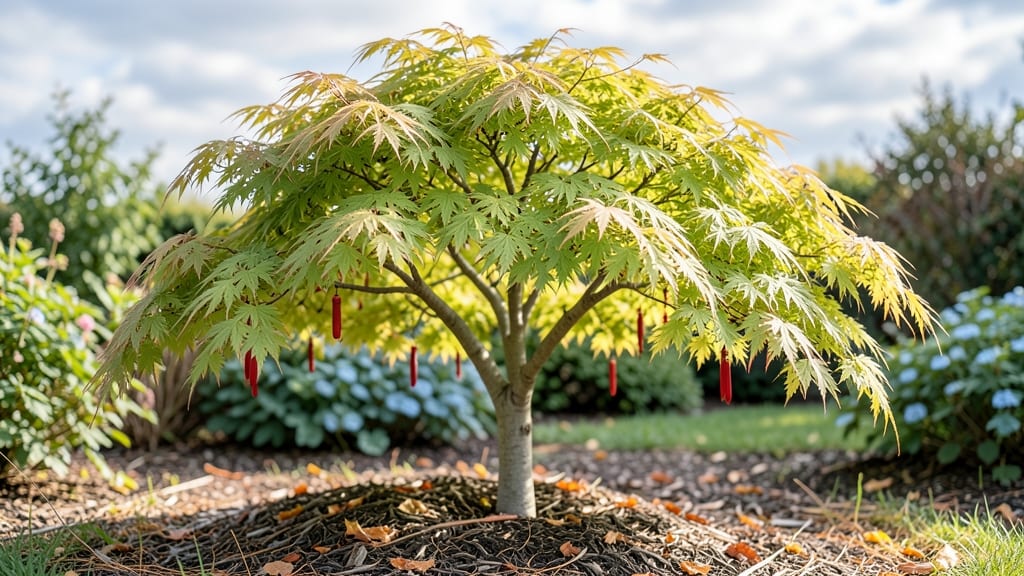
The lace leaf Japanese maple (Acer palmatum 'Dissectum') transforms any garden into a living watercolor painting. 🌿 Its delicate, fern-like foliage shimmers in every season, but the real magic happens when you prune it right—thinning branches in late winter reveals a canopy so lacy it looks like it belongs in a fairy tale.
This isn’t your average shrub. It thrives in partial shade, tolerates rocky soil, and even handles city pollution better than many plants. The key? Mimicking its natural habitat—moist, well-draining soil and protection from harsh afternoon sun.
Most people over-prune, stripping away its signature drama, but a few strategic cuts in early spring keeps it full and fluffy. By summer, you’ll have a tree that’s equal parts sculpture and shade—its leaves glowing like stained glass in morning light. The best part?
It stays compact enough for small yards but grand enough to anchor a landscape. Think of it as a living centerpiece that grows with your garden. For beginners, start with just one cut: remove any crossing branches in late winter.
Advanced gardeners can shape it like a bonsai, but even a hands-off approach yields stunning results. Let’s get those shears ready!
📚 In This Guide
- What you need
- Instructions
- Tips and common mistakes
- Wrapping up and next steps
What you need
- ● Pruning shears: Bypass pruners (sharp, clean, and sterilized—think of them as your maple’s tiny surgeon’s tools!). Quantity: 1 pair.
- ○ Loppers: For thicker branches (up to 2 inches in diameter). Quantity: 1 pair (optional if branches stay small).
- ● Hand pruners: For fine-tuning delicate lace leaves. Quantity: 1 pair.
- ● Disposable gloves: Nitrile or latex-free (to protect from sap and thorns). Quantity: 1–2 pairs.
- ● Pruning sealant: (e.g., Tanglefoot Tree Wound Pruning Seal) to coat cuts larger than ½ inch. Quantity: Small bottle.
- ● Ladder or stool: If your maple stands taller than 6 feet. Safety note: Use a stable, 3-legged ladder for balance.
- ● Bucket or tarp: To collect clippings (keep your workspace tidy!). Quantity: 1.
- ○ Sharpie or label maker: For marking branches to prune (optional but helpful for beginners).
- ● Extension pole saw: For high branches without a ladder.
- ● Hose with nozzle: To rinse tools and clean sap off leaves post-prune.
- ● Camera: Snap progress shots—your maple’s transformation is art!
- ● Fertilizer (balanced, slow-release): Apply after pruning to boost recovery (e.g., 10-10-10 NPK ratio).
- ● Mulch: Shredded bark or pine needles to retain moisture and protect roots.
Instructions for pruning lace leaf Japanese maple for year-round drama
This is how I keep my lace leaf Japanese maple looking stunning through every season—with minimal effort and maximum impact.
✂️ Step 1: Time Your First Pruning for Late Winter
Prune your lace leaf Japanese maple in late winter, just as new growth begins to swell but before buds break. This is usually 4-6 weeks before your last frost date—I check for tiny green buds at the branch tips. The goal is to shape the tree while it’s still dormant, which prevents stress and bleeding sap.
Start by removing any dead, damaged, or crossing branches first. These are easy to spot—they’re brown, brittle, or rubbing against other branches. Use clean, sharp pruning shears to make cuts at a 45-degree angle, about ¼ inch above a outward-facing bud. This ensures new growth emerges in the right direction.
☀️ Step 2: Thin Out for Better Airflow and Light
Next, focus on thinning the canopy to improve airflow and sunlight penetration. Look for branches that are growing inward or blocking light from reaching the center of the tree. Remove about 20-30% of the foliage in this step—you’ll see the difference in how vibrant the leaves look later in the season.
I like to step back every few cuts and imagine the tree from a distance. If you can see gaps where branches are too dense, that’s where you need to prune. Never remove more than ⅓ of the tree’s foliage in one season, or you’ll shock it. For lace leaf varieties, this thinning also helps preserve the delicate, lacy texture of the leaves.
🌿 Step 3: Shape and Refine During Early Summer
In early summer, after the tree has fully leafed out, do a light shaping prune. This is when you fine-tune the tree’s form—trim back any overly long or leggy branches to encourage bushier growth. Cut just above a leaf node or bud, and avoid leaving stubs. The goal is to maintain the tree’s natural shape while keeping it compact and full.
Pay special attention to the bottom of the tree. Many gardeners neglect the lower branches, which can make the tree look bare at the base. Trim back some of the lower growth to create a more balanced silhouette. You’ll notice the lace leaf texture becomes even more pronounced when the tree has good airflow and light.
⏰ Step 4: Light Maintenance Pruning in Fall
In fall, do a quick maintenance prune to remove any dead or diseased leaves and branches. This is also the time to tidy up any branches that have grown out of place during the summer. Avoid heavy pruning now—the tree is preparing for dormancy, and late cuts can stimulate new growth that won’t harden off before winter.
I also check for any suckers or water sprouts—these are fast-growing, vertical shoots that pop up at the base or along the trunk. Remove them immediately with a clean cut at the base. These suckers drain energy from the tree and disrupt its natural form. A little attention now keeps your lace leaf Japanese maple looking polished all winter long.
Tips & tricks for perfect lace leaf Japanese maple care
Here's what nobody tells you about keeping your lace leaf Japanese maple thriving through every season.
Timing is Everything: The late winter pruning window is your golden opportunity—aim for those 4-6 weeks before your last frost when buds begin to swell but haven't broken yet. I've learned this the hard way: pruning too early can shock the tree, while waiting too long risks sap bleeding. Check for those tiny green buds at branch tips—they're your cue. Confession: I skipped this step for years and wondered why my tree never looked its best.
The 20-30% Rule: When thinning in Step 2, remember that 20-30% foliage removal is your sweet spot for airflow and light penetration. I like to visualize the tree from 10 feet back—if I see dense clusters blocking light, that's where I focus. The lace leaf texture actually becomes more dramatic with proper thinning, but here's the thing: never exceed ⅓ of the foliage in one season or you'll stress the tree. I once removed too much and nearly lost a branch!
Summer Shaping Secrets: During your early summer shaping prune, pay special attention to the bottom third of the tree—this is where most gardeners fail. Trim back some of those lower branches to create a balanced silhouette. Pro tip: cut just above a leaf node or bud, and make clean cuts with sharp shears. I use a small notepad to mark branches I want to remove before I start—it keeps me organized and prevents over-pruning.
Fall Cleanup: Your light maintenance prune in fall isn't just about appearance—it's about preventing winter damage. Remove those suckers and water sprouts immediately with a clean cut at the base. I've found that even small suckers can drain significant energy from the tree. Also, avoid heavy pruning now—the tree needs to harden off before winter. Think of it as giving your tree a spa treatment before hibernation.
Pro Tips for Lace Leaf Japanese Maple
- Here's what nobody tells you about keeping your lace leaf Japanese maple thriving through every season.
- Timing is Everything: The late winter pruning window is your golden opportunity—aim for those 4-6 weeks before your last frost when buds begin to swell but haven't broken yet.
- The 20-30% Rule: When thinning in Step 2, remember that 20-30% foliage removal is your sweet spot for airflow and light penetration.
Frequently asked questions
Got questions about keeping your lace leaf Japanese maple stunning year-round? You’re in the right place! Here are answers to the most common queries—from pruning basics to troubleshooting—so you can enjoy that dreamy foliage drama without the guesswork.
When is the best time to prune my lace leaf Japanese maple?
The ideal window is late winter or early spring before new growth begins (February–March in most climates). This minimizes stress and lets you shape the tree while it’s dormant. Avoid pruning in fall—it can stimulate tender new growth that may not survive winter. For minor touch-ups, late summer (after 60% of leaves have dropped) works too!
How much can I trim without harming the tree?
For lace leaf Japanese maples, never remove more than 25% of the canopy in one season. These trees are sensitive to heavy pruning. Focus on selective thinning to improve airflow and light penetration. If you’re revamping an overgrown specimen, spread pruning over 2–3 years to avoid shock. Pro tip: Use sharp, sterilized tools to prevent disease!
Why are my lace leaf Japanese maple’s leaves turning brown or yellow?
Brown/yellow leaves often signal stress from over-pruning, underwatering, or environmental factors. Check these first:
- Pruning trauma: Did you cut too aggressively? Let the tree recover for a season.
- Drought: These trees hate dry soil. Water deeply 1–2x/week in summer (more in pots).
- Sunburn: Too much afternoon sun can scorch delicate lace leaves. Provide afternoon shade if needed.
- Fungal issues: Brown spots with yellow halos? Prune affected branches and treat with fungicide.
If the problem persists, consult a local arborist—they can diagnose pests or nutrient deficiencies.
Can I grow a lace leaf Japanese maple in a container?
Many growers start them in pots for urban gardens or patios. Use a well-draining mix (50% soil, 30% compost, 20% perlite) and a container at least 18” wide/deep. Repot every 2–3 years and never let roots circle. In winter, move pots to a protected spot (5°F+ tolerance, but avoid frost). Warning: Container-grown trees need more frequent watering!
Are there alternatives to lace leaf Japanese maples with similar foliage?
If you love the delicate, lace-like texture but want options, consider:
- Bloodgood Japanese Maple: Deep red foliage, more cold-hardy, but less fine-textured.
- Emperor I Japanese Maple: Bold purple leaves with a similar growth habit.
- Dwarf Fountain Japanese Maple: Compact, great for small spaces (but needs winter protection).
- Coral Bark Japanese Maple: Stunning red bark + green leaves (less about foliage, more about winter interest).
Pro tip: Visit a local nursery to compare textures and colors in person!
Wrapping up and next steps
The lace leaf Japanese maple is a stunning addition to any garden, offering delicate foliage and year-round visual interest—when cared for with the right pruning techniques.
By mastering when, how, and why to prune, you’ll keep its lace-like leaves vibrant and its structure balanced, ensuring it thrives for decades. 🌿
Ready to transform your outdoor space? Grab your pruners and give your lace leaf Japanese maple the love it deserves—start with a light trim in late winter and watch it flourish! For extra confidence, revisit the FAQs or consult a local arborist to tailor your approach.