
Plants
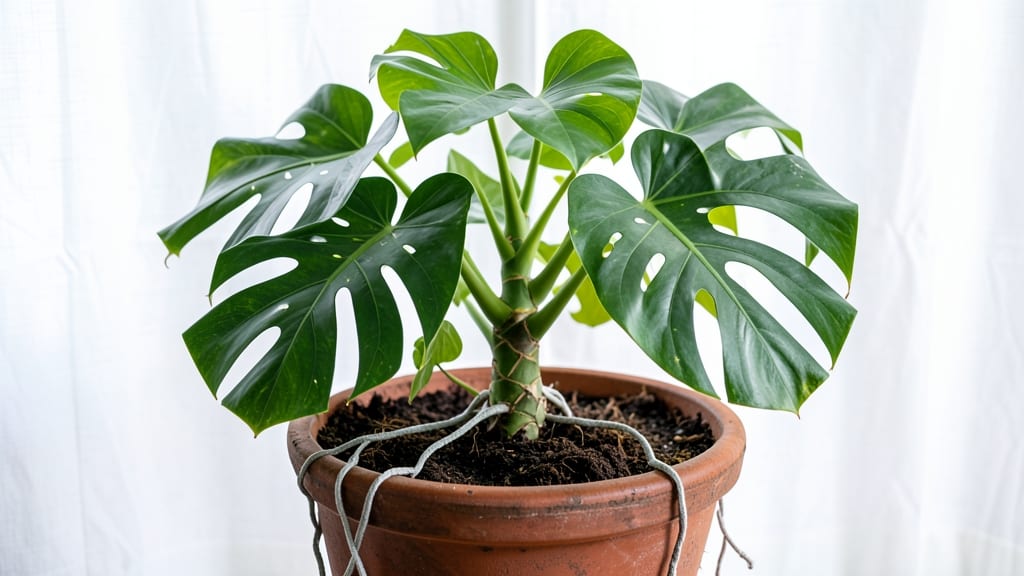
Growing a large round leaf plant transforms any corner into a lush, tropical retreat. 🌿 I've nurtured monstera, philodendron, and alocasia for years, and the secret lies in mimicking their natural jungle conditions—bright, indirect light, humid air, and soil that drains well enough to prevent root rot.
These plants don't just survive; they thrive, sending up dramatic foliage that feels like a piece of the rainforest in your home.
The biggest mistake beginners make is treating these plants like desert cacti. Too much sun scorches their leaves, while too little water causes them to droop dramatically.
My monstera now reaches 8 feet tall because I learned to water only when the top inch of soil feels dry and to rotate it weekly for even growth. The key is patience—these plants grow fast once they're happy, but they need consistent care to reach their full potential.
What you'll end up with is a statement plant that adds height, texture, and drama to any space. Imagine glossy alocasia leaves the size of your hand or monstera's iconic split leaves cascading from a hanging basket.
The air around them feels fresher too, thanks to their natural air-purifying qualities. Whether you're filling a shady corner or creating a jungle vibe in your living room, these plants deliver.
Works beautifully in containers, hanging baskets, or as focal points in larger spaces. The same care principles apply whether you're growing a single plant or building a whole collection. Let's get those leaves growing big and bold!
Root Causes Behind Leaf Problems
Understanding why your large-leafed plants develop issues—like yellowing, browning, or stunted growth—starts with identifying the root causes. These plants, often prized for their bold foliage (think Monstera deliciosa, Ficus lyrata, or Alocasia), thrive in specific conditions.
When those needs aren’t met, their leaves send distress signals. Let’s break down the science behind the most common culprits and how they disrupt your plant’s harmony.
Large-leafed plants store water in their thick, glossy leaves, but excess moisture can drown their roots. Here’s why it happens:
- Poor Drainage: Containers without drainage holes or heavy, clay-like soils trap water, suffocating roots.
Without oxygen, roots rot, and the plant can’t absorb nutrients—leading to yellowing leaves (a classic sign of edema or root decay). - Overzealous Watering: Even well-draining soil can become soggy if you water on a strict schedule without checking moisture levels.
Use your finger: Stick it 1–2 inches into the soil. If it’s damp, wait. - Humidity Mismatch: Tropical leafy plants (like Philodendron) love humidity, but stagnant water in saucers or trays creates a fungal buffet. Phytophthora and Pythium thrive in wet conditions, clogging roots and blocking water/nutrient flow.
💡 Pro Tip: Repot in a chunky, airy mix (add perlite or orchid bark) and elevate pots to prevent saucer sog. If roots smell like rot or look mushy, trim the affected areas with sterilized scissors and repot!
Large leaves are sun-catchers, but they’re also delicate. Light issues trigger two opposite problems:
- Burnt or Crispy Edges (Too Much Sun): Direct midday sun (especially in hot climates) causes photoxidative damage. Chlorophyll breaks down, leaving bleached or brown patches on leaves.
Variegated plants (like Calathea) are especially vulnerable—their white/pale areas lack protective pigments. - Why it happens: UV rays overwhelm the plant’s antioxidants, leading to cell death. Think of it like a sunburn on your skin, but for leaves.
- Leggy Growth or Pale Leaves (Too Little Light): Stretching toward light (etiolation) or chlorosis (yellowing between veins) occurs when plants don’t get enough low-to-moderate indirect light.
Large leaves rely on light diffusion—they can’t handle harsh shadows or north-facing windows in dim climates. - Why it happens: Without sufficient light, plants can’t photosynthesize efficiently, leading to weak stems and nutrient deficiencies (like iron or magnesium).
🌡️ Quick Fix: Rotate your plant weekly for even growth. For low light, supplement with a grow light (12–14 hours/day). If leaves are scorched, move to dappled shade (east-facing windows or sheer curtains).
Large leaves provide ample surface area for pathogens to latch on. Here’s how infections take hold:
| Symptom | Cause | Science Behind It |
|---|---|---|
| Black, Greasy Spots | Bacterial leaf spot (Xanthomonas) | Bacteria enter through leaf wounds (e.g., from rough handling) and multiply in humid conditions. They produce toxins that kill tissue. |
| Powdery White Fuzz | Powdery mildew (Erysiphe) | Fungal spores germinate in high humidity (70%+) and create a mycelial mat that blocks sunlight, starving the leaf. |
| Yellow Rings or Spots | Viruses (e.g., Tobacco Mosaic) | Transmitted by sap-sucking insects (aphids) or contaminated tools, viruses hijack the plant’s cells, disrupting chlorophyll production. |
🔥 Prevention: Space plants for airflow, avoid overhead watering (use a watering wand to mist undersides), and sterilize pruners with rubbing alcohol. Remove infected leaves immediately to stop spores from spreading.
Large-leafed plants hate extremes. Sudden temperature swings or drafts trigger physiological stress:
- Cold Drafts: AC vents, open windows, or chilly floors cause cold shock, leading to brown, water-soaked patches (especially on Calathea or Alocasia). Why?
Cold slows metabolic processes, and ice crystal formation in cells ruptures membranes. - Heat Stress: Temperatures above 90°F (32°C) for prolonged periods cause wilting or leaf curl.
High heat increases transpiration (water loss) faster than roots can replace it, leading to crispy edges. - Radiator or Heater Proximity: Dry, hot air desiccates leaves, causing them to turn brittle or papery. Large leaves lose moisture quickly due to their surface area.
✨ Solution: Keep plants 5–10 feet from drafts and away from heating/cooling sources. Use a thermometer to monitor temps—ideal range is 65–80°F (18–27°C). Mist leaves lightly in dry climates to boost humidity.
Large leaves are nutrient hogs. When soil lacks key elements, leaves develop tell-tale patterns:
- Yellow Between Veins (Iron/Manganese Deficiency): These micronutrients are crucial for chlorophyll. In alkaline soils (pH >7), iron becomes unavailable, even if present. Large leaves show symptoms first because they’re high-demand areas. - Purple Stems/Undersides (Phosphorus Deficiency): Phosphorus fuels energy transfer in plants.
Without it, growth stalls, and leaves develop anthocyanins (purple pigments) as a stress response. - Brown Leaf Tips (Potassium or Calcium Deficiency): Potassium regulates water balance; calcium strengthens cell walls. Brown, crispy tips indicate poor uptake due to compacted soil or overwatering (which leaches nutrients).
📊 Action Plan:
- Test your soil (DIY kits or lab analysis).
- Amend with organic matter: Compost or worm castings improve nutrient availability.
- Use a balanced fertilizer (like 10-10-10) diluted to half-strength every 4–6 weeks.
- For alkaline soil, add chelated iron or sulfur to lower pH gradually.
Quick Fixes for Leafy Troubles
When your large round-leafed beauty starts acting out—whether it’s wilting, yellowing, or struggling to thrive—don’t panic! Most issues have simple, actionable solutions. Below, we’ve mapped common problems to their fixes, so you can get your plant back to its lush, elegant self in no time. 🌿✨
Cause: Overwatering or underwatering stresses the plant, causing leaves to turn yellow or brown at the edges.
Fix:
- Check the soil: Stick your finger 1–2 inches deep. If it’s soggy, you’re overwatering. If dry, it’s time to hydrate.
- Adjust your watering routine: Large-leaved plants like Alocasia or Monstera prefer consistently moist but not waterlogged soil. Water when the top inch feels dry.
- Drainage is key: Ensure pots have holes, and use a well-draining mix (add perlite or orchid bark if needed).
Prevention Tip: 💡 Use a moisture meter or the "knuckle test" to avoid guesswork. Overwatering is the #1 killer—don’t let your plant sit in saucers of standing water!
Cause: Dry air (common indoors) or mineral buildup from tap water can crisp leaf edges.
Fix:
- Boost humidity: Place the pot on a tray of pebbles with water, or use a humidifier nearby. Misting helps temporarily but isn’t enough long-term.
- Flush the soil: Run water through the pot to leach out salts (especially if using tap water). Repeat monthly.
- Switch to distilled or filtered water if your tap water is hard.
Prevention Tip: 🌡️ Group plants together to create a microclimate—large leaves thrive in 60–80% humidity!
Cause: Roots bound in pots, sudden light changes, or underwatering can make leaves sag.
Fix:
- Repot if needed: If roots circle the pot or poke out of drainage holes, upgrade to a container 2 inches larger. Gently loosen roots before transplanting.
- Adjust light: Large-leaved plants often need bright, indirect light (east or north windows). Avoid harsh midday sun.
- Soak the roots: Place the pot in a basin of water for 10–15 minutes to revive underwatered plants.
Prevention Tip: ✨ Rotate the pot occasionally so all leaves get even light—prevents lopsided growth!
Cause: Tiny pests suck sap, causing stippled leaves or cottony residue.
Fix:
- Isolate the plant to prevent spreading.
- Wipe leaves with a damp cloth and neem oil solution (1 tsp neem oil + 1 quart water, spray weekly).
- Blast mites off with a strong stream of water (they hate it!).
- Introduce beneficial insects like ladybugs for long-term control.
Prevention Tip: 🔥 Inspect new plants before bringing them home—quarantine for a week to catch hitchhikers early!
Cause: Poor soil or lack of fertilizer slows growth.
Fix:
- Fertilize lightly during spring/summer with a balanced liquid fertilizer (dilute to half-strength).
- Use organic matter: Mix compost or worm castings into the soil for slow-release nutrients.
- Check pH: Large-leaved plants prefer slightly acidic soil (6.0–6.5). Test kits are cheap and easy to use.
Prevention Tip: 📊 Feed every 4–6 weeks in growing season, but skip winter—plants rest then!
Cause: Overwatering or poor airflow can lead to fungal infections like powdery mildew or leaf spot.
Fix:
- Trim infected leaves with sterilized scissors.
- Improve airflow by spacing plants apart or using a small fan (gently!).
- Apply fungicide: Use baking soda spray (1 tsp baking soda + 1 quart water + a drop of dish soap) or a copper-based fungicide.
Prevention Tip: ⏰ Water in the morning so leaves dry quickly—fungi love dampness!
Final Pro Tip: 🎯 Observe your plant daily! Catching issues early (like yellowing or pests) means quicker fixes. Keep a plant journal to track watering, light, and growth—it’s your secret weapon for success!
Frequently asked questions
Which popular houseplants have large round leaves?
Some stunning varieties include Monstera deliciosa (Swiss cheese plant), Ficus lyrata (fiddle-leaf fig), and Alocasia (elephant ear). These tropical beauties grow glossy, dramatic foliage that adds instant drama to any space. For smaller spaces, Philodendron varieties like 'Brazil' or 'Xanadu' also deliver big leaves with minimal effort.
How do I know if my plant needs more light?
Look for these signs: leaves stretching toward light (etiolation), pale or yellowing foliage, or slow growth. Place your plant near an east-facing window for gentle morning sun, or supplement with a grow light if natural light is limited. Rotate the pot weekly for even growth—this prevents lopsided development.
Can I grow these plants outdoors in my climate?
Most large-leafed tropicals thrive outdoors only in USDA zones 10-12 where temperatures stay above 50°F (10°C). For cooler climates, grow them as seasonal container plants on patios or balconies. Bring them indoors before first frost—these plants are tropical divas that hate cold drafts!
Why are my large leaves developing brown tips?
This usually means your plant is reacting to either low humidity or fluoride/chlorine buildup from tap water. Try these fixes: place the pot on a pebble tray with water, switch to distilled water, or mist leaves lightly daily. Flush the soil monthly to remove mineral buildup.
How often should I fertilize my large-leafed plant?
Feed with a balanced liquid fertilizer (like 10-10-10) every 4-6 weeks during spring and summer only. Dilute to half-strength to avoid burning roots. In winter, let the plant rest—no fertilizer needed! Always water thoroughly before applying fertilizer to prevent salt buildup.