
Planting
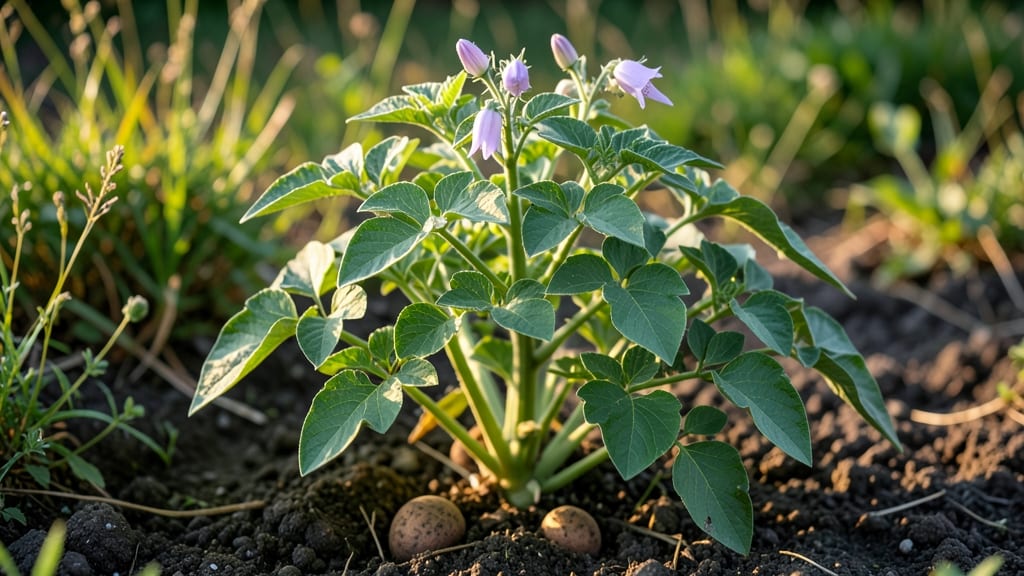
The five-point leaf plant (Tradescantia sillamontana) delivers jewel-toned foliage that turns shady corners into eye-catching displays—with almost no effort. 🌿 I’ve grown this plant for years, and its striking purple-black leaves with neon-pink centers never fail to impress, even in low-light spots where other plants struggle.
This plant thrives in partial to full shade, making it perfect for north-facing windows or under trees. It’s also forgiving about soil—just keep it well-draining, and water when the top inch feels dry.
The real magic happens when you propagate it: simply snip a stem, root it in water, and watch new plants grow in weeks. You’ll end up with lush, trailing vines that cascade beautifully in hanging baskets or climb trellises. The best part?
It’s pest-resistant and rarely needs fertilizing, so once established, it’s basically a maintenance-free showstopper. Whether you’re filling a dark corner or gifting cuttings to fellow plant lovers, this variety delivers drama without the fuss. Let’s get growing!
Root Causes Of Leaf Stress
Understanding why your five-point leaf plant (Pentas lanceolata) might be struggling starts with its roots—literally. This vibrant, drought-tolerant beauty thrives in specific conditions, and deviations can trigger stress, yellowing, or leaf drop. Let’s break down the key culprits behind its distress, so you can fix the issue fast.
💧 The silent killer of lush foliage.
Five-point leaf plants despise soggy roots. While they love humidity, their containers must have drainage holes to prevent waterlogging. Here’s why excess moisture is a problem:
- Oxygen Deprivation: Roots need air to breathe.
Compacted or waterlogged soil suffocates them, leading to root rot (a fungal infection that turns roots mushy and black). - Nutrient Lockout: Overwatering flushes away essential nutrients like nitrogen and potassium, starving the plant even if you’re fertilizing. - Pest Magnet: Stagnant soil attracts fungal gnats and root mealybugs, which weaken the plant’s defenses.
Actionable Fix:
- Test the soil before watering—stick your finger 1–2 inches deep. If it’s damp, wait.
- Use a well-draining mix (cactus/succulent blend + perlite).
- Elevate pots on pebbles or saucers to improve airflow.
🌵 When thirst takes over.
While five-point leaf plants are drought-resistant, prolonged dryness causes leaves to curl, wilt, or drop. Here’s the science:
- Plasma Membrane Damage: Cells lose turgor pressure (the "crunch" that keeps leaves perky) when dehydrated, leading to wilting and eventual leaf scorch.
- Nutrient Uptake Halt: Roots shrink under stress, reducing their ability to absorb water and minerals.
- Stress Signals: The plant triggers abscission (leaf drop) to conserve energy, thinking it’s dying.
Actionable Fix:
- Water deeply but infrequently—soak the soil until water drains from the bottom, then wait until the top inch is dry.
- Mulch lightly with bark or gravel to retain moisture.
- Group plants together to create a microclimate with higher humidity.
☀️ Too much or too little light throws off photosynthesis.
Five-point leaf plants crave bright, indirect light but can’t handle harsh midday sun or deep shade. Here’s how light stress shows up:
| Symptom | Cause | Solution |
|---|---|---|
| Bleached or crispy edges | Direct sun exposure (sunburn) | Move to filtered light (east/west window). |
| Leggy stems, sparse blooms | Low light starvation | Supplement with a grow light (12–14 hrs/day). |
| Yellowing leaves | Too much shade + overwatering | Rotate the pot weekly for even light exposure. |
Pro Tip: 🌡️ If leaves feel hot to the touch, they’re sunburned—immediate shade relief is needed!
🍽️ Too little or too much food = trouble.
This plant is low-maintenance but sensitive to fertilizer burns. Here’s how to spot the issue:
- Yellowing leaves (especially older ones): Nitrogen deficiency—roots can’t absorb enough due to poor soil or overwatering.
- Brown leaf tips or crunchy edges: Salt buildup from over-fertilizing, which disrupts water uptake.
- Stunted growth or pale foliage: Phosphorus/potassium imbalance—common in tap water or synthetic fertilizers.
Actionable Fix:
- Fertilize lightly (once every 6–8 weeks in spring/summer) with a balanced 10-10-10 or organic fish emulsion.
- Flush the soil every 3 months with water to remove salt buildup.
- Use rainwater or distilled water if your tap water is hard (high in minerals).
❄️🔥 Cold drafts and dry air are the plant’s kryptonite.
Five-point leaf plants hate sudden temperature swings or dry indoor air. Here’s how to keep them happy:
- Below 50°F (10°C): Growth stops, and leaves may drop.
Cold stress weakens cell walls, making them prone to rot. - Above 90°F (32°C): Leaves scorch from transpiration overload (losing water faster than roots can absorb). - Humidity below 40%: Leaves curl and crisp as they lose moisture through evaporation.
Actionable Fix:
- Keep in 60–75°F (15–24°C) ranges—avoid AC vents or drafty windows.
- Mist leaves 2–3 times weekly or use a pebble tray with water.
- Group with other plants to boost humidity naturally.
🐜 Tiny invaders steal nutrients and spread pathogens.
Common pests like aphids, spider mites, and mealybugs drain sap, causing:
- Sticky residue (honeydew) on leaves → sooty mold (black fungal growth).
- Webbing or white cottony spots → root or leaf damage.
- Wilting despite proper watering → vessel-blocking pests (e.g., scale insects).
Actionable Fix:
- Isolate the plant if you spot pests.
- Wipe leaves with neem oil solution (1 tsp neem + 1 quart water).
- Encourage beneficial insects (ladybugs, lacewings) by planting basil or marigolds nearby.
Quick Fixes for Common Leaf Issues
Reviving your five-point leaf plant (also called Pentas lanceolata) is easier than you think—most problems stem from simple care oversights. Below, we’ve mapped the most common issues to practical, step-by-step solutions, plus prevention tips to keep your plant thriving with minimal fuss.
Why it happens: Soggy soil or compacted roots cut off oxygen, causing leaves to turn yellow and wilt.
How to fix it:
- 🔥 Stop watering immediately – Let the top 1–2 inches of soil dry out before watering again.
- 🍳 Check the pot – If it lacks drainage holes, repot into a container with holes or add a layer of perlite to improve airflow.
- 👨🍳 Trim damaged leaves – Snip yellowing leaves at the base with clean scissors to redirect energy to healthy growth.
- ⏰ Monitor soil moisture – Stick your finger in the soil; if it’s damp past your first knuckle, wait longer before watering.
Prevention tip: 💡 Use a well-draining potting mix (like a 50/50 blend of peat moss and perlite) and avoid saucers that trap excess water.
Why it happens: Crispy brown tips signal thirst or dry air, common in indoor settings.
How to fix it:
- 🥘 Water thoroughly – Soak the soil until water drains from the bottom, then empty the saucer.
- 🌡️ Boost humidity – Place the pot on a tray of pebbles with water (ensure the pot isn’t sitting in water) or mist leaves lightly 2–3 times a week.
- 🎯 Adjust light – Move the plant to bright, indirect light (e.g., near an east or west window). Direct sun can scorch leaves.
Prevention tip: ✨ Group plants together to create a microclimate with higher humidity, or use a humidifier nearby.
Why it happens: Stretched-out stems and sparse leaves mean your plant is reaching for light.
How to fix it:
- 🔪 Prune back – Trim leggy stems by 1/3 to encourage bushier growth. Use clean pruners and snip just above a leaf node.
- 🌞 Rotate the plant – Turn it weekly so all sides get even light exposure.
- 💪 Supplement with grow lights – If natural light is limited, a 12-hour LED grow light 6–12 inches away can help.
Prevention tip: 🎯 Place your plant within 3–6 feet of a bright window (south-facing is ideal) or under artificial grow lights for 6–8 hours daily.
Why it happens: Dry air and stress attract pests like spider mites (tiny webs) or mealybugs (cottony clusters).
How to fix it:
- 🔥 Isolate the plant – Move it away from other houseplants to prevent spreading.
- 🍳 Blast pests off – Spray leaves with neem oil solution (1 tsp neem oil + 1 quart water + a drop of dish soap) or rub alcohol on a cotton swab for stubborn bugs.
- 👨🍳 Increase humidity – Pests thrive in dry conditions, so follow the humidity tips above.
Prevention tip: 💡 Inspect new plants before bringing them indoors and quarantine them for a week.
Why it happens: Overwatering or poor drainage leads to mushy, black roots that can’t absorb nutrients.
How to fix it:
- 🔪 Remove the plant – Gently take it out of the pot and rinse roots with water to wash away soil.
- 🍳 Trim rotten roots – Snip away black/mushy roots with sterilized scissors, leaving only firm, white roots.
- 👨🍳 Repot in fresh mix – Use a well-draining cactus/succulent mix and a pot with drainage holes.
- ⏰ Hold off on watering – Let the plant recover for 3–5 days before watering lightly.
Prevention tip: 🎯 Water only when the top 2 inches of soil are dry, and never let the plant sit in standing water.
Why it happens: Drooping or blackened leaves can signal cold drafts (below 50°F/10°C) or hot, dry air (above 90°F/32°C).
How to fix it:
- 🌡️ Move to a stable spot – Keep the plant away from AC vents, heaters, or drafty windows.
- 💪 Shield from extreme temps – Use a sheer curtain to filter harsh afternoon sun in summer or a heat mat in winter if needed.
- 🎯 Gradually acclimate – If moving outdoors, harden off the plant by placing it in shade for a few hours daily before full sun exposure.
Prevention tip: ✨ Ideal temps for Pentas are 60–80°F (15–27°C)—keep it in a consistent environment indoors.
Why it happens: Lack of nitrogen, iron, or magnesium causes weak growth or yellowing between veins.
How to fix it:
- 📊 Fertilize lightly – Use a balanced liquid fertilizer (10-10-10 or 20-20-20) diluted to half strength every 4–6 weeks in spring/summer.
- 🍳 Check soil pH – Pentas prefer slightly acidic to neutral soil (6.0–7.0). Test with a kit and amend with lime (to raise pH) or peat moss (to lower pH) if needed.
- 💪 Boost iron – If leaves are yellow with green veins, sprinkle iron chelate on the soil and water lightly.
Prevention tip: 🎯 Feed sparingly—over-fertilizing burns roots. Flush the soil every 3 months with water to remove salt buildup.
If your plant is severely stressed (drooping, no new growth, or widespread damage), try this 3-step reset: 1. 🔪 Prune back – Cut 1/3 of the plant to remove damaged growth and encourage fresh shoots.
- 🍳 Repot in fresh soil – Use a light, airy mix and a pot 1 size larger (not too big—this encourages rot).
- 💪 Adjust care – Water only when dry, place in bright, indirect light, and skip fertilizer for 4–6 weeks to let it recover.
Remember: Most issues are reversible with quick action! 🌟 Your five-point leaf plant is tough—give it the right conditions, and it’ll bounce back with vibrant blooms in no time.
Frequently asked questions about five point leaf plants
What’s the best way to propagate my five-point leaf plant?
The easiest method is stem cuttings! Snip a healthy stem just below a leaf node, remove the lower leaves, and place it in water or moist soil. Roots will form in 2-3 weeks. For faster results, use a rooting hormone. Once roots are 1-2 inches long, transplant to soil.
Can I grow this plant outdoors in my climate?
Yes, but it thrives in USDA zones 9-11 as a perennial. In cooler areas, treat it as an annual or bring it indoors before 50°F (10°C) temps. It loves partial shade and well-draining soil—perfect for containers or garden beds with afternoon shade.
Why are my leaves turning yellow?
Yellowing usually means overwatering or nutrient deficiency. Let the top 1-2 inches of soil dry between waterings, and fertilize lightly with a balanced 10-10-10 mix every 6-8 weeks in spring/summer. Yellowing with green veins? It’s likely iron deficiency—try iron chelate.
How do I keep my five-point leaf plant bushier?
Prune leggy stems by cutting back 1/3 of the plant to encourage branching. Pinch new growth tips to promote fuller growth, and rotate the pot weekly for even light exposure. A grow light (12 hours/day) helps if natural light is dim.
Are five-point leaf plants toxic to pets?
No, this plant is non-toxic to cats and dogs! Unlike many houseplants, it’s safe for curious pets. However, always monitor your pet’s reaction after ingestion, as individual sensitivities vary.