
Leaf Blower
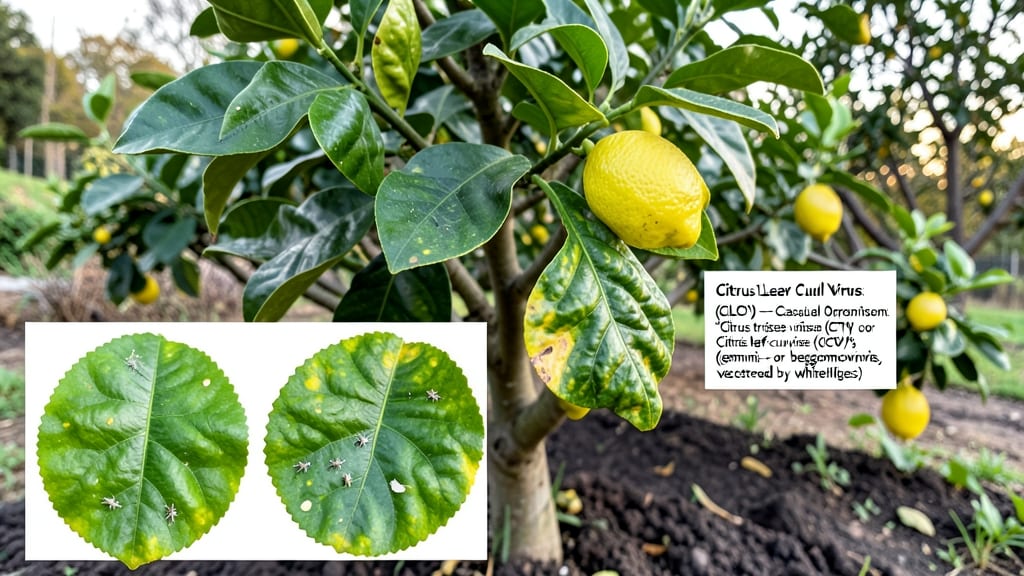
That crinkled, yellowing leaf on your lemon tree isn’t just bad luck—it’s Citrus Leaf Curl, and the causal organism behind it is often a stubborn bacterial infection or virus hiding in your grove. 🌿 I’ve watched this disease turn vibrant citrus into skeletal shadows, but copper sprays can stop it fast when you act early.
The key? Recognizing the signs before the tree’s health spirals beyond repair.
Symptoms start with twisted, puckered leaves and stunted growth—classic red flags that mean the infection’s already spread. The real villain? Tiny psyllids or root-borne bacteria that slip past even careful gardeners.
Copper sprays disrupt the fungal/bacterial life cycle, but timing matters: apply when new growth emerges, and repeat every 2-3 weeks for full protection. Prune infected branches immediately to contain it.
You’ll see leaves firm up within 7-10 days of treatment if you catch it early. The copper doesn’t just kill the pathogen—it strengthens the tree’s defenses too.
Combine it with psyllid traps and you’ll break the cycle for good. The payoff? Healthy foliage, bigger fruit, and a tree that stays productive for years.
Works for all citrus—limes, oranges, even Meyer lemons—but skip copper if your tree’s already stressed. For severe cases, systemic insecticides target the psyllid vectors. Prevention? Monitor leaves weekly and quarantine new plants. Fast action is your best tool.
The Hidden Triggers Behind Citrus Leaf Curl
Citrus leaf curl isn’t just a random plant quirk—it’s a systematic response to specific stressors, primarily driven by a Citrus tristeza virus (CTV) or Citrus leaf curl virus (CiLCV), often spread by infected plant material or sap-sucking insects.
Understanding these causes is key to preventing outbreaks and protecting your grove. Let’s break down the real culprits behind this stubborn disease.
The most direct cause of citrus leaf curl is infection by Citrus tristeza virus (CTV) or Citrus leaf curl virus (CiLCV), both of which belong to the closterovirus and geminivirus families, respectively.
These viruses are not treatable—once a plant is infected, it stays infected for life. However, their spread can be controlled.
- CTV (Citrus Tristeza Virus):
- Transmitted via grafting (using infected scions or rootstock) or aphids feeding on infected plants.
- Symptoms include leaf curling, yellowing, and stunted growth, often leading to tree decline or even death in severe cases.
- Actionable fix: Remove and destroy infected trees immediately to prevent aphid spread.
- CiLCV (Citrus Leaf Curl Virus):
- Spread through whiteflies (a common pest in citrus-growing regions) or contaminated pruning tools.
- Causes thickened, curled leaves and reduced fruit yield, making trees look stressed even in healthy soil.
- Actionable fix: Use yellow sticky traps to monitor whitefly populations and apply neem oil or insecticidal soap as a preventive measure.
💡 Pro Tip: Always sterilize pruning tools with 70% isopropyl alcohol between cuts to avoid mechanical transmission of viruses.
Viruses like CTV and CiLCV don’t fly or swim—they hitch rides on insects. These sap-sucking pests pierce plant cells, injecting saliva that can carry viral particles into healthy tissue. The two biggest offenders?
| Insect | How It Spreads the Virus | Prevention Methods |
|---|---|---|
| Aphids (greenfly, blackfly) | Feed on phloem sap, transmitting CTV in 30 minutes or less of feeding. |
|
| Whiteflies (especially Bemisia tabaci) | Transmit CiLCV while feeding; heavy infestations worsen symptoms. |
|
⚠️ Warning: Infected nursery stock is a major source of virus introduction. Always buy certified disease-free trees from reputable suppliers.
Even if your trees aren’t directly infected, contaminated tools, soil, or plant debris can harbor viruses and spread them to healthy plants. Here’s how:
- Pruning tools:
- Infected sap can remain on blades, transferring viruses to new cuts.
- Fix: Clean tools with bleach (1 part bleach to 9 parts water) or rubbing alcohol between uses.
- Infected plant debris:
- Leaves, branches, or fruit from infected trees can release viruses into the soil for years.
- Fix: Remove and burn (or compost at high heat) all plant waste from infected areas.
- Contaminated soil:
- Viruses can persist in root zones or irrigation water if infected plants were previously grown there.
- Fix: Solarize soil (cover with clear plastic for 4–6 weeks) or plant cover crops like mustard to suppress pathogens.
🔥 Hot Tip: If you’re replanting in a previously infected area, rotate crops for at least 3–5 years to break the virus cycle.
While viruses are the primary cause, citrus trees under stress are far more susceptible to infection. Common stressors include:
- Extreme temperatures:
- Cold snaps or heatwaves damage cell walls, making it easier for viruses to invade.
- Fix: Use mulch to regulate soil temp and shade cloth in scorching climates.
- Nutrient deficiencies:
- Low nitrogen, zinc, or magnesium weakens the tree’s immune response.
- Fix: Conduct a soil test and amend with balanced citrus fertilizer (e.g., 6-6-6 NPK).
- Water stress:
- Over- or under-watering disrupts nutrient uptake, leaving trees vulnerable.
- Fix: Water deeply 1–2 times per week (adjust for climate) and ensure proper drainage.
✨ Expert Insight: Healthy trees resist infection better. A copper spray protocol (like the one in this article) can boost fungal resistance and reduce secondary infections that worsen viral symptoms.
Fixing Citrus Leaf Curl Fast
Citrus leaf curl can feel like a hopeless battle, but with the right approach, you can revive your trees and prevent future outbreaks. The key is acting quickly and targeting the root causes—whether fungal spores, viral infections, or pest damage.
Below, we break down practical solutions for each trigger, from organic fixes to chemical interventions, plus prevention tips to keep your citrus grove healthy.
If the causal organism is a fungus (like Xanthomonas axonopodis), copper-based sprays are your best defense. These disrupt fungal cell walls and stop spores from spreading.
🔥 Step-by-Step Copper Spray Protocol
- Choose the Right Copper Product
- Use copper hydroxide (like Kocide 3000) or copper sulfate pentahydrate (Bordeaux mixture).
- Avoid copper sulfate alone—it can burn leaves at high concentrations.
- Mix the Solution Properly
- Follow label instructions (typically 1–2 lbs per 100 gallons of water).
- For severe cases, add 1 tsp of horticultural oil to improve adhesion.
- Apply at the Right Time
- Best timing: Early morning or late afternoon (avoid direct sunlight).
- Frequency: Spray every 7–14 days until new growth appears healthy.
- Coverage: Focus on undersides of leaves, buds, and new shoots—where spores hide.
- Safety First!
- Wear gloves, long sleeves, and goggles—copper can irritate skin.
- Avoid spraying when bees are active (copper harms pollinators).
💡 Pro Tip: If your tree is already heavily curled, prune infected leaves after spraying to reduce spore loads.
If aphids, psyllids, or scale insects are spreading the virus (like Citrus Greening), you need to eliminate them fast.
👨🍳 Organic & Chemical Controls
| Pest | Solution | How to Apply |
|---|---|---|
| Aphids | Neem oil (1%) + insecticidal soap | Spray every 5–7 days until gone. |
| Psyllids | Systemic insecticide (e.g., Imidacloprid) | Soil drench before blooming season. |
| Scale | Horticultural oil (dormant season) | Apply when temps are below 85°F. |
🔥 For severe infestations: Use pyrethrin-based sprays (like PyGanic)—but rotate with other methods to avoid resistance.
If a virus (like Citrus Tristeza or Cachexia) is the culprit, there’s no cure—but you can slow progression and protect other trees.
🌡️ What Works (and What Doesn’t)
✅
- Remove infected trees (burn or bury them—do not compost!).
- Disinfect tools with 70% rubbing alcohol between cuts.
- Use resistant rootstocks (e.g., Citrus reticulata hybrids) for new plantings.
❌ DON’T:
- Prune during wet weather (spreads spores/viruses).
- Plant citrus near infected trees (viruses spread via grafting tools or sap-sucking pests).
🎯 Prevention is key: If your area has known viral outbreaks, quarantine new plants for 30 days before introducing them to your grove.
The best "treatment" is stopping the problem before it starts. Here’s how:
- ✨ Sanitation: Remove fallen leaves/debris (where fungi/viruses lurk).
- 💧 Water Wisely: Avoid overhead irrigation (keeps leaves damp, inviting fungi).
- 🌡️ Monitor Temps: Fungi thrive in 75–85°F—improve airflow with pruning.
- 🍊 Soil Health: Test for nutrient deficiencies (weak trees get sick faster).
- 🔄 Crop Rotation: If growing other plants, avoid replanting citrus in the same spot for 3+ years.
Final Thought: Citrus leaf curl is manageable—but speed matters. Start with copper sprays for fungi, pest controls for vectors, and prevention for viruses. With consistent care, your trees can bounce back and stay healthy for years!
🚀 Need a quick fix? Try copper + neem oil combo sprays—it tackles both fungi and pests in one go.
Frequently asked questions about Citrus leaf curl
What are the most common causal organisms behind citrus leaf curl?
The primary culprits are Citrus tristeza virus (CTV) and Citrus leaf curl virus (CiLCV), but fungal infections like Xanthomonas axonopodis can also cause similar symptoms. Viruses spread through infected plant material or sap-sucking insects like aphids and whiteflies, while fungi thrive in damp conditions.
How can I tell if my tree has a viral infection vs. fungal leaf curl?
Viral infections (CTV/CiLCV) cause thickened, puckered leaves and stunted growth, while fungal leaf curl often shows yellowing between leaf veins and water-soaked spots. Test with a copper spray—if symptoms improve, it’s likely fungal; if not, it’s probably viral.
Can copper sprays cure a viral citrus leaf curl infection?
No, copper sprays won’t cure viruses—they only work against fungal infections. For viral cases, focus on removing infected trees, sterilizing tools, and controlling insect vectors like psyllids. Copper can still help prevent secondary fungal infections that worsen symptoms.
What’s the best way to prevent citrus leaf curl in my grove?
Start with certified disease-free nursery stock, sterilize pruning tools between cuts, and monitor for insect vectors like aphids. Apply neem oil or horticultural oil sprays every 2-3 weeks during growing season, and remove fallen leaves to break the disease cycle.
Will my citrus tree recover if I treat leaf curl early?
Early treatment with copper sprays (for fungi) or pest control (for viruses) can stop symptom progression and allow new growth to emerge healthy. However, virally infected trees never fully recover—they’ll always be carriers, so focus on containing the spread to other plants.