
Trees
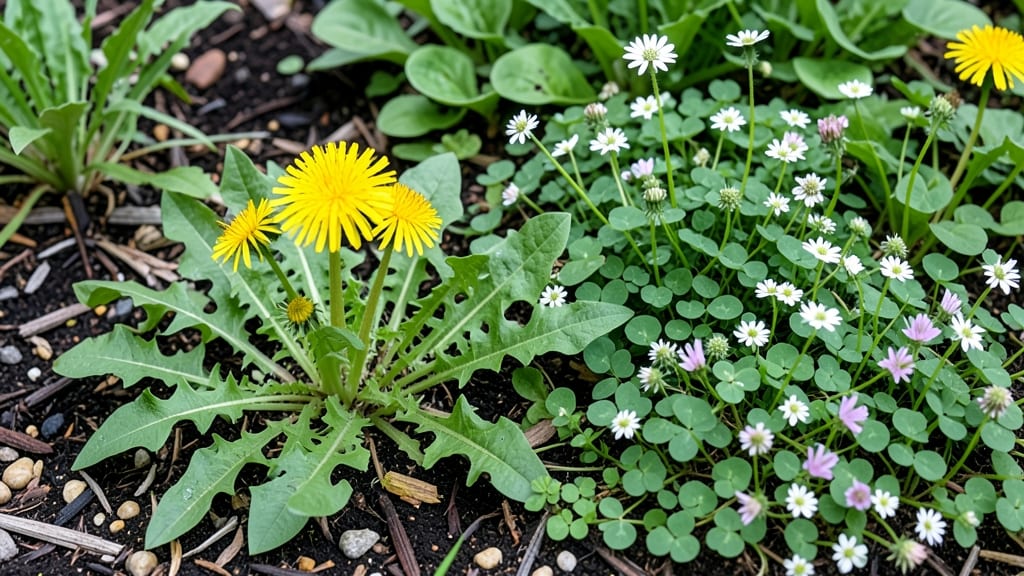
Spotting broadleaf weeds in pictures saves you hours of weeding. 🌱 These invasive plants—like dandelions, chickweed, and clover—sneak into lawns and gardens, stealing nutrients and crowding out your prized plants.
The key to fast removal starts with knowing exactly what you're looking at, because a quick glance at leaf shape or growth pattern tells you whether to yank or admire.
Most gardeners I know waste time pulling the wrong plants, only to realize later it was a beneficial ground cover or a desirable wildflower. That’s why this guide focuses on distinctive traits: lobed leaves, serrated edges, or how the plant spreads.
For example, dandelions have jagged leaves and a milky sap, while clover forms low, dense mats with three leaflets—no stem in the middle. Once you recognize these patterns, you’ll spot them instantly and remove them before they take over.
What you’ll get is a clear, visual roadmap to identify and eliminate these weeds efficiently. No more guessing or wasting energy on the wrong plants—just a quick scan, a confident pull, and a garden that stays lush and productive.
The best part? You’ll recognize them so fast, you’ll start spotting them before they become a problem.
Works for lawns, flower beds, and vegetable patches alike. Whether you’re dealing with a small patch or a full yard, these visual clues make removal quick and frustration-free. Let’s get those weeds out for good.
Root Causes of Broadleaf Weed Spread
Broadleaf weeds don’t just pop up out of nowhere—they thrive because of specific conditions that favor their growth over desirable plants. Understanding these triggers helps you prevent them before they take over. Here’s why these pesky invaders become so dominant in lawns, gardens, and landscapes.
Broadleaf weeds like dandelions, clover, and chickweed often dominate because they’re opportunistic. They exploit weak soil by taking advantage of:
- Low organic matter: Healthy soil rich in compost or decomposed plant material supports strong grass roots, outcompeting weeds. When soil is depleted, weeds fill the gap.
- Compacted or clay-heavy soil: Compacted layers restrict water and nutrient flow, stunting grass while weeds (with shallow, fibrous roots) thrive in the topsoil.
- Imbalanced pH: Most weeds prefer slightly acidic to neutral soil (pH 6.0–7.0). If your lawn’s pH is <6.0 (too acidic) or >7.5 (too alkaline), broadleaf weeds like plantain or oxalis gain an edge.
💡 Pro Tip: Test your soil’s pH and organic content with a simple kit. Amend with compost or sulfur (for alkaline soil) to create a hostile environment for weeds.
Broadleaf weeds are masters of light and moisture exploitation. They outcompete grass in conditions where turf struggles:
- Shady or thin lawns: Grass like Kentucky bluegrass needs 6+ hours of sunlight daily. In shady spots, weeds like creeping Charlie or ground ivy (Glechoma hederacea) thrive because they tolerate low light.
- Overwatering: Weeds like chickweed and henbit love moist soil. Frequent light watering (e.g., daily sprinklers) keeps the top layer damp, encouraging weed seeds to germinate.
- Poor drainage: Areas where water pools after rain create soggy zones where weeds like smartweed or sedges dominate.
🌡️ Actionable Fix:
- Thin out dense tree canopies to improve sunlight.
- Water deeply 2–3 times per week (early morning) to encourage deep grass roots.
- Install a French drain or sand topdressing for waterlogged spots.
Weeds don’t just invade—they replace struggling plants. Common neglect factors include:
- Lack of fertilization: Grass needs nitrogen (N), phosphorus (P), and potassium (K) to grow thick. Without it, weeds like crabgrass or purslane fill the gaps.
- Irregular mowing: Tall grass shades the soil, creating a microclimate where weed seeds germinate. Mowing at 3–4 inches blocks sunlight and disrupts weed life cycles.
- No pre-emergent treatment: Many broadleaf weeds (e.g., henbit, speedwell) germinate in early spring or fall. Without a pre-emergent herbicide, they establish before you can react.
- Organic debris buildup: Leaves, grass clippings, or mulch can smother grass and create a seedbed for weeds like lamb’s quarters.
✨ Prevention Hack: Apply a slow-release fertilizer in early spring and reapply in fall. Mow weekly (never removing >⅓ of the blade) to weaken weeds.
Broadleaf weeds are prolific spreaders. Their survival tactics include:
- Wind-dispersed seeds: Dandelions and plantains release seeds on the wind, traveling up to 5 miles from the parent plant.
- Animal-assisted transport: Weeds like burdock or milkweed hitch rides on clothing, pets, or wildlife.
- Deep root systems: Some weeds (e.g., Canada thistle) produce roots up to 20 feet deep, making them nearly impossible to eradicate without systemic herbicides.
- Rapid germination: Many broadleaf weeds sprout within 3–7 days of moisture, outpacing grass recovery.
🎯 Defense Plan:
- Remove weeds before they flower (use gloves and a weed puller).
- Sanitize tools between uses to avoid spreading seeds.
- Apply post-emergent herbicides (like 2,4-D) when weeds are actively growing.
By addressing these root causes—soil health, sunlight, maintenance, and seed control—you can starve broadleaf weeds out before they become a full-blown infestation. Next up: How to identify the most common offenders with our visual ID guide.
Quick Fixes for Stubborn Broadleaf Weeds
Broadleaf weeds can turn your garden into a wild jungle if left unchecked—but with the right approach, you can reclaim your space fast.
Below are targeted solutions for common causes of broadleaf weed infestations, from overcrowding to poor soil health, along with prevention tips to keep them at bay for good.
Cause: Dense plantings or thick mulch trap moisture, giving weeds the perfect breeding ground.
How to Fix It:
- 🔥 Thinning Out Plants: Prune overgrown shrubs, trees, or perennials to improve airflow. Weeds thrive in shaded, humid spots—let sunlight reach the soil.
- 🍳 Adjust Mulch Depth: If using mulch, keep it 2–4 inches thick (never pile against tree trunks). Organic mulch (like wood chips) breaks down over time, so refresh it annually.
- 👨🍳 Hand-Pulling Strategy: On dry days, grasp weeds at the base (where the root meets the soil) and wiggle them free. A weed puller tool (or even a butter knife) helps loosen stubborn roots.
Prevention Tip: 💡 Aerate compacted soil in spring or fall to reduce weed seeds’ ability to sprout. A core aerator pulls small soil plugs, letting air and water penetrate deeper.
Cause: Wind, water, and wildlife (like birds or squirrels) scatter weed seeds far and wide.
How to Fix It:
- 🌡️ Mow High and Often: Set your lawnmower to 3–4 inches to block sunlight from reaching weed seeds. Bag clippings to prevent reseeding.
- 🎯 Pre-Emergent Herbicides (Timing Matters!):
- Apply pre-emergent in early spring (before weeds sprout) to create a chemical barrier.
- For post-emergent control (after weeds appear), use selective herbicides like 2,4-D (for broadleaf weeds only) or glyphosate (for total kill—use carefully!).
- ✨ Soil Solarization (For Extreme Cases): In hot climates, cover weed-infested soil with clear plastic for 4–6 weeks. The sun bakes seeds and roots to death.
Prevention Tip: 🔥 Clean tools and shoes after working in infested areas to avoid spreading seeds to new spots. A quick rinse with soapy water removes hidden hitchhikers!
Cause: Overwatering or poor drainage creates soggy soil, perfect for weeds like dandelions, plantain, or chickweed.
How to Fix It:
- 🔪 Improve Drainage:
- Amend clay-heavy soil with compost or sand to help water drain faster.
- For garden beds, create raised beds or install French drains if water pools.
- ⏰ Water Deeply but Less Often: Deep watering (1–2 inches per week) encourages grass roots to grow deep, outcompeting weeds.
- 🌿 Replace Weedy Areas: If a spot is consistently soggy, swap it for native ground covers (like creeping thyme or clover) that tolerate wet conditions.
Prevention Tip: 🌡️ Test your soil’s moisture before watering—stick your finger 1 inch deep. If it’s damp, wait! Overwatering is the #1 weed invitation.
Cause: You prefer chemical-free solutions but still battle weeds like clover, oxalis, or lamb’s quarters.
How to Fix It:
- 🍳 Boiling Water or Vinegar Spray:
- Spot-treat weeds with undiluted vinegar + 1 tsp dish soap (reapply every 3–4 days).
- For large areas, pour boiling water directly on weeds (best for driveways or cracks).
- 🌱 Corn Gluten Meal (Pre-Emergent): Sprinkle 20 lbs per 1,000 sq ft in early spring. It blocks weed seeds from germinating without harming plants.
- 🔪 Manual Removal + Smothering:
- Pull weeds, then cover bare soil with cardboard + mulch to starve remaining seeds of light.
Prevention Tip: 💡 Plant a dense ground cover (like creeping jenny or ajuga) to crowd out weeds naturally. Even a thick layer of straw works in veggie gardens!
Final Pro Tip: 🎯 Combine methods for best results! For example:
- Aerate your lawn (fixes compaction).
- Apply pre-emergent (stops seeds).
- Hand-pull any survivors (manual control).
- Mulch properly (prevents future growth).
With consistency, your garden will go from weed wonderland to weed-free paradise in no time! 🚀
Frequently asked questions about broadleaf weeds
How can I tell the difference between a broadleaf weed and a beneficial plant?
Look for key traits like leaf shape and growth pattern. Broadleaf weeds often have jagged edges (like dandelions) or grow in dense mats (like clover). Beneficial plants usually have smoother leaves and grow upright—compare with your garden’s desirable species. If unsure, snap a photo and check against a plant ID app like PlantNet.
Are all broadleaf plants weeds?
No! Many broadleaf plants are desirable, like clover (which fixes nitrogen) or wildflowers (like violets). The key is intent: weeds are unwanted plants that compete with your garden’s goals. Always verify before pulling—some "weeds" attract pollinators or improve soil health.
Why do broadleaf weeds keep coming back even after I remove them?
Weeds often have deep roots or wind-dispersed seeds that linger in the soil. Pulling alone isn’t enough—target the root system or apply a pre-emergent herbicide in early spring. For stubborn types like thistle, dig deeper or use a systemic weed killer for long-term control.
Can I use vinegar to kill broadleaf weeds safely?
Yes, but with caution! Mix 1 gallon of white vinegar + 1 cup dish soap and spray directly on weeds. Reapply every 3–4 days until dead. Avoid spraying desirable plants—vinegar kills everything it touches. Best for driveways, sidewalks, or areas with no other vegetation.
What’s the best time of year to tackle broadleaf weeds?
Early spring (before weeds flower) or late fall (when growth slows) are ideal. Weeds are most vulnerable when young—pull them before they develop deep roots. For chemical control, apply pre-emergent herbicides in early spring to stop seeds from germinating.