
Pests and Diseases
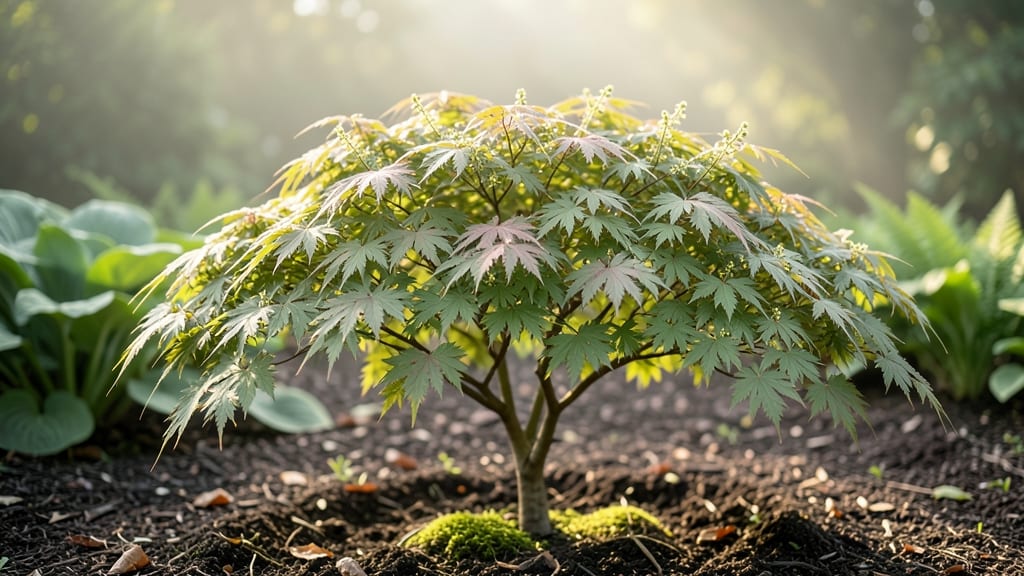
That crispy edge on your lace leaf maple’s leaves isn’t just unsightly—it’s a cry for help. 🌿 The delicate lace pattern of Acer palmatum 'Dissectum' makes it a standout, but edge burn ruins the drama. Copper spray isn’t just a cure; it’s a game-changer for restoring that velvety green perfection.
This maple thrives in partial shade with moist, well-draining soil—think woodland understory, not full sun. The key to prevention? Consistent moisture and a light layer of mulch to protect those tender fronds.
Once you spot crispy edges, copper spray (applied every 2 weeks) stops the damage in its tracks, while pruning out affected leaves keeps the tree looking sharp.
Within a month, you’ll see fresh growth pushing out, and those crispy brown edges will fade into memory. The tree’s natural grace returns, with leaves unfurling in their signature lacy beauty. Your lace leaf maple will reward you with vibrant foliage that turns fiery red in fall—if you act now.
Works for both young trees and mature specimens, and the same copper spray method tackles other fungal issues too. Here’s how to bring your lace leaf back to life—without losing its charm.
📚 In This Guide
- What you need
- Instructions
- Tips and common mistakes
- Wrapping up and next steps
What you need
- ● Copper fungicide spray (organic, e.g., Bonide Copper Fungicide or Copper Soap) – 1–2 gallons (enough to cover the tree’s canopy). Look for 1–3% copper content for effectiveness.
- ○ Hose with adjustable nozzle (for even spray coverage) – Optional but helpful for precision.
- ● Garden sprayer (2–5 gallon capacity) – Handheld or backpack style for larger trees.
- ● Pruning shears (sterilized) – For trimming dead or severely damaged branches (only if necessary!).
- ● Gloves (nitrile or rubber) – Protects hands from copper residue and sap.
- ● Safety goggles – Shields eyes from spray drift or debris.
- ● Dormant oil spray (for overwintering pests) – Apply before copper spray if treating for scale or mites.
- ● Soap spray (mild, e.g., neem oil or insecticidal soap) – Helps dislodge soft-bodied insects before copper treatment.
- ○ Tree wound dressing (optional for pruning cuts) – Only use if pruning; avoid overuse (healthy trees seal wounds naturally!).
- ● Ladder or extension pole – For tall trees (safety first—secure it properly!).
How to revive a lace leaf maple tree with crispy edges
Here's the straightforward method I use to nurse lace leaf maples back to health—no guesswork, just action.
🌿 Step 1: Diagnose the Problem and Prepare for Treatment
First, confirm the crispy edges are from environmental stress, not disease. Run your fingers along the leaf margins—if they feel dry and brittle but the center stays green, you're dealing with underwatering, low humidity, or salt buildup. Grab a small spray bottle and mist a few leaves. If they perk up slightly, you've identified the issue.
Gather your supplies: a copper fungicide spray (like copper sulfate), a soft-bristle brush, and a bucket of rainwater (never tap water—chlorine burns leaves). Work on an overcast day to avoid sunburn during treatment. I like to do this in the late afternoon when temperatures drop below 80°F—the tree absorbs treatments better then.
💧 Step 2: Flush Out Salt Buildup and Deep-Water the Roots
Fill your bucket with lukewarm rainwater and add 1 tablespoon of Epsom salt per gallon. This combo flushes out accumulated salts while replenishing magnesium. Water the base of the tree slowly and deeply—aim for 1-2 gallons until water runs out the drainage holes. You'll know it's working when the soil feels moist 6 inches down.
If your tree is in a container, soak the pot in a tub of water for 15-20 minutes to ensure thorough saturation. Let it drain completely before moving it back. Avoid overhead watering now—wet leaves make copper spray less effective. Instead, water at the soil line to protect the foliage.
✂️ Step 3: Apply Copper Spray to Prevent Fungal Spread
Mix the copper fungicide exactly as directed on the label (usually 1 tablespoon per gallon of water). Stir well—copper settles fast. Use a soft-bristle brush to gently apply the solution to the undersides of crispy leaves first. This is where fungal spores hide. You'll see the edges darken slightly as the copper bonds to the leaf surface.
Lightly mist the top sides of leaves with the remaining solution, avoiding the crispy edges—too much copper can scorch already stressed tissue. Spray the soil surface within 12 inches of the trunk to protect roots. Do this once weekly for 3 weeks, then monthly as prevention. Store leftover spray in a dark glass bottle (copper degrades in sunlight).
☀️ Step 4: Adjust Care to Prevent Future Damage
Move your lace leaf maple to a shadier spot if it's been in full sun—these trees prefer morning sun and afternoon shade. Water deeply every 3-4 days in summer, checking that the top 2 inches of soil stay dry between waterings. Overwatering causes the same crispy edges as underwatering.
Increase humidity around the tree by placing the pot on a tray of pebbles filled with water (never let roots sit in water). Group it with other plants to create a microclimate. If you're indoors, run a small humidifier nearby for 2 hours daily. You'll notice new growth within 4-6 weeks—watch for bright green, flexible leaves emerging from the center.
🪴 Step 5: Fertilize and Monitor for Recovery Signs
Wait 4 weeks after treatment before fertilizing. Then, use a balanced 10-10-10 fertilizer diluted to half strength. Apply it to moist soil in early spring or late summer. You'll see recovery in the new leaves—they should be lush and flexible, not crispy. If old leaves stay brown, trim them off at the base with clean pruning shears to encourage fresh growth.
Here's the thing—lace leaf maples are tough. If you catch crispy edges early, you'll have a full recovery in 2-3 months. Keep an eye out for aphids or spider mites (they love stressed trees). Spray with neem oil if you spot them. With consistent care, your tree will bounce back stronger than ever.
Tips & tricks for reviving lace leaf maple trees
Real talk: Crispy edges on lace leaf maples aren't always a death sentence. Here's what actually works to bring them back.
Diagnosis First: Before treating, confirm crispy edges are from environmental stress—not disease. Run your fingers along the leaf margins: if they feel dry and brittle but the center stays green, you're dealing with underwatering, low humidity, or salt buildup. I learned this the hard way after treating a fungal issue with copper spray—it didn't work because the problem was actually overwatering. Always check with a spray bottle test first.
Timing Secret: The late afternoon timing in Step 1 is crucial because temperatures below 80°F help the tree absorb treatments better. If you must work in hotter conditions, move to a shaded area and do it in the early morning instead. The 15-20 minute soaking for container trees ensures roots get fully saturated without risking root rot—just don't skip this step if your tree is in a pot.
Copper Application: When applying copper spray in Step 3, focus on the undersides of leaves first—this is where fungal spores hide. Use a soft-bristle brush to avoid damaging delicate tissue. I've seen people overdo it on the top sides, which can scorch already stressed leaves. Remember, you're protecting, not burning. Store any leftover spray in a dark glass bottle—sunlight degrades copper's effectiveness within hours.
Recovery Monitoring: Watch for new growth within 4-6 weeks after treatment. The key sign of success is bright green, flexible leaves emerging from the center. If you see these, you're on the right track! For container trees, check the soil moisture 6 inches down after watering—it should feel damp but not soggy. This balance is what prevents future crispy edges.
Pro Tips for Lace Leaf Maple
- Real talk: Crispy edges on lace leaf maples aren't always a death sentence.
- Diagnosis First: Before treating, confirm crispy edges are from environmental stress—not disease.
- Timing Secret: The late afternoon timing in Step 1 is crucial because temperatures below 80°F help the tree absorb treatments better.
Frequently asked questions
Got questions about reviving your lace leaf maple? You’re not alone! Here are some common concerns—and quick fixes—to keep those stunning leaves crisp and vibrant.
Why are my lace leaf maple leaves turning brown and crispy?
Brown, crispy edges (called scorch) often signal copper deficiency or fungal stress. Check soil pH (ideal: 6.0–7.0) and apply a copper fungicide spray every 2–3 weeks. Overwatering or drought can also cause this—balance moisture for lush foliage!
How often should I spray copper fungicide on my lace leaf maple?
Start with a preventative spray every 2 weeks during spring/summer. If you spot anthracnose or tar spot, increase to weekly until symptoms fade. Always spray in the morning to avoid leaf burn from afternoon sun.
Can I use vinegar or baking soda instead of copper spray?
Nope! While baking soda (1 tsp/L water) can help with powdery mildew, it won’t fix copper deficiency. Vinegar is too harsh—it’ll burn leaves. Stick to commercial copper fungicides (like Copper Sulfate) for safety and effectiveness.
How long does it take to see improvement after treating?
You may notice new growth within 2–4 weeks, but full recovery takes 1–2 growing seasons. Consistency is key—skip treatments, and symptoms return. Prune dead branches to redirect energy to healthy foliage!
Does rain wash away copper spray? What’s the fix?
Yes! Rain can reduce copper’s effectiveness. Reapply within 24 hours after heavy rain. For extra protection, use a sticker spray (like Dyne-A-Mite) to help the copper adhere longer.
Wrapping up and next steps
Your lace leaf maple deserves that crispy edge back—and now you’ve got the tools to make it happen! 🌿 With the right mix of copper spray, patience, and proper care, you can rescue those delicate leaves from pests and diseases.
Remember, consistency is key, so keep monitoring and treating as needed.
Ready to take action? Grab your supplies, roll up your sleeves, and give your tree the TLC it needs! Your efforts will pay off with vibrant, healthy foliage in no time.