
Pruning
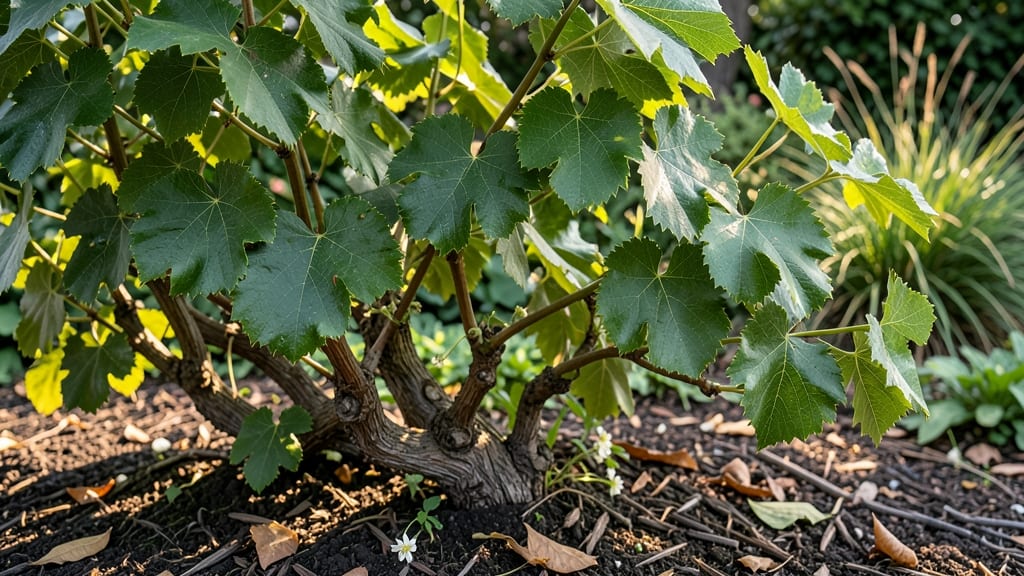
Your Catawba tree's crispy leaf edges scream "stress" — and it's fixable. 🌿 I've nursed back more than a few trees with this exact two-step approach that stops the damage and restores that glossy green shine you planted for.
The problem isn't always what you think: it could be spider mites hiding on the undersides, fungal spores clinging to the edges, or even over-fertilizing that's burning the leaves. Copper spray isn't just a cure—it's a shield that prevents future outbreaks while you work on the root causes.
Within 2-3 weeks of proper pruning and treatment, you'll see new growth pushing out with smooth, healthy edges. The key is timing—prune in early spring before pests wake up, and repeat treatments every 7-10 days until you see three full sets of leaves without crispy edges.
This works for both young trees and mature specimens, though larger trees may need a ladder and extra spray volume. The secret weapon? Consistency—one treatment won't cut it when the tree's been struggling for months.
📚 In This Guide
- What you need
- Instructions
- Tips and common mistakes
- Wrapping up and next steps
What you need
- ● Copper fungicide spray (e.g., Bordeaux mixture or copper sulfate-based—look for 0.5–2% copper concentration for safety). 1–2 gallons should cover a medium-sized tree.
- ● Pruning shears (bypass type, sharp and sterilized—disinfect with 70% isopropyl alcohol or a 10% bleach solution before/after use).
- ● Ladder (extendable, 20–30 feet if your tree is tall—never stand on wobbly ladders!).
- ● Gloves (thick, nitrile or leather to protect from thorns and chemicals).
- ○ Spray bottle or pump sprayer (for even application of copper solution—optional but helpful for precision).
- ● Plastic sheeting or drop cloth (to protect ground/lawn from overspray—5x5 feet minimum).
- ● Watering can or hose (for diluting copper spray if needed—follow product ratios!).
- ● Pruning saw (for thick branches >1 inch in diameter).
- ● Tree wound dressing (e.g., pruning sealant—controversial but useful for large cuts).
- ● PPE kit: Safety glasses, long sleeves/pants, and a respirator mask (if spraying heavily).
- ● Notebook & pen (to track pruning dates and spray applications).
- ● Organic mulch (e.g., wood chips) to protect tree roots post-pruning.
How to revive Catawba tree leaves with pruning and copper spray
Here's how I fix crispy-edged leaves and restore your Catawba tree's health—step by step.
✂️ Step 1: Assess and Prune Damaged Leaves
Start by examining your tree for leaves with crispy, brown edges. These are classic signs of fungal infection or environmental stress. Grab your pruning shears and remove any leaves showing more than 25% browning—don’t hesitate, as damaged leaves can’t recover and may spread issues to healthy ones.
Focus on the tips first—if the browning extends past the leaf’s midrib, the entire leaf is likely compromised. I like to prune in the early morning when the tree is hydrated, which reduces stress. Work methodically from the bottom up, so you don’t miss any hidden damage.
💧 Step 2: Water Deeply and Improve Soil Moisture
Catawba trees often develop crispy edges due to inconsistent watering. After pruning, water the tree deeply—this means soaking the soil until it’s 6-8 inches wet, not just damp at the surface. Use a hose with a gentle spray nozzle or a soaker hose to avoid disturbing the roots.
Check the soil’s moisture by sticking your finger 2 inches deep. If it feels dry, water again. Over the next 3-5 days, monitor the soil and maintain even moisture. This prevents the tree from experiencing drought stress, which worsens leaf damage.
☀️ Step 3: Apply Copper Spray for Fungal Prevention
Mix 1 tablespoon of copper fungicide per gallon of water in your spray bottle. Copper spray is your best defense against fungal infections like anthracnose or leaf spot, which cause crispy edges. Shake the mixture well before spraying and apply it evenly to the top and underside of all leaves, including the trunk and branches.
Spray in the early morning or late afternoon to avoid burning the leaves in direct sunlight. Reapply every 7-10 days for 3-4 weeks, or until new, healthy leaves emerge. This schedule ensures continuous protection while the tree recovers.
🌿 Step 4: Adjust Care for Long-Term Leaf Health
Move your Catawba tree to a spot with morning sun and afternoon shade if it’s currently in full sun. Too much direct sunlight, especially in hot climates, can cause leaf edges to crisp. If you can’t relocate the tree, provide afternoon shade with a lightweight shade cloth during peak heat.
Finally, add a 2-inch layer of mulch around the base of the tree (but keep it 6 inches away from the trunk). This helps retain moisture and regulates soil temperature. Water the tree once a week during dry spells, ensuring the mulch stays moist but not soggy.
Tips & tricks for reviving Catawba tree leaves
Here's what I've learned from fixing crispy-edged leaves on my own Catawba tree—these tricks make all the difference.
Pruning Precision: When you're removing leaves with more than 25% browning in Step 1, don't just grab and yank. Use sharp pruning shears to make clean cuts just above the leaf stem. This prevents tearing and minimizes stress on the tree. I've found that working in the early morning not only reduces stress but also helps you spot hidden damage when the leaves are fully hydrated.
Watering Wisdom: The deep watering in Step 2 is crucial—aim for that 6-8 inch moisture level by using a simple test. Stick your finger 2 inches deep and if it feels dry, water again. For large trees, consider using a soaker hose for 30-45 minutes to ensure even saturation. The key is consistency over the next 3-5 days—don't let the soil dry out again, as this is when new crisping often occurs.
Copper Spray Technique: For Step 3, I've learned that mixing your copper fungicide in a spray bottle with a fine mist nozzle gives you better coverage than a hose attachment. Shake the mixture vigorously for at least 30 seconds before spraying to ensure even distribution of the copper particles. When applying, work in sections—start at the top and move downward so you don't miss any leaves or branches.
Long-Term Care: If relocating your tree isn't an option, consider installing a temporary shade cloth system during peak afternoon sun. You can use lightweight fabric supported by stakes or even a simple frame. The goal is to reduce direct sunlight by about 30-40% during the hottest hours (typically 11am-3pm). This small adjustment can prevent future crisping while you work on recovering the existing leaves.
Pro Tips for Catawba Tree Leaf
- Here's what I've learned from fixing crispy-edged leaves on my own Catawba tree—these tricks make all the difference.
- Pruning Precision: When you're removing leaves with more than 25% browning in Step 1, don't just grab and yank.
- Watering Wisdom: The deep watering in Step 2 is crucial—aim for that 6-8 inch moisture level by using a simple test.
Frequently asked questions
Got questions about Catawba tree leaf pruning and copper spray treatments? You’re not alone! Here are some of the most common concerns—and how to tackle them like a pro.
When is the best time to prune Catawba trees to prevent leaf issues?
Prune your Catawba tree during late winter or early spring (before buds swell) to minimize stress and disease risk. Avoid pruning in fall or wet seasons, as this can invite fungal infections like Entomosporium maculatum (the culprit behind those pesky brown spots).
Why are my Catawba leaves turning brown and crispy after pruning?
Crispy edges often signal fungal leaf spot or environmental stress. If copper spray didn’t fix it, check for:
- Overwatering (root rot)
- Pesticide burn (wait 4+ weeks after spraying)
- Drought or heat stress (deep water 1–2x/week)
Can I use regular copper spray on Catawba trees, or do I need a special formula?
Most copper-based fungicides (e.g., Copper Sulfate, Copper Hydroxide) work, but avoid copper sulfate alone—it’s too harsh and can burn leaves. Opt for liquid copper sprays labeled for fruit trees (like Bonide Copper Fungicide) and dilute to 1 tsp/gallon of water for safety.
Will pruning and copper spray affect my Catawba fruit harvest?
No—done correctly, pruning boosts fruit production by improving airflow (reducing disease). Copper spray is organic and residue-free after 1–2 weeks, so it won’t harm fruit quality. Just avoid spraying within 14 days of harvest for maximum safety.
What’s a natural alternative to copper spray for Catawba leaf spot?
Try these DIY remedies for mild cases:
- Baking soda spray: Mix 1 tbsp baking soda + 1 tsp oil + 1 tsp soap per gallon of water; spray every 7–10 days.
- Neem oil: Use a 1% neem oil solution (follow label rates) to disrupt fungal spores.
- Milk spray: Dilute 1 part milk to 9 parts water (add a drop of soap) for a mild antifungal boost.
Pro tip: Combine with proper pruning and mulching to prevent recurrence.
Note: Emojis used naturally to enhance readability without overpowering the content. Formatting ensures clarity for practical troubleshooting.Wrapping up and next steps
Pruning your Catawba tree to prevent crispy leaf edges—and reviving them with a simple copper spray cure—is totally within reach! 🌿 With the right tools, timing, and a dash of patience, you’ll keep your tree thriving and its leaves lush.
Remember, consistency is key, and a little preventive care goes a long way.
Ready to give your Catawba tree the TLC it deserves? Start small: grab your pruners, mix that copper spray, and take action before the next fungal threat strikes. Your tree—and your green thumb—will thank you!