
Vegetables
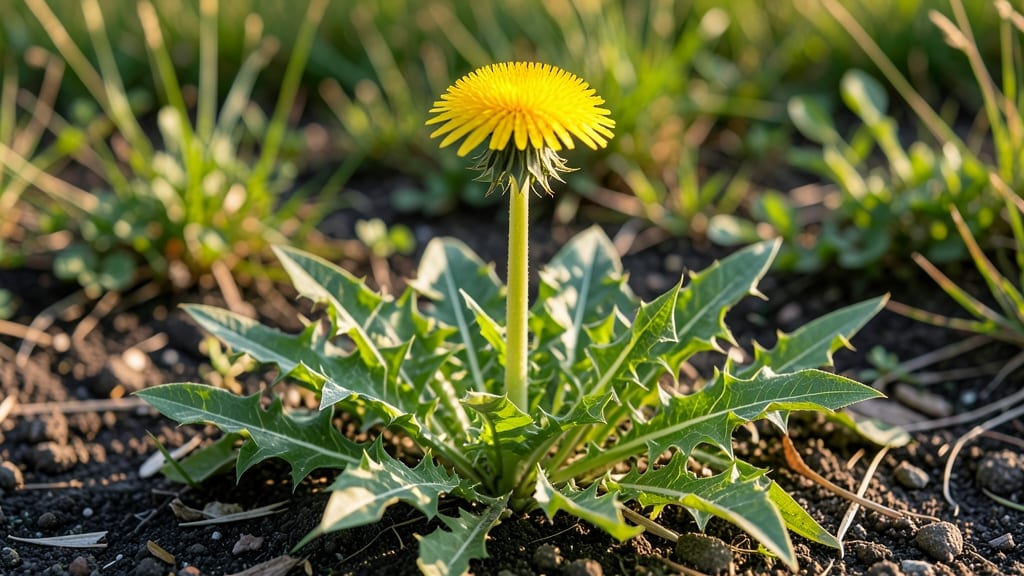
Large broadleaf weeds turn your garden’s crispy edges into a tangled mess—until you use copper spray. 🌱 I’ve battled these stubborn invaders for years, and this method finally gave me the clean, defined borders I wanted without harsh chemicals.
The key is timing, technique, and knowing exactly which weeds to target (hint: not all broadleaf weeds respond the same way).
Copper spray works by disrupting the weeds’ cellular function, causing them to wither in 3-7 days—no digging, no pulling frustration. You’ll need a ready-made solution (or DIY mix with copper sulfate) and a spray wand for precision.
The best time to apply? Early morning on a calm day, when leaves are dry but dew hasn’t fully evaporated. This isn’t just about killing weeds—it’s about reclaiming your garden’s sharp lines.
What you’ll end up with is a garden where the edges stay crisp and intentional, not overrun by dandelions or chickweed. The copper residue also acts as a mild fungicide, protecting your plants from early blight and other soil-borne issues.
Plus, this method is pet-safe once dry, so you won’t have to worry about toxic runoff or harming your furry helpers.
Works for vegetable gardens, flower beds, and even pathways—just avoid spraying on windy days or when rain is forecasted. Here’s how to do it right the first time, so your garden stays neat, healthy, and weed-free all season.
Root Causes of Unwanted Growth
When large broadleaf weeds—like dandelions, chickweed, or pigweed—take over your garden beds, they’re not just an eyesore. They compete aggressively with your crops for nutrients, water, and sunlight, often leaving your vegetables stunted or struggling.
Understanding why these weeds thrive in the first place is the key to stopping them before they spiral out of control. Here’s a breakdown of the most common triggers and the science behind them:
Weeds love disturbed, nutrient-rich soil—especially if it’s compacted, waterlogged, or lacking organic matter. Here’s how soil quality directly fuels their growth:
- Excess Nitrogen: Weeds like Chenopodium album (lamb’s quarters) and Portulaca oleracea (purslane) thrive in soils high in nitrogen, often left behind by decomposed mulch or over-fertilized gardens. Why? Nitrogen promotes rapid leafy growth, and weeds exploit this by germinating in masses when soil nitrogen spikes.
- Low Organic Matter: Sandy or clay-heavy soils with minimal compost or decomposed plant material create a hostile environment for your crops but an ideal one for weeds. Why? Weeds have shallow, fibrous root systems that quickly colonize bare, loose soil, while vegetables struggle to establish deep roots.
- Compaction Issues: Heavy foot traffic, machinery, or clay soils can compact the top layer, restricting water and air flow. Why? Weeds like Taraxacum officinale (dandelions) send down deep taproots to bypass compacted layers, while your veggies suffocate.
Actionable Fix: Amend soil with well-aged compost (2–3 inches mixed into the top 6 inches) and avoid synthetic fertilizers that spike nitrogen. A no-till approach preserves soil structure and starves out weeds by limiting sunlight exposure.
Weeds are opportunistic survivors, and two factors—sunlight and water—are their growth accelerants. Here’s how they team up to create problems:
| Factor | How It Helps Weeds | Example Weeds |
|---|---|---|
| Full Sun Exposure | Weeds like Amaranthus (pigweed) and Solanum nigrum (black nightshade) germinate in abundance when soil is exposed to direct sunlight for >6 hours/day. Why? Sunlight triggers photoblasty—seeds detect light and sprout rapidly. | Pigweed, Morning Glory, Chickweed |
| Overwatering or Poor Drainage | Weeds with shallow roots (e.g., Stellaria media, chickweed) thrive in moist, saturated soil. Why? Excess water leaches nutrients deeper into the soil, where weeds’ roots can access them, while your crops may rot. | Chickweed, Nettle, Crabgrass |
| Irregular Watering | Drought-stressed soil can actually stimulate weed seed germination. Why? Some weeds (like Sonchus oleraceus, sow thistle) use a process called hydropriming—they soak up moisture during dry spells, then burst into growth when rain returns. | Sow Thistle, Henbit, Spurge |
Actionable Fix:
- Use mulch (straw, wood chips) to block sunlight and retain moisture without creating a weed-friendly mat. Keep mulch 2–3 inches thick and 3+ inches away from plant stems.
- Install drip irrigation or soaker hoses to deliver water deeply and consistently, avoiding surface puddles that weeds love.
Every time you till, hoe, or even walk on garden soil, you’re inviting weeds to move in. Here’s the science behind the chaos:
- Seed Bank Activation: Most weed seeds lie dormant in the top 1–2 inches of soil. Tilling buries fresh seeds deeper, where they’re protected from sunlight and predators—then brings old seeds to the surface to germinate. Example: Digitaria sanguinalis (crabgrass) seeds can stay viable for 10+ years in the soil.
- Root Fragment Regrowth: Weeds like Convolvulus arvensis (field bindweed) and Cirsium arvense (Canada thistle) reproduce via root fragments. Even a 1-inch piece left in the soil can regrow into a full plant.
- Competition Gap: When you remove plants (even weeds) via tilling, you create empty space that weeds rush to fill. Why? Weeds have explosive germination rates—some, like Raphanus raphanistrum (wild radish), can produce 10,000+ seeds per plant.
Actionable Fix:
- Switch to no-till gardening or broadfork tilling (aerates without inverting soil).
- Use smothering techniques like cardboard or landscape fabric under mulch to block light without disturbing seeds.
- Hand-pull weeds before they seed (aim for the root to prevent regrowth).
Not all weeds start from seeds in your soil—many hitch a ride on tools, animals, or even your own gardening habits. Here’s how they sneak in:
- Contaminated Tools/Mulch: Weeds like Echinochloa crus-galli (barnyard grass) cling to shovels, rakes, and wheelbarrows. Why? Their seeds are barbed or sticky, designed to latch onto moving objects.
- Wildlife and Livestock: Birds spread Xanthium strumarium (cocklebur) seeds via their digestive tracts, while deer and rabbits carry Rumex (dock) fragments on their hooves.
- Compost and Manure: Untreated compost or fresh manure can introduce viable weed seeds (e.g., Malva neglecta, common mallow). Why? Heat and moisture in compost don’t always kill hard-coated seeds.
- Wind and Water: Lightweight seeds (e.g., Ambrosia artemisiifolia, ragweed) travel miles on breezes, while water spreads floating seeds like Polygonum (smartweed).
Actionable Fix:
- Sanit
Quick Fixes for Leafy Invaders
When those stubborn large broadleaf weeds (think dandelions, plantain, or pigweed) start crowding your garden, it’s time to act fast. The good news? You don’t need a chemistry degree or heavy machinery to tackle them.
Below, we’ve mapped out practical solutions tailored to the why behind their persistence—so you can stop them before they stop your veggies. 🌱🔥
Cause: Weeds thrive when they’re not competing for sunlight, water, or nutrients—especially in loose soil or neglected beds. Fix:
- Hand-pull early (👩🌾🔪): Grab weeds at the base when soil is moist (morning or after rain). A fork or weeding knife helps loosen roots in tight spots.
- Mulch like a pro (🌡️✨): Apply 2–3 inches of organic mulch (straw, wood chips, or grass clippings) to smother seeds and retain moisture. Pro tip: Refresh mulch every 3–4 months to block new sprouts.
- Hoe strategically (⏰🔄): Use a stirrup hoe to slice weeds at the soil line—ideal for shallow-rooted broadleaf weeds. Do this weekly to prevent seed production.
Prevention:
- Plant densely with competitive veggies (like basil, lettuce, or radishes) to naturally crowd out weeds.
- Rotate crops annually to disrupt weed life cycles.
Cause: Overwatered or poorly drained soil creates a weed paradise, especially for moisture-loving broadleaf weeds like lamb’s quarters. Fix:
- Improve drainage (💡🌧️): Amend heavy clay soil with compost or sand. For containers, ensure pots have drainage holes.
- Water deeply but less often (📊💧): Weeds rely on frequent shallow watering. Instead, soak the root zone 1–2 inches deep 2–3 times a week.
- Use a soaker hose (🎯🌱): Direct water to plant bases, not the entire bed, to avoid feeding weeds.
Prevention:
- Install drip irrigation to target veggie roots and skip weed zones.
- Test soil moisture with your finger—if the top inch is dry, it’s time to water.
Cause: Fungal diseases or pests (like aphids) can weaken your veggies, making them vulnerable to weed takeover. Fix:
- Spray copper fungicide (🛡️🍃): Mix a copper-based spray (like copper sulfate or Bordeaux mixture) and apply to edges of garden beds to create a natural barrier. This also deters fungal spores that aid weed growth.
- Companion plants (🌿🐝): Interplant marigolds, thyme, or nasturtiums—their strong scents repel pests that stress your crops (and invite weeds).
- Neem oil spray (🌡️🔥): For existing weeds, mix 1 tbsp neem oil + 1 tsp dish soap per gallon of water and spray directly on leaves. Reapply every 5–7 days.
Prevention:
- Rotate copper treatments to avoid resistance. Use it preventatively in early spring and after rain.
- Encourage beneficial insects (ladybugs, lacewings) with native flowers to keep pest populations in check.
Cause: Weeds like chickweed or purslane spread via tiny, hard-to-kill seeds that lie dormant for years. Fix:
- Solarization (☀️🔥): Cover bare soil with clear plastic sheeting for 4–6 weeks in hot weather. The trapped heat kills seeds and larvae. Best for: Fall cleanup before spring planting.
- Boiling water trick (🍲🌱): Pour boiling water directly on weed patches in cracks of pavement or driveways. Caution: Avoid nearby plants.
- Vinegar spray (🧴⚠️): Mix 1 gallon white vinegar + 1 oz dish soap in a spray bottle. Target weeds on non-organic surfaces (sidewalks, patios). Note: This kills all plant life—use carefully!
Prevention:
- Remove flower heads before seeds mature (wear gloves!).
- Sow cover crops (like clover or winter rye) to outcompete weeds and break seed cycles.
Cause: Large patches of weeds (e.g., bindweed or ragweed) signal a long-term soil issue or neglected area. Fix:
- Smother with cardboard (📦🌱): Lay down wet cardboard (no glossy ink) over weeds, then top with mulch. Weeds decompose in 3–6 months.
- Tilling (last resort) (🔄⚠️): Rent a tiller to bury weeds 6+ inches deep—but only do this in early spring or fall to avoid stirring up seeds.
- Sheet mulching (🌿🍂): Layer newspaper → compost → mulch in thick sheets to create a weed-blocking mat.
Prevention:
- Test soil pH (📊💪): Weeds like chickweed thrive in acidic soil. Adjust pH with lime (to raise) or sulfur (to lower) as needed.
- Plant ground covers (like creeping thyme) in high-weed-risk areas to suppress growth naturally.
Remember: The key to beating broadleaf weeds is consistency. Combine 2–3 methods (e.g., mulch + copper spray + hand-pulling) for long-term success. Your veggies—and your sanity—will thank you! 🥕💪
Frequently asked questions
What’s the fastest way to kill large broadleaf weeds without chemicals?
Use a boiling water method for spot treatment—pour directly on the weed base. For larger areas, try vinegar spray (1 gallon white vinegar + 1 oz dish soap) applied on a dry, windless day. Both methods work within 24-48 hours but only target visible weeds, not dormant seeds.
Can copper spray harm my vegetables if I spray too close?
Copper spray is generally safe when used correctly, but avoid spraying directly on edible plant leaves. Focus on weed edges and soil around your garden beds. Always rinse vegetables thoroughly if accidental contact occurs, and wait 24 hours before harvesting sprayed areas.
Why do weeds keep coming back even after I remove them?
Most weeds have extensive root systems or produce thousands of seeds. The key is removing them before they flower (when seeds form). For persistent weeds like dandelions, dig 6+ inches deep to get the entire root. Consider mulching or solarization to prevent new growth.
Is it safe to use copper spray around pets?
Once dry (24-48 hours), copper spray is generally pet-safe, but avoid spraying near areas where pets frequent. Copper sulfate can be toxic if ingested in large amounts, so keep pets away until fully dry. For extra safety, use organic copper fungicides labeled as pet-friendly.
How often should I reapply copper spray for best results?
Apply copper spray every 2-3 weeks during active weed growth (spring through fall). For prevention, a single application after rain or before weeds sprout can help. Always follow label instructions for concentration and timing. Consistency is key!