
Pests
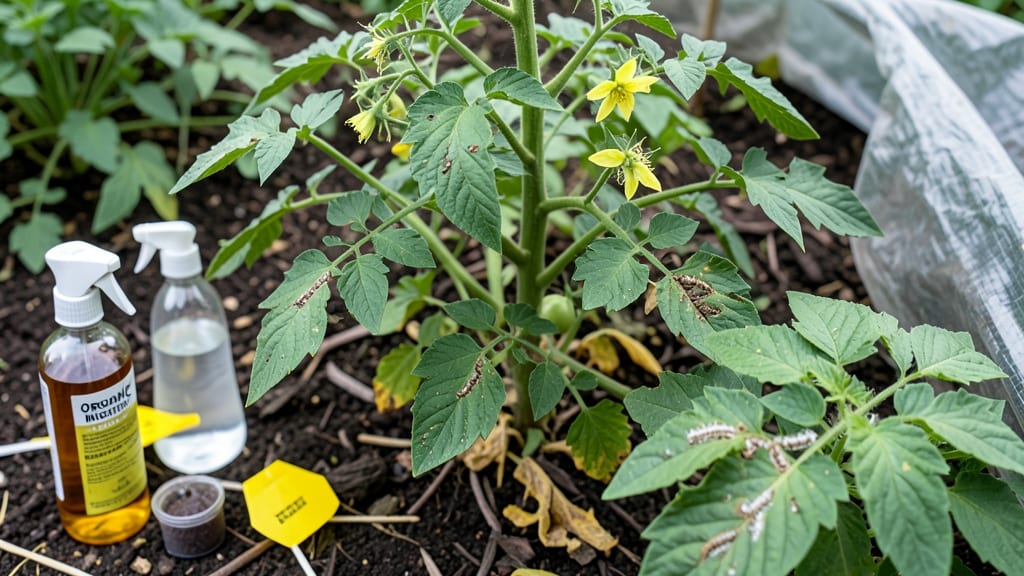
Leafminers turning your plants into skeleton leaves? 🌱 I've seen them destroy entire basil patches in a week—until I learned these organic spray solutions that work in days, not seasons.
The key is acting fast before they spread, and the good news is you don't need harsh chemicals to win this battle.
These tiny worms chew through leaf tissue, leaving behind winding trails that look like someone ran a pencil through your plants. The damage starts small but explodes if you wait—my neighbor's pepper plants went from lush to lifeless in just 10 days.
The secret weapon? A mix of neem oil, insecticidal soap, and parasitic wasps that hunt them naturally.
Within 3-5 days of treatment, you'll see fresh, undamaged growth pushing out, and the mines will stop appearing. Even better, these methods protect your soil and beneficial insects while keeping your plants healthy and productive all season long.
Whether you're dealing with tomatoes, peppers, or ornamental plants, this approach works in backyard gardens, containers, and raised beds alike. The best part? Prevention is simple—just monitor your plants weekly and act at the first sign of those telltale trails.
The Real Culprits Behind Leafminers
Leafminers aren’t just random pests—they’re the sneaky result of a perfect storm of environmental factors, plant health, and even your garden’s ecosystem. Understanding why these tiny worms show up in the first place is the first step to stopping them before they turn your plants into a buffet.
Let’s break down the key reasons these larvae invade your greenery.
Leafminers target plants that are already struggling. When a plant’s immune system is compromised, it becomes an easy meal for these pests. Here’s how it happens:
- Nutrient Deficiencies 🌱 Plants low in nitrogen, phosphorus, or micronutrients (like magnesium or zinc) produce thinner, weaker leaves—leafminers’ favorite snack. A quick soil test can reveal if your plants are malnourished.
- Stress from Overwatering or Drought 💧🔥 Both extremes stress plants. Overwatering leads to soggy, soft leaves (perfect for egg-laying), while drought weakens roots, making plants more vulnerable. Aim for consistent moisture—not soggy or bone-dry soil.
- Poor Air Circulation 🌬️ Crowded plants or dense foliage trap humidity, creating a cozy environment for leafminers. Prune regularly to improve airflow and reduce pest-friendly conditions.
Leafminers thrive in warm, humid microclimates—think greenhouses, shaded garden beds, or dense plantings. Here’s why:
- Greenhouse Effect 🏠 Greenhouses trap heat and moisture, mimicking the tropical conditions leafminers love. If you’re growing in a greenhouse, ventilate daily and avoid overhead watering to disrupt their ideal habitat.
- Shade-Loving Host Plants 🌿 Leafminers favor plants that grow in partial shade (like basil, beans, or spinach), where leaves stay cooler and damper longer. If you’re seeing infestations, consider rotating crops or moving susceptible plants to sunnier spots.
- Mulch & Debris 🍂 Thick mulch or fallen leaves create hiding spots for adult flies (the leafminers’ adult form). Keep your garden clean and tidy—remove old plant debris and mulch sparingly to deny them shelter.
Leafminer adults (tiny, moth-like flies) are always on the hunt for tender, young leaves to deposit their eggs. Their choices depend on:
- Fresh, New Growth 🌱 Leafminers prefer new leaves because they’re softer and less protected by waxy coatings. If your plants are producing lots of fresh growth (like after pruning or fertilizing), you’ll see more infestations. Harvest or prune regularly to limit their options.
- Specific Plant Preferences 🌿 Some plants are leafminer magnets because their leaves are particularly appealing.
Common targets include: - Herbs (basil, dill, parsley) - Vegetables (beans, spinach, Swiss chard, peppers) - Ornamentals (coleus, impatiens, begonia) If you’re growing these, monitor them closely and act fast at the first sign of damage.
- Timing of Flight Seasons ⏳ Leafminers are most active in spring and early summer when temperatures rise. If you notice infestations during these times, cover young plants with fine mesh or use row covers to block adult flies before they lay eggs.
In a healthy garden, beneficial insects (like parasitic wasps, lacewings, and ladybugs) keep leafminer populations in check. But if these predators are missing, leafminers multiply unchecked. Why might your garden be predator-free?
- Pesticide Overuse 🚫💊 Broad-spectrum pesticides (like neonicotinoids or synthetic pyrethroids) kill beneficial insects first, leaving leafminers to thrive. If you’ve been spraying chemicals, switch to organic controls to restore balance.
- Monoculture Planting 🌾 Planting the same crops year after year in one spot reduces biodiversity, which means fewer natural predators. Rotate crops and plant diverse species to attract a mix of helpful insects.
- Urban or Sterile Gardens 🏙️ Gardens in cities or heavily managed landscapes often lack the wildflowers and weeds that support predator populations. Add pollinator-friendly plants (like marigolds, alyssum, or yarrow) to invite beneficial insects.
Quick Fixes for Leafminer Damage
Now that you know what’s causing those unsightly tunnels in your leaves, it’s time to take action! Leafminers may be small, but they don’t stand a chance against these organic, effective solutions—each tailored to the root of the problem.
From immediate fixes to long-term prevention, these methods will help you reclaim your plants in days, not weeks.
If you’ve spotted leaves with visible mines, don’t wait—remove them ASAP to stop the cycle.
- How to do it: Snip or pluck affected leaves with gloves (leafminers can irritate skin).
- Why it works: Eliminates adult miners and their eggs before they spread.
- Pro tip: 💡 Drop infested leaves into a sealed bag and toss them in the trash—never compost them!
Leafminers hate neem oil, insecticidal soap, and spinosad—all plant-safe when used correctly.
👨🍳 Neem Oil Spray (Best for Eggs & Larvae)
Neem oil disrupts leafminer development and deters adults from laying more eggs. Recipe:
- Mix 1 tbsp neem oil + 1 tsp mild liquid soap (like Castile) in 1 quart of water.
- Add 1 tsp horticultural oil (optional, for better coverage).
- Spray thoroughly on both sides of leaves (especially new growth).
- Reapply every 5–7 days until no new mines appear.
✨ Pro tip: 🌡️ Apply in the early morning or late evening to avoid burning leaves in direct sunlight.
🥘 Insecticidal Soap (For Active Larvae)
This soap suffocates soft-bodied leafminers on contact. Recipe:
- Use a pre-made insecticidal soap (like Safer® Brand) or mix 1.5 tbsp castile soap in 1 quart water.
- Spray until leaves glisten, focusing on undersides where eggs hide.
- Reapply every 3–4 days for 2 weeks.
⚠️ Warning: Test on a small leaf first—some plants (like succulents) are sensitive.
🔪 Spinosad (For Severe Infestations)
Derived from soil bacteria, spinosad is highly effective but should be a last resort due to its stronger nature.
- How to use: Follow label instructions for Captain Jack’s or Bonide Spinosad.
- Best for: Heavy outbreaks when other methods fail.
- Safety note: Avoid spraying near bees or beneficial insects.
Let predators do the dirty work!
Introduce beneficial insects that feast on leafminers: - Parasitic Wasps (Diglyphus isaea): Tiny wasps lay eggs inside leafminer larvae, killing them from within. - Where to buy: Order from garden centers or online (e.g., Arbico Organics). - How to release: Shake them onto infested plants in the early morning. - Ladybugs & Lacewings: Adults and larvae devour leafminers. - Pro tip: 🎯 Plant dill, fennel, or yarrow nearby to attract them naturally.
Once you’ve kicked leafminers to the curb, keep them from returning with these habits:
| Prevention Tip | How to Do It |
|---|---|
| Clean Up Debris | Remove fallen leaves and weeds where miners hide over winter. |
| Use Row Covers | Cover young plants with floating row fabric to block adult flies. |
| Encourage Beneficials | Plant marigolds, alyssum, or basil to attract predator insects. |
| Rotate Crops | Avoid planting susceptible plants (like basil, beans, or grapes) in the same spot yearly. |
| Healthy Soil = Strong Plants | Use compost and balanced fertilizer to boost plant resilience. |
- 3–5 days: You’ll see fewer new mines if you’ve removed leaves and sprayed.
- 1–2 weeks: Larvae will die off, and parasitoid wasps (if used) will start controlling populations.
- Ongoing: With regular sprays + prevention, your plants should stay miner-free for the season!
Remember: Consistency is key! Leafminers are sneaky, but with daily checks and weekly treatments, you’ll win this battle. 🚀 Now go rescue those leaves!
Frequently asked questions about leafminers
What do leafminer damage look like on plants?
Leafminers create winding, brown or black trails between leaf veins—like someone drew with a pencil inside the leaf. Early signs include pale, blistered spots that later turn into full tunnels. Check the undersides of leaves where eggs are often laid.
How long does it take for neem oil to work on leafminers?
Neem oil starts working within 24 hours by disrupting leafminer development, but you'll see visible results in 3-5 days with consistent applications. Reapply every 5-7 days until no new mines appear—it's not a one-time fix!
Can I use homemade sprays for leafminers?
Yes! The safest DIY options are insecticidal soap (1.5 tbsp castile soap per quart of water) or garlic spray (blend 1 garlic bulb + 1 tsp cayenne pepper in 1 quart water, strain, and spray). These work best when applied directly to both leaf surfaces in the evening.
Will leafminers kill my plants?
While they won't kill mature plants, severe infestations can defoliate young seedlings or stress plants enough to make them vulnerable to other pests/diseases. The key is acting fast—remove damaged leaves immediately and apply organic treatments within 48 hours of first sighting.
How do I prevent leafminers next season?
Start with crop rotation (don't plant susceptible crops in the same spot yearly) and clean garden beds thoroughly in fall. Plant marigolds or dill nearby to attract beneficial predators, and use floating row covers for young plants during flight season (spring/early summer).