
Pests
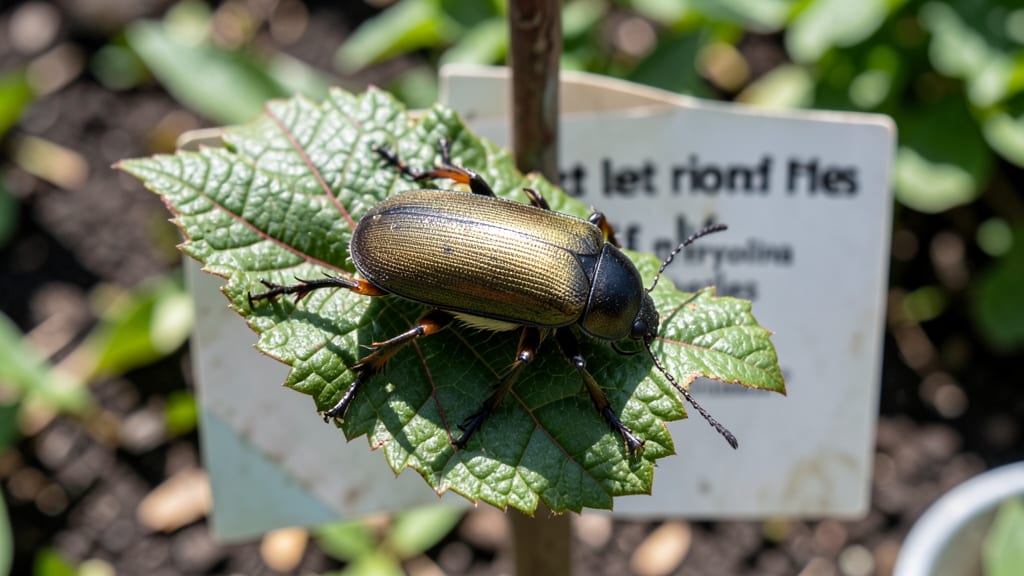
Neem oil isn't just another spray—it's the secret weapon against leaf beetles that actually works. 🌿 I've battled these skeletonizing pests for years, and this method stops them in their tracks by smothering eggs and adults before they can devour your plants.
The magic happens when you mix neem oil with water and a drop of dish soap, then spray it every 5-7 days during outbreaks. It disrupts their life cycle while being completely safe for beneficial insects when used correctly.
Unlike harsh chemicals, this solution protects your plants without harming the soil or future harvests. You'll notice fewer chewed leaves within 3-5 days of consistent application, and new growth will appear lush and untouched. The key is persistence—leaf beetles are resilient, but neem oil breaks their cycle over time.
Works for Colorado potato beetles, flea beetles, and other common leaf beetle species. Here's exactly how to make it effective!
📚 In This Guide
- What you need
- Instructions
- Tips and common mistakes
- Wrapping up and next steps
What you need
- ● Neem oil (100% cold-pressed, organic): 1–2 cups (or enough to cover affected plants + extra for reapplication). Look for Azadirachta indica as the active ingredient.
- ○ Horticultural oil or vegetable oil (optional but recommended): 1 tbsp per cup of neem oil. Helps the neem oil adhere better to leaves.
- ● Dish soap (mild, unscented): 1 tsp per cup of neem oil. Acts as an emulsifier to help the solution stick.
- ● Water (distilled or dechlorinated): 1 quart (32 oz) per 1 cup of neem oil. Avoid tap water with chlorine, which can reduce effectiveness.
- ● Spray bottle (16–32 oz): With a fine mist nozzle for even coverage. Pro tip: 💡 Use a glass or stainless steel bottle to avoid plastic degradation from neem oil.
- ● Gloves (nitrile or rubber): A pair to protect your hands during mixing and application.
- ○ Face mask (optional): If you’re sensitive to strong scents, a basic dust mask can help.
- ● Garden twine or string: For marking treated areas if you have multiple plants.
- ○ Garden sprayer (optional): For larger areas (e.g., 1–2 gallon capacity). Attach a cone or flat-fan nozzle for precision.
- ● Soft paintbrush or foam brush: For spot-treating thick foliage (e.g., roses or fruit trees).
- ● Pruners or shears: To trim heavily infested leaves (dispose of them in a sealed bag).
- ● Bucket (5-gallon): For mixing larger batches if treating a big yard.
- ● Choose the right time: Apply neem oil early in the morning or late afternoon to avoid burning plants in direct sunlight.
- ● Check plant compatibility: Test the solution on a small leaf first—some plants (like dill, fennel, or citrus) are sensitive to neem oil.
- ● Avoid windy days: Spraying in wind can waste product and spread neem oil to unintended areas.
- ● Protect beneficial insects: Apply neem oil only at dusk or dawn to minimize harm to bees and ladybugs.
Step-by-Step guide to using neem oil against leaf beetles
This method works fast—neem oil disrupts beetle life cycles at every stage.
🌿 Step 1: Scout for Beetles and Identify Life Stages
Start by inspecting your plants for leaf beetles and their eggs. Look under leaves and along stems—adults are oval, ½-inch long, and often metallic green or black. Eggs appear as tiny yellow clusters near leaf veins. I use a 10x magnifying glass to spot them easily, especially in early morning when beetles are sluggish.
This ensures you treat the right targets. Neem oil works best when applied to both adults and eggs, so thorough scouting prevents reinfestation. If you miss eggs, new beetles will hatch in 7-10 days, and you’ll be back to square one.
💧 Step 2: Mix Neem Oil Solution for Maximum Effect
Combine 1 tablespoon neem oil with 1 teaspoon mild liquid soap (like Castile) in 1 quart of warm water. The soap acts as an emulsifier, helping the oil stick to beetles and plant surfaces. Stir gently—neem oil separates easily, so a handheld mixer works best for even distribution.
This ratio creates a 1% solution, strong enough to smother adults and disrupt egg development without harming beneficial insects. I always mix fresh—old solutions lose potency and may clump. Test a small leaf first to ensure it doesn’t cause browning on sensitive plants.
✂️ Step 3: Apply Solution at Strategic Times
Spray the undersides of leaves thoroughly—this is where beetles hide and lay eggs. Focus on new growth, as eggs prefer tender tissue. Use a fine-mist nozzle to avoid runoff, and apply in the early evening when temperatures are below 85°F. Heat degrades neem oil quickly, reducing effectiveness.
Reapply every 5-7 days until no new beetles appear. I mark treated plants with a colored flag to track progress. If you see fresh feeding damage after treatment, the beetles may have developed resistance—switch to a different organic pesticide like kaolin clay or pyrethrin spray.
☀️ Step 4: Create a Barrier to Prevent Reinvasion
After spraying, cover young plants with floating row covers (made of lightweight fabric) to block adult beetles from laying new eggs. Secure edges tightly with clips or weights—even a ¼-inch gap lets beetles slip through. Leave covers on for 2-3 weeks, then remove during daylight to allow pollination.
This step is critical for long-term control. Without barriers, beetles will keep finding your plants. I also place yellow sticky traps near infested areas to monitor adult activity. If traps catch more than 5 beetles per week, it’s time for a second treatment round.
🪴 Step 5: Maintain Plant Health to Reduce Attractiveness
Healthy plants repel pests naturally. Water deeply once weekly to encourage strong root growth, and fertilize with balanced organic fertilizer (like 5-5-5) every 4-6 weeks. Avoid overwatering—soggy soil attracts beetles looking for moisture.
Prune damaged leaves immediately after treatment. Beetles target stressed plants, so removing chewed foliage reduces their food supply. I also rotate crops annually to break the beetle life cycle—leaf beetles specialize on specific plants, so changing locations confuses their search patterns.
Tips & tricks for effective leaf beetle control
Here's what I've learned from years of battling these pests—these small tweaks make all the difference.
Timing is Everything: The early morning scouting in Step 1 is crucial because beetles are sluggish then, making them easier to spot. I've found that checking plants right after watering also helps—beetles often hide in damp areas. For even better results, do a second inspection in the late afternoon when they become more active. The key is consistency: I check my plants every 2-3 days during outbreaks.
Solution Freshness Matters: When mixing your neem oil solution in Step 2, always use warm water—it helps the neem oil emulsify better with the soap. I've ruined batches by using cold water, which causes the oil to separate. Also, never store leftover solution—mix only what you'll use immediately. The soap breaks down quickly, and old solutions can actually harm your plants. For large gardens, I make small batches and reapply frequently rather than trying to store.
Application Technique: In Step 3, when applying the solution, focus on the undersides of leaves and new growth areas—this is where beetles lay their eggs. I've learned the hard way that spot treatment doesn't work. Use a fan or gentle breeze to help the spray reach all surfaces. For large plants, I work in sections, starting from the bottom and moving upward. This ensures complete coverage, which is essential for both smothering adults and preventing egg hatching.
Barrier Strategy: For Step 4, when using floating row covers, I've found that securing them with heavy rocks works better than clips in windy conditions. The covers should be snug—even a small gap can let beetles slip through. I also recommend using lightweight fabric covers that allow sunlight and water to penetrate. After 2-3 weeks, remove them during the day for a few hours to allow pollination, but always replace them by evening to protect against nighttime beetle activity.
Pro Tips for Get Rid Of Leaf Beetles
- Here's what I've learned from years of battling these pests—these small tweaks make all the difference.
- Timing is Everything: The early morning scouting in Step 1 is crucial because beetles are sluggish then, making them easier to spot.
- Solution Freshness Matters: When mixing your neem oil solution in Step 2, always use warm water—it helps the neem oil emulsify better with the soap.
Frequently asked questions
Got questions about tackling leaf beetles? You’re not alone! Here are some of the most common concerns—and straightforward answers to help you take action.
How long does neem oil take to work on leaf beetles?
Neem oil typically starts showing results within 24–48 hours for adult beetles, as it disrupts their feeding and reproduction. However, for eggs and larvae, you may need to reapply every 7–10 days (or after rain) to break their life cycle. Consistency is key!
When is the best time of day to apply neem oil?
Apply neem oil early in the morning or late afternoon to avoid harming bees and other pollinators. Avoid spraying when flowers are open, and always follow up with a light water mist to help the oil adhere to leaves. Pro tip: Cloudy days reduce evaporation, so timing matters!
Will neem oil harm my plants or pets?
Neem oil is generally safe for plants when used as directed, but it can cause leaf burn if overused (especially on sensitive plants like roses). For pets, keep them off treated areas until the oil dries (usually 1–2 hours). Always spot-test on a small leaf first!
What if leaf beetles keep coming back after treatment?
Persistent beetles often mean you’re missing their hiding spots (like undersides of leaves or nearby weeds). Try these fixes:
- Increase spray frequency (every 5–7 days).
- Remove heavily infested leaves or plants.
- Check for alternative hosts (weeds, nearby gardens).
- Combine neem oil with kaolin clay as a physical barrier.
Are there natural alternatives to neem oil for leaf beetles?
Yes! If neem isn’t your go-to, try:
- Handpicking: Drop beetles into soapy water (wear gloves!).
- Diatomaceous earth: Sprinkle food-grade DE on soil/leaves (reapply after rain).
- Insecticidal soap: Spray directly on beetles (reapply every 3–5 days).
- Beneficial nematodes: Target larvae in the soil (best for early spring).
Note: Neem oil remains the most effective for both adults and eggs, but layering methods often works best!
Wrapping up and next steps
Getting rid of leaf beetles doesn’t have to be a battle—with the right approach, you can reclaim your garden naturally and effectively! 🌿 By using a neem oil barrier, you’re not just targeting adults but also smothering eggs before they hatch, breaking their life cycle.
Start small, stay consistent, and soon your plants will thrive without those pesky invaders.
Ready to take action? Grab your supplies, follow the steps, and watch your garden bounce back! 🌱 For extra peace of mind, consider monitoring your plants weekly and adjusting your defense plan as needed.