
Pests and Diseases
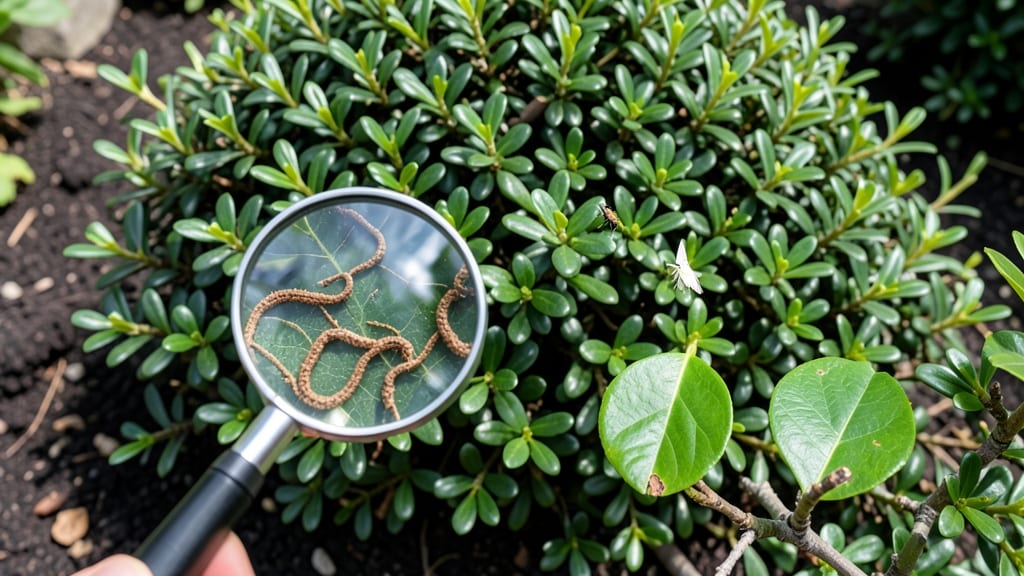
Boxwood leaf miner turns your glossy evergreens into skeletal shadows in just weeks. 🌿 I’ve watched these tiny pests chew through entire shrubs, leaving behind telltale blotchy mines and brown frass—until I discovered a fast-acting organic spray that stops them dead in their tracks.
The key is timing: these larvae hatch in spring, and by summer, they’ve already done their worst. But a neem oil or horticultural soap spray applied at the first sign of damage (those telltale white trails in leaves) can kill 90% of the larvae before they mature.
The secret? Reapply every 7-10 days until fall, when the pests disappear naturally.
What you’ll end up with is boxwoods that stay dense, vibrant, and pest-free—no more brittle branches or unsightly damage. The spray works on mature shrubs and young plants alike, and it’s safe for bees and other pollinators once fully dry.
For stubborn infestations, combine the spray with pruning out heavily damaged leaves and covering plants with fine netting in early spring. This two-pronged approach cuts damage by 80% in just one season. Let’s get those boxwoods back to their best!
Root Causes Of Leaf Damage
Understanding why leaf miners target your boxwoods is the first step to stopping them in their tracks. These tiny pests don’t just appear out of nowhere—they’re drawn by specific conditions in your garden. Let’s break down the key factors that make your shrubs a buffet for these destructive larvae.
Boxwoods that grow too close together create a cozy, humid microclimate—perfect for leaf miners. When foliage is dense and airflow is restricted, moisture lingers, and larvae thrive in the damp, shaded environment.
Overcrowding also makes it harder to spot early signs of infestation, allowing the problem to escalate before you notice.
Why it matters:
- Reduced airflow = higher humidity = ideal breeding conditions.
- Thick foliage hides eggs and larvae, giving them a head start.
- Stressed plants (from competition) are weaker and more susceptible to pests.
Actionable fix: 🔹 Prune regularly to improve airflow and sunlight penetration. 🔹 Space new boxwoods at least 3–4 feet apart to reduce humidity pockets.
Leaf miners zero in on boxwoods that are already struggling—whether from poor soil, drought, or nutrient deficiencies. A healthy plant’s natural defenses (like tougher leaves and stronger bark) deter pests, but stressed shrubs become easy targets.
Why it matters:
- Nutrient-deficient soil = softer leaves = easier for larvae to tunnel.
- Drought stress weakens the plant’s ability to fight off infestations.
- Compacted or poor soil limits root growth, making plants more vulnerable.
Actionable fix: 🔹 Test your soil (pH 6.0–7.0 is ideal for boxwoods) and amend with compost. 🔹 Water deeply but infrequently (1–1.5 inches per week) to avoid stress. 🔹 Fertilize in early spring with a balanced, slow-release formula (10-10-10 or similar).
Female leaf miners are highly selective about where they deposit their eggs. They prefer:
- New, tender growth (spring flushes are prime real estate).
- Undersides of leaves (where moisture and shade protect eggs).
- Plants with previous damage (larvae follow existing tunnels).
Why it matters:
- Spring emergence (adult moths fly in April–May) coincides with fresh growth.
- Warm, humid nights encourage egg-laying activity.
- Unpruned shrubs provide more surface area for egg deposition.
Actionable fix: 🔹 Prune in late winter to remove old, damaged growth before moths emerge. 🔹 Inspect leaves regularly (especially undersides) and remove any eggs (tiny white specks). 🔹 Use row covers in early spring to block adult moths from laying eggs.
Leaf miners love warm, stable temperatures (70–85°F) and high humidity. Regions with:
- Hot, humid summers (like the Southeast U.S.) see worse outbreaks.
- Mild winters (larvae survive longer into the season).
- Frequent rain (keeps leaves damp, aiding larval movement).
Why it matters:
- No winter die-off = larvae survive to multiply more in spring.
- Prolonged humidity = slower drying of leaves = easier tunneling.
- Sudden heatwaves trigger early moth emergence.
Actionable fix: 🔹 Mulch heavily (2–3 inches) to moderate soil temperature and retain moisture (but avoid waterlogging). 🔹 Choose resistant varieties (e.g., ‘Green Velvet’ or ‘Winter Gem’ boxwoods tolerate pests better). 🔹 Monitor weather patterns—apply preventative sprays before predicted warm spells.
Once leaf miners establish a foothold in your garden, they return year after year. Eggs overwinter in leaf litter, soil, or plant debris, ensuring a fresh crop of larvae every spring. If you’ve had an infestation before, your boxwoods are high-risk without intervention.
Why it matters:
- Overwintering larvae pupate in spring, emerging as adults to repeat the cycle.
- Infested leaf debris acts as a nursery for new generations.
- Neighboring gardens can reintroduce moths if winds carry them.
Actionable fix: 🔹 Clean up fallen leaves and prunings in autumn (bag and dispose of them). 🔹 Rotate organic sprays (like neem oil or kaolin clay) to disrupt life cycles. 🔹 Quarantine new plants for 2 weeks before adding them to your garden.
Leaf miners don’t strike randomly—they’re drawn by stress, shelter, and seasonal conditions. By addressing overcrowding, plant health, egg-laying triggers, climate factors, and past infestations, you can break their cycle and protect your boxwoods naturally.
Fixing Leaf Damage Naturally
Now that you understand the root causes behind boxwood leaf miner infestations, it’s time to tackle the problem head-on with practical, organic solutions. The key is acting fast—before the larvae tunnel deeper and the damage becomes irreversible.
Below are targeted fixes for each common cause, along with prevention tips to keep your shrubs thriving.
Cause: Ignoring early signs (frass, wilting, or discolored leaves). Fix:
- Inspect weekly 👀: Flip leaves to spot tiny white larvae or frass (sawdust-like droppings). Act immediately if you see 3+ larvae per leaf.
- Prune affected branches ⏰: Cut and destroy (do not compost!) heavily infested leaves in sealed bags. Focus on new growth where miners hide.
- Shake plants 🌿: Place a white tray under shrubs and gently shake branches to dislodge larvae. Dispose of them in soapy water.
Prevention:
- Train yourself to check boxwoods every 7–10 days during peak miner season (spring to early summer).
- Use a magnifying glass for hard-to-see larvae—early action saves your plants!
Cause: Lack of targeted treatments to kill larvae or adults. Fix: Choose one or more of these sprays, applied at dusk (to protect pollinators):
| Spray Type | How to Use | Best For |
|---|---|---|
| Neem Oil 🌿 | Mix 2 tbsp neem oil + 1 tsp mild soap in 1 gallon water. Spray every 5–7 days for 3 weeks. | Eggs, young larvae, and adults. |
| Spinosad (Organic) | Follow label rates (e.g., 1–2 tbsp/gallon). Reapply after rain. | Late-stage larvae (highly effective). |
| Kaolin Clay 🏺 | Suspend 2 lbs clay in 5 gallons water. Spray to create a barrier larvae can’t penetrate. | Prevention + smothering larvae. |
| Bt (Bacillus thuringiensis) 🦠 | Apply when larvae are small (early signs). Reapply every 2 weeks. | Organic-only gardens (targets caterpillars). |
Pro Tip: 💡 Mix neem oil with a drop of dish soap to help it stick to leaves longer. Avoid spraying when bees are active!
Cause: Overcrowded or stressed plants attract miners. Fix:
- Thin out shrubs 🌱: Prune to improve airflow—miners thrive in dense, humid conditions. Aim for an "open vase" shape.
- Mulch properly 🌎: Use 2–3 inches of organic mulch (wood chips or straw) to deter adult flies from laying eggs. Keep mulch 6 inches away from stems.
- Water wisely 💦: Deep water early in the day (before 10 AM) to reduce leaf moisture, which miners love. Avoid overhead sprinklers.
Prevention:
- Rotate plants ✨: If possible, move boxwoods every few years to break the miner’s life cycle.
- Plant companion shrubs 🌿: Nearby rosemary, lavender, or catmint may repel adult flies naturally.
Cause: Severe infestations where sprays aren’t enough. Fix:
- Handpick larvae 🪰: Wear gloves and pluck larvae off leaves with a damp paper towel. Drop them into soapy water.
- Use sticky traps 🕷️: Place yellow sticky cards near plants to catch adult flies before they lay eggs.
- Bag and burn 🔥: For heavily infested shrubs, wrap the entire plant in a lightproof bag (like a mesh laundry bag) for 2–3 weeks to suffocate larvae. Release adults outside your yard.
Warning: ⚠️ Avoid chemical pesticides unless absolutely necessary—they can harm beneficial insects and leave residues.
- Monitor nearby plants 🌳: Miners spread quickly. Check juniper, yew, and other boxwood varieties in your area. - Encourage predators 🐞: Ladybugs, lacewings, and parasitic wasps eat miner larvae.
Plant dill, fennel, or marigolds to attract them. - Fall cleanup 🍂: Rake and dispose of all fallen leaves in autumn—larvae pupate in leaf litter over winter.
Final Thought: 🎯 The best time to treat boxwood leaf miners is now—before they skeletonize your shrubs. Start with neem oil and cultural fixes, then escalate if needed. With consistency, your boxwoods can bounce back healthier than ever!
Frequently asked questions
What are the first signs of boxwood leaf miner damage?
Look for tiny white larvae or sawdust-like frass (droppings) on leaf surfaces. Early damage appears as pale, blotchy patches between leaf veins, often on new growth. Flip leaves to spot the telltale white trails where larvae tunnel.
Can I save my boxwood if it’s already heavily infested?
Yes! Prune out heavily damaged leaves (seal in a bag for disposal) and apply neem oil or spinosad immediately. For severe cases, wrap the entire shrub in a lightproof mesh bag for 2-3 weeks to suffocate larvae. Repeat treatments every 7-10 days until fall.
How often should I spray for boxwood leaf miners?
Apply organic sprays like neem oil every 5-7 days during peak season (spring to early summer). For spinosad, follow label rates and reapply after rain. Always spray at dusk to protect pollinators. Consistency is key—don’t skip applications!
Will boxwood leaf miners kill my shrubs?
While they won’t kill mature boxwoods outright, severe infestations can weaken plants over time. Chronic damage reduces photosynthesis, making shrubs more vulnerable to disease. Act fast with pruning + sprays to prevent long-term stress.
Can I use chemical pesticides for boxwood leaf miners?
Chemical options like pyrethrin-based sprays can work, but they harm beneficial insects and may leave residues. For organic gardens, prioritize neem oil, kaolin clay, or spinosad first. Reserve chemicals for extreme cases where organic methods fail.