
Pests and Diseases
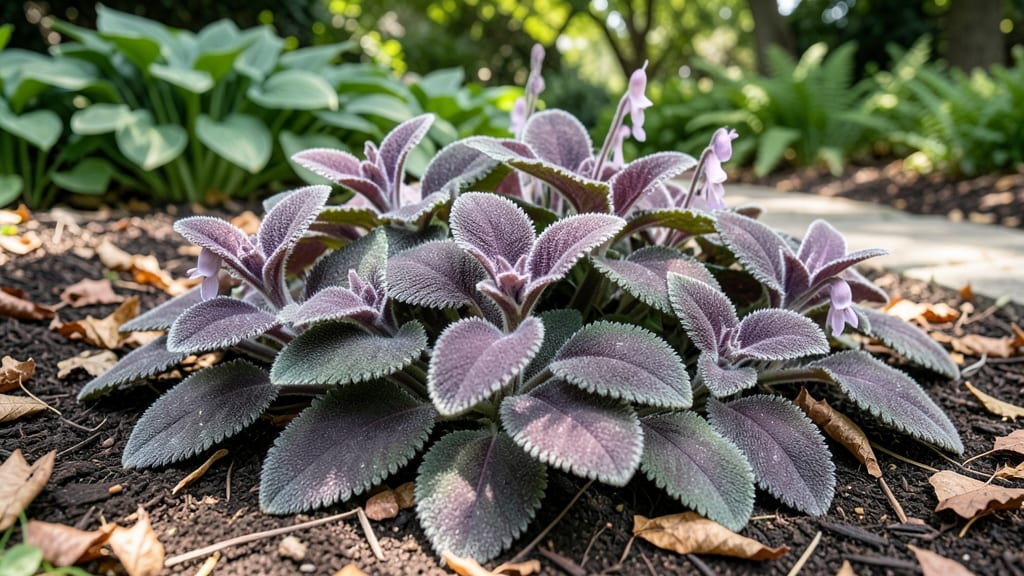
Hairy leaf weeds like lamb's quarters and chickweed turn your garden into a fuzzy green carpet—unless you act fast. 🌱 I've wrestled with these tenacious invaders for years, and copper spray isn't just a last resort; it's the secret weapon that stops fungal spots while controlling the weeds before they take over.
The key is timing and technique, not just spraying. These weeds spread faster than kudzu, but their hairy leaves actually make them easier to identify—and remove. The fuzzy texture isn't just annoying; it's a red flag for fungal issues in your soil.
Copper spray works because it disrupts fungal spores on contact while giving you visible results within 7-10 days of application. You'll end up with cleaner soil, fewer fungal spots on your prized plants, and a garden that looks intentional—not overrun.
The best part? Copper spray breaks the cycle, so next season's weeds start weaker. Here's how to make it work without burning your plants.
First, confirm it's actually a hairy leaf weed (not a beneficial ground cover) by checking for those signature fuzzy leaves and rapid growth. Lamb's quarters and chickweed are common culprits, and they love moist soil—so fix irrigation first.
Copper spray should be your second line of defense after pulling weeds by hand, because it targets both the weeds and the fungal hitchhikers they bring. The spray works best in evening light when temperatures are below 85°F, and you'll need to reapply every 2-3 weeks during active growth.
Mix it properly (follow label rates!) and avoid spraying when rain is forecasted. Within a month, you'll see a noticeable shift—fewer weeds, healthier soil, and plants that aren't playing host to fungal spots.
For gardeners worried about edibility, chickweed is actually safe to eat (raw or cooked), but lamb's quarters can be bitter unless harvested young. That said, neither is worth the headache they cause in your garden beds.
The copper spray approach gives you control without harsh chemicals, and the results speak for themselves: cleaner soil, fewer fungal issues, and a garden that looks like you meant for it to be that way.
Underlying Causes Of Fuzzy Plant Foliage
When your garden plants start developing fuzzy, hairy patches on their leaves—often mistaken for a natural trait—it’s usually a sign of stress or infection. Understanding the root causes helps you tackle the issue effectively.
Below, we break down the most common reasons why fuzzy leaf growth appears, along with the science behind each trigger.
Excess moisture creates the perfect breeding ground for fungal spores, including those responsible for fuzzy leaf growth. When soil stays soggy for prolonged periods, pathogens like Erysiphe (powdery mildew) or Alternaria thrive. These fungi produce fuzzy, white, or grayish coatings on leaves as they feed on plant tissues.
Why it happens:
- Root suffocation: Poor drainage cuts off oxygen to roots, weakening the plant’s defenses and making it susceptible to fungal attacks.
- Humidity buildup: Overwatered plants create a microclimate of high humidity, which fungal spores love. This is especially true in containers or dense foliage where air doesn’t circulate.
- Nutrient imbalance: Waterlogged soil leaches essential nutrients like nitrogen and phosphorus, further stressing the plant and lowering its resistance.
Actionable fix: Ensure pots have drainage holes and amend heavy clay soil with compost or perlite. Water only when the top inch of soil is dry, and avoid overhead irrigation during humid conditions.
Fuzzy leaf growth is often a symptom of fungal infections like powdery mildew, downy mildew, or even bacterial leaf spot. These pathogens don’t just appear out of nowhere—they exploit weak plants or favorable environmental conditions.
Key culprits:
| Pathogen | Appearance | Trigger Conditions |
|---|---|---|
| Erysiphe (Powdery Mildew) | White, powdery, fuzzy coating (like dust) | Warm temperatures (60–80°F), low humidity, poor air circulation |
| Alternaria (Leaf Spot) | Dark spots with fuzzy edges, often concentric rings | High humidity, wet foliage, crowded plants |
| Botrytis (Gray Mold) | Grayish-brown fuzzy patches, especially on flowers/leaves | Cool, damp conditions, injured plant tissue |
Actionable fix: Remove infected leaves immediately, improve airflow with pruning, and apply a copper fungicide (like copper sulfate) to disrupt spore germination. Avoid wetting foliage when watering.
Pests like aphids, spider mites, or thrips don’t cause fuzzy growth directly, but their damage weakens plants, making them vulnerable to fungal hitchhikers. These insects feed on sap, creating tiny wounds that let fungi enter.
How it plays out:
- Honeydew buildup: Aphids excrete sticky honeydew, which attracts sooty mold—a black, fuzzy fungus that thrives on sugar residues.
- Physical stress: Mites puncture cells, reducing chlorophyll production and leaving plants energy-depleted to fight infections.
Actionable fix: Treat pest infestations with neem oil or insecticidal soap, then monitor for fungal outbreaks. Keep plants healthy with balanced fertilization to boost natural defenses.
Extreme or fluctuating conditions—like sudden temperature drops, high heat, or drought—can shock plants into producing fuzzy growth as a stress response. While not always fungal, this "hairy" appearance is often a sign of cellular damage.
Common triggers:
- Cold snaps: Chilled leaves become more permeable, allowing pathogens to invade easily.
- Heat stress: Plants wilt, and transpiration slows, trapping moisture and promoting fungal growth.
- Windburn: Abrasive winds create microscopic tears, providing entry points for fungi.
Actionable fix: Use row covers for frost protection, mulch to regulate soil temperature, and water deeply during heatwaves. Choose disease-resistant plant varieties for high-stress areas.
💡 Pro Tip: If fuzzy growth appears suddenly on multiple plants, check for shared stressors—like a broken irrigation system or nearby standing water. Addressing the environment often prevents the need for chemical treatments.
How to Fix Fungal Foliage Foes
Fungal infections like hairy leaf weed (or Stigmina leaf spot) can turn your garden’s lush greenery into a sad, spotted mess—but don’t despair! With the right approach, you can revive your plants and keep future outbreaks at bay.
Below, we’ve broken down targeted solutions based on the root causes, from quick fixes to long-term prevention. Grab your gloves and let’s get to work! 🌱💦
If you’ve already spotted velvety, hairy patches or brown lesions on leaves, act fast to stop the spread.
- 🍳 Prune and Remove Infected Leaves
- Use sterilized pruners (wipe with rubbing alcohol between cuts) to trim away heavily infected leaves.
- Do not compost these leaves—bag and discard them in the trash to prevent reinfection.
- Pro Tip: 💡 If the infection is on a small plant, consider removing the entire plant if it’s severely compromised.
- 👨🍳 Apply Copper-Based Fungicide (The Game-Changer)
- Copper spray (like copper sulfate or copper hydroxide) is your best defense—it disrupts fungal spores on contact.
- Mix it right: Follow label instructions (typically 1-2 tbsp per gallon of water).
- Spray thoroughly on both leaf surfaces, stems, and even the soil beneath (fungi love hiding there!).
- Pro Tip: 🌡️ Apply in the early morning or late evening to avoid burning leaves in direct sunlight.
- 🥘 Boost Plant Immunity with Baking Soda Spray (Natural Option)
- Mix 1 tsp baking soda + 1 tbsp vegetable oil + 1 tsp dish soap per quart of water.
- Spray every 7-10 days to create an alkaline environment fungi hate.
- Best for: Mild infections or as a preventative maintenance spray.
Once you’ve treated the current outbreak, prevent recurrence with these low-effort habits:
| Cause | Fix It With This | Prevention Tip |
|---|---|---|
| Poor Air Circulation | Space plants 12-18" apart, use fans | 🌬️ Thin out dense foliage in humid areas. |
| Overwatering | Water at soil level, avoid wetting leaves | 💧 Water early in the day so leaves dry fast. |
| Old/Decaying Leaves | Clean up debris, mulch properly | ✂️ Remove fallen leaves weekly in wet climates. |
| High Humidity | Improve drainage, use shade cloth | 🌧️ Avoid overhead watering in humid seasons. |
| Weakened Plants | Fertilize with low-nitrogen, high-phosphorus | 💪 Feed plants every 4-6 weeks for strong growth. |
If the infection persists after treatment, try these next-level strategies:
- 🍄 Beneficial Fungi & Bacteria
- Introduce Trichoderma harzianum (a natural fungus fighter) or Bacillus subtilis (found in some organic sprays).
- Where to find it: Garden centers or online (look for biological fungicides).
- 🌿 Neem Oil Spray (Fungal & Pest Double Duty)
- Mix 1 tbsp neem oil + 1 tsp mild soap per quart of water.
- Spray weekly for 2-3 weeks to smother spores and deter future outbreaks.
- 🌡️ Adjust Growing Conditions
- Move plants to a sunnier spot (fungi thrive in shade).
- Improve soil drainage with compost or sand mixes.
- 💡 Rotate Your Sprays: Don’t rely only on copper—alternate with neem, baking soda, or biological controls to prevent resistance.
- 🎯 Monitor New Plants: Quarantine new additions for 2 weeks before introducing them to your garden.
- 🌱 Choose Resistant Varieties: If you’re growing susceptible plants (like roses, azaleas, or viburnum), opt for fungus-resistant cultivars next season.
Remember: Consistency is key! Fungal infections won’t disappear overnight, but with regular pruning, copper sprays, and smart prevention, your plants will bounce back stronger—and stay that way. 🌿💪
Frequently asked questions
What are the most common types of hairy leaf weeds I should watch for?
Look for lamb's quarters (with soft, fuzzy leaves) and chickweed (tiny, hairy stems). Other culprits include mullein (woolly leaves) and ground ivy (square stems with hairy edges). These weeds thrive in moist soil and spread rapidly, so early identification is key to preventing fungal issues they carry.
Can copper spray harm my other plants or pets?
When used correctly, copper spray is low-toxicity but should be applied carefully. Avoid spraying edible plants within 24 hours of harvest, and keep pets away until dry. Always follow label instructions—overuse can stress plants. For pets, opt for organic alternatives like neem oil if you're concerned about safety.
How often should I reapply copper spray for best results?
Reapply copper spray every 2-3 weeks during active weed growth or after heavy rain. For prevention, a monthly application works well. The key is consistency—fungal spores can return quickly if you skip treatments. Always spray in the evening to avoid leaf burn from sunlight.
Is hairy leaf weed edible, or should I remove it entirely?
Chickweed is edible (young leaves are mild and nutritious), but lamb's quarters can be bitter unless harvested young. For garden health, remove it entirely—these weeds compete with your plants and harbor fungal spores. If you want to eat them, harvest from uncontaminated areas and rinse thoroughly.
What’s the fastest way to stop hairy leaf weeds from spreading?
Combine manual removal (pull weeds when soil is moist) with copper spray for a one-two punch. For stubborn patches, smother with cardboard or mulch to block sunlight. Act within 48 hours of spotting new growth—weeds spread via wind and water, so speed is critical.