
Planting
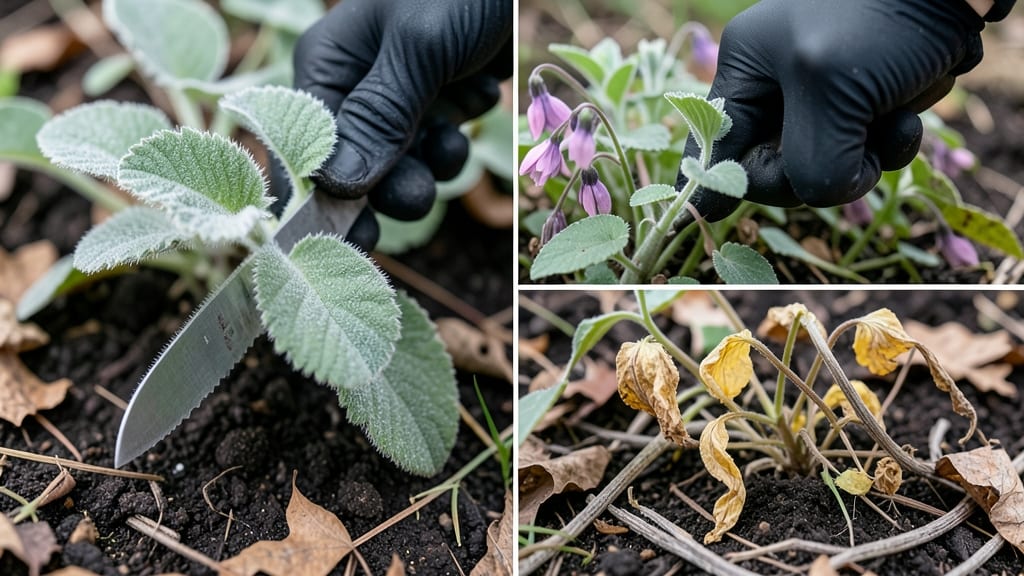
That velvety green invader in your garden might be a fuzzy leaf plant weed—or it could be a prized ornamental like lamb's ear. 🌿 The key to telling them apart starts with leaf texture, growth habit, and where it's popping up.
I've pulled more of these fuzzy lookalikes than I'd like to admit, and here's how to ID them without making costly mistakes.
Some fuzzy-leafed plants are harmless (or even desirable), while others like ground ivy or henbit can crowd out your flowers or spread aggressively. The first step is checking the leaf shape—round and woolly?
Probably lamb's ear. Jagged edges with a minty scent? Likely a weed. Most gardeners confuse these because they grow low to the ground and blend into mulch.
Once you've identified it, removal is straightforward: dig up the roots completely for weeds, or trim ornamental varieties back to encourage bushier growth. For toxic lookalikes like poison ivy (which can have fuzzy leaves), wear gloves and dispose of plants properly.
You'll know you've succeeded when your garden beds stay clear of unwanted fuzzy invaders.
This works for both ground-level weeds and taller fuzzy plants creeping into flower beds. The same principles apply whether you're dealing with a small patch or a full garden takeover. Let's get those plants correctly identified and managed!
What Triggers Unwanted Growth
Fuzzy leafed plants popping up where you don’t want them aren’t just a nuisance—they’re often the result of specific environmental or human factors. Understanding these causes helps you prevent future outbreaks and tackle them effectively.
Below, we break down the most common reasons why fuzzy-leafed weeds invade your garden, lawn, or containers.
Weeds with fuzzy leaves thrive in soil that’s too rich, compacted, or lacking proper nutrients. Here’s why:
- Excessive nitrogen: Fertilizers high in nitrogen (like lawn fertilizers) create lush conditions for weeds, including fuzzy-leafed varieties like Lamium or Stachys. These plants take advantage of the easy nutrients, outcompeting your desired plants.
- Compacted soil: Heavy foot traffic, machinery, or poor drainage compresses soil, making it harder for grass or ground covers to establish deep roots. Fuzzy-leafed weeds, with their shallow root systems, fill the gaps instead.
- Lack of organic matter: Soil low in compost or mulch struggles to retain moisture and nutrients. Weeds like Chamaenerion angustifolium (fireweed) exploit these conditions by germinating quickly in disturbed, nutrient-poor patches.
Actionable fix: Test your soil’s pH and nutrient levels (aim for 6.0–7.0 pH for most plants). Amend with compost or organic matter to improve structure and reduce weed-friendly conditions.
Fuzzy-leafed weeds often dominate in areas with excess moisture or stagnant water. Here’s the science behind it:
- Waterlogged soil: Plants like Persicaria maculosa (ladysthumb) and Mentha arvensis (wild mint) love damp environments. Poor drainage creates the perfect breeding ground, as their fuzzy leaves help retain moisture, giving them a competitive edge.
- Frequent irrigation: Overwatering washes away nutrients, leaving behind a thin layer of topsoil that’s easy for weeds to colonize. Fuzzy-leafed species often germinate in these disturbed, moist pockets.
- Shady, damp spots: Areas under trees or in low-lying garden beds stay consistently moist. Weeds like Oxalis (wood sorrel) thrive here, their fuzzy leaves helping them photosynthesize efficiently in low light.
Actionable fix: Improve drainage by amending soil with perlite or sand. Water deeply but less frequently to encourage deep root growth in your plants, which crowds out weeds.
Fuzzy-leafed weeds are opportunistic—they exploit any disruption in your landscape. Here’s how it happens:
- Newly tilled areas: Till or dig up soil, and you’re essentially inviting weeds to move in. Seeds from fuzzy-leafed species (like Galium aparine, or cleavers) lie dormant in the soil for years, waiting for disturbance to germinate.
- Thinning grass or mulch: Gaps in lawns or mulch beds create open spaces where weeds can establish quickly. Their fuzzy leaves help them conserve water in these exposed areas.
- Construction or landscaping: Even minor soil disruption—like planting new shrubs or repairing sidewalks—can expose buried weed seeds to light and moisture, triggering germination.
Actionable fix: Use pre-emergent herbicides (like corn gluten meal) in early spring to prevent weed seeds from sprouting. For bare spots, apply mulch (2–4 inches) to block light and suppress growth.
Sometimes, fuzzy-leafed weeds hitch a ride or are spread by wildlife. Here’s how:
- Birds and animals: Seeds from weeds like Plantago major (broadleaf plantain) or Taraxacum officinale (dandelion) stick to animal fur or bird feathers, then drop in new locations. Their fuzzy leaves help seeds cling during transport.
- Insects: Some fuzzy-leafed weeds, like Galium species, produce sticky seeds that latch onto insects, which then carry them to other areas.
- Wind dispersal Lightweight seeds with fuzzy textures (e.g., Ambrosia or ragweed) travel easily on breezes, landing in cracks or crevices where they germinate.
Actionable fix: Remove weeds before they go to seed, and keep pets’ paws clean. For windborne seeds, use windbreaks or dense plantings to reduce spread.
By addressing these root causes—whether it’s soil health, water management, or disturbance—you can create an environment where fuzzy-leafed weeds struggle to take hold. Prevention is always easier (and safer) than removal!
How to Fix Fuzzy Leaf Invaders
Got an unwanted fuzzy leaf plant crowding your garden? Whether it’s a toxic lookalike or an aggressive weed, the key is acting fast with the right tools and techniques. Below, we’ve mapped out practical solutions for every common cause—plus prevention tips to keep your plants (and your skin!) safe.
Cause: Fuzzy-leafed weeds (like Lamium or Stachys) spread quickly, smothering your desired plants. Fix:
- Pull by hand (best for small patches) 👩🌾
- Wear gloves (some fuzzy leaves irritate skin).
- Grasp the base and tug firmly—roots should come out easily if the soil is moist.
- Pro tip: 💡 Pull on a cloudy day when soil is softer.
- Use a weeding tool (for stubborn roots) ⚒️
- A hula hoe or dandelion digger slices through thick foliage without disturbing nearby plants.
- For deep roots, a hand trowel works best after loosening the soil with water.
Prevention:
- Mulch heavily (2–3 inches of wood chips or straw) to block sunlight and slow regrowth. ✨
- Plant densely with ground covers (like creeping thyme) to outcompete weeds naturally.
Cause: Misidentified fuzzy plants (e.g., Lantana vs. Stachys) can poison pets or kids if ingested. Fix:
- Identify first (use a plant ID app like PictureThis or consult a local nursery).
- Remove contaminated soil 🧹
- If the fuzzy plant is in a pot, dump the soil and replace with fresh, sterile mix.
- For garden soil, solarize (cover with clear plastic for 4–6 weeks in summer) to kill weed seeds.
- Disinfect tools between plants to avoid spreading seeds. 🧴
Prevention:
- Label all plants with tags (include common names and toxicity warnings).
- Quarantine new plants for 2 weeks before mixing with others.
Cause: Hidden root fragments or buried seeds sprout new growth. Fix:
- Spot-treat with vinegar (for non-organic gardens) 🍶
- Mix 1 gallon white vinegar + 1 cup salt + 1 tbsp dish soap.
- Spray directly on leaves (avoid desirable plants—it’s non-selective!).
- Reapply every 3–4 days until gone.
- Smother with cardboard (for large areas) 📄
- Lay down wet cardboard over the area, then top with mulch. Weeds decompose in 4–6 weeks.
Prevention:
- Inspect soil before replanting—remove any remaining fuzzy stems or seeds.
- Aerate compacted soil to encourage deeper roots in your plants (weeds hate competition!).
Cause: Some fuzzy-leafed weeds (like Deadly Nightshade lookalikes) are toxic if chewed. Fix:
- Relocate high-risk plants to a fenced or elevated area (e.g., hanging baskets).
- Apply pet-safe deterrents 🐕
- Sprinkle citrus peels or coffee grounds around the plant’s base (animals dislike the smell).
- For kids’ play areas, replace with non-toxic alternatives like lamb’s ear (Stachys byzantina—non-toxic but fuzzy!).
Prevention:
- Educate your family/pets—teach kids to avoid touching unknown plants, and keep pets on leashes in gardens.
- Test soil for toxicity if you’re unsure (local extension offices can help).
Cause: Perennial weeds (like Lamium) regrow from roots or seeds in the soil. Fix:
- Dig deeper (6+ inches) to remove root crowns. 🔨
- Solarize or flame (for stubborn patches):
- Solarization: Cover with plastic for 6+ weeks in summer.
- Flame weeding: Use a propane torch (hold 2–3 inches above leaves for 10–15 seconds).
- Plant competitive ground covers (e.g., clover or moss) to suppress regrowth. 🌿
Prevention:
- Avoid tilling—it spreads buried seeds. Instead, hand-pull or use a hoe.
- Rotate crops if growing veggies to break weed life cycles.
| Problem | Grab-and-Go Solution |
|---|---|
| Fuzzy leaves in flower beds | Spray with boiling water (pour slowly on roots). |
| Weeds in cracks | Use a plastic spoon to scoop out small weeds. |
| Toxic plant ingestion | Call Poison Control (1-800-222-1222) immediately. |
Final Tip: Consistency is key—check your garden weekly for new fuzzy intruders. With these methods, you’ll reclaim your space without harsh chemicals! 🌱💪
Frequently asked questions
How can I tell if my fuzzy-leafed plant is a weed or an ornamental?
Check the leaf shape and growth pattern: ornamental fuzzy plants like lamb's ear have round, dense leaves and stay contained, while weeds often have jagged edges or spread aggressively. Look for flowers—many weeds produce small, insignificant blooms while ornamentals have showy ones.
Are all fuzzy-leafed plants toxic to pets?
No, but some common lookalikes like Deadly Nightshade or Poison Ivy are dangerous. Safe alternatives include Stachys byzantina (lamb's ear) or Calamintha. When in doubt, use a plant ID app or consult your vet before assuming a fuzzy plant is safe.
What's the fastest way to remove fuzzy weeds from cracks in pavement?
Use a plastic spoon to scoop out small weeds, then pour boiling water directly on the roots. For stubborn patches, apply a vinegar solution (1 gallon vinegar + 1 cup salt) and cover with mulch to prevent regrowth. Repeat weekly until cracks are clear.
Can I compost fuzzy-leafed weeds?
Only if they're non-toxic and seed-free. Remove flowers/seed heads first, then chop leaves into small pieces and bury deep in your compost pile. Toxic varieties (like poison ivy) must go in the trash—never in compost or yard waste.
Why do fuzzy weeds keep coming back after I pull them?
Most likely, you missed the root crown or buried seeds. Dig 6+ inches deep to remove all roots, then solarize the area (cover with plastic for 6 weeks) to kill remaining seeds. For prevention, mulch heavily (2-3 inches) to block sunlight.