
Shrubs
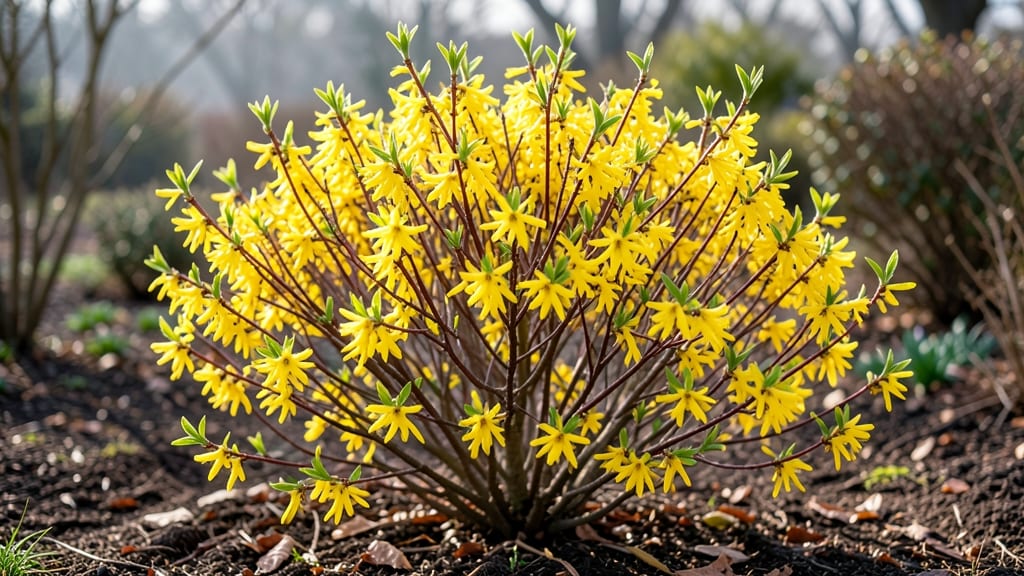
Your garden just got a year-round showstopper—a green-and-yellow leaf shrub that steals the scene whether it’s summer’s golden hour or winter’s quiet frost. 🌿 I planted mine last spring, and now it’s the centerpiece of my front border, its bright foliage catching every passerby’s eye.
The contrast isn’t just pretty—it’s a conversation starter that works in any light condition, from dappled shade to full sun.
These shrubs thrive where others falter: they handle heat, humidity, and even a little neglect, making them perfect for busy gardeners. Pair one with deep purple heucheras or silvery lamb’s ear for a striking color trio, or let it stand alone as a bold focal point near your patio.
Their low-maintenance nature means you’ll spend more time admiring them than fussing over them—just a light pruning in early spring keeps them looking their best.
Imagine this: crisp autumn mornings where the golden leaves shimmer against morning dew, or winter days when their sunlit foliage brightens even the grayest skies. The best part? They grow fast enough to fill gaps in your design within a single season, yet stay compact enough for smaller spaces.
Whether you’re framing a walkway or adding drama to a corner, this shrub delivers instant impact with minimal effort.
Pro tip: Plant them where their foliage will pop against darker evergreens or lighter perennials—think hostas or ferns. And if you love the look but worry about winter burn, choose varieties with thicker leaves for extra resilience.
Trust me, once you see one in person, you’ll be hunting for more to add to your garden’s palette.
What Triggers Color Changes
Your vibrant green-and-yellow leaf shrub isn’t just a lucky accident—it’s a response to its environment. Understanding the science behind its foliage shifts helps you nurture (or correct) its stunning contrast. Here’s why those leaves turn bold yellow, and how to keep the drama going.
Yellowing leaves often scream, “Feed me!”—especially when chlorophyll (the green pigment) breaks down due to nutrient shortages. Here’s the breakdown:
- Nitrogen (N) Deficiency:
Yellowing starts between veins (interveinal chlorosis) because nitrogen is critical for chlorophyll production. Shrubs like Forsythia or Spirea may show this if soil is depleted after winter or overwatered (leaching nutrients). Fix: Apply a balanced fertilizer (10-10-10) in early spring or use composted manure.
- Iron (Fe) or Magnesium (Mg) Shortages:
Yellowing with green veins? This classic chlorosis pattern often means iron or magnesium is locked out—common in alkaline soils (pH >7.0) where these nutrients become unavailable. Fix:
- Test soil pH (aim for 6.0–7.0 for most shrubs).
- Add chelated iron or Epsom salt (magnesium sulfate) for a quick boost.
- Mulch with pine needles (acidifying) or peat moss to lower pH gradually.
- Potassium (K) or Zinc (Zn) Issues:
Yellowing edges or spots may signal potassium deficiency, while stunted growth + yellowing could mean zinc. Fix: Use a potassium-rich fertilizer (like greensand) or zinc sulfate spray for severe cases.
💡 Pro Tip: Slow-release fertilizers prevent spikes that can burn roots. Always water deeply after applying nutrients to help them reach roots.
Yellow leaves can also be your shrub’s way of saying, “I’m overwhelmed!”—whether from too much sun, heat stress, or winter damage. Here’s how to decode the clues:
| Symptom | Cause | Solution |
|---|---|---|
| Yellowing new growth in summer | Heat stress or transplant shock (roots can’t keep up with top growth). |
|
| Yellowing older leaves in late winter | Winter burn (cold + wind desiccates leaves) or freeze damage. |
|
| Yellowing with brown edges in full sun | Sun scorch (too much direct sunlight for the shrub’s tolerance). |
|
✨ Key Insight: Variegated shrubs (like Euonymus ‘Emerald Gaiety’) often yellow more in low light because they rely on sunlight to maintain pigment contrast. Move them to bright, indirect light if colors fade.
Not all yellowing is nutrient-related—sometimes, pests or pathogens hijack your shrub’s health. Watch for these red flags:
- Spider Mites or Aphids:
Tiny pests suck sap, causing yellowing, stippling, or webbing. They thrive in dry, hot conditions. Fix:
- Blast off mites with a strong hose spray (disrupts their webs).
- Use neem oil or insecticidal soap (reapply every 5–7 days).
- Encourage ladybugs (natural predators) with nearby dill or marigolds.
- Fungal Leaf Spot:
Yellow halos or spots with dark edges? Fungal infections (like Septoria) love wet foliage. Fix:
- Remove infected leaves and destroy them (don’t compost!).
- Space shrubs for airflow (avoid crowding).
- Apply copper fungicide preventatively in spring.
- Root Rot:
Yellowing bottom leaves that wilt despite watering? Overwatering or poor drainage can drown roots. Fix:
- Check soil moisture—stick your finger in 2 inches deep. Water only if dry.
- Amend soil with perlite or sand to improve drainage.
- Repot or transplant if roots are mushy (trim healthy roots and treat with hydrogen peroxide (3%) to kill pathogens).
🔥 Warning: If yellowing spreads rapidly with blackened veins, it could be bacterial leaf scorch—a serious disease. Prune infected parts immediately and avoid overhead watering.
Revive Your Shrub’s Vibrancy
Yellowing leaves on your once-lush shrub can feel like a garden mystery, but the good news? Most causes have simple fixes. Below, we’ve mapped common issues to actionable solutions—plus prevention tips to keep your shrub thriving year-round. Let’s get your foliage back to its bold, dramatic best!
Signs: Yellowing leaves, soggy soil, wilting despite water.
Fix It: 🔥 Step 1: Check the Soil – Stick your finger 2 inches deep. If it’s damp, hold off on watering. If it’s bone-dry, you’ve likely underwatered (not overwatered). For soggy soil, dig around the roots to loosen compacted earth. 🍳 Step 2: Adjust Watering Habits – Water deeply but only when the top 1–2 inches of soil are dry. Use a moisture meter for precision. Avoid watering on a schedule—let the plant guide you. 👨🍳 Step 3: Improve Drainage – Amend heavy clay soil with compost or perlite (mix 20% organic matter into the top 6 inches). If your shrub sits in a low spot, create a slight mound or add a French drain (a buried gravel trench) to redirect excess water. 🥘 Step 4: Prune Damaged Leaves – Snip off yellowed or mushy leaves to redirect energy to healthy growth.
Prevention Tips: ✨ Use raised beds for shrubs prone to soggy roots. 🌡️ Mulch with 2–3 inches of organic mulch (like shredded bark) to regulate soil moisture. 🎯 Group shrubs with similar water needs to simplify care.
Signs: Crispy yellow edges, dry soil, leaves curling upward.
Fix It: 🔥 Step 1: Water Deeply – Give your shrub 1–1.5 inches of water per week (including rain). Use a soaker hose or drip irrigation to deliver water slowly to the roots. 🍳 Step 2: Water at the Right Time – Early morning (6–9 AM) is ideal. Avoid evening watering, which can encourage fungal diseases. 👨🍳 Step 3: Provide Shade Relief – If your shrub is in a hot, sunny spot, temporarily shade it with a lightweight fabric (like shade cloth) during peak afternoon heat (12–4 PM). 🥘 Step 4: Trim Sun-Scorched Leaves – Cut back severely damaged leaves to help the shrub recover faster.
Prevention Tips: 💡 Mulch heavily (3–4 inches) to retain moisture. 🔥 Choose heat-tolerant varieties (like Abelia or Oakleaf Hydrangea) if your climate is scorching. 🌡️ Monitor soil moisture with a wooden skewer test: Push a stick into the soil—if it comes out clean, water is needed.
Signs: Yellow patches with white powdery film (mildew) or brown spots with yellow halos (leaf spot).
Fix It: 🔥 Step 1: Remove Infected Leaves – Prune away all yellowed or spotted leaves and dispose of them in the trash (not compost). 🍳 Step 2: Apply Fungicide – Spray with a copper-based fungicide or neem oil solution (1 tbsp neem oil + 1 tsp mild soap per quart of water). Reapply every 7–10 days until new growth appears. 👨🍳 Step 3: Improve Airflow – Thin out overgrown branches or nearby plants to increase circulation. Fungi thrive in damp, stagnant air. 🥘 Step 4: Water Wisely – Water at the base (not overhead) and avoid late-day watering to keep leaves dry.
Prevention Tips: ✨ Space shrubs 3–5 feet apart for airflow. 🌡️ Water early in the day so foliage dries quickly. 🎯 Choose disease-resistant varieties (e.g., Dwarf Fothergilla or Pieris).
Signs: Yellow between veins (iron/chlorosis), pale yellow overall (nitrogen), or yellow with purple stems (magnesium).
Fix It: 🔥 Step 1: Test Your Soil – Grab a DIY soil test kit (or send a sample to a local extension office) to identify deficiencies. 🍳 Step 2: Amend the Soil –
- Iron deficiency (yellow between veins): Sprinkle iron chelate granules around the base and water deeply.
- Nitrogen deficiency (pale yellow): Apply a balanced fertilizer (10-10-10) or compost in early spring.
- Magnesium deficiency (yellow with purple): Work Epsom salt (1 tbsp per gallon of water) into the soil or spray on leaves.
👨🍳 Step 3: Mulch with Compost – A 2-inch layer of compost slowly releases nutrients and improves soil structure. 🥘 Step 4: Avoid Over-Fertilizing – Too much fertilizer can burn roots. Follow package instructions closely.
Prevention Tips: 💡 Add compost annually to maintain soil health. 🔥 Use slow-release fertilizers for steady nutrient supply. 🌡️ Plant shrubs in well-draining, slightly acidic soil (pH 5.5–6.5) for optimal uptake.
Signs: Sticky residue (honeydew), tiny webs, or chewed leaves.
Fix It: 🔥 Step 1: Inspect Leaves – Hold a white sheet under the shrub and shake it gently. Look for tiny bugs or webbing. 🍳 Step 2: Blast Off Pests – Spray leaves with a strong stream of water to dislodge aphids or spider mites. 👨🍳 Step 3: Use Natural Repellents –
- Neem oil spray (1 tbsp neem + 1 tsp soap per quart of water).
- Insecticidal soap (follow label rates).
- Introduce beneficial insects (ladybugs or lacewings) for long-term control.
🥘 Step 4: Prune Heavily Infested Branches – Remove and burn or bag severely damaged growth.
Prevention Tips: ✨ Encourage predator insects by planting marigolds or dill nearby. 🎯 Keep your garden clean—remove fallen leaves where pests hide. 🌡️ Inspect new plants before bringing them home.
Signs: Sudden yellowing with crispy edges, stunted growth.
Fix It: 🔥 Step 1: Flush the Soil – Water the shrub deeply for 10–15 minutes to leach out excess salts. 🍳 Step 2: Avoid Fertilizer for 4–6 Weeks – Let the roots recover before applying any amendments. 👨🍳 Step 3: Use Chelated Nutrients – If you must fertilize, switch to chelated iron or organic fertilizers (like fish emulsion), which are gentler. 🥘 Step 4: Prune Damaged Tips – Trim back yellowed or browned leaf tips to encourage new growth.
Prevention Tips: 💡 Follow fertilizer labels—more isn’t better! 🔥 Test soil before fertilizing to avoid overdoing it. 🌡️ Use organic mulch to buffer soil chemistry naturally.
If your shrub’s leaves won’t improve after 4–6 weeks of care, or if you suspect root rot, bacterial infections, or severe pest infestations, consult a local arborist or nursery
Frequently asked questions
What are the best green-and-yellow shrubs for full sun exposure?
Top performers include ‘Gold Mound’ Spirea (hardy and drought-tolerant) and ‘Little Golden’ Ninebark (compact with golden foliage). For bold contrast, try ‘Emerald Gaiety’ Euonymus—its chartreuse edges stay vibrant even in hot afternoons. All three thrive in 6+ hours of direct sun and handle heat better than many variegated shrubs.
Can I grow these shrubs in containers?
Choose compact varieties like ‘Dwarf Fothergilla or ‘Gold Star’ Potentilla, which stay under 3 feet tall. Use a well-draining potting mix with perlite and repot every 2-3 years to refresh nutrients. Place containers where they get morning sun and afternoon shade to prevent leaf scorch.
Why does my shrub's yellow lose intensity in winter?
Variegated shrubs often fade in winter because chlorophyll production slows in cooler temps. The yellow pigments (xanthophylls) become less visible against the dominant green. To maintain vibrancy, choose cold-hardy varieties like ‘Sunspot’ Cotoneaster or ‘Gold Flush’ Hydrangea, which retain their color better in winter.
How do I prune these shrubs for maximum foliage contrast?
Prune in early spring before new growth appears. Remove 1/3 of the oldest stems at the base to encourage fresh, vibrant growth. For shaped shrubs, trim just above leaf nodes at a 45-degree angle. Avoid heavy pruning in fall—it reduces winter hardiness. Use sterilized tools to prevent disease spread.
What companion plants highlight green-and-yellow shrubs best?
Pair with deep purple foliage like ‘Black Lace’ Elderberry or ‘Purple Smoke’ Bush for dramatic contrast. For softer combinations, try silver-blue foliage like Lamb's Ear or ‘Silver Mound’ Artemisia. These pairings create stunning visual pops while maintaining a cohesive garden palette.