
Aphids
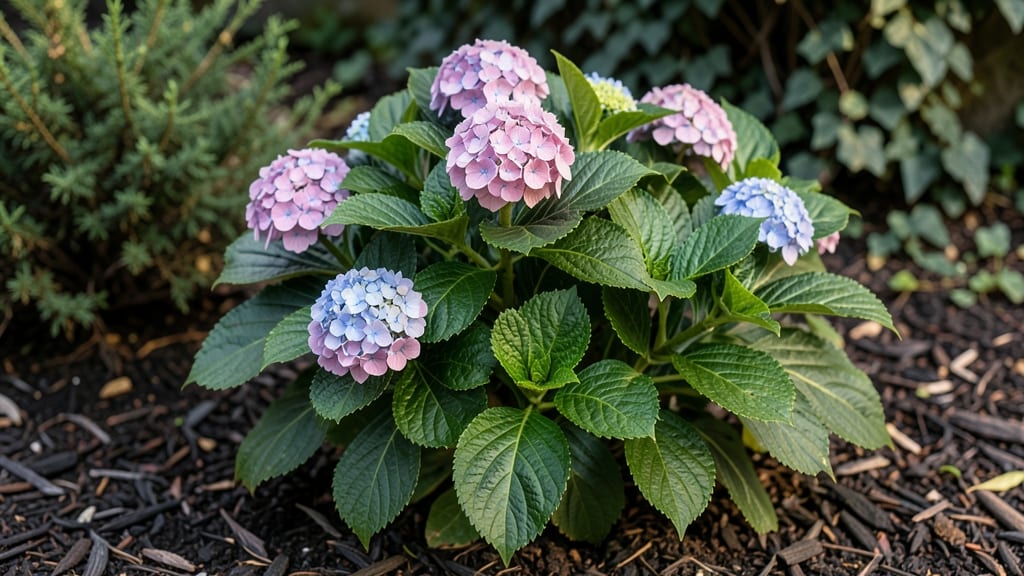
The Gatsby Gal Oakleaf Hydrangea transforms your garden into a four-season showstopper with its bold foliage and pest-resistant charm. 🌿 I fell for this variety after struggling with mildew on my first oakleaf hydrangea—this one handles humidity and pests like a champ while delivering leaves that shift from deep green to fiery red-orange by fall.
Plant it where it gets morning sun and afternoon shade, in well-draining soil with a touch of compost. The key to its dramatic color display lies in consistent moisture (but never soggy roots) and a light feeding of balanced fertilizer in spring.
Prune right after flowering to encourage next year's blooms, and watch as its unique oak-shaped leaves become the star of your landscape. By late summer, you'll see those showy white summer blooms followed by seed heads that add winter interest.
The foliage stays intact through frost, and its compact growth habit (5-6 feet tall and wide) makes it perfect for foundation plantings or mixed borders. Even in humid climates, it resists the powdery mildew that plagues other hydrangeas.
For best results, mulch around the base to protect roots in winter and water deeply during droughts. This variety's low-maintenance nature and year-round appeal make it a standout for gardeners who want drama without the fuss. Let's get yours planted!
📚 In This Guide
- What you need
- Instructions
- Tips and common mistakes
- Wrapping up and next steps
What you need
- ● Gatsby Gal Oakleaf Hydrangea: 1-3 plants (depending on desired coverage; spacing 4-6 feet apart for mature growth).
- ● Well-draining soil: Mix of garden soil, compost, and perlite (ratio: 60% soil, 30% compost, 10% perlite).
- ● Organic mulch: 2-3 inches of shredded bark or pine needles (to retain moisture and suppress weeds).
- ● Slow-release fertilizer: 10-10-10 or balanced organic fertilizer (e.g., fish emulsion or compost tea).
- ● Pruning shears: Bypass pruners (sterilized with rubbing alcohol).
- ● Garden gloves: Heavy-duty, chemical-resistant (to protect hands from thorns and sap).
- ● Watering can or hose with adjustable nozzle: For deep, gentle watering (1-2 gallons per plant, 2-3 times per week).
- ● Pest control (preventative): Neem oil (1 tsp per gallon of water) for aphid deterrence.
- ● Insecticidal soap (ready-to-use spray).
- ● Soil pH tester: To ensure soil is slightly acidic (pH 5.5-6.2; hydrangeas love it!).
- ● Staking system: 3-4 bamboo stakes + twist ties (for young plants in windy areas).
- ● Drip irrigation kit: For automated, consistent watering.
- ● Garden kneeler/pad: For comfort during planting or maintenance.
- ○ Plant support cages: (Optional) For large, mature plants needing extra structure.
- ● Sunlight: Partial shade to full sun (4-6 hours of direct sun daily; afternoon shade in hot climates).
- ● Space: Minimum 4 feet of clearance from structures/walls (hydrangeas need airflow!).
- ● Water access: Nearby hose or irrigation source (hydrangeas are thirsty!).
- ● Patience: Oakleaf hydrangeas take 2-3 years to reach full foliage glory!
How to plant and maintain Gatsby Gal Oakleaf Hydrangea for year-round beauty
This showstopper thrives with the right care—here's how to plant and nurture it for bold foliage that shines in every season.
🌱 Step 1: Choose the Perfect Planting Spot
Gatsby Gal Oakleaf Hydrangea loves morning sun and afternoon shade—think dappled light under tall trees. The key is 6+ hours of filtered sunlight daily, which prevents leaf scorch while keeping the foliage vibrant. I always test a spot by placing a white sheet of paper where the plant will go; if it stays cool to the touch by mid-afternoon, it's ideal.
This variety tolerates a range of soil types but performs best in slightly acidic to neutral soil (pH 5.5-6.5). If your soil is heavy clay, amend with 2-3 inches of compost mixed into the top 12 inches of soil. The roots will thank you with stronger growth and better drought resistance.
🪴 Step 2: Dig and Plant at the Right Depth
Dig a hole twice as wide as the root ball but no deeper—this encourages outward root growth, which stabilizes the plant and improves nutrient uptake. Gatsby Gal's roots are sensitive to disturbance, so loosen the edges of the root ball gently with your fingers before placing it in the hole.
Position the plant so the top of the root ball sits 1 inch above ground level. Backfill with native soil (no amendments here) and press lightly to remove air pockets. Water deeply to settle the soil around the roots. The first flush of new leaves will tell you if you got the depth right—they should emerge at soil level, not buried or exposed.
💧 Step 3: Water Deeply and Mulch for Moisture Retention
Water immediately after planting, then again every 2-3 days until the plant is established (about 6-8 weeks). You'll know it's time to water when the top 2-3 inches of soil feel dry to the touch. Overwatering is the fastest way to smother roots—this plant prefers consistent moisture, not soggy soil.
Spread 3-4 inches of mulch (preferably shredded bark or pine needles) around the base, keeping it 3 inches away from the stem. Mulch insulates roots in winter and reduces evaporation in summer. Replenish mulch annually in early spring—this is the secret to Gatsby Gal's winter hardiness and vibrant spring foliage.
☀️ Step 4: Prune Strategically for Season-Long Color
Prune in late winter or early spring, just as new growth begins. Remove 1/3 of the oldest stems at the base—this rejuvenates the plant and prevents overcrowding. For the remaining stems, cut back to 2-3 buds above the first set of leaves. You'll see fresh, burgundy-tinged foliage emerge within 4-6 weeks—that's your reward for precise pruning.
Deadhead spent blooms in early summer to encourage a second flush of flowers, but leave the seed heads for winter interest. The oakleaf hydrangea's signature fall color starts developing in late summer—don't prune after mid-August, or you'll sacrifice those stunning red and purple leaves.
✂️ Step 5: Protect and Prepare for Winter
Once temperatures drop below 25°F, wrap the plant in burlap or frost cloth to shield it from cold winds. Gatsby Gal is hardy to Zone 4, but younger plants benefit from extra insulation. Water moderately throughout winter—just enough to keep the soil from freezing completely. Ice crystals on the stems are normal, but soggy soil will rot roots.
In early spring, remove winter protection as soon as you see new growth. Apply a balanced fertilizer (10-10-10) at 1/4 strength when leaves emerge. This jumpstarts the season and ensures the foliage's signature deep burgundy color develops fully. With this care, your Gatsby Gal will reward you with year-round interest—from spring blooms to fiery fall leaves.
Tips & tricks for perfect Gatsby Gal Oakleaf Hydrangea planting and care
These pro insights will help you avoid common pitfalls and maximize your Gatsby Gal's stunning year-round foliage.
Lighting Secret: The 6+ hours of filtered sunlight is non-negotiable for that signature burgundy foliage. I've found that testing with a white sheet at mid-afternoon reveals spots where leaves would scorch—this simple trick saved my first plant from sun damage. For containers, place them where morning sun hits but afternoon shade takes over by 11am.
Soil Preparation Tip: When amending heavy clay soil, mix that 2-3 inches of compost into the top 12 inches—don't just top-dress. The roots need that loose, aerated zone to spread properly. I use a garden fork to break up compacted layers before adding compost, creating channels for roots to grow downward naturally.
Planting Depth Cue: That 1-inch above ground level position is critical—new leaves emerging at soil level confirm you've got it right. If you bury the root flare, you'll see leaves growing from below ground, which leads to weak stems. For container plants, mark the original soil line with a waterproof pen before transplanting.
Winter Protection Hack: At 25°F, wrap young plants with burlap but leave the top open—this allows heat to escape while blocking harsh winds. I've seen plants survive -10°F with this method, though Zone 4 hardiness means mature plants handle winters better. The key is keeping stems dry; soggy protection leads to rot faster than cold does.
Pro Tips for Gatsby Gal Oakleaf Hydrangea
- These pro insights will help you avoid common pitfalls and maximize your Gatsby Gal's stunning year-round foliage.
- Lighting Secret: The 6+ hours of filtered sunlight is non-negotiable for that signature burgundy foliage.
- Soil Preparation Tip: When amending heavy clay soil, mix that 2-3 inches of compost into the top 12 inches—don't just top-dress.
Frequently asked questions
Got questions about growing and maintaining the Gatsby Gal Oakleaf Hydrangea? You’re not alone! Here are answers to the most common queries—from planting to pest prevention.
When is the best time to plant Gatsby Gal Oakleaf Hydrangea?
Plant in early spring or fall when temperatures are mild (50–70°F). This gives roots time to establish before extreme heat or cold. Avoid planting in summer’s peak heat—roots can stress, and winter’s frost may harm tender new growth. If you must plant in summer, water deeply and mulch to retain moisture.
Are Gatsby Gal hydrangeas truly aphid-resistant? How do I prevent pests?
While Gatsby Gal is more pest-resistant than many hydrangeas, aphids can still appear. Prevent them with:
- Regularly inspecting new growth for sticky residue (honeydew).
- Spraying leaves with a soapy water solution (1 tsp mild dish soap + 1 quart water) weekly during spring/summer.
- Encouraging ladybugs and lacewings—natural aphid predators—by planting nearby flowers like marigolds or dill.
How long does it take for Gatsby Gal to reach full size?
Expect 3–5 years for full maturity (6–8 feet tall/wide). Growth is moderate—about 1–2 feet per year under ideal conditions. Prune in late winter to shape and encourage bushier growth, but avoid heavy cuts—this hydrangea blooms on old wood.
Can Gatsby Gal survive in hot, dry climates?
Yes! This variety is heat-tolerant (up to 90°F) but needs consistent moisture. Pro tips:
If your climate is Zone 5 or colder, try:
What are some alternatives if Gatsby Gal doesn’t thrive in my zone?
For hotter zones (8+), consider ‘Endless Summer’ series or ‘Little Lime’ (dwarf variety).
Wrapping up and next steps
The Gatsby Gal Oakleaf Hydrangea isn’t just a beauty—it’s a low-maintenance, pest-resistant powerhouse that keeps your garden dazzling with minimal fuss. 🌿 From its vibrant foliage to its resilience against aphids, this plant proves that stunning landscapes don’t have to mean endless upkeep.
Whether you're a seasoned gardener or just starting out, Gatsby Gal is your ticket to effortless elegance.
Ready to transform your outdoor space? Plant one today and watch your garden thrive with confidence! For extra tips, check out our hydrangea care guide to keep those leaves lush and pest-free year-round.