
Aphids
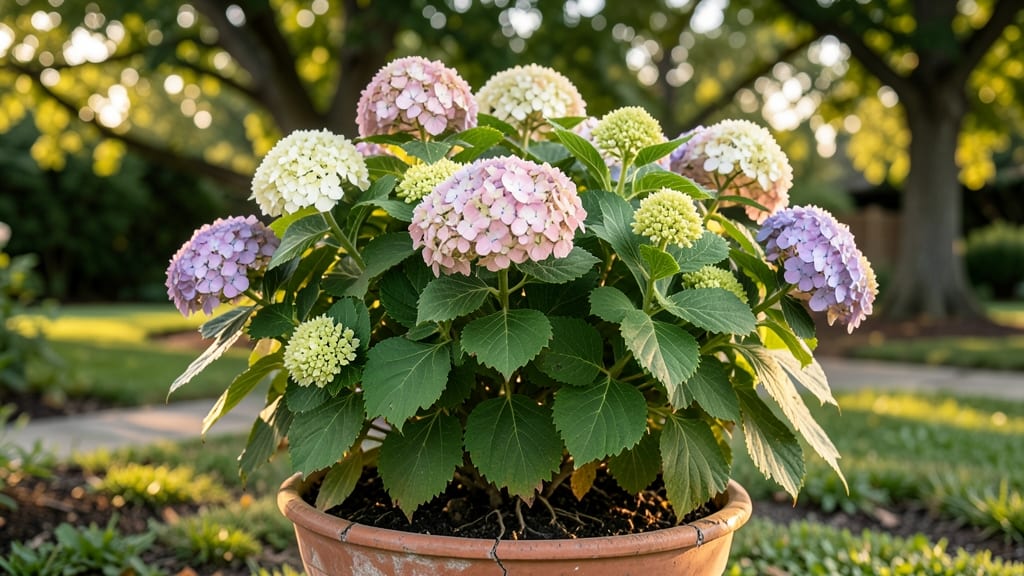
Your compact oakleaf hydrangea deserves to look as stunning as it is—no more crispy, browned edges ruining its showstopping foliage. 🌿 The secret weapon? A simple copper fungicide spray that targets the fungal issues causing those unsightly edges while keeping the plant's signature burgundy fall color intact.
This isn't just about saving your plant—it's about unlocking its full potential. Oakleaf hydrangeas thrive in partial shade with well-draining soil, but even perfect conditions can't prevent occasional fungal stress. A weekly spray in humid months (or after rain) keeps those edges vibrant and prevents the spread to other plants.
What you'll end up with is lush, glossy leaves that turn fiery red in autumn, paired with cone-shaped blooms that last from summer into fall. The compact size makes it perfect for small gardens, containers, or as a focal point in borders.
Here's the game-changer: this method works for established plants and new ones, and it's safe for pollinators once fully dried. Let's get those edges looking crisp again!
📚 In This Guide
- What you need
- Instructions
- Tips and common mistakes
- Wrapping up and next steps
What you need
- ● Copper fungicide spray: Choose a ready-to-use liquid (like Copper Soap or Bordeaux Mixture) or a concentrate (e.g., TriBasic Copper Sulfate). 16 oz (473 mL) per gallon of water is ideal for coverage.
- ● Spray bottle or pump sprayer: A 1-gallon (3.8L) capacity with a fine mist nozzle for even application.
- ● Garden gloves: Nitrile or rubber gloves (copper can irritate skin).
- ● Pruning shears: Bypass pruners (sterilized with 70% isopropyl alcohol) to trim severely damaged edges.
- ● Watering can or hose: For rinsing the plant 24 hours before and after spraying (to avoid leaf burn).
- ● Weather checklist: Calm, dry conditions (no rain for 24–48 hours before/after treatment).
- ● Horticultural oil (1%): Mix 1 tbsp per gallon with copper spray for extra pest control (aphids love hydrangeas!).
- ● Epsom salt solution: 1 tbsp per gallon of water (spray after copper treatment to boost magnesium).
- ● Plant food: A balanced 10-10-10 fertilizer (diluted to ½ strength) to nourish post-treatment.
- ● Shade cloth: Lightweight 30% shade fabric to protect the plant if spraying on a hot day.
How to treat crispy edges on compact oakleaf hydrangeas
Here's the straightforward method I use to bring back crisp, healthy foliage when those telltale brown edges appear.
🌿 Step 1: Confirm the Problem Isn't Overwatering
Before reaching for treatments, check your watering habits. Compact oakleaf hydrangeas need consistently moist—but not soggy—soil. Stick your finger 1-2 inches deep; if it feels dry, water thoroughly until moisture reaches 6 inches down. If the soil stays damp but edges still crisp, that's your sign to move to the next step.
I've seen gardeners overcorrect by watering daily, which actually worsens the issue. Instead, aim for 1 inch of water weekly (more in extreme heat). Brown edges from overwatering appear first on older leaves and spread inward—unlike crispiness from heat or copper deficiency, which starts at leaf tips.
☀️ Step 2: Adjust Watering Schedule for Heat Stress
When temperatures hit 90°F+, hydrangeas transpire faster than most plants. Water deeply in the early morning (before 8 AM) to give roots time to absorb moisture before the heat peaks. You'll know you're doing it right when the soil surface looks slightly damp but not glistening by midday.
Mulch with 2-3 inches of shredded bark or pine needles around the base to retain moisture and protect roots. Avoid plastic mulch—it traps too much heat and stresses the plant further. I've found that adding a 5-gallon bucket of water around the plant during heatwaves mimics natural rainfall patterns and prevents stress.
💧 Step 3: Apply Copper Fungicide for Fungal Issues
If crispy edges persist after adjusting water, fungal issues like leaf spot may be at play. Mix 1 tablespoon copper fungicide per gallon of water and apply in the early evening when humidity is high but no rain is forecasted. Spray until leaves glisten—focus on the undersides where spores hide.
Reapply every 7-10 days until new growth appears. I like to add a 1% horticultural oil to the mix for extra protection against mites, which also cause crispy edges. Always test a small branch first—some copper formulations can cause temporary leaf yellowing on sensitive plants.
✂️ Step 4: Prune Damaged Foliage and Boost Nutrition
Once the plant shows signs of recovery (new leaves unfurling with crisp edges), prune away all browned leaves with clean, sharp shears. Cut back to the first healthy leaf node to encourage fresh growth. I've found that removing 1/3 of the oldest stems at the base also stimulates new shoots.
Fertilize with a balanced 10-10-10 formula (half-strength) to replenish nutrients lost during stress. Avoid high-nitrogen feeds—too much encourages leafy growth at the expense of root strength. Water the soil thoroughly after applying fertilizer to prevent root burn.
🌱 Step 5: Prevent Future Crispiness With Proper Care
Move your hydrangea to a spot with morning sun and afternoon shade if it's currently in full sun. Oakleaf varieties handle heat better than other hydrangeas, but they still appreciate afternoon relief. You'll notice new growth emerging with softer, more pliable edges within 3-4 weeks of these adjustments.
Monitor soil moisture weekly and adjust watering as seasons change. In winter, reduce watering by 50% since the plant's needs drop dramatically. I've kept my compact oakleaf thriving for years by treating crispy edges as a wake-up call—usually, it's the plant's way of saying, "Adjust my care, not my fate."
Tips & tricks for reviving compact oakleaf hydrangeas
These simple strategies will help you bring back that crisp, vibrant look to your hydrangea's edges without stressing over complicated treatments.
Soil Moisture Test: The 1-2 inch finger test is your best friend—press your finger into the soil to check moisture levels. If it feels dry at 2 inches but still damp at 6 inches, you're likely dealing with overwatering. This is why brown edges often appear on older leaves first—they're the first to show signs of stress. Confession: I skipped this step for years and wondered why my plants kept struggling.
Heat Stress Prevention: When temperatures hit 90°F+, your hydrangea's water needs skyrocket. I've found that watering in the early morning (before 8 AM) gives roots time to absorb moisture before the day's heat peaks. The goal is soil that looks slightly damp but not glistening by midday. Think of it like giving your plant a refreshing drink first thing in the morning rather than a midday splash.
Copper Application Technique: When mixing your 1 tablespoon copper fungicide per gallon of water, add a few drops of dish soap to help the solution stick to leaves. Spray until leaves glisten, focusing on undersides where fungal spores love to hide. I always test a small branch first—some copper formulations can cause temporary yellowing if your plant isn't used to it. This is your safety net before committing to full treatment.
Pruning for New Growth: When you're ready to prune, cut back to the first healthy leaf node rather than just removing brown edges. This encourages fresh growth from established stems. I've found that removing 1/3 of the oldest stems at the base also stimulates new shoots—it's like giving your plant a fresh start from within. Just make sure your shears are clean to prevent spreading any potential fungal issues.
Pro Tips for Compact Oakleaf Hydrangea
- These simple strategies will help you bring back that crisp, vibrant look to your hydrangea's edges without stressing over complicated treatments.
- Soil Moisture Test: The 1-2 inch finger test is your best friend—press your finger into the soil to check moisture levels.
- Heat Stress Prevention: When temperatures hit 90°F+, your hydrangea's water needs skyrocket.
Frequently asked questions
How do I know if my compact oakleaf hydrangea needs pruning?
Prune in late winter or early spring (before new growth starts) to shape your hydrangea and encourage blooms. Look for dead, crossing, or overcrowded branches—these are your cues. Avoid heavy pruning after mid-summer, as it may cut off next year’s flower buds. For compact varieties, a light trim keeps them tidy without sacrificing blooms!
Why are the edges of my hydrangea leaves turning brown and crispy?
Crispy edges often signal underwatering, over-sun exposure, or fungal issues (like powdery mildew). Check soil moisture—hydrangeas love consistently moist (not soggy) soil. If fungal spots appear, a copper fungicide spray (like the one in our guide) can revive your plant. Move it to partial shade if it’s baking in full sun.
How long does it take for a compact oakleaf hydrangea to recover from aphids or fungal damage?
With proper care, recovery is fast—usually 2–4 weeks! Start by removing affected leaves and spraying with neem oil or copper fungicide. Keep soil moist and mulch to retain humidity. If aphids are the culprit, a soapy water spray (1 tsp mild soap per quart of water) can knock them out in days. Patience pays off—your hydrangea will bounce back!
Can I grow compact oakleaf hydrangeas in containers? What’s the best pot size?
Compact varieties thrive in 5–7 gallon containers with drainage holes. Use a well-draining potting mix (add perlite or sand) and repot every 2–3 years to refresh nutrients. Place pots in morning sun/afternoon shade to prevent leaf scorch. Water daily in summer—containers dry out faster than garden beds!
What’s the difference between compact oakleaf hydrangea and other hydrangea types?
Compact oakleaf hydrangeas
stay 3–4 feet tall (vs. 6+ feet for standard types) and boast vibrant fall foliage (reds/oranges) plus fragrant blooms. Unlike mophead or panicle hydrangeas, they don’t require heavy pruning and tolerate drought and heat better. Their leathery, oak-shaped leaves are a standout feature too!
Pro Tip:
For extra lush growth, feed your compact oakleaf hydrangea with an acidic fertilizer (pH 5.0–6.0) in spring. A mulch ring around the base retains moisture and protects roots from temperature swings. Happy hydrangeas = happy gardeners!
Wrapping up and next steps
The compact oakleaf hydrangea is a resilient beauty, and with the right care—like using a copper fungicide spray—you can keep its edges lush and vibrant. 🌿 Whether you're tackling crispy foliage or aphid infestations, these steps empower you to nurture a thriving plant. Ready to see the difference?
Next steps:
- 🛒 Grab your supplies and start treating your hydrangea today!
- 📅 Monitor progress and adjust care as needed—your plant will thank you!