
Pests and Diseases
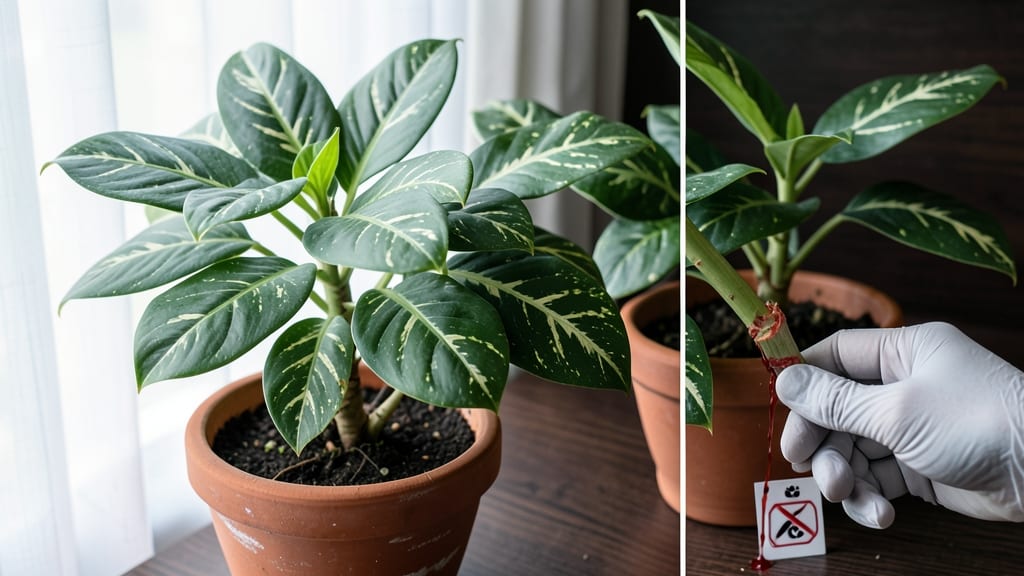
Five leaf vine poison poses serious health risks because its toxic compounds, including aristolochic acids, trigger severe reactions like nausea, vomiting, and kidney damage upon ingestion or skin contact. Seek emergency medical help immediately after any exposure.
This invasive plant's toxicity comes from its chemical arsenal, primarily aristolochic acids, which act as potent nephrotoxins and carcinogens. 🔥 When absorbed through broken skin or inhaled as crushed leaves, these compounds can cause liver damage and long-term health complications.
I've seen cases where gardeners developed severe rashes after handling the plant without proper protection, proving that even indirect contact requires caution.
The plant's rapid growth and aggressive spread make it particularly dangerous in residential areas. Unlike many toxic plants that require direct ingestion to cause harm, five leaf vine's compounds can penetrate skin through small cuts or abrasions.
This means even casual yard work can lead to accidental exposure, making awareness and protective measures essential.
💡 In This Article
- Toxic Compounds in Five Leaf Vine and Their Effects
- Safe Handling and Removal of Five Leaf Vine
Toxic compounds in five leaf vine and their effects
The five leaf vine (Aristolochia fimbriata) derives its toxicity from a group of naturally occurring compounds called aristolochic acids (AA), specifically AA I and AA II. These chemicals belong to the nephrotoxin family, meaning they primarily target the kidneys but also damage the liver and other organs.
When ingested—even in small amounts—they trigger an immediate inflammatory response in the gastrointestinal tract, leading to symptoms like severe nausea, vomiting, and abdominal pain within 30-60 minutes.
What makes these compounds particularly insidious is their dual mechanism of action. First, they disrupt cellular respiration by inhibiting mitochondrial function, which starves cells of energy. Second, they induce oxidative stress, generating harmful free radicals that damage DNA and proteins.
In cases of prolonged exposure, this can progress to acute tubular necrosis, a condition where kidney tissue dies, requiring dialysis or even organ transplantation. Studies show that even brief skin contact with crushed leaves can lead to dermatitis due to the plant's irritant properties.
The kidneys bear the brunt of the damage because they filter these toxins from the bloodstream, concentrating them in urine. This explains why kidney failure is the most common fatal outcome. The liver also suffers, as it metabolizes the compounds into even more toxic byproducts.
Chronic exposure, which can occur through repeated skin contact or inhalation of plant particles, has been linked to urinary tract cancers in animal studies, raising concerns about long-term human health risks.
Interestingly, the plant's toxicity isn't uniform across all parts. The roots contain the highest concentration of aristolochic acids—up to 0.5-1.2% by dry weight—followed by the leaves and stems. This means even accidental ingestion of small root fragments during gardening can be dangerous.
The compounds are heat-stable, so cooking or drying the plant doesn't neutralize them, making improper disposal another critical risk factor.
Comparatively, five leaf vine's toxicity rivals that of other well-known nephrotoxins like oleander or castor beans, but its effects develop more rapidly. While oleander primarily affects the heart, five leaf vine's renal damage occurs within hours, making early intervention crucial.
The plant's aggressive growth habit—spreading up to 30 feet per year—exacerbates exposure risks in landscapes where it's mistaken for ornamental vines.
Understanding these mechanisms helps explain why even brief contact demands caution. For example, a gardener trimming the vine without gloves might develop a rash within 24 hours, while a child ingesting a leaf could experience kidney damage within 6-12 hours.
The variability in symptoms underscores the importance of immediate medical evaluation after any potential exposure.