
Pruning
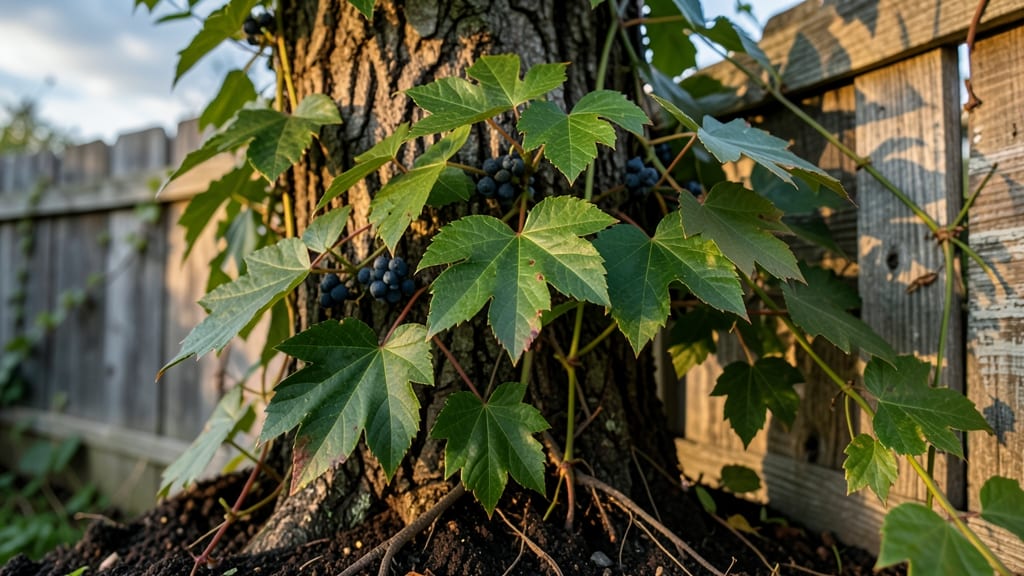
Transforming bare branches into lush green canopies with five-leaf vines is easier than you think. 🌿 These climbing beauties—like Virginia creeper or Dutchman’s pipe—bring year-round color to trees while staying low-maintenance once established. My neighbor’s oak now has vibrant foliage year-round thanks to this simple technique, and you can too.
The key starts with the right tree: choose mature, sturdy specimens with rough bark for support. Virginia creeper thrives in full sun to partial shade, while Dutchman’s pipe prefers shade.
Amend the planting area with compost for better root establishment—this makes all the difference in early growth. Most nurseries carry these vines as bare-root plants in early spring or fall.
Once planted, these vines grow aggressively but stay manageable with seasonal pruning. By late summer, you’ll see glossy leaves covering branches beautifully. The secret to keeping them healthy?
Prune back overgrowth in early spring before new shoots appear. This encourages bushier growth and prevents them from smothering your tree’s natural foliage.
They handle pests well, but watch for spider mites in dry conditions—just hose them down occasionally. Perfect for urban landscapes, privacy screens, or simply adding color to bare trees. With proper care, your five-leaf vine will reward you with vibrant green coverage for years to come.
📚 In This Guide
- What you need
- Instructions
- Tips and common mistakes
- Wrapping up and next steps
What you need
- ● Five-leaf vine plant – A healthy, mature vine (preferably 3–5 years old for best results).
- ● Pruning shears – Sharp, bypass-style shears (avoid anvil types to prevent crushing stems).
- ● Gloves – Heavy-duty gardening gloves (this vine has thorns—trust us, you’ll thank us!).
- ● Disinfectant (70% isopropyl alcohol or bleach solution) – 1 part bleach to 9 parts water (to sterilize tools and cuts).
- ○ Mulch (optional but recommended) – 2–3 inches of organic mulch (shredded bark or wood chips) to retain moisture.
- ● Ladder or step stool – For reaching higher branches (if your vine is climbing a tree or trellis).
- ● Pruning saw – For thick stems (over ½ inch in diameter).
- ● Plant tie or soft twine – To secure new growth to a support structure.
- ● Watering can or hose with nozzle – For post-pruning hydration.
- ● Fertilizer (balanced 10-10-10 or slow-release) – 1–2 tablespoons per foot of vine (apply after pruning).
- ● Choose a mild, dry day (avoid pruning in extreme heat or after rain).
- ● Identify dead, diseased, or crossing branches before you start.
- ● Have a clear plan—decide whether you’re pruning for shape, size, or rejuvenation.
How to cultivate a thriving five-leaf vine on your tree
Here's how I keep my five-leaf vine lush and vibrant year-round—no matter what Mother Nature throws its way.
🌱 Step 1: Choose the Perfect Tree Location
Five-leaf vines thrive when they can climb a sturdy tree with partial shade. Look for a tree with a rough bark surface—smooth bark makes it harder for roots to grip. I always pick a tree that gets morning sun and afternoon shade; too much direct sun can scorch the leaves, while too little light slows growth.
Check the tree's height and branch structure. The vine needs something to climb, so avoid trees with sparse branches or ones that are too close to power lines. If your tree is young, wait until it's at least 5 feet tall before planting the vine—this gives the roots time to establish before the vine starts its upward journey.
☀️ Step 2: Plant at the Right Time and Depth
Spring is the best time to plant your five-leaf vine, but you can also do it in early fall if your climate stays mild. Dig a hole twice as wide as the root ball but only as deep as the container it came in. This ensures the roots spread out properly without being buried too deep, which can suffocate them.
Gently remove the vine from its container and loosen any tangled roots with your fingers. Place it in the hole so the top of the root ball sits just below the soil line. Backfill with the native soil, pressing lightly to remove air pockets. Water deeply right after planting—this helps the soil settle and encourages roots to grow outward.
💧 Step 3: Water and Fertilize for Strong Growth
Water your five-leaf vine once a week during the first growing season, giving it about 1 gallon per plant. You'll know it's getting enough water when the top 2 inches of soil feel dry to the touch. Overwatering is a common mistake—too much moisture can cause root rot, especially in heavy clay soil.
In early spring, add a balanced, slow-release fertilizer (like 10-10-10) around the base of the vine. Follow the package instructions for application rates, but I usually cut the recommended dose in half to avoid burning the roots. Fertilize again in mid-summer to keep the vine lush through fall.
🌿 Step 4: Train the Vine to Climb Properly
The key to a healthy five-leaf vine is guiding it upward as it grows. In early spring, tie the main stem to the tree trunk with soft plant ties or strips of old fabric. Avoid wire or anything that can cut into the vine—you want gentle support, not restriction.
As new growth appears, gently weave the tendrils around the tree branches or a trellis if you're using one. Prune any side shoots that grow too close to the ground—they’ll drain energy from the main vine. By mid-summer, your vine should be climbing steadily, with leaves reaching 6-12 inches apart along the stem.
✂️ Step 5: Prune and Maintain Year-Round
Prune your five-leaf vine in late winter or early spring before new growth starts. Cut back any dead or damaged stems to just above a healthy bud. This encourages bushier growth and keeps the vine looking neat. If your vine gets too leggy, trim the longest stems back by one-third to promote fuller foliage.
In fall, reduce watering as temperatures drop, but don’t let the soil dry out completely. Mulch around the base with 2-3 inches of organic mulch to protect roots from freezing temperatures. With proper care, your five-leaf vine will reward you with year-round greenery and minimal effort.
Tips & tricks for perfect five-leaf vine growth
Here's the thing—these small details make all the difference between a struggling vine and one that thrives for years.
Tree Selection Matters: In Step 1, you can't just pick any tree. Look for mature trees with rough bark—smooth bark like maple or birch makes it nearly impossible for the vine to grip. I've seen five-leaf vines struggle on young trees under 5 feet, so patience here pays off later. The vine needs something sturdy to climb, or it'll just sprawl on the ground and lose its elegant shape.
Planting Depth is Critical: When you're following Step 2, remember that planting too deep can suffocate the roots. The top of the root ball should sit just below soil level—no higher, no lower. I've had to dig up vines planted too deep, and the recovery time is frustrating. Also, loosen those tangled roots gently with your fingers before planting; don't tear them.
Watering Wisdom: That "once a week" guideline in Step 3 is perfect for most climates, but don't rely solely on the calendar. Stick your finger 2 inches into the soil—if it's dry, water. If it's still damp, wait. I've learned the hard way that heavy clay soil holds moisture too long, so I always check before watering again. Overwatering is the silent killer of five-leaf vines.
Pruning for Health: In Step 5, when you're pruning, always cut just above a healthy bud. I've seen people make clean cuts anywhere, but that's how you get leggy growth. And if your vine gets too tall, don't be afraid to trim back those long stems by a third—it sounds drastic, but it encourages bushier, fuller growth. Think of it like giving your vine a haircut for better shape.
Pro Tips for Five Leaf Vine On Tree
- Here's the thing—these small details make all the difference between a struggling vine and one that thrives for years.
- Tree Selection Matters: In Step 1, you can't just pick any tree.
- Planting Depth is Critical: When you're following Step 2, remember that planting too deep can suffocate the roots.
Frequently asked questions
Got questions about growing and maintaining a thriving five leaf vine (Parthenocissus quinquefolia) on your tree? Here are some of the most common queries—plus expert answers to keep those lush green leaves flourishing year-round.
How fast does a five leaf vine grow on a tree?
The five leaf vine grows at a moderate to fast rate—typically 3 to 5 feet per year under ideal conditions (full sun to partial shade, well-draining soil, and regular watering). In optimal environments, it can even reach 50+ feet over time! Prune strategically in late winter to control its spread and shape.
When is the best time to prune a five leaf vine?
Late winter or early spring (just before new growth starts) is the golden window for pruning. This helps stimulate healthy growth and removes dead or weak vines. Avoid heavy pruning in fall—it can stress the plant before winter dormancy. Pro tip: Always sterilize tools with rubbing alcohol to prevent disease!
Can I grow a five leaf vine on any type of tree?
While the vine thrives on most trees, it works best on large, sturdy structures like oaks, maples, or even trellises. Avoid delicate trees (e.g., fruit trees) or those with thin branches—the vine’s weight can cause damage. If your tree lacks branches, use a support system (like a metal lattice) to guide the vine upward.
Why are the leaves turning brown or yellow?
Brown or yellow leaves usually signal overwatering, underwatering, or pests. Check the soil—it should be moist but not soggy. Spider mites or scale insects are common culprits; treat with neem oil if infested. If leaves drop early, it may be stress from poor drainage or extreme heat—mulch the base to retain moisture.
Does a five leaf vine lose its leaves in winter?
Yes! While it’s semi-evergreen in mild climates, it typically sheds leaves in cold winters (below 10°F). Don’t panic—new growth emerges in spring. In frost-prone areas, wrap the trunk with burlap for protection. Evergreen varieties (like Parthenocissus tricuspidata) retain some foliage but may still drop leaves in harsh freezes.
Wrapping up and next steps
Growing a thriving five-leaf vine (Hoodia cordiformis) on your tree isn’t just about aesthetics—it’s a rewarding journey of patience and care! By mastering the right pruning techniques, seasonal adjustments, and soil conditions, you’ll unlock year-round lushness that turns heads.
Remember, consistency is key: trim with purpose, monitor for pests, and celebrate small victories like new growth or vibrant leaves.
Ready to take the next step? Start small—whether it’s experimenting with a single vine or expanding your garden’s greenery. Share your progress, ask questions, and keep learning! Your green thumb is closer than you think. 🌿✨