
Pruning
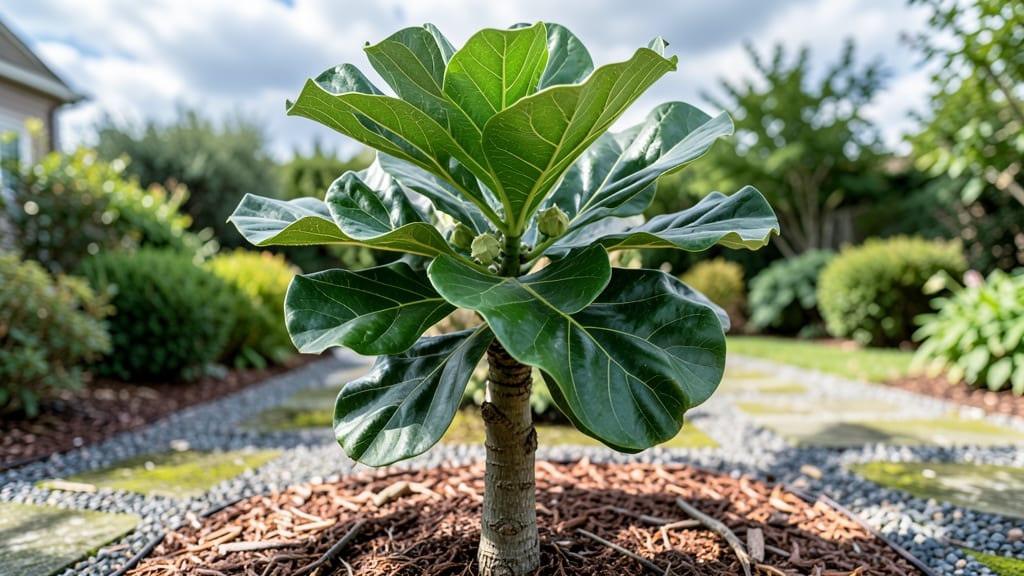
Moving your fiddle leaf fig tree outdoors transforms it from a houseplant to a statement piece—but only if you do it right. 🌿 The key isn’t just sunlight; it’s matching temperature swings, humidity shifts, and gradual exposure to prevent shock.
I’ve learned the hard way that rushing this step means crispy edges and stunted growth within weeks.
The ideal setup starts with partial shade—think dappled sunlight or morning sun with afternoon shade—especially in hotter months. Your soil should drain well (a mix of potting soil and perlite works) and stay consistently moist but never soggy.
Fiddle leaf figs hate wet feet, so containers with drainage holes are non-negotiable. I’ve seen them thrive in 10-12 inches of pot depth, with roots that spread wider than you’d expect.
By summer’s end, you’ll notice new growth where leaves unfurl with deep, glossy green and those signature fiddle-shaped veins. The real magic happens when you adjust care seasonally: reduce watering in fall, bring it indoors before first frost, and keep it away from drafts.
Even a small mistake in timing can set you back months, but once you’ve got the rhythm, your tree will reward you with year-round lushness that turns heads.
This works best in USDA zones 10-12, but even in cooler climates, a sunny patio or greenhouse lets you enjoy it outdoors for 6-8 months of the year. The trick is patience—acclimate slowly, monitor leaves daily, and don’t be afraid to move it back inside if the weather turns.
Your fiddle leaf fig will thank you with bold, healthy foliage that makes every season feel like summer.
📚 In This Guide
- What you need
- Instructions
- Tips and common mistakes
- Wrapping up and next steps
What you need
- ● Pruning shears or bypass pruners – Sharp, clean, and sterilized (avoid dull tools to prevent tearing leaves).
- ● Garden gloves – Durable, cut-resistant (protects hands from sap and thorns).
- ● Disinfectant (70% isopropyl alcohol or hydrogen peroxide) – For sterilizing tools (prevents disease spread).
- ○ Pruning sealant (optional but recommended) – Latex-based or tree wound sealant (speeds up healing of cuts).
- ● Watering can or hose with a gentle spray nozzle – For post-pruning hydration.
- ○ Mulch (optional) – 2–3 inches of organic mulch (e.g., shredded bark or compost) (retains moisture and regulates soil temp).
- ● Staking system (if needed) – 3–4 bamboo stakes + soft ties (supports young or top-heavy trees).
- ● Sunlight assessment – Choose a spot with indirect light (4–6 hours/day) (avoid harsh afternoon sun).
- ○ Soil test (optional but helpful) – Ensure well-draining, slightly acidic soil (pH 6.1–7.5).
- ● Weather check – Avoid pruning during frost or extreme heat (stress weakens recovery).
- ● Container or in-ground prep – If potted, ensure drainage holes; if in-ground, loosen soil 6–12 inches deep.
Step-by-Step guide for growing a fiddle leaf fig tree outdoors
Here’s how to keep your fiddle leaf fig thriving outside year-round with minimal stress.
☀️ Step 1: Select the Perfect Outdoor Spot
Fiddle leaf figs (Ficus lyrata) need bright, indirect light—think dappled shade from trees or a spot shielded from harsh afternoon sun. A south- or west-facing patio with afternoon shade works best in most climates. Avoid east exposures, which can leave leaves scorched by morning sun.
Test your spot for 4-6 hours of filtered light daily. If leaves start yellowing or browning at the edges, move it closer to shade. In hotter climates, afternoon shade is non-negotiable—direct sun will crisp the leaves within weeks. I’ve seen fiddle leaf figs thrive under a large oak tree where the canopy breaks sunlight into gentle patches.
🪴 Step 2: Choose and Prepare the Right Container
Use a large, sturdy pot with drainage holes—at least 18 inches in diameter for mature plants. Terracotta pots help regulate moisture, but they dry out faster, so water more frequently. If using a decorative pot without drainage, add a cache pot (a smaller pot with holes inside) to prevent root rot.
Fill the container with well-draining potting mix—a blend of 50% peat moss, 30% perlite, and 20% orchid bark works perfectly. Avoid garden soil; it compacts and suffocates roots. After potting, water deeply until it drains from the bottom. Let excess water run out completely—soggy soil is the #1 killer of fiddle leaf figs outdoors.
💧 Step 3: Water Deeply but Infrequently
Water your fiddle leaf fig only when the top 2-3 inches of soil feel dry to the touch. Stick your finger in—if it’s damp, wait another day. Overwatering causes root rot, which turns leaves yellow and mushy. In summer, this might mean watering every 5-7 days; in winter, every 10-14 days.
When watering, soak the soil thoroughly until water runs out the drainage holes. Empty the saucer afterward to prevent the plant from sitting in standing water. A self-watering pot can help maintain consistency, but monitor soil moisture closely—fiddle leaf figs despise soggy conditions. Drooping leaves? More often than not, it’s thirst—not stress.
✂️ Step 4: Prune and Fertilize for Year-Round Health
Prune in early spring to encourage bushier growth. Cut back leggy stems just above a leaf node with sterilized scissors, and propagate the cuttings in water. Avoid heavy pruning in fall or winter—new growth won’t harden off before cold snaps. Dust leaves monthly with a damp cloth to remove debris, which helps the plant absorb more light.
Feed with a balanced liquid fertilizer (10-10-10) every 4-6 weeks during spring and summer. Reduce to once a month in fall and skip entirely in winter. Yellow leaves? You’re likely over-fertilizing. Brown tips? Underwatering or low humidity. Adjust accordingly—fiddle leaf figs are forgiving but need consistency.
⏰ Step 5: Protect from Seasonal Shifts
Bring your fiddle leaf fig indoors before temperatures drop below 50°F—even brief exposure to cold can shock the plant. If you must leave it outside in winter, wrap the pot in burlap and place it in a sheltered spot like a garage or covered porch. Avoid drafts, which cause leaf drop.
In summer, mist leaves daily if humidity drops below 40%—low humidity leads to crispy leaf edges. A pebble tray with water under the pot adds moisture to the air without overwatering. Watch for spider mites (tiny webs on undersides of leaves) and treat with neem oil if spotted. A happy fiddle leaf fig outdoors is all about balance—light, water, and protection from extremes.
Tips & tricks for perfect fiddle leaf fig tree outdoors
Keeping your fiddle leaf fig thriving outdoors takes a few strategic adjustments—here's how to avoid common pitfalls and elevate your plant's health.
Light Monitoring: In Step 1, when selecting your outdoor spot, use a simple trick to test light exposure: place a white piece of paper near the intended location for a few hours. If the paper shows yellowing or browning, the spot gets too much direct sun. Fiddle leaf figs thrive with 4-6 hours of filtered light, so aim for dappled shade from trees or sheer curtains on a patio. I've noticed that morning sun is generally safer than afternoon heat, which can scorch leaves within hours.
Container Upgrade: For Step 2, if you're using a decorative pot without drainage, invest in a cache pot system—it's a game-changer for preventing root rot. I recommend upgrading to a 18-inch diameter pot with drainage holes for mature plants, as this provides enough room for root growth while maintaining stability. The 50% peat moss, 30% perlite, 20% orchid bark mix is ideal because it mimics the plant's natural tropical environment while preventing compaction.
Watering Wisdom: Step 3's watering instructions are crucial, but here's the secret: use a moisture meter or your finger to check soil moisture at 2-3 inches deep—this prevents surface drying while ensuring roots get consistent hydration. In summer, I've found that watering every 5-7 days works best when paired with a self-watering pot, which maintains even moisture without overwatering. The key is thorough saturation—water until it runs freely from the drainage holes, then empty the saucer immediately to prevent waterlogging.
Seasonal Transition Strategy: When protecting your plant from seasonal shifts in Step 5, here's what I do before moving indoors: gradually acclimate the plant to indoor conditions by placing it in a similar light spot for a week before the final move. This prevents shock from sudden temperature changes. For winter care, I wrap the pot in burlap and place it near a sunny window, which mimics the filtered light it would get outdoors. The 50°F threshold is non-negotiable—any colder and you risk leaf drop or even plant death.
Pro Tips for Fiddle Leaf Fig Tree Outdoors
- Keeping your fiddle leaf fig thriving outdoors takes a few strategic adjustments—here's how to avoid common pitfalls and elevate your plant's health.
- Light Monitoring: In Step 1, when selecting your outdoor spot, use a simple trick to test light exposure: place a white piece of paper near the intended location for a few hours.
- Container Upgrade: For Step 2, if you're using a decorative pot without drainage, invest in a cache pot system—it's a game-changer for preventing root rot.
Frequently asked questions
Got questions about keeping your fiddle leaf fig tree outdoors? You’re not alone! Here are some of the most common concerns—and their solutions—to help your plant thrive in any season.
Can a fiddle leaf fig survive outside year-round?
A fiddle leaf fig (Ficus lyrata) is a tropical plant, so it prefers warmth and humidity. While it can handle mild outdoor conditions in summer (with protection from harsh sun), it’s best to bring it inside before temperatures drop below 50°F (10°C). Cold drafts, frost, or sudden temperature swings can shock the plant and cause leaf drop. If you’re committed to outdoor living, opt for a large, insulated pot and move it under cover during winter.
How do I prepare my fiddle leaf fig for outdoor winter?
If you’re keeping your fiddle leaf fig outside in winter, prep it early! Start by moving it to a sheltered spot (like a garage, patio cover, or against a south-facing wall) once temps dip below 60°F (15°C)overwatering in cold soil causes root rot—and avoid fertilizing. Wrap the pot in bubble wrap or frost cloth for extra insulation. Monitor for pests (like spider mites) and mist leaves occasionally to maintain humidity.
Is direct sunlight safe for a fiddle leaf fig outdoors?
Fiddle leaf figs love bright, indirect light, but direct afternoon sun can scorch leaves, leaving crispy brown edges. If placing your tree outside, choose a spot with dappled shade (like under a tree canopy or near a building with partial shade). For morning sun, ensure the plant is acclimated gradually to avoid sunburn. A sheer curtain or shade cloth can also help filter harsh rays.
How often should I water my outdoor fiddle leaf fig?
Outdoor watering depends on your climate, but a good rule is to water when the top 1–2 inches of soil feel dry. Since outdoor conditions vary, check moisture levels with your finger. Avoid soggy soil—fiddle leaf figs hate “wet feet”—and ensure the pot has drainage holes. In summer, you may need to water every 5–7 days, while winter care might only require watering every 3–4 weeks. Mulch around the pot to retain moisture.
What pests should I watch for on an outdoor fiddle leaf fig?
Outdoor exposure increases pest risks! Keep an eye out for spider mites, mealybugs, and scale insects, which thrive in dry conditions. Yellowing leaves, sticky residue (honeydew), or tiny webs are red flags. Treat infestations early with neem oil or insecticidal soap, and isolate the plant if pests spread. Regularly wipe leaves with a damp cloth to remove dust and deter pests. Prevention is key—healthy plants resist pests better!
Wrapping up and next steps
Growing a fiddle leaf fig tree outdoors is a rewarding journey that brings lush greenery and natural beauty to your space. With the right care—like proper pruning, seasonal adjustments, and protection from harsh elements—your tree can thrive year-round.
Remember, consistency is key, and a little patience goes a long way! 🌿
Ready to take the next step? Start by observing your tree’s needs—whether it’s adjusting sunlight, watering habits, or preparing for winter. Small tweaks can make a big difference, so don’t hesitate to experiment and learn as you go. Happy gardening! 🌟