
Container Gardens
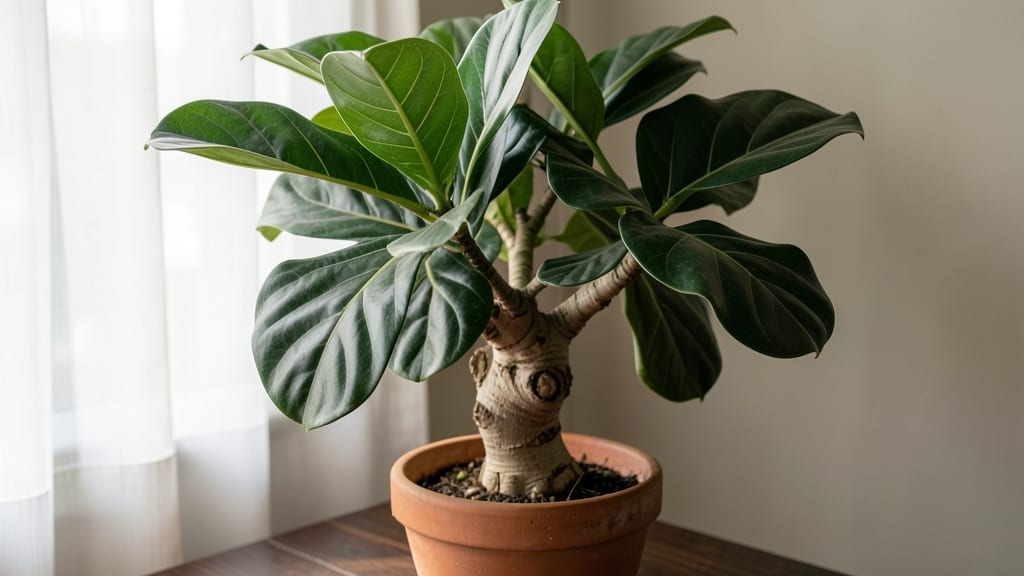
Indoor fiddle leaf figs thrive with minimal sunlight—the key is understanding their subtle cues. 🌿 I’ve nursed mine from droopy leaves to lush, glossy foliage by mastering the balance between light, water, and patience.
Most people overwater or underlight these plants, leading to frustration, but once you get the rhythm, they become the showstopper of any room. The secret isn’t fancy equipment—just a bright spot near a window (even without direct sun) and a finger-to-soil test for moisture.
Fiddle leaf figs hate soggy roots but also despise drying out completely. A pebble tray or occasional misting keeps humidity levels just right, and pruning spent leaves encourages fresh growth. Within months, you’ll see new leaves unfurling with that signature velvety texture.
What you’ll end up with is a plant that grows 2-3 feet tall in a year, its deep green leaves reaching for the light.
The real magic happens when you notice it responding to your care—leaning toward brighter spots, unfurling leaves after a drink, or even blooming tiny white flowers if conditions are perfect. It’s not just a plant; it’s a living room conversation piece.
Works for any indoor space, from sun-drenched living rooms to offices with artificial lighting. Here’s how to keep yours happy year-round—no green thumb required (just a steady hand).
📚 In This Guide
- What you need
- Instructions
- Tips and common mistakes
- Wrapping up and next steps
What you need
- ● Fiddle Leaf Fig Plant – 1 healthy specimen (check for glossy leaves and no brown spots!)
- ● Well-Draining Potting Mix – 1 bag (1-2 gallons) of high-quality indoor plant soil (look for blends labeled for tropical plants or add perlite/pumice for aeration).
- ● Pot with Drainage Holes – 1 container (12-16 inches in diameter) with drainage holes to prevent root rot.
- ● Watering Can or Spray Bottle – 1 (for gentle hydration—no soggy roots!)
- ● Humidity Tray or Pebble Tray – 1 (to boost moisture levels if your home is dry).
- ● Grow Lights (LED or Fluorescent) – 1-2 (if natural light is <5 hours/day, opt for full-spectrum bulbs).
- ● Plant Food – 1 bottle of balanced liquid fertilizer (diluted to half-strength).
- ● Pruning Shears – 1 pair (for shaping or removing dead leaves).
- ● Moisture Meter – 1 (to check soil moisture accurately).
Step-by-step instructions for thriving fiddle leaf fig indoors
Here's how to keep your fiddle leaf fig lush and healthy—even when natural light is limited.
☀️ Step 1: Position for Optimal Light
Fiddle leaf figs thrive in bright, indirect light—think east-facing windows or 6-10 feet from a south-facing window. Avoid harsh afternoon sun, which burns delicate leaves. I place mine near a sheer curtain to diffuse light while still getting plenty of brightness. If your space is dim, supplement with a grow light 12 inches away for 12-14 hours daily.
Watch for signs of insufficient light: small, widely spaced leaves or stems stretching toward the window (called "etiolation"). Rotate the plant quarter-turn weekly so growth stays even. If leaves develop yellow patches, it’s too much direct sun—move it back a few feet.
💧 Step 2: Master the Watering Routine
Water only when the top 2-3 inches of soil feel completely dry—fiddle leaf figs hate soggy roots. I use my finger to check moisture; if it’s dry past the first knuckle, it’s time. Water thoroughly until it drains from the bottom, then empty the saucer to prevent root rot. In winter, water every 2-3 weeks—growth slows, so less moisture is needed.
Overwatering is the #1 killer of fiddle leaf figs. If leaves yellow or drop, you’re likely watering too often. Let the soil dry out more between waterings. A moisture meter helps avoid guesswork—aim for 40-50% moisture at the 2-inch depth.
🌿 Step 3: Dust Leaves and Maintain Humidity
Dust blocks light absorption, so I wipe leaves every 2 weeks with a damp microfiber cloth. Start at the top and work downward to avoid dropping debris. For humidity (fiddle leaf figs love 40-60%), place the pot on a tray of pebbles with water or use a humidifier nearby. Misting helps, but avoid wetting the leaves—it encourages fungal issues.
Brown leaf tips? That’s usually low humidity. Increase airflow gently with a small fan on low (just enough to stir air) or group plants together to create a microclimate. Avoid cold drafts—keep the plant away from AC vents or open windows in winter.
✂️ Step 4: Prune and Fertilize Strategically
Prune only to remove yellow or damaged leaves—never more than 20% of the plant at once. Use clean, sharp pruners to cut just above a leaf node (where new growth emerges). I fertilize every 4-6 weeks in spring/summer with a balanced liquid fertilizer (10-10-10) diluted to half strength. In fall/winter, skip fertilizing—resting roots need a break.
Yellow leaves on lower stems are natural aging, but sudden yellowing with crisp edges signals overwatering or fertilizer burn. Flush the soil with water if you suspect excess salts. Repot every 2-3 years in spring, upgrading to a pot just 1-2 inches larger in diameter.
🪴 Step 5: Monitor and Adjust Year-Round
Check the plant’s undersides monthly for pests like spider mites (tiny webs) or scale (brown bumps). Wipe leaves with neem oil or insecticidal soap if needed. In winter, reduce watering and move the plant away from heat sources—radiators dry out the air and stress the plant.
Fiddle leaf figs communicate their needs: drooping leaves mean underwatering or low humidity; brown spots mean too much sun or fluoride in tap water (use filtered water if yours is hard). With these adjustments, your plant will reward you with glossy, vibrant leaves year-round.
Tips & tricks for perfect indoor fiddle leaf fig growth
Between us, these small adjustments make all the difference for keeping your fiddle leaf fig thriving indoors—especially when natural light is limited.
Light Strategy: If you're using a grow light for those 12-14 hours daily, position it so the light source is at the plant's height—not above it. Fiddle leaf figs need light from multiple angles to prevent lopsided growth. I also recommend using a timer for consistency, since these plants thrive on routine light exposure. A simple LED grow bulb works perfectly for supplementing indoor light.
Watering Confidence: The finger test for moisture works, but I've found that fiddle leaf figs actually prefer slightly drier conditions than many other houseplants. After the top 2-3 inches are dry, water thoroughly but wait until the excess drains completely before putting the plant back in its saucer. This prevents the dreaded root rot that kills so many fiddle leaf figs. In winter, I cut my watering to every 3-4 weeks—the plant's growth slows dramatically.
Humidity Hacks: For that ideal 40-60% humidity range, I've had the most success with a pebble tray system. Fill a shallow tray with pebbles, add water just below the pebble level, and place your plant on top. The evaporation creates a natural humid microclimate without wetting the leaves. Grouping plants together also works—just make sure they're all healthy to avoid spreading any potential pests.
Seasonal Adjustments: Spring and summer are when your fiddle leaf fig needs the most attention. That's when I increase my fertilizing schedule to every 4-6 weeks with half-strength fertilizer. In fall, I taper off completely and only water when the soil is bone dry. This seasonal adjustment mimics natural cycles and prevents the plant from getting stressed by sudden changes. The key is to let the plant's natural growth patterns guide your care routine.
Pro Tips for Fiddle Leaf Fig For Indoors
- Between us, these small adjustments make all the difference for keeping your fiddle leaf fig thriving indoors—especially when natural light is limited.
- Light Strategy: If you're using a grow light for those 12-14 hours daily, position it so the light source is at the plant's height—not above it.
- Watering Confidence: The finger test for moisture works, but I've found that fiddle leaf figs actually prefer slightly drier conditions than many other houseplants.
Frequently asked questions
Got questions about keeping your fiddle leaf fig happy indoors?
Here are answers to the most common concerns—so you can avoid stress and enjoy lush, thriving leaves year-round!
How much light does a fiddle leaf fig really need indoors?
A fiddle leaf fig thrives in bright, indirect light (think east or north-facing windows). If leaves turn yellow or drop, it’s likely getting too little light. For low-light spots, supplement with a grow light 12–14 hours daily. Avoid harsh direct sun—it causes brown leaf tips!
Why are my fiddle leaf fig leaves dropping, even with proper care?
Leaf drop is usually a stress signal! Common culprits:
- Overwatering (check soil—it should dry 2–3 inches deep before watering).
- Temperature swings (keep it 60–75°F; drafts = enemy!).
- Sudden changes (move it slowly to adjust to new light/temp).
Don’t panic—new growth will return once conditions stabilize!
Can I propagate my fiddle leaf fig from a cutting?
Here’s how:
- Snip a 4–6 inch stem below a leaf node (use clean scissors!).
- Dip the cut end in rooting hormone (optional but helpful).
- Plant in well-draining soil or water (for propagation).
- Keep humid and warm (70°F+) until roots form (~4–6 weeks).
Pro tip: Use a plastic bag to trap humidity—just remove it once roots sprout!
How often should I fertilize my fiddle leaf fig?
Feed every 4–6 weeks during spring/summer with a balanced liquid fertilizer (diluted to half-strength). Skip fertilizing in winter—it’s dormant! Overdoing it causes leaf burn or yellowing. Flush soil with water monthly to prevent salt buildup.
What’s the best alternative if my fiddle leaf fig struggles with low light?
If your space lacks light, try these low-maintenance, shade-tolerant plants:
- ZZ Plant (Zamioculcas zamiifolia) – Nearly indestructible!
- Snake Plant (Sansevieria) – Thrives on neglect.
- Pothos (Epipremnum aureum) – Grows in dim corners.
- Cast Iron Plant (Aspidistra) – Handles everything.
All three are pet-friendly (unlike fiddle leaf figs, which are toxic to cats/dogs).
Wrapping up and next steps
Growing a fiddle leaf fig indoors with minimal sunlight is absolutely doable—just remember: patience, consistency, and a little extra love are your best tools! 🌿 With the right pot, soil, and light adjustments (like a grow light or bright indirect spot), your plant can thrive even in cozy, low-light spaces.
The key takeaway? Monitor, adapt, and enjoy the process!
Ready to see your fiddle leaf fig flourish? Start small:
- Check its light needs weekly.
- Adjust watering based on soil moisture.
- Celebrate every new leaf—you’re doing great!