
Pests and Diseases
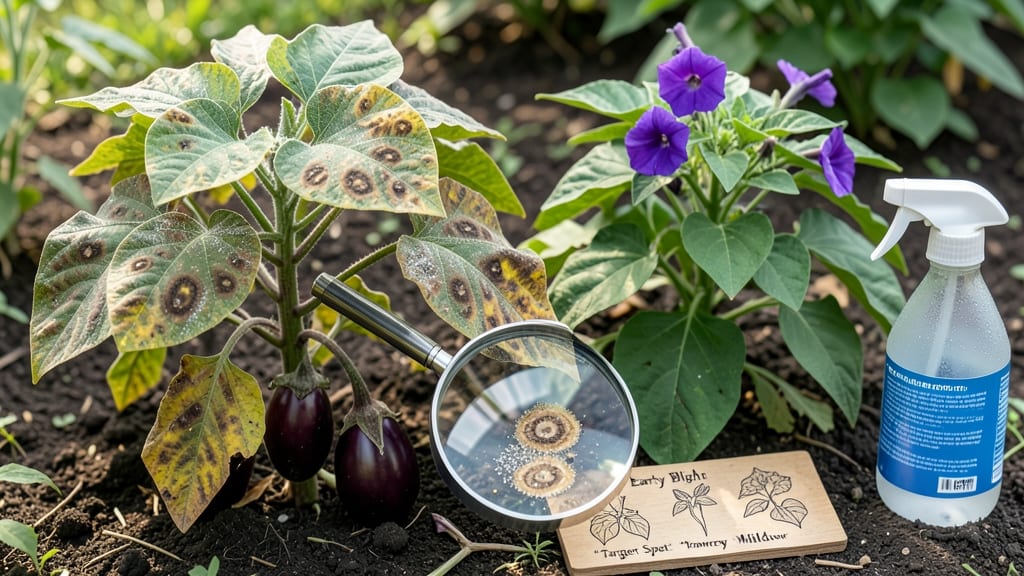
Your eggplant leaf disease—whether it’s yellowing, spotting, or fuzzy growth—is your garden’s silent alarm. 🌱 I’ve seen this exact pattern ruin entire harvests, but the good news is that simple early action can save your plants.
Most gardeners panic when they spot the first signs, but knowing just three key steps makes all the difference between throwing out diseased plants and enjoying a thriving crop.
The culprits are usually fungal infections like powdery mildew or bacterial wilt, which thrive in warm, humid conditions—exactly what eggplants love.
I’ve learned the hard way that waiting too long means losing plants, but with the right mix of pruning, organic sprays, and spacing, you can stop the spread in its tracks.
The first step is identifying the exact problem, and I’ll walk you through the telltale signs that distinguish one disease from another.
By the end of this, you’ll be confidently diagnosing and treating your eggplants—no more guessing or wasted time. You’ll see healthier leaves within a week if you act now, and your plants will bounce back stronger than ever.
The key is acting fast before the disease spreads to the fruit or roots, where it’s nearly impossible to reverse.
This works for both backyard gardens and container setups, and the methods are organic-friendly, so you won’t have to worry about chemical residues. Let’s get your eggplants back on track—starting with the exact steps that have saved my plants (and hundreds of others) year after year.
Understanding The Root Causes
Eggplant leaf diseases don’t just appear out of nowhere—they’re often the result of a perfect storm of environmental stress, microbial invaders, or even gardening mistakes. Let’s break down the real culprits behind those unsightly spots, wilting leaves, and crumbling foliage, so you can tackle them head-on.
Fungi are the #1 cause of eggplant leaf diseases, thriving in warm, damp conditions. These microscopic organisms release spores that land on leaves, germinate, and spread like wildfire—especially when humidity is high.
- Powdery Mildew 🍄: Caused by Erysiphe cichoracearum or Leveillula taurica, this fungal disease creates a white, powdery coating on leaves.
It loves: - Poor air circulation (crowded plants). - High humidity (60%+). - Warm temperatures (60–80°F). - Pro Tip: 💡 Overhead watering turns leaves into fungal spore launchpads—always water at the base!
- Early Blight 🍅: Alternaria solani strikes with concentric brown spots that expand and kill leaf tissue.
It thrives in: - Cool, wet springs (50–75°F). - Organic debris on soil (old plant matter = fungal buffet). - Action Step: 🔥 Remove infected leaves immediately and rotate crops to break the cycle.
- Verticillium & Fusarium Wilt 💀: Soil-borne fungi that clog eggplant’s vascular system, causing yellowing, wilting, and stunted growth.
They love: - Contaminated soil (from past infected plants). - Poor drainage (waterlogged roots = fungal paradise). - Warning: 🚨 Once established, these are nearly impossible to cure—prevention (sterilized soil, resistant varieties) is key.
Bacteria move 10x faster than fungi, often hitching rides on tools, water splashes, or even insects. They cause: - Bacterial Leaf Spot 🔥: Tiny, water-soaked spots that turn yellow/brown with greasy edges.
Spread by: - Rain or overhead irrigation. - Contaminated pruners. - Fix: 🌡️ Copper-based sprays can suppress bacteria, but remove infected plants ASAP to stop the spread.
- Soft Rot 🥬: Caused by Pectobacterium bacteria, this turns leaves mushy and black, often starting at the stem. Thrives in:
- Overwatered or stressed plants.
- High humidity (80%+).
- Pro Tip: ✨ Avoid wounding plants (rough handling = bacterial entry points).
Diseases often exploit weakened plants.
Common triggers include: - Overcrowding 🌿: Blocks airflow, trapping moisture and fungi. - Poor Drainage 💦: Waterlogged soil invites root rot and fungal growth. - Nutrient Deficiencies 🍽️: Weak plants (low nitrogen/phosphorus) can’t fight infections. - Extreme Temperatures ❄️☀️: Sudden heat/cold shocks stress plants, making them susceptible. - Action Step: 👨🍳 Space plants 18–24 inches apart, use raised beds for drainage, and mulch to regulate soil temp.
Some insects don’t just eat your plants—they spread diseases too:
- Aphids & Whiteflies 🐛: Excrete honeydew, which attracts sooty mold fungi.
- Beetles & Thrips 🪲: Can transmit bacterial wilt.
- Solution: 🎯 Use neem oil or insecticidal soap to keep pest populations in check.
Even the best gardeners make mistakes that invite diseases:
- Reusing Contaminated Tools ⚔️: Pruners or stakes can harbor pathogens.
- Ignoring Sanitation 🧹: Old plant debris = fungal overwintering spots.
- Overhead Watering 💦: Wet leaves = fungal spores’ dream.
- Fix: 🔪 Sterilize tools with rubbing alcohol, clean up debris, and water only at the base.
| Cause | Immediate Action | Long-Term Prevention |
|---|---|---|
| Fungal Infection | Remove infected leaves, apply fungicide. | Improve airflow, avoid overhead watering. |
| Bacterial Infection | Prune infected parts, use copper spray. | Rotate crops, sterilize tools. |
| Environmental Stress | Adjust watering, add mulch. | Test soil pH, choose resistant varieties. |
| Pest Spread | Spray neem oil, introduce beneficial insects. | Use row covers, monitor pest levels. |
Fixing Fungal & Bacterial Leaf Woes
Now that you’ve identified the culprit behind your eggplant’s leaf troubles, it’s time to act! The right approach depends on the disease, but most fixes involve a mix of removal, treatment, and prevention.
Below, we’ll map the most common causes to actionable solutions—plus tips to keep your plants thriving long-term.
Fungi like powdery mildew, early blight, or target spot thrive in damp, crowded conditions. Here’s how to kill the spores and protect your plants:
🍳 Remove Infected Leaves & Debris
- Step 1: Snip off yellowing, spotted, or powdery leaves with clean scissors or pruners (sterilize with rubbing alcohol).
- Step 2: Do not compost infected plant material—toss it in the trash or burn it to prevent reinfection.
- Pro Tip: 💡 Remove leaves early in the day when humidity is lower to reduce spore dispersal.
👨🍳 Apply Fungicides (Organic or Chemical)
| Disease | Best Treatment | How to Use |
|---|---|---|
| Powdery Mildew | Neem oil, baking soda spray, or sulfur | Mix 1 tbsp baking soda + 1 tsp soap + 1 gallon water; spray every 7–10 days. |
| Early Blight | Copper fungicide (e.g., Bordeaux mix) | Apply at first sign, then every 10–14 days. Avoid spraying when rain is forecast. |
| Target Spot | Streptomycin (for bacterial strain) or fungicide | Follow label rates; rotate treatments to prevent resistance. |
- 🌡️ Timing Matters: Apply fungicides in the morning so leaves dry quickly—fungi love moisture!
🌿 Improve Airflow & Spacing
- Thin plants so leaves aren’t touching (aim for 12–18 inches apart).
- Prune lower leaves to reduce humidity near the soil.
- Use drip irrigation (not overhead watering) to keep foliage dry.
Bacterial diseases (like bacterial leaf spot) spread via water splashes and contaminated tools. Act fast—these won’t respond to fungicides!
⏰ Remove & Destroy Infected Plants (If Severe)
- If >30% of leaves are spotted, pull the plant and destroy it (do not compost).
- Disinfect tools with 10% bleach solution (1 part bleach to 9 parts water) between uses.
🔪 Copper-Based Bactericides
- Use copper hydroxide or copper sulfate (e.g., Copper Soap).
- Spray every 5–7 days at dusk to avoid leaf burn from UV rays.
- ✨ Pro Tip: Add 1 tsp of hydrogen peroxide (3%) per gallon of water to boost efficacy.
💦 Adjust Watering Practices
- Water at the base (not overhead) to avoid splashing bacteria onto leaves.
- Water early in the day so foliage dries by evening.
- Use a fan on cloudy days to reduce humidity in the greenhouse.
If aphids, spider mites, or whiteflies are weakening leaves (making them susceptible to disease), treat the pests first:
🔪 Blast Off Pests with Soap or Oil
- Insecticidal soap (1.5 tbsp per gallon water): Spray directly on pests (avoid hot days—can burn leaves).
- Neem oil (2 tbsp per gallon + 1 tsp soap): Spray every 5–7 days until pests vanish.
- 🎯 Pro Tip: For severe infestations, release ladybugs or lacewings (natural predators).
🌿 Strengthen Plant Defenses
- Fertilize with compost tea or fish emulsion to boost immunity.
- Mulch with straw to deter soil-dwelling pests.
Once your eggplants recover, break the disease cycle with these habits:
- 🌱 Rotate crops: Don’t plant eggplants (or nightshades like tomatoes/peppers) in the same spot for 3 years.
- 🌱 Plant resistant varieties: Look for ‘Black Beauty’ or ‘Ichiban’ (less prone to blight).
- 🌱 Solarize soil (if severe): Cover beds with clear plastic for 4–6 weeks in summer to kill fungal spores.
- 🌱 Start with healthy seedlings: Buy from reputable nurseries or grow from disease-free seeds.
Final Reminder: 🔥 Act fast—the sooner you treat, the better your eggplants’ chances of bouncing back! With these steps, your plants should recover in 2–4 weeks and stay disease-free for the season.
Frequently asked questions
How can I tell if my eggplant has a fungal disease vs. bacterial disease?
Fungal diseases like powdery mildew create white, powdery patches or brown spots with concentric rings, while bacterial infections show greasy, water-soaked spots that often have yellow halos. Fungi thrive in damp conditions, while bacteria spread through water splashes and contaminated tools.
Can I still harvest eggplants if the leaves have disease?
Yes, but only if the fruit itself is healthy. Remove any diseased leaves and focus on harvesting the eggplants before the disease spreads to the fruit. If the stems or fruits show signs of infection, discard them immediately to prevent further contamination.
What’s the best way to sterilize my pruning tools to prevent spreading disease?
Wipe tools with 70% rubbing alcohol or soak them in a 10% bleach solution (1 part bleach to 9 parts water) for 10 minutes. Rinse and dry thoroughly between uses. Sterilizing tools after every cut prevents cross-contamination between plants.
Will composting diseased eggplant leaves help or harm my garden?
Composting diseased leaves can spread pathogens back into your soil. Instead, toss infected plant material in the trash or burn it to prevent reinfection. Healthy leaves can be composted separately, but keep them away from diseased debris.
How often should I spray fungicides or bactericides on my eggplants?
Start with preventative sprays every 7–10 days during humid conditions. Once you see signs of disease, increase to every 5–7 days until the problem clears. Always apply in the morning so leaves dry quickly—fungi and bacteria love moisture!