
Diseases
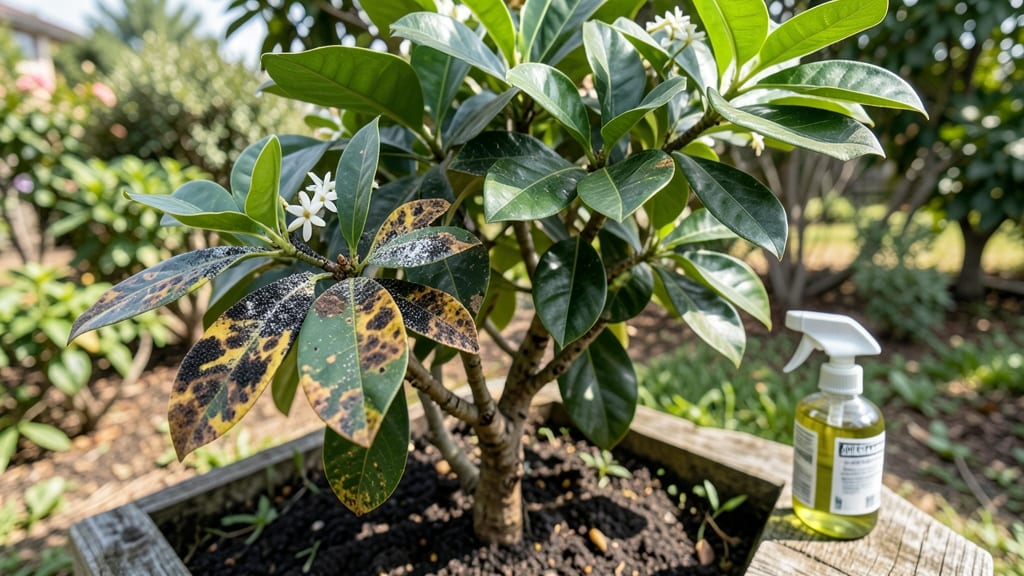
Your curry leaf tree’s glossy leaves could be hiding a fungal infection before you notice the signs of curry leaf tree diseases. 🌿 I’ve seen anthracnose and powdery mildew turn vibrant foliage into a sad, spotted mess—until I caught them early with simple remedies that work in any backyard.
The problem usually starts with too much moisture or poor air circulation. Leaves yellow, develop dark spots, or get covered in white powder. The good news? Pruning for airflow, copper fungicide sprays, and neem oil can reverse early stages before the tree suffers.
By the time you see the first spots, you’ll already have a plan: remove infected leaves, adjust watering, and apply organic treatments. Your tree’s fragrance and productivity will bounce back stronger than ever. Works for container-grown trees too—just watch for overwatering. Here’s how to keep those leaves lush and disease-free.
Root Causes Of Curry Leaf Tree Struggles
Curry leaf trees (Murraya koenigii) are hardy but not invincible—when they fall prey to diseases, it’s almost always due to a mix of environmental stress, pathogen invasion, or cultural mismanagement.
Understanding why these issues arise is the first step to prevention. Below, we break down the science behind the most common triggers, so you can address the root cause—not just the symptoms.
Curry leaf trees thrive in warm, humid climates with well-drained soil, but when their growing conditions stray too far from ideal, they become vulnerable to diseases like anthracnose, powdery mildew, or bacterial leaf spot. Here’s how environmental factors set the stage for trouble:
- Excess Moisture:
Curry leaf trees hate soggy roots. Overwatering or poor drainage creates the perfect breeding ground for fungal pathogens like Colletotrichum (anthracnose). Fungal spores splash onto leaves from wet soil, especially during monsoons or after heavy irrigation. Pro tip: Ensure pots or garden beds have drainage holes and avoid waterlogging.
- Low Light or Sudden Shifts:
These tropical trees need bright, indirect light (6+ hours of sunlight daily). When placed in shade or exposed to harsh afternoon sun without acclimation, their leaves weaken, making them susceptible to sunburn or stress-related diseases. Watch for: Yellowing leaves (chlorosis) or crispy edges—signs the tree is struggling to photosynthesize efficiently.
- High Humidity Without Airflow:
While curry leaf trees love humidity (60–80%), stagnant air traps moisture on leaves, promoting powdery mildew (a white, fuzzy fungal growth). Poor ventilation in greenhouses or dense plantings worsens the issue. Fix it: Space trees 3–4 feet apart and use fans to improve airflow.
Diseases don’t just appear—they invade. Curry leaf trees are targeted by specific pathogens that exploit weak spots. Here’s how they gain entry:
| Pathogen | How It Spreads | Weakness It Exploits |
|---|---|---|
| Colletotrichum (Anthracnose) | Spores splash from soil/water to leaves during rain or overhead watering. | Wet leaves + high humidity + nutrient-deficient soil. |
| Pseudomonas syringae (Bacterial Leaf Spot) | Bacteria hitchhike on tools, wind, or contaminated water. | Open wounds (pruning cuts) or stressed leaves. |
| Erysiphe (Powdery Mildew) | Windborne spores land on leaves in low-light, high-humidity conditions. | Poor airflow + crowded foliage. |
💡 Key Insight: Most pathogens wait for the tree to be weakened before striking. Healthy trees with strong immune systems (thanks to proper care) resist infections far better.
Even with perfect weather, curry leaf trees can sicken if basic care is neglected. These "invisible" factors often go unnoticed until symptoms appear:
- Nutrient Deficiencies:
Lack of magnesium (Mg) or zinc (Zn) weakens cell walls, making leaves prone to fungal attacks. Yellowing between leaf veins (interveinal chlorosis) often signals magnesium deficiency. Solution: Test soil pH (ideal: 6.0–7.0) and amend with Epsom salt (for Mg) or zinc sulfate.
- Pruning Wounds Left Unhealed:
Dirty or jagged cuts from pruning create entry points for bacteria like Xanthomonas. Always sterilize tools with 70% rubbing alcohol and make clean cuts with sharp shears. 🔪 Pro Tip: Apply a thin layer of copper fungicide to large pruning wounds as a preventative.
- Pests as Disease Vectors:
Sap-sucking insects like aphids or scale damage leaves, creating wounds that bacteria or fungi can infect. Their sticky honeydew also promotes sooty mold. Act fast: Spray infested areas with neem oil or insecticidal soap before pests spread.
🎯 Bottom Line: Curry leaf tree diseases rarely strike out of nowhere. They’re the result of missed opportunities to provide ideal growing conditions. By addressing moisture, light, airflow, nutrition, and hygiene, you can starve out pathogens before they take hold.
Quick Fixes for Curry Leaf Tree Ailments
Now that you’ve spotted the trouble, it’s time to act! Curry leaf trees are resilient, but early intervention is key to saving your plant. Below are practical, step-by-step solutions tailored to the most common diseases, along with preventive tips to keep your tree thriving.
Think of this as your emergency repair guide—no green thumb required!
Cause: Alternaria or Cercospora spores thrive in damp, humid conditions, turning leaves into a sad, spotted mess.
🔥 How to Treat It
- Prune the Problem Areas 🪒
- Snip off infected leaves (at least ½ inch below the spot) using sterilized pruners (wipe with rubbing alcohol between cuts).
- Dispose of them in the trash (not compost)—fungal spores can survive in soil!
- Fungicide Rescue Mission 💊
- Spray with a copper-based fungicide (like Bordeaux mixture) or neem oil solution (2% neem oil + water + a drop of dish soap).
- Apply every 7–10 days for 3–4 weeks, focusing on the undersides of leaves (where spores love to hide).
- Pro tip: 🌡️ Timing matters! Water trees early in the morning so leaves dry by evening—fungi hate dryness.
- Boost Airflow & Light 🌬️☀️
- Thin out dense foliage to improve airflow.
- Move the tree to a sunnier spot (but avoid scorching afternoon sun).
🛡️ Prevention for Next Time
- Space plants 3–4 feet apart to reduce humidity.
- Water at the base (avoid overhead sprinkling).
- Clean up fallen leaves regularly—fungi love a free buffet!
Cause: A white, flour-like dust coats leaves, stunting growth and weakening the tree. Erysiphe or Oidium fungi are usually to blame.
🍳 DIY Remedies That Work
- Baking Soda Blast 🧼
- Mix 1 tsp baking soda + 1 tsp vegetable oil + 1 tsp dish soap + 1 gallon water.
- Spray directly on infected areas (test a small leaf first for sensitivity).
- Repeat every 5–7 days until mildew disappears.
- Hydrogen Peroxide Soak 🧴
- Dilute 1 tbsp 3% hydrogen peroxide in 1 quart water.
- Spray on leaves and let sit for 10 minutes before rinsing.
- Warning: 🌡️ Avoid direct sun after treatment—it can burn leaves.
- Sulfur Dust (For Bad Cases) ⚗️
- Lightly dust wettable sulfur on leaves (follow package rates).
- Best used early in the morning on a cool, dry day.
🎯 Long-Term Defense
- Avoid overhead watering—use drip irrigation instead.
- Plant mildew-resistant varieties (if replanting).
- Encourage beneficial insects like ladybugs, which munch on mildew spores.
Cause: Too much water + poor drainage = Phytophthora or Pythium fungi gnawing at roots.
👨🍳 Emergency Root Rescue
- Stop Watering Immediately 💦➡️🚫
- Let the soil dry out completely before watering again.
- Improve Drainage 🏗️
- Dig around the base and add perlite or coarse sand to the soil.
- Consider repotting in a container with drainage holes if in-ground.
- Fungicide Soil Drench 💧
- Mix 1 tbsp copper fungicide per gallon of water and pour it into the soil.
- Repeat every 2 weeks until new growth appears.
💡 Prevention Tips
- Use raised beds if your soil drains poorly.
- Water deeply but infrequently—let the top 2 inches of soil dry out between waterings.
- Avoid mulch piles against the trunk (keep it 2–3 inches away).
Even after treating the disease, prevent relapse with these easy habits:
- Fertilize lightly (too much nitrogen = weaker defenses).
- Rotate pruning tools to prevent cross-contamination.
- Inspect leaves weekly—catch issues before they spread!
Final Thought: 🌟 Curry leaf trees are tough, but they need your help to bounce back. Act fast, stay consistent, and soon your tree will be flourishing again—ready to spice up your kitchen (and your garden)!
Frequently asked questions
What are the first signs of disease in a curry leaf tree?
Watch for small yellow or brown spots on leaves, especially along the edges or between veins. These often signal anthracnose or bacterial leaf spot. Powdery mildew shows as a white, flour-like coating, while fungal root rot may cause wilting despite moist soil. Check both leaf surfaces and soil moisture levels immediately.
Can I use homemade remedies for curry leaf tree diseases?
Yes! For powdery mildew, mix 1 tsp baking soda + 1 tsp dish soap + 1 gallon water and spray leaves weekly. Neem oil (2% solution) works against fungal spots—apply every 7-10 days. Always test remedies on a small leaf first to avoid burning tender foliage.
How often should I prune my curry leaf tree to prevent diseases?
Prune 2-3 times a year: remove dead/diseased branches in early spring, thin dense growth in summer, and do light shaping in fall. Always use sterilized tools and make clean cuts ½ inch above a leaf node. Pruning improves airflow—critical for preventing fungal infections like powdery mildew.
What’s the difference between bacterial and fungal diseases in curry leaf trees?
Bacterial spots (like Pseudomonas) appear as water-soaked, greasy lesions with yellow halos, often oozing. Fungal diseases (like Colletotrichum) show dry, crusty spots that may crack. Bacteria spread via water/wind, while fungi thrive in damp conditions. Copper fungicides work for both, but bacterial issues need copper-based bactericides.
Will my curry leaf tree recover if I treat it early?
Early treatment (within 2-3 weeks of symptoms) gives 90% success rate. Remove infected leaves, apply fungicides, and adjust care (like reducing water). Severe cases may need root-pruning or repotting. With consistent care, your tree can regrow healthy leaves within 4-6 weeks. Patience is key—don’t give up after one treatment!