
Planting
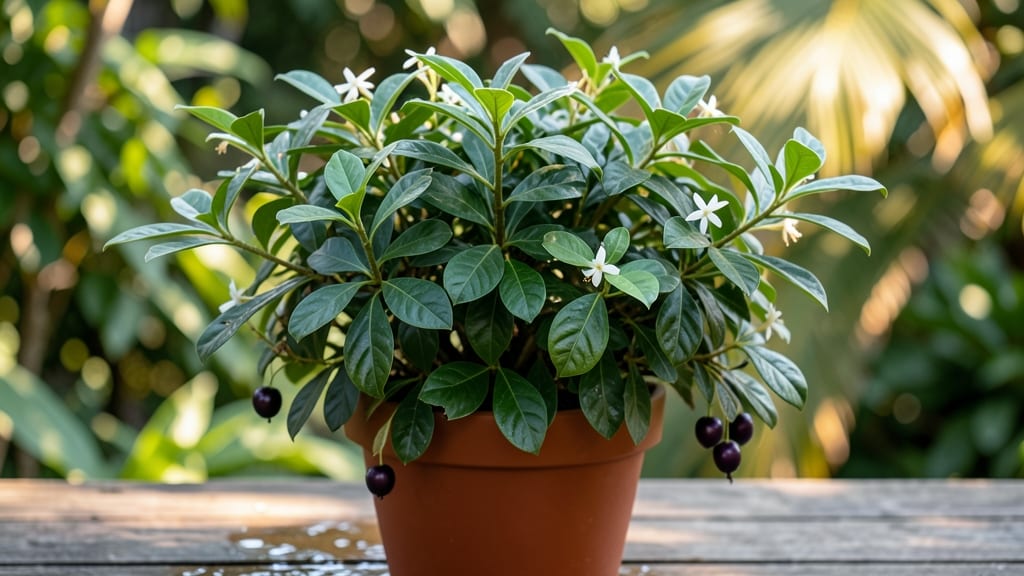
Growing Murraya koenigii—the fragrant curry leaf plant—is one of the fastest ways to transform your kitchen into a spice garden. 🌿 This tropical perennial thrives in warm climates but adapts surprisingly well to indoor pots, delivering fresh leaves year-round for authentic curry flavors.
The key lies in mimicking its natural habitat: bright, indirect light, well-draining soil, and consistent moisture without soggy roots.
Start with a 5-gallon pot filled with a mix of potting soil and perlite (60/40 ratio) to prevent root rot. Place it near an east or west-facing window where it gets 4-6 hours of sunlight daily, or supplement with a grow light if indoors.
Water when the top inch of soil feels dry—overwatering is the #1 killer of these plants—and always use a pot with drainage holes.
Within 3-4 months, you’ll see glossy, aromatic leaves ready for harvest. Pinch back new growth to encourage bushiness, and prune leggy stems to maintain shape.
The plant’s fast growth makes it perfect for culinary use: simply pluck leaves as needed (they regrow quickly), and dry or freeze extras for later. For outdoor gardeners in zones 10-11, it grows as a small tree, while indoor versions stay compact at 3-4 feet tall.
Watch for aphids or spider mites—common pests on glossy leaves—and treat with neem oil if spotted. With the right care, this plant rewards you with bold, citrusy-scented leaves that elevate every dish.
Whether you’re a beginner or seasoned gardener, Murraya koenigii delivers both beauty and flavor faster than you’d expect.
📚 In This Guide
- What you need
- Instructions
- Tips and common mistakes
- Wrapping up and next steps
What you need
- ● Curry leaf plant seeds or saplings: 1–3 (ensure they’re fresh or sourced from a trusted nursery).
- ● Well-draining potting mix: 5–10 lbs (for pots) or enrich garden soil with compost (for in-ground planting).
- ● Containers (if potted): 1–2 ceramic or terracotta pots (10–12 inches in diameter) with drainage holes.
- ● Organic fertilizer: Balanced NPK (10-10-10) or compost tea for nutrient boost.
- ● Watering can or hose: With a gentle spray nozzle for hydration.
- ● Pruning shears: For trimming leggy growth or shaping the plant.
- ● Trowel or shovel: For transplanting or digging garden beds.
- ○ Mulch (optional): Straw or wood chips to retain soil moisture.
- ○ Spray bottle (optional): For misting leaves in dry climates.
- ○ Sunlight meter (optional): To check light exposure (ideal: 6+ hours/day).
- ● Warm climate (Zones 9–11): Or a sunny indoor spot (south-facing window or grow lights).
- ● Patience: Seeds take 4–6 weeks to sprout; saplings grow ~1–2 ft/year.
- ● Consistency: Regular watering (keep soil moist but not soggy!).
Step-by-Step instructions for growing Murraya koenigii (curry leaf plant)
Here's how I grow these fragrant, fast-spreading perennials—ready for harvest in just a few months.
🌱 Step 1: Start Seeds or Transplant Cuttings Indoors
Curry leaf seeds germinate slowly, so I prefer using 4-6 inch cuttings from established plants instead. Dip the cut end in rooting hormone, then plant in a 4-inch pot filled with a mix of equal parts perlite and peat moss. This lightweight blend prevents rot while encouraging root development. Press the cutting gently but firmly into the soil until it stands upright.
Place the pot in a warm spot with bright, indirect light—a south-facing window works well. Keep the soil consistently moist but never soggy; I use a spray bottle to mist the soil daily until roots form. You'll know it's working when you see new growth at the base within 4-6 weeks. Avoid direct sun during this stage, as it can scorch tender new leaves.
☀️ Step 2: Acclimate and Transplant Outdoors
Once your cutting has developed 3-4 sets of leaves, it's ready to move outside. I start by placing the pot in a sheltered spot for 2-3 hours daily, gradually increasing exposure over 1-2 weeks. This hardening-off process prevents transplant shock, which curry leaf plants are particularly sensitive to.
Choose a permanent outdoor location with full sun to partial shade—at least 4-6 hours of direct sunlight daily. Curry leaf plants thrive in well-draining soil with a slightly acidic to neutral pH. If your soil is heavy clay, amend it with compost and sand to improve drainage. Transplant in early spring after the last frost date for best results.
💧 Step 3: Establish Watering and Fertilization Routine
Water deeply 2-3 times per week during the first growing season, allowing the top 1-2 inches of soil to dry out between waterings. Overwatering is the biggest mistake I see—curry leaf plants hate soggy roots. Once established, they're quite drought-tolerant, but young plants need consistent moisture to develop strong root systems.
Fertilize lightly every 6-8 weeks with a balanced 10-10-10 fertilizer diluted to half strength. I avoid heavy feeding, as curry leaf plants grow best with moderate nutrition. You'll notice new growth and a stronger fragrance within a few weeks of proper fertilization. Prune back leggy growth to encourage bushier development.
✂️ Step 4: Prune and Harvest for Maximum Flavor
Curry leaves develop their boldest flavor when harvested young and tender. I start harvesting 3-4 leaves per stem once the plant has 12-15 leaves total. Use clean, sharp scissors to avoid damaging the plant. Regular pruning also encourages new growth—trim back 1/3 of the plant's height after the first harvest to maintain shape and productivity.
For continuous harvests, pinch back new growth regularly to promote bushier growth. Curry leaf plants reward consistent care with year-round production in warm climates. In colder regions, bring potted plants indoors before the first frost and place them near a sunny window. They'll go semi-dormant but bounce back quickly when temperatures warm again.
Tips & tricks for growing Murraya koenigii
These fast-growing perennials thrive with the right approach—here's how to accelerate their growth and avoid common pitfalls.
Rooting Hormone Tip: For best results, use a high-quality rooting hormone specifically formulated for woody plants. I've found that a gel formulation works better than powders because it sticks to the cutting and provides more consistent results. After dipping your 4-6 inch cutting, gently tap off any excess to prevent clumping in the soil mix. This step significantly increases your success rate, especially for beginners.
Light Transition Strategy: When moving your cutting outdoors in Step 2, I recommend using a shade cloth for the first week instead of just placing it in partial shade. Start with 50% shade and gradually reduce to 30% over the 2-week period. This gradual transition mimics natural conditions and prevents the shock that often causes leaf drop. The 2-3 hours of initial exposure should be in the morning when sunlight is less intense.
Soil Mix Secret: The perlite and peat moss combination in Step 1 is crucial, but I've found that adding a handful of perlite to the bottom of your 4-inch pot creates an extra drainage layer. This prevents water from pooling at the roots, which can lead to rot. The lightweight mix should feel like a damp sponge—not wet or dry. If your mix feels too dense, add another 20% perlite to improve aeration.
Harvesting Hack: Always harvest leaves in the morning when their essential oils are most concentrated. Use clean, sharp scissors and make cuts just above a leaf node to encourage new growth. I've noticed that harvesting every 4-6 weeks actually stimulates more vigorous growth—don't wait until the plant is overgrown. The 3-4 leaves per stem guideline works best when you're harvesting regularly rather than taking too many at once.
Pro Tips for Curry Leaf Plant Murraya Koenigii
- These fast-growing perennials thrive with the right approach—here's how to accelerate their growth and avoid common pitfalls.
- Rooting Hormone Tip: For best results, use a high-quality rooting hormone specifically formulated for woody plants.
- Light Transition Strategy: When moving your cutting outdoors in Step 2, I recommend using a shade cloth for the first week instead of just placing it in partial shade.
Frequently asked questions
about growing and using Murraya koenigii (curry leaf plant) are common among gardeners and home cooks alike! Here are answers to the most pressing questions to help you thrive with this aromatic perennial.How long does it take for a curry leaf plant to bear leaves?
A healthy Murraya koenigii seedling typically starts producing leaves within 6–12 months, though grafted plants may yield leaves sooner (as early as 3–4 months). Patience is key—young plants focus energy on root growth before leaf production. Ensure they receive bright, indirect light and well-draining soil to speed up the process!
Can I grow curry leaves from cuttings or just seeds?
Both methods work, but cuttings are faster and more reliable! Take 4–6 inch cuttings from healthy stems, dip in rooting hormone, and plant in moist sand/perlite. Roots form in 2–4 weeks. Seeds take 6–12 months to mature and germinate slowly. For quick results, opt for cuttings or buy a grafted plant from a nursery.
How do I harvest curry leaves without killing the plant?
Harvest leaves from mature branches (avoid over-pruning young plants). Snip 3–5 leaves per stem at a time, leaving at least 2–3 leaves behind to sustain growth. Use sharp scissors to prevent tearing. Pro tip: Harvest in the morning when leaves are most flavorful and oils are concentrated!
Why are my curry leaf plant’s leaves turning yellow or dropping?
Yellowing or dropping leaves usually signal overwatering, underwatering, or poor drainage. Check soil moisture—it should stay slightly dry between waterings. Ensure the pot has drainage holes and use a well-draining mix (like 60% soil + 40% perlite). If leaves curl, it may also indicate pests (like aphids) or low humidity—spray with neem oil if needed.
Can I grow curry leaves indoors? What’s the best setup?
Yes! Place your plant near a south- or west-facing window for 6+ hours of sunlight daily. Use a grow light if natural light is insufficient. Keep humidity high (mist leaves or use a pebble tray) and maintain temps between 60–85°F. A 10–12 inch pot is ideal for indoor growth, and rotate the plant weekly for even light exposure.
Wrapping up and next steps
Growing Murraya koenigii—the aromatic curry leaf plant—is a rewarding journey that brings bold flavors and lush greenery to your kitchen.
Whether you're a seasoned gardener or just starting, this fast-growing perennial thrives with minimal effort, offering both culinary and ornamental benefits. Start small, stay consistent, and soon you’ll be harvesting fresh leaves for dishes that truly stand out!
Ready to take the next step? Plant your seeds or saplings today and watch your kitchen transform into a fragrant, flavor-packed haven. 🌱✨