
Pests
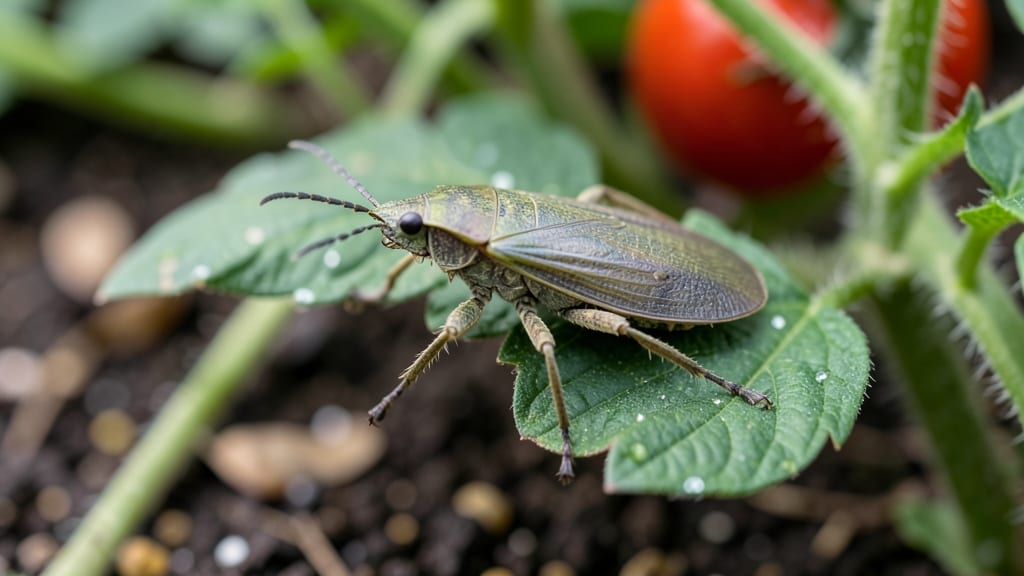
Leaf-footed bugs on tomato plants can turn your harvest into a sad, speckled mess if you don't act fast. 🌱 I've seen these tiny pests go from barely noticeable to a full-blown infestation in just a few weeks—especially when the weather turns hot and dry.
The good news? You don't need harsh chemicals to win this battle. With the right organic methods, you can protect your tomatoes and still enjoy a thriving garden.
These bugs thrive when tomato plants are stressed, often hiding under leaves or along stems during the day. That's why early detection is key—check your plants regularly, especially after rain or watering, when they're most active.
A simple soap spray or neem oil can knock them back, but consistency is everything. I've found that combining physical removal with natural predators like spiders and lacewings gives the best long-term results.
By the time you spot the first signs—tiny brown bugs with leaf-like feet on the undersides of leaves—you'll want to act immediately. With the right approach, you can save your plants and still enjoy plump, juicy tomatoes all season long.
The secret lies in prevention, quick action, and letting nature do some of the work for you.
This works for both backyard gardens and container-growing setups. Once you understand their habits, you'll spot them before they become a problem—and that's when you'll see the biggest difference in your harvest. Let's get those tomatoes protected!
The Root Causes Behind Tomato Invaders
Leaf-footed bugs (often called stink bugs or tomato bugs) don’t just randomly show up on your tomato plants—they’re drawn there by a mix of environmental cues, plant chemistry, and even human habits.
Understanding these triggers is the first step to stopping them before they ruin your harvest. Let’s break down the science behind their unwelcome visits.
Tomatoes produce volatile organic compounds (VOCs) that act like invisible dinner bells for leaf-footed bugs. These pests are particularly drawn to:
- Sugary sap: Ripe and overripe tomatoes release fructose and glucose, which bugs detect from yards away using their specialized antennae.
- Damaged plant signals: When you prune, harvest, or even lightly bruise tomato leaves, the plant emits distress chemicals (like jasmonic acid) that bugs interpret as “easy prey.”
- High moisture content: Leaf-footed bugs thrive in plants with plump, hydrated tissues—ideal for piercing and sucking out nutrients.
Actionable insight: If you notice bugs clustering near specific tomatoes, it’s often the ripest or most stressed ones. Harvest these first to reduce the scent trail.
Leaf-footed bugs love chaos. A garden that’s left unmanaged becomes a bug buffet because:
- Dense foliage hides them: Tall, unpruned tomato plants create microclimates where bugs can lay eggs undetected in the undersides of leaves.
- Weeds act as nurseries: Plants like malva (cheeseweed) and purslane are known hosts for leaf-footed bug eggs. If these grow near your tomatoes, they’re basically bug motels.
- Mulch buildup traps moisture: Thick mulch layers create humid pockets where bugs overwinter or lay eggs. Too much organic matter = more hiding spots.
Pro tip: 🌡️ Mulch smartly—use a thin layer (1–2 inches) of straw or grass clippings and keep it 6+ inches away from the tomato stem to deter pests.
Leaf-footed bugs are opportunistic, and their activity spikes during:
- Warm, dry spells: Bugs thrive in temperatures above 75°F (24°C). Drought-stressed tomatoes produce even more sugary sap, making them tastier targets.
- Early morning dew: High humidity slows natural predators (like ladybugs) and makes tomato leaves stickier—perfect for bugs to grip and feed.
- Late summer/early fall: As tomatoes ripen, bugs ramp up feeding to store energy for winter. This is when you’ll see the most damage.
Data point: Studies show leaf-footed bug populations can double in just 2 weeks during heatwaves. Stay vigilant in July–September.
Sometimes, we accidentally create the perfect bug magnet. Common mistakes include:
- Over-fertilizing with nitrogen: Lush, fast-growing tomatoes attract bugs because their sap is more concentrated. Switch to a balanced fertilizer (10-10-10) to avoid this.
- Planting near other bug favorites: Crops like eggplant, peppers, and beans share chemical signals with tomatoes. Keep them 20+ feet apart.
- Ignoring early signs: A few small holes? That’s a bug’s way of saying, “This plant is delicious—tell my friends!” Delaying action lets populations explode.
Quick fix: 💡 Prune aggressively in early summer to remove egg-laying sites and improve airflow, which bugs hate.
In a healthy ecosystem, bugs like assassin bugs, spider mites, and birds keep leaf-footed bugs in check. But modern gardening often disrupts this balance:
- Pesticide overuse: Broad-spectrum sprays kill beneficial insects faster than pests, leaving tomatoes defenseless.
- Monoculture planting: Row after row of tomatoes removes biodiversity, starving predator species.
- Urban/suburban gardens: Fewer wildflower borders mean fewer hoverflies or lacewings to patrol your plants.
Solution: ✨ Plant a “bug buffet” nearby—add dill, fennel, or cosmos to attract predators. Even a small patch makes a difference!
Practical Ways to Stop Tomato Pests
Leaf-footed bugs can turn your thriving tomato plants into a chewed-up mess, but the good news is that you can fight back—without harsh chemicals. Below are targeted solutions tailored to the most common causes of these pests, from early detection to long-term prevention.
Each fix is designed to be easy, effective, and eco-friendly, so you can protect your harvest while keeping your garden healthy.
Cause: Small populations or isolated infestations caught early.
Fix:
- 👨🍳 Morning Patrol: Check plants in the early morning when bugs are sluggish. Wear gloves and gently crush or drop them into soapy water (a bucket with a few drops of dish soap works).
- 🕷️ DIY Sticky Traps: Place yellow sticky traps near plants to catch adult bugs before they lay eggs. Replace traps every 3–5 days for best results.
- 🍂 Shake & Destroy: Place a white sheet or tray under plants, then gently shake branches to dislodge bugs. Dispose of them far from your garden.
💡 Pro Tip: Focus on underleaves and fruit clusters—these are their favorite hiding spots!
Cause: Large clusters of nymphs or adults overwhelming your plants.
Fix: Use these spray-based solutions (apply in the early evening to avoid harming bees):
| Spray Solution | How to Use | Reapply Every |
|---|---|---|
| Neem Oil | Mix 1 tsp neem oil + 1 tsp mild soap + 1 quart water. Spray thoroughly. | 5–7 days |
| Insecticidal Soap | Use a horticultural oil-based soap (like Safer® Brand). Spray until dripping. | 3–5 days |
| Kaolin Clay | Mix 1 tbsp kaolin clay + 1 gallon water. Sprays create a repellent film. | 7–10 days |
| Garlic & Chili Pepper Spray | Blend 2 garlic cloves + 1 tbsp cayenne + 1 quart water. Strain and spray. | 4–5 days |
⚠️ Important: Always test sprays on a small leaf first to avoid burning plants.
Cause: Preventing bugs from reaching plants in the first place.
Fix:
- 🧶 Row Covers: Use fine mesh netting (like Agribon) over young plants to block adults from laying eggs.
- 🌿 Companion Planting: Interplant basil, marigolds, or onions—their strong scents repel leaf-footed bugs.
- 🍃 Mulch Smartly: Use straw or grass clippings (not wood chips) to smother eggs and deter adults from climbing plants.
- 🌡️ Heat & Light Trick: Install a yellow LED light near plants at night—bugs are drawn to it and can be trapped away.
🎯 Prevention Bonus: Remove fallen fruit and debris regularly—these are egg-laying hotspots!
Cause: Recurring infestations despite other efforts.
Fix:
- 🐞 Beneficial Nematodes: Apply Steinernema carpocapsae (a type of microscopic worm) to soil. They seek out and kill bug eggs/larvae without harming plants.
- 🦋 Ladybugs & Lacewings: Release beneficial insects (available at garden centers) to predate on nymphs.
- 🐍 Chickens or Ducks: If you have poultry, let them free-range in the garden—they’ll peck up bugs and eggs naturally.
✨ Eco-Friendly Hack: Plant dill or fennel nearby—these attract predatory wasps that hunt leaf-footed bugs.
Stop bugs before they start with this simple routine:
| Season | Task |
|---|---|
| Spring | Prune plants to improve airflow (bugs love dense foliage). |
| Summer | Inspect plants weekly—remove eggs (tiny, white, rice-sized). |
| Fall | Till soil to disrupt overwintering eggs. |
| Winter | Clean up debris—burn or bag old plant material to kill hibernating bugs. |
Final Thought: Consistency is key! Combine 2–3 methods (e.g., handpicking + neem oil + companion plants) for the best defense. With these steps, your tomato plants will stay bug-free and bountiful—no chemicals required! 🍅🚫🐛
Frequently asked questions
What do leaf-footed bug eggs look like, and how can I remove them?
Leaf-footed bug eggs are tiny, white, and rice-shaped, often laid in clusters on the undersides of tomato leaves. Use a magnifying glass to spot them, then carefully scrape them off with your fingernail or a soft brush into soapy water. Check plants weekly during warm months, as eggs hatch quickly into damaging nymphs.
Will my tomatoes still be safe to eat if leaf-footed bugs have been feeding on them?
Yes, tomatoes are safe to eat even after leaf-footed bug feeding, but the quality may suffer. These bugs pierce fruit to suck sap, leaving small scars and potentially causing cosmetic blemishes. Focus on removing bugs early to prevent damage—your tomatoes will be juicier and more attractive without their feeding marks.
How long does it take for organic sprays like neem oil to work against leaf-footed bugs?
Neem oil and insecticidal soap typically show results within 24–48 hours of application, but full effectiveness requires 3–5 days of consistent use. For best results, apply in the evening when bees aren't active and reapply every 5–7 days, especially after rain. Combine with handpicking for faster control.
Can I use garlic spray as a preventive measure, or is it only good for existing infestations?
Garlic spray works both preventively and as a treatment! Blend 2 garlic cloves + 1 tbsp cayenne + 1 quart water, strain, and spray plants weekly to deter bugs. The strong scent confuses their navigation system and makes plants less appealing. For existing infestations, reapply every 4–5 days until bugs disappear.
Why do I keep seeing leaf-footed bugs even after treating my tomato plants?
Persistent bugs often mean new adults are migrating in or eggs are hatching undetected. Check nearby weeds (like purslane) for hidden eggs, and consider adding companion plants (basil/marigolds) to disrupt their life cycle. Also, ensure you're treating both leaves and fruit clusters—these are their favorite hiding spots!