
Pests and Diseases
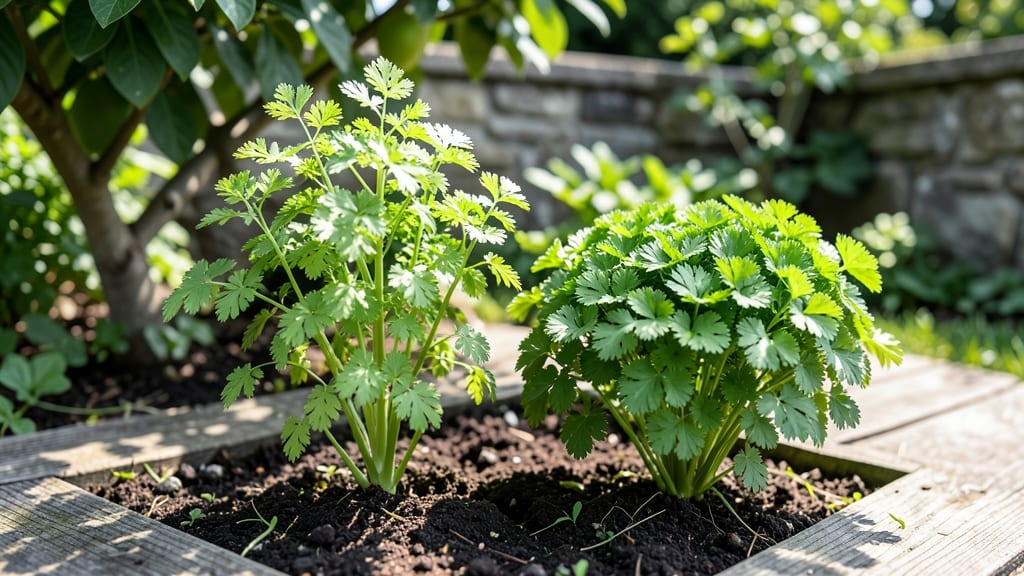
Confusing cilantro and parsley leaves happens to every gardener—until you know these three key differences. 🌿 The first clue is leaf shape: cilantro has delicate, fern-like fronds with a slightly hairy texture, while parsley boasts flat, rounded leaves with a smooth, almost waxy finish.
Both grow upright but reach different heights, with cilantro maxing out around 2 feet while parsley can stretch to 3 feet if happy.
Growing them side by side reveals their care similarities and quirks. Both thrive in full sun to partial shade, prefer well-draining soil, and need consistent moisture—though parsley handles drought better once established.
Cilantro bolts faster in heat, while parsley stays steady, making them perfect neighbors: parsley shades cilantro's roots while cilantro deters pests that might target parsley. Start seeds indoors 6-8 weeks before last frost for both.
In the kitchen, their uses couldn't be more different. Cilantro's bright, citrusy flavor shines in salsas, guacamole, and Southeast Asian dishes, while parsley's mild, slightly peppery taste works as a garnish, in soups, or blended into pesto.
Medicinally, parsley's rich in vitamin K and antioxidants, while cilantro helps with digestion and heavy metal detox—though fresh is always better than dried for potency.
Here's the pro tip: plant them together in containers or garden beds. The parsley's deep roots improve soil structure, while cilantro's rapid growth fills gaps early in the season. Harvest cilantro leaves regularly to delay bolting, and trim parsley stems just above a leaf pair to encourage bushier growth.
Both will reward you with fresh, homegrown flavor all season long.
The first product explained
Meet your new kitchen and garden essential: Organic Fresh Cilantro Leaf Bundle 🌿🍃 This premium product is your go-to for vibrant, flavor-packed cilantro leaves that elevate every dish—from tacos to soups and beyond!
📏 Specs & Features
This bundle includes:
- 100% Organic Cilantro Leaves: Grown without pesticides or chemicals for the purest flavor and safety.
- Fresh & Ready-to-Use: Harvested at peak freshness to retain maximum aroma and nutrients.
- Eco-Friendly Packaging: Sustainable, compostable bags to reduce waste.
- Versatile Uses: Perfect for garnishing, cooking, or blending into sauces, salsas, and drinks.
🎯 Target Users
Ideal for:
- Home cooks and foodies who love bold, fresh flavors.
- Gardeners looking to grow their own herbs (includes seeds for regrowth!).
- Health-conscious individuals who prioritize organic, nutrient-rich ingredients.
- Restaurateurs and chefs needing high-quality, restaurant-grade cilantro.
💰 Price Point & Value
Priced at $8.99 for a 4-ounce bundle, this product offers unbeatable value:
- Affordable compared to store-bought bundles (often $12+ for lesser quality).
- Longer shelf life than store-bought herbs due to organic farming practices.
- Bonus seeds included for home gardening—grow your own supply year-round!
Pro Tip: 💡 Store in the fridge for up to 2 weeks or freeze for longer shelf life. Perfect for meal prep!
The second product explained
Meet your fresh, flavor-packed ally: Parsley! 🌿✨ If you're looking for a versatile herb that’s as easy to grow as it is to love, parsley is your go-to. This vibrant green isn’t just a garnish—it’s a powerhouse of nutrients and a game-changer in both culinary and wellness applications.
📏 Specs & Features
Parsley comes in two main varieties: curly (the classic frilly kind) and flat-leaf (more intense in flavor). Here’s what makes it shine:
- Height: Typically grows 10–24 inches tall, perfect for pots or garden beds.
- Growth Time: Ready to harvest in about 60–80 days from seed.
- Hardiness: Thrives in USDA zones 3–11, making it a year-round hero in many climates.
- Sunlight Needs: Prefers full sun (6+ hours/day) but tolerates partial shade.
- Soil Type: Well-draining, slightly alkaline soil (pH 6.0–7.0) keeps it happy.
🎯 Target Users
Who’s this herb for? Everyone! But here’s who’ll love it most:
- 👩🍳 Home cooks who want to elevate dishes with bright, fresh flavors (think tabbouleh, soups, or roasted veggies).
- 💪 Health enthusiasts seeking a vitamin K and C boost (just 1 tbsp = 135% DV of vitamin K!).
- 🌱 Beginners—parsley is low-maintenance and forgiving, even in containers.
- 🌿 Herb gardeners looking to fill gaps between other plants (it self-seeds easily!).
💰 Price Point
Parsley is a budget-friendly superstar! Here’s the breakdown:
| Form | Price Range (USD) | Best For |
|---|---|---|
| Seeds (1 pack) | $1–$3 | Gardeners who want to grow their own. |
| Bunch (fresh, ~5–6 stems) | $0.75–$2 | Quick kitchen additions or small recipes. |
| Dried (1 oz) | $3–$6 | Long-term storage or cooking when fresh isn’t available. |
Pro tip: 💡 Buy seeds if you’re growing parsley long-term—it’s cheaper and fresher than store-bought bunches!
Head-to-head comparison
Now that you know the basics of cilantro and parsley, let’s dive into a detailed side-by-side comparison to help you spot the differences at a glance! Whether you’re a gardener, chef, or just a curious foodie, understanding these distinctions will make your culinary and horticultural adventures smoother. 🌿🍽️
🔍 Visual Appearance
First impressions matter, and these two herbs couldn’t look more different if they tried! Here’s how to tell them apart in a heartbeat:
| Feature | Cilantro Leaf | Parsley Leaf |
|---|---|---|
| Leaf Shape | Delicate, fern-like, and lacy with serrated edges. Resembles a tiny, intricate leaflet. | Flat, broad, and rounded with a smooth or slightly wavy edge. Think of a tiny flat spoon! |
| Color | Bright green to deep green, sometimes with a slightly bluish tint. | Vibrant green (flat-leaf) or curly and lighter green (curly parsley). |
| Leaf Texture | Soft and delicate, almost translucent when held up to light. | Sturdier and thicker, with a crisp, almost crunchy bite. |
| Stem | Thin and hollow, often reddish or green. | Thicker and woody, usually green but can turn brown with age. |
| Smell | Citrusy and soapy (love it or hate it—there’s no in-between!). | Fresh and mildly grassy, with a hint of peppery undertone. |
💡 Pro Tip: If you’re still unsure, crush a leaf between your fingers. Cilantro will release that unmistakable citrusy aroma, while parsley will smell more like a mild, clean herb. No guesswork needed!
🌱 Growth and Cultivation
If you’re growing these herbs at home, their care needs are worlds apart. Here’s what you need to know:
| Factor | Cilantro | Parsley |
|---|---|---|
| Growth Speed | Fast-growing—ready to harvest in 4-6 weeks! | Slow and steady—takes 6-8 weeks to mature. |
| Light Needs | Prefers partial shade to full sun (too much sun = bolting). | Thrives in full sun (6+ hours daily). |
| Soil Preferences | Loves well-draining, fertile soil. Hates soggy roots! | Adaptable but prefers moist, well-draining soil. More tolerant of clay. |
| Watering | Keep soil consistently moist but not waterlogged. | Water regularly but let the topsoil dry slightly between waterings. |
| Bolting Tendency | High risk—goes to seed quickly in hot weather. | Low risk—more heat-tolerant, especially curly parsley. |
| Harvesting | Harvest outer leaves first to encourage regrowth. Snip stems just above a leaf pair. | Cut stems from the base for a flush of new growth. Avoid over-harvesting young plants. |
🔥 Hot Tip: If your cilantro bolts (sends up a flower stalk), don’t toss it! Let it go to seed to attract pollinators, or save the seeds for next year’s crop. Parsley, meanwhile, is your perennial buddy—it’ll come back year after year if given the right conditions!
🍽️ Culinary Uses and Flavor
These herbs aren’t just pretty faces—they bring serious flavor to the table. Here’s how they stack up in the kitchen:
| Aspect | Cilantro | Parsley |
|---|---|---|
| Primary Flavor | Bright, citrusy, and slightly peppery with a soapy aftertaste (for some). | Mild, slightly peppery, and fresh with a clean, grassy note. |
| Best Dishes |
|
|
| Substitutes | Can sometimes swap with flat-leaf parsley in small amounts, but flavor won’t be identical. Coriander seeds (ground) can mimic the spice. | Flat-leaf parsley is the best substitute for curly parsley, but curly can’t replace flat in recipes needing chopping. |
| Toxic Risk? | Not toxic, but some people are genetically predisposed to dislike its taste (the "soapy" gene!). | Com
Which one should you choose?So, which leaf—cilantro or parsley—should you bring home? The answer depends on your goals, whether you're cooking up a storm, tending to your garden, or just looking for a fresh herb to brighten up your plate. Here’s a quick verdict and recommendation to help you decide! 🍽️ For Cooking & FlavorIf you’re all about bold, citrusy flavors, cilantro is your go-to. It’s the star of tacos, salsas, and Thai-inspired dishes. But if you prefer a milder, slightly peppery taste that pairs well with roasted veggies, soups, or Mediterranean dishes, parsley is the way to go. Pro tip: 💡 If you love both, grow them side by side—cilantro’s bright punch and parsley’s fresh crunch make a fantastic duo in salads! 🌱 For Gardening & GrowthCilantro is easier to grow from seed and thrives in cooler weather, making it a great choice for beginners. Parsley, on the other hand, is a bit more finicky but rewards you with long-lasting greens if you’re patient. If you’re dealing with limited space, cilantro’s bushy growth might be more forgiving, while parsley’s slow-and-steady approach is ideal for containers or windowsill gardens. 💪 For Nutrition & HealthBoth herbs are packed with vitamins, but parsley edges out cilantro in vitamin K and iron. Cilantro, however, has a slight advantage in vitamin A and antioxidants. If you’re looking for a superfood boost, parsley is the winner for bone health and blood health, while cilantro is fantastic for digestion and detox. Pro tip: 🌡️ Use parsley to garnish your meals for a nutrient-rich finish, and cilantro to add a detox-friendly kick! 🎯 Final Recommendation
No matter which you choose, you’re winning with fresh, homegrown herbs. Happy gardening (and cooking)! 🌿✨ |