
Pests and Diseases
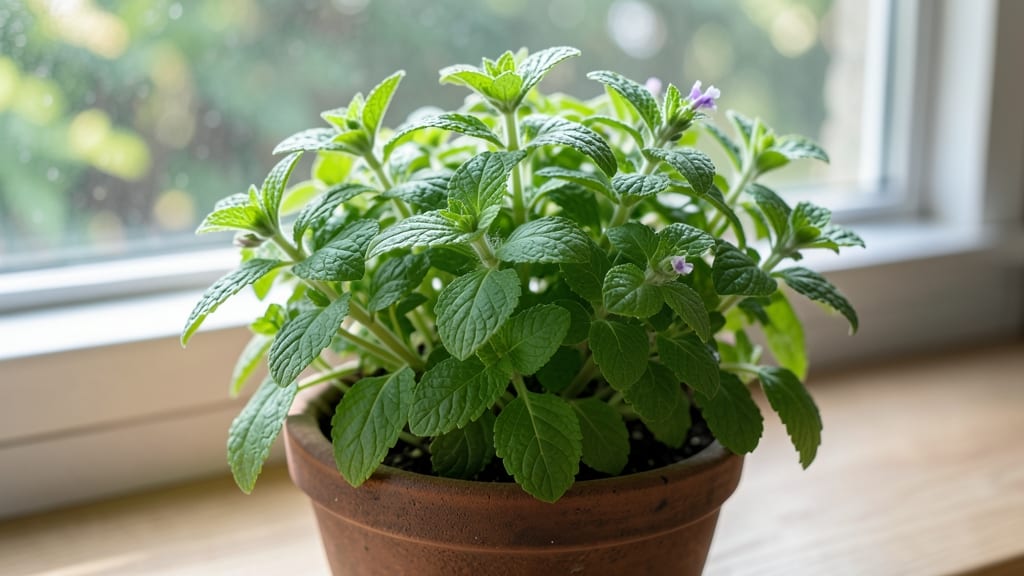
Mint leaf and scent leaf differ significantly: mint leaf refers to Mentha varieties like peppermint or spearmint, prized for their strong aroma and culinary uses, while scent leaf (or Coleus amboinicus) is a tropical herb with broad leaves used for fragrance and ornamental purposes. Their growth habits, pest resistance, and applications vary widely.
When comparing mint leaf and scent leaf, you're looking at two distinct plants with unique strengths.
Mint thrives in cooler climates and spreads aggressively, making it perfect for culinary gardens where its bold flavor is needed—just be prepared for its invasive nature. 🌿 Scent leaf, on the other hand, prefers warmer conditions and grows more slowly, offering a milder aroma ideal for fragrance projects or decorative arrangements.
One key difference is their pest resistance: mint deters ants and spiders, while scent leaf naturally repels aphids and whiteflies, making each plant valuable in different garden scenarios.
For gardeners, this means choosing mint if you want a hardy, flavorful plant that multiplies easily, or scent leaf if you prefer a slower-growing, ornamental option with pest-repellent benefits. Both excel in their own ways—it's all about matching the plant to your needs!
💡 In This Article
- Botanical and Growth Differences Between Mint and Scent Leaf
- Practical Uses and Pest Resistance: Mint vs. Scent Leaf
Botanical and growth differences between mint and scent leaf
Both mint (Mentha spp.) and scent leaf (Coleus amboinicus, also called Mexican mint or Cuban oregano) belong to the Lamiaceae family, but their botanical distinctions shape their growth patterns.
Mint plants thrive in USDA zones 3-11, flourishing in cooler temperatures between 50-75°F and spreading aggressively via underground rhizomes. This makes them ideal for temperate climates but invasive if not contained.
Scent leaf, however, is a tropical perennial that prefers warmth (75-90°F) and grows more upright, reaching 1-3 feet tall with broad, velvety leaves that exude a citrusy, slightly spicy aroma when crushed.
The soil preferences also differ significantly. Mint adapts to most well-draining soils but prefers moist, slightly acidic conditions (pH 6.0-7.0). Its rapid growth means it can outcompete nearby plants, which is why gardeners often contain it in pots.
Scent leaf, however, thrives in sandy, well-draining soil with a neutral pH (6.5-7.5) and tolerates drought better once established. This makes it a low-maintenance choice for warmer regions where mint would struggle to survive the heat.
Propagation methods highlight another key difference. Mint spreads easily from root cuttings or divisions, allowing gardeners to create new plants in just 2-3 weeks by separating rhizomes. Scent leaf, however, is typically grown from seed or stem cuttings, with seeds germinating in 14-21 days under warm conditions.
The slower growth rate of scent leaf means it doesn’t spread as aggressively, making it a safer choice for gardens where invasiveness is a concern.
Light requirements further distinguish these plants. Mint performs best in partial shade to full sun (4-6 hours daily), while scent leaf prefers full sun (6+ hours) to maintain its vibrant foliage and strong fragrance.
This difference is critical for gardeners in sunny climates—mint may scorch in intense heat, whereas scent leaf will thrive and produce more aromatic leaves under the same conditions.
Finally, their growth cycles differ: mint is a hardy perennial that regrows yearly from its root system, while scent leaf is often treated as an annual or tender perennial in colder zones, requiring replanting in spring.
This means scent leaf offers a shorter but more controlled growing season, ideal for container gardening or seasonal fragrance projects.
Understanding these botanical and growth differences helps you choose the right plant for your climate, space, and gardening goals—whether you prioritize mint’s bold flavor or scent leaf’s ornamental charm.