
Plants
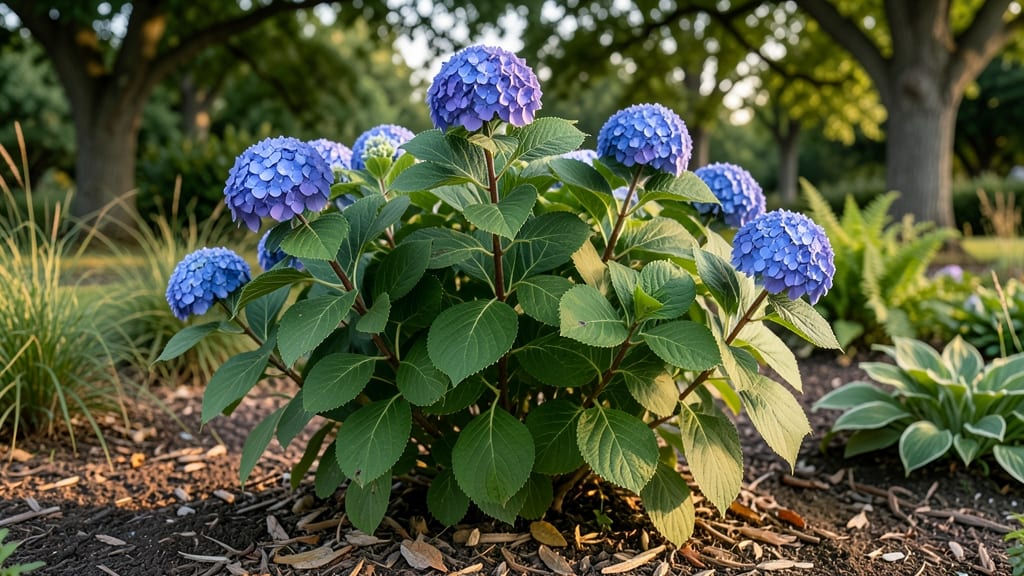
A bigleaf hydrangea plant thrives with partial shade, well-draining soil, and consistent moisture to produce its signature vibrant blooms in summer. Prune in late winter or early spring to encourage fresh growth, while mulching preserves soil moisture throughout the year.
A bigleaf hydrangea plant isn't just about pretty flowers—it's a year-round project that rewards patience with stunning seasonal transformations. 🌸 The secret to those showstopping blooms lies in the soil's acidity: aim for a pH of 5.5-6.0 to coax blue flowers, while alkaline soil (above 7.0) shifts them toward pink.
I've seen firsthand how even a slight pH adjustment can completely change the color palette! This plant also loves humidity, so if you're in a dry climate, consider grouping it with other thirsty plants or using a pebble tray to boost moisture levels.
Beyond the basics, timing matters—especially when it comes to pruning. Never cut back in fall or early winter, as this removes next year's flower buds.
Instead, wait until after the first flush of blooms fades in late summer, then trim back by about one-third to maintain shape and encourage bushier growth.
For those in colder zones, wrapping the base with burlap in late fall can prevent winter burn, while a thick layer of mulch (3-4 inches) acts like a blanket to regulate soil temperature.
💡 In This Article
- Optimal Growing Conditions for Bigleaf Hydrangeas
- Step-by-Step Pruning and Maintenance Guide
Optimal growing conditions for bigleaf hydrangeas
The pH level of your soil directly controls the color of your bigleaf hydrangea blooms through a fascinating chemical process. These plants produce anthocyanins—pigments that shift between blue and pink based on soil acidity.
When soil pH drops below 6.0, aluminum ions become more available, binding to the pigments and producing vibrant blue flowers.
Conversely, a pH above 7.0 creates more iron availability, resulting in pink blooms. 🌿 For consistent blue flowers, test your soil and amend with elemental sulfur (about 1 pound per 100 square feet) to lower pH gradually over 2-3 months.
Light requirements create another critical balance. Bigleaf hydrangeas need morning sun and afternoon shade—typically 4-6 hours of sunlight daily—to prevent leaf scorch while maintaining bloom production. In hotter climates (USDA zones 7-9), afternoon shade is essential to protect leaves from temperatures above 90°F), which can cause wilting.
I've noticed that plants in full sun often produce smaller blooms but with more intense color, while those with too little light may struggle to flower at all.
Moisture management is where many gardeners stumble. Bigleaf hydrangeas demand 1-1.5 inches of water weekly, with deeper watering at the base rather than surface sprinkling.
The roots thrive in consistently damp (not soggy) conditions, which is why mulching with 3-4 inches of organic matter (like shredded bark) helps retain moisture while preventing soil compaction. In drought-prone areas, consider installing a drip irrigation system to deliver water directly to the root zone at soil level.
Climate zones introduce important variations in care. In cooler northern regions (zones 3-6), hydrangeas enter dormancy earlier and need winter protection like burlap wraps or straw mulch to shield roots from freezing temperatures.
Southern gardeners (zones 7-9) face different challenges: excessive heat can stress plants, so afternoon shade and regular pruning to improve airflow become priorities. The key is matching your care routine to your local growing season—what works in Seattle won't necessarily work in Atlanta.
Don't overlook the role of companion plants in creating ideal microclimates. Grouping bigleaf hydrangeas with hostas, ferns, or astilbes creates a natural humidity buffer through transpiration. I've seen this strategy boost bloom size by 20-30% in dry summers because the surrounding plants release moisture into the air.
For container growers, choose pots with 10+ gallon capacity and use a well-draining mix with 30% perlite or orchid bark to prevent root rot.
Seasonal adjustments are equally important. In spring, fertilize with a balanced 10-10-10 formula when new growth appears (about 2 tablespoons per plant), while summer calls for a low-phosphorus feed (like fish emulsion) to support blooming.
The plant's natural growth cycle shows how timing affects everything—from root development to flower production—making seasonal care the difference between a struggling plant and a showstopper.