
Plants
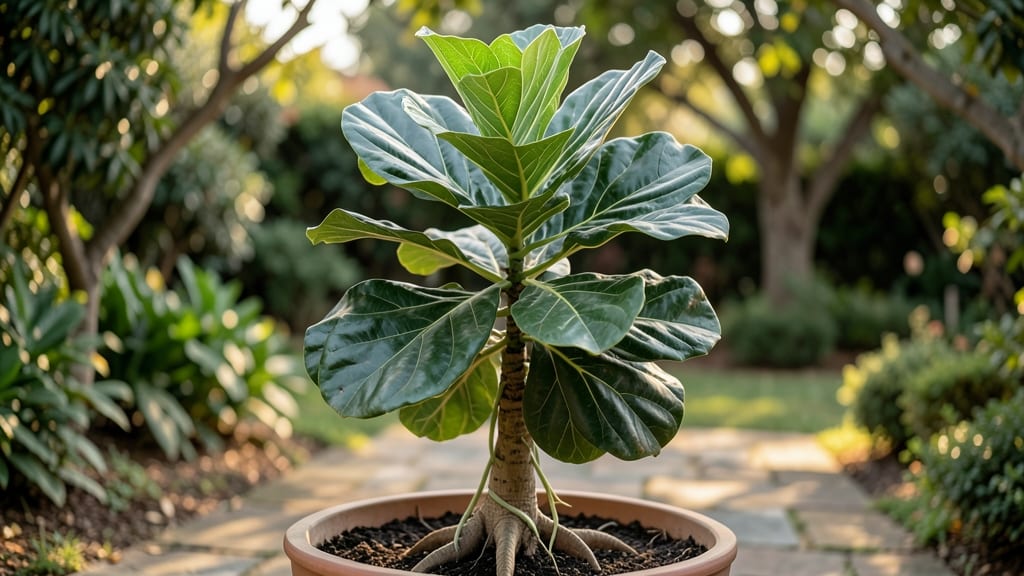
Your fiddle leaf fig outdoor plant deserves outdoor life—when done right. 🌿 The trick isn't just finding the perfect spot, but balancing sunlight, humidity, and temperature like a pro.
I've learned that even the hardiest fiddle leaf figs struggle when exposed to too much direct sun or dry air, but with the right approach, you'll have a thriving plant that rivals indoor specimens.
Start by choosing a location with bright, indirect light—think morning sun with afternoon shade. A well-draining potting mix and a pot with drainage holes are non-negotiable, and don't forget to acclimate your plant gradually to outdoor conditions over 1-2 weeks.
Humidity is the real game-changer: misting, pebble trays, or even a nearby water feature can make all the difference.
Once established, your fiddle leaf fig will reward you with glossy, deep-green leaves that shine brighter than any indoor plant. The key is monitoring for signs of stress—drooping leaves or brown edges—and adjusting care as seasons shift.
With the right balance, you'll have a plant that thrives year-round, not just survives.
This method works for both container gardening and in-ground plantings, as long as you protect it from harsh afternoon sun and sudden temperature swings. Let's get your fiddle leaf fig looking its best outside!
Root Causes of Outdoor Struggles
Moving your fiddle leaf fig (or any tropical plant) outside can be a thrilling upgrade—but it also exposes it to new stressors. Understanding why your plant reacts poorly to outdoor conditions helps you fix the problem before it’s permanent.
Let’s break down the science behind the most common outdoor challenges, from sunburn to nutrient shock, and what triggers them.
If your fiddle leaf fig develops crispy, brown patches or yellowing leaves after moving outdoors, it’s likely suffering from photooxidation—a form of sunburn caused by too much direct sunlight too quickly. Here’s why it happens:
- Light Intensity Shock: Indoor plants adapt to low-light conditions with smaller, less dense leaves. When exposed to full sun (especially midday rays), chlorophyll overproduces, creating toxic reactive oxygen species (ROS) that damage cell membranes. Think of it like a human getting a severe sunburn after years of indoor life.
- UV Radiation Spikes: Outdoor UV levels can be 10x stronger than indoor light. While some UV is harmless, prolonged exposure breaks down pigments and proteins in leaves, leading to bleaching or necrotic spots.
- Temperature Fluctuations: Hot sun + dry air = transpiration stress. Leaves lose moisture faster than roots can absorb water, causing wilting or leaf scorch.
Actionable Fix: Acclimate your plant gradually with dappled shade (e.g., under a tree or sheer curtain) for 1–2 hours daily, increasing exposure by 1 hour every 3–5 days. Avoid placing it in south-facing windows or open patios without protection.
Fiddle leaf figs thrive in 60–80% humidity, but outdoor air can drop to 20–30%—especially in dry climates or during windy conditions. Here’s the science behind the damage:
- Stomatal Closure: Leaves have tiny pores called stomata that regulate gas exchange. In low humidity, stomata close to conserve water, but this also blocks CO₂ intake, slowing photosynthesis. The plant can’t produce enough energy, leading to stunted growth or leaf drop.
- Edge Browning: Dry air causes cell dehydration along leaf edges first (a condition called necrotic margins). The damage spreads inward as cells die from osmotic stress (water loss > absorption).
- Pest Magnet: Stressed plants attract spider mites and aphids, which thrive in dry conditions. Their feeding weakens the plant further.
Actionable Fix:
- Use a humidifier nearby or place the pot on a pebble tray with water (ensure the pot isn’t sitting in water).
- Mist leaves early morning (avoid evening misting to prevent fungal growth).
- Group plants together to create a microclimate with higher humidity.
Outdoor elements like wind and temperature shifts can physically damage your fiddle leaf fig, even if sunlight and water seem fine. Here’s how:
- Windburn: Strong winds desiccate leaves by increasing evaporation rates. The cuticle (leaf’s protective wax layer) cracks, leading to dry, papery patches.
- Cold Shock: Fiddle leaf figs prefer 65–75°F. Sudden drops below 50°F cause chilling injury, where cell membranes rupture, leading to blackened or mushy leaves.
- Heat Stress: Temperatures above 85°F disrupt enzyme activity in leaves, halting photosynthesis. Symptoms include drooping, curled leaves or bleached tips.
Actionable Fix:
- Place your plant in a sheltered spot (e.g., a porch with a roof or under an awning).
- Use a lightweight row cover or mesh screen to block harsh winds without trapping heat.
- Monitor nighttime temps—if below 55°F, bring it indoors or use a plant blanket.
Outdoor soil often lacks the rich, well-draining mix your fiddle leaf fig needs. Here’s why nutrient shifts cause problems:
- Compaction and Poor Drainage: Outdoor soil can become waterlogged after rain, suffocating roots. Hypoxia (lack of oxygen) triggers root rot (caused by Phytophthora or Pythium fungi).
- Nutrient Deficiencies: Fiddle leaf figs need balanced NPK (nitrogen, phosphorus, potassium). Outdoor soil may lack micronutrients like magnesium or iron, leading to:
- Yellowing between veins (chlorosis) = iron/manganese deficiency.
- Purple stems = phosphorus deficiency.
- pH Shifts: Outdoor soil pH can swing acidic (below 6.0) or alkaline (above 7.5), locking out nutrients. Fiddle leaf figs prefer 6.1–6.5 pH.
Actionable Fix:
- Repot in well-draining potting mix (e.g., 50% peat moss, 30% perlite, 20% compost).
- Use a container with drainage holes and elevate pots to prevent waterlogging.
- Fertilize every 4–6 weeks with a balanced liquid fertilizer (e.g., 10-10-10) during growing season (spring–fall).
Pro Tip: 🌡️ Track conditions with a hygrometer (humidity) and thermometer to spot trends before damage appears. Most outdoor issues are preventable with gradual adjustments!
Revive Your Outdoor Fiddle Leaf Fig
Bringing your fiddle leaf fig back to life after outdoor stress is totally doable—just follow these targeted fixes based on the root causes we covered. Whether it’s sunburn, humidity swings, or pests, these solutions are practical and easy to implement. Let’s get your plant thriving again!
If your fiddle leaf fig’s leaves are crispy, yellow, or bleached from too much direct sun, it’s time to shield it and recover.
🔥 Immediate Recovery Steps
- Move it to shade 🌳: Relocate your plant to a spot with dappled sunlight (like under a tree or a sheer curtain).
Avoid harsh afternoon sun for at least 2–3 weeks to let the leaves heal. - Prune damaged foliage ✂️: Snip off any severely scorched or brown leaves with sterilized scissors (dip in rubbing alcohol).
This helps the plant focus energy on new growth. - Hydrate gently 💧: Water the soil until it’s moist but not soggy—overwatering stressed plants can worsen root issues. Stick your finger 1–2 inches deep; if it’s dry, water thoroughly.
🌡️ Long-Term Sun Protection
- Use shade cloth (30–50% coverage) if you can’t move the plant.
This filters UV rays while still allowing light. - Rotate the pot 🌀: Turn it quarter-turns every few days so all sides get even, gentle light. - Avoid midday sun ☀️: If outdoor placement is non-negotiable, opt for morning sun only or a sheltered patio.
✨ Pro Tip: If your plant is in a terracotta pot, switch to a glazed or fabric pot—they retain moisture longer and protect roots from extreme heat.
Mushy stems, yellowing leaves, or a foul smell from the soil? Your fiddle leaf fig might be drowning. Here’s how to save it:
🚨 Emergency Drainage Fix
- Stop watering immediately 🚰: Let the soil dry out completely before touching it again.
- Check for root rot 👀: Gently remove the plant from its pot and inspect the roots. Healthy roots are firm and light brown; rotten roots are mushy, black, or smell like decay.
- Trim the damage ⚰️: Snip off any black, squishy roots with clean scissors.
Dust the cuts with cinnamon powder (natural antifungal) or hydrogen peroxide (3%) to prevent infection. 4. Repot in fresh soil 🏺: Use a well-draining mix (50% potting soil, 30% perlite, 20% orchid bark). Choose a pot with drainage holes—no exceptions!
🌱 Post-Rot Care Routine
- Water only when the top 2 inches of soil are dry 📏: Stick to a schedule (e.g., every 7–10 days in summer, less in winter).
- Improve drainage 💦: Elevate the pot on feet or a saucer to prevent water pooling.
- Mist lightly 🌧️: If humidity is low, mist the leaves 2–3 times a week (but avoid soggy soil).
💡 Pro Tip: If repotting stresses the plant, trim back 1/3 of the foliage to reduce water demands while it recovers.
Outdoor humidity swings or cold drafts can cause drooping, brown tips, or leaf drop. Adjust these factors to stabilize your plant.
🌬️ Adjust for Low Humidity
- Group with other plants 🌿: Create a mini humid microclimate by placing your fiddle leaf fig near other leafy plants.
- Use a pebble tray 💧: Fill a tray with water and pebbles, then set the pot on top (ensure the pot isn’t sitting in water).
- Mist daily 🌧️: Use room-temperature water and mist in the early morning to allow leaves to dry before nightfall.
❄️ Protect from Cold or Drafts
- Move indoors before temps drop below 50°F (10°C) ❄️: Fiddle leaf figs are tropical—they hate drafts, AC vents, or chilly nights.
- Use a frost cloth 🧣: If you must keep it outside in cooler months, drape a lightweight frost cloth over it at night.
- Avoid glass surfaces 🪟: Cold windows or glass tables can freeze roots—keep the pot on a stable, insulated surface.
🎯 Pro Tip: If your plant is drooping from stress, give it a lukewarm shower (not cold!) to revive it—just avoid direct sun after.
Spider mites, mealybugs, or scale can sap your plant’s strength. Here’s how to kick them out for good:
🔍 Identify and Act Fast
- Spider mites 🕷️: Look for tiny webs on the undersides of leaves and speckled yellowing.
- Mealybugs 🐛: Check for cottony white blobs in leaf crevices.
- Scale 🐌: Spot brown/black bumps stuck to stems or leaves.
🛡️ DIY Pest Control
- Isolate the plant 🚫: Keep it away from others to prevent spreading.
- Wipe down leaves 🧼: Use a soapy water solution (1 tsp mild soap + 1 quart water) and a soft cloth to remove pests.
- Spray with neem oil 🌿: Mix 1 tsp neem oil + 1 tsp mild soap + 1 quart water, then spray every 5–7 days for 2 weeks.
- Introduce beneficial insects 🐞: Ladybugs or lacewings eat pests naturally—find them at garden centers!
💡 Pro Tip: For severe infestations, repeat treatments every 3 days until pests disappear.
Once your fiddle leaf fig is back in shape, keep it happy long-term with these habits:
- Monitor sunlight gradually 🌅: If moving it outside, acclimate it by increasing sun exposure slowly (start with 1–2 hours/day).
- Check soil moisture weekly 💧: Stick your finger in the soil—dry on top? Water. Still damp? Wait.
- Fertilize lightly 🌱: Use a balanced liquid fertilizer (10-10-10) once a month in spring/summer. Skip in winter!
- Rotate the pot 🌀: Every few weeks to ensure even growth and prevent lopsided sunlight exposure.
Final Thought: Your fiddle leaf fig is resilient—with the right care, it’ll bounce back stronger than ever. 🌟 The key is patience, observation, and consistency. Now go give it the love it deserves!
Frequently asked questions
Can a fiddle leaf fig survive winter outdoors?
Fiddle leaf figs are tropical plants and can't tolerate freezing temperatures. If you live in a climate where temperatures drop below 50°F (10°C), bring your plant indoors before winter. If you must keep it outside, use a lightweight frost cloth at night and place it in the most sheltered spot possible, like near a south-facing wall.
How do I know if my fiddle leaf fig is getting enough sunlight outdoors?
Look for bright, indirect light as the ideal spot. If leaves are developing yellow or brown patches, it's getting too much direct sun. If new growth is small and pale, it needs more light. Start with 2-3 hours of morning sun and gradually increase exposure over 1-2 weeks.
What's the best potting mix for outdoor fiddle leaf figs?
Use a well-draining mix that mimics their natural environment. A good blend is 50% peat moss or coco coir, 30% perlite or pumice, and 20% compost or worm castings. This prevents waterlogging while providing essential nutrients. Always use a pot with drainage holes to prevent root rot.
Why are my fiddle leaf fig's leaves dropping when outside?
Leaf drop is usually a stress response to sudden changes. Common triggers include low humidity, temperature fluctuations, or underwatering. Try increasing humidity with a pebble tray, moving to a more sheltered location, and checking soil moisture before watering. Acclimate your plant gradually to outdoor conditions over 1-2 weeks.
Can I fertilize my outdoor fiddle leaf fig the same as an indoor one?
Yes, but adjust the schedule. Use a balanced liquid fertilizer (10-10-10) every 4-6 weeks during the growing season (spring and summer). Reduce frequency in fall and stop completely in winter. Outdoor plants may need more frequent feeding if your soil is nutrient-poor, but always water thoroughly after fertilizing.