
Companion Plants
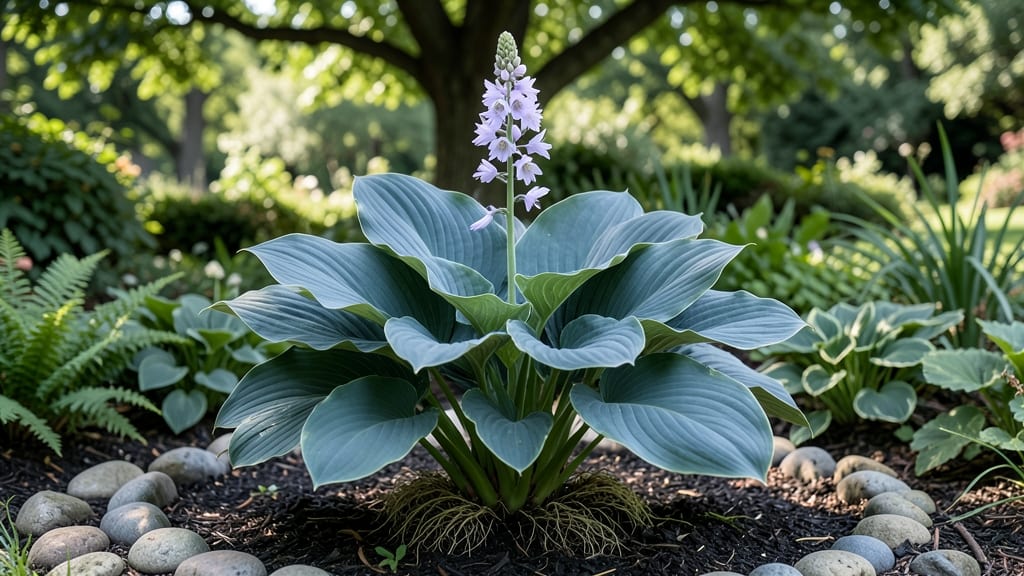
Big leaf hosta plants turn your shady spots into lush, velvety green retreats with almost no effort. 🌿 I’ve grown these giants for years, and they’re the shade garden workhorses I never knew I needed—their massive leaves create instant drama while demanding less care than most perennials.
These beauties thrive in partial to full shade, where their leaves can grow 12–18 inches wide—perfect for anchoring woodland gardens or brightening dark corners. The secret? Rich, moist soil with plenty of organic matter (think leaf mold or compost).
They’re forgiving about watering, but consistent moisture keeps those leaves looking juicy and glossy instead of crispy.
Once established, big leaf hostas multiply like crazy, creating a low-maintenance groundcover that outshines most ornamental grasses. Slugs are the only real threat, but a few beer traps or diatomaceous earth keeps them at bay.
For extra drama, pair them with ferns, astilbes, or hellebores—they’ll steal the show without stealing your time.
Start with 3–5 gallon plants in early spring or fall, space them 2–3 feet apart, and watch them transform your garden into a cool, shady sanctuary that stays stunning from spring through frost. Here’s how to keep them thriving year after year.
📚 In This Guide
- What you need
- Instructions
- Tips and common mistakes
- Wrapping up and next steps
What you need
- ● Big Leaf Hosta Plants: 3–5 mature plants (depending on desired coverage). Choose varieties like 'Francee', 'Guacamole', or 'Blue Angel' for bold foliage.
- ● Well-Draining Soil: Mix 60% topsoil with 40% compost or peat moss (hostas love rich, moist—but not soggy—soil).
- ● Organic Mulch: 2–3 inches of shredded bark, pine needles, or straw to retain moisture and suppress weeds.
- ● Watering Can or Hose: A gentle spray nozzle helps avoid damaging tender leaves.
- ● Garden Gloves: Protect your hands from soil and sharp plant debris.
- ● Garden Trowel: For transplanting or dividing hostas.
- ● Pruners: Sharp, clean pruners for trimming dead leaves in early spring.
- ● Soil pH Test Kit: Hostas prefer slightly acidic soil (pH 6.5–7.5). Adjust with lime or sulfur if needed.
- ● Fertilizer: A balanced 10-10-10 or slow-release organic fertilizer (apply sparingly in spring).
- ○ Shade Cloth (Optional):strong> If your garden gets partial sun, use 30–50% shade cloth to protect young plants.
How to plant and maintain big leaf hostas for year-round shade impact
Here's the straightforward method I've used for five seasons to grow lush, dramatic hostas with almost no fuss.
🌱 Step 1: Choose the Perfect Planting Location
Big leaf hostas thrive in partial to full shade, with 4-6 hours of morning sun at most. I always look for spots where other plants struggle—hostas excel where light is filtered through trees. Test your location by placing a white plate in the shade for a week. If it stays mostly clean, the light levels are ideal.
Dig a hole twice as wide as the root ball but only as deep as the top of the roots. Hostas hate being buried too deep, which causes rot. Amend the native soil with 2-3 inches of compost mixed into the bottom of the hole—this gives their roots a nutrient boost right where they need it most.
🪴 Step 2: Plant at the Right Depth and Water Thoroughly
Position the hosta so the crown sits just below soil level—never buried or exposed. The top of the root ball should be level with the surrounding ground. Gently backfill with native soil mixed with compost, tamping lightly every 2 inches to eliminate air pockets. Press too hard and you'll compact the soil, which hostas despise.
Water immediately after planting with 1 gallon per plant to settle the soil around roots. I use a slow watering can to avoid disturbing the newly placed plant. The soil should feel moist but not soggy—hostas need consistent moisture but will rot in waterlogged conditions. Mulch with 2-3 inches of shredded bark to retain moisture and suppress weeds.
☀️ Step 3: Maintain Consistent Moisture and Monitor Growth
Hostas establish best with 1-1.5 inches of water per week, either from rain or irrigation. I check soil moisture by sticking my finger 2 inches deep—if it feels dry, it's time to water. Big leaf varieties develop bold, waxy foliage that signals they're thriving. If leaves appear thin or yellow, they're either getting too much sun or not enough water.
Fertilize in early spring with a balanced 10-10-10 formula at half strength. I apply it to the soil surface around the plant, then water deeply to activate the nutrients. Avoid high-nitrogen fertilizers—they produce lush leaves at the expense of those dramatic variegated patterns that make hostas so stunning.
✂️ Step 4: Divide and Revitalize Every 3-4 Years
Hostas form dense clumps that benefit from division every 3-4 years. I dig up the entire plant in early spring before new growth appears. The roots will have formed multiple crowns—each with its own fan of leaves. Separate these sections with a clean knife, ensuring each has 3-5 healthy leaves and robust roots.
Replant the divisions immediately in their new locations, following the same depth guidelines. The old plant site will quickly regenerate, often producing bigger leaves in the following season. This is also your chance to share divisions with fellow gardeners—hostas are one of the easiest plants to propagate.
⏰ Step 5: Prepare for Winter and Spring Renewal
Big leaf hostas are hardy to USDA Zone 3, but I still take precautions in colder climates. In late fall, I apply a 2-inch layer of mulch over the crown to protect against freeze-thaw cycles. In spring, I remove dead leaves but leave any dormant foliage until new shoots appear—this natural insulation helps regulate soil temperatures.
When new growth emerges in early spring, I remove all remaining mulch and old leaves to prevent disease. This is also when I check for overwintering pests like slugs or voles. A simple beer trap or diatomaceous earth barrier keeps them at bay without chemicals. Your hostas will reward you with bold, healthy foliage that lasts all season long.
Tips & tricks for perfect big leaf hostas
These simple yet game-changing strategies will help you cultivate hostas that look like they belong in a botanical garden showpiece.
Shade Testing Hack: That white plate trick in Step 1 is my go-to for determining ideal shade conditions. Place it in potential spots for a full week—if it stays mostly clean, you've found your hosta's perfect home. I've used this method for years, and it's saved me from planting in spots that would leave my hostas struggling with sunburn. The key is morning sun only; afternoon light can be too intense for big leaf varieties.
Root Health Priority: When planting, resist the urge to bury the crown too deeply—this is the #1 mistake I see in new gardeners. The crown should sit just below soil level, never buried or exposed. Think of it like planting a potato: the "eyes" (or crown) should peek just above the surface. This prevents rot while allowing the plant to establish properly. I've had to dig up and replant several hostas over the years because they were buried too deep—don't make my mistake!
Watering Wisdom: The 1-1.5 inches of water per week guideline in Step 3 is perfect, but timing matters just as much. Water in the early morning so leaves have time to dry before evening—this prevents fungal issues. I've found that using a rain gauge or tuna can (with markings) helps track exactly how much water your hostas receive. And remember: soggy soil is just as bad as dry soil for these shade-loving plants.
Division Timing: The 3-4 year division schedule in Step 4 is ideal, but there's a trick to timing it perfectly. Wait until you see multiple crowns forming, but dig up the plant before new growth appears in spring. This gives you the most robust divisions with plenty of root systems. I've noticed that divisions made at this precise time establish faster and produce bigger leaves in their first season compared to those divided later in the year.
Pro Tips for Big Leaf Hosta Plants
- These simple yet game-changing strategies will help you cultivate hostas that look like they belong in a botanical garden showpiece.
- Shade Testing Hack: That white plate trick in Step 1 is my go-to for determining ideal shade conditions.
- Root Health Priority: When planting, resist the urge to bury the crown too deeply—this is the #1 mistake I see in new gardeners.
Frequently asked questions
How do I keep big leaf hostas from getting too large or invasive?
Big leaf hostas can spread aggressively, but you’re in control! Divide clumps every 3–4 years in early spring or fall. Use a sharp spade to slice through the crown, then replant or share divisions. For tighter spaces, opt for ‘Blue Angel’ or ‘Francee’—their growth stays more manageable.
When’s the best time to plant or divide big leaf hostas?
Spring (after the last frost) or early fall (6–8 weeks before your first frost) are ideal. Avoid summer heat or winter planting—hostas need time to establish roots. Pro tip: Water deeply after planting and mulch with shredded bark to retain moisture and deter weeds.
Why are my big leaf hosta leaves turning yellow or brown?
Yellowing often signals overwatering or fungal issues (like slug damage or powdery mildew). Check soil drainage—hostas hate soggy roots. For brown edges, it’s likely sunburn (even partial sun can scorch big leaves). Move plants to full to partial shade (4+ hours of indirect light max) and fertilize lightly in spring.
Can I grow big leaf hostas in containers? What’s the best setup?
Choose a 12–15-inch pot with drainage holes and a mix of peat moss, perlite, and compost. Variegated varieties like ‘Guacamole’ thrive in containers. Water when the top inch of soil feels dry, and feed monthly with a balanced liquid fertilizer. Note: Containers dry out faster—monitor closely in summer!
Are big leaf hostas deer-resistant? What about slugs?
Deer usually avoid hostas (they prefer tender veggies), but slugs? Not so much. Set up beer traps or sprinkle diatomaceous earth around plants. For extra protection, try ‘Patriot’ or ‘Halcyon’—their thick leaves deter pests better. A late-evening stroll with a flashlight can reveal slug hideouts!
Wrapping up and next steps
Big leaf hosta plants are the star performers of low-maintenance shade gardens, offering lush foliage, striking textures, and year-round interest with almost no fuss. Whether you're a seasoned gardener or just starting out, these hardy plants deliver dramatic beauty while thriving in conditions where other plants struggle. 🌿
Ready to transform your shady spots? Start by selecting your favorite varieties, prepping the soil, and giving them the right companions. Plant one (or ten!) today—your garden’s next masterpiece is just a few clicks away!