
Planting
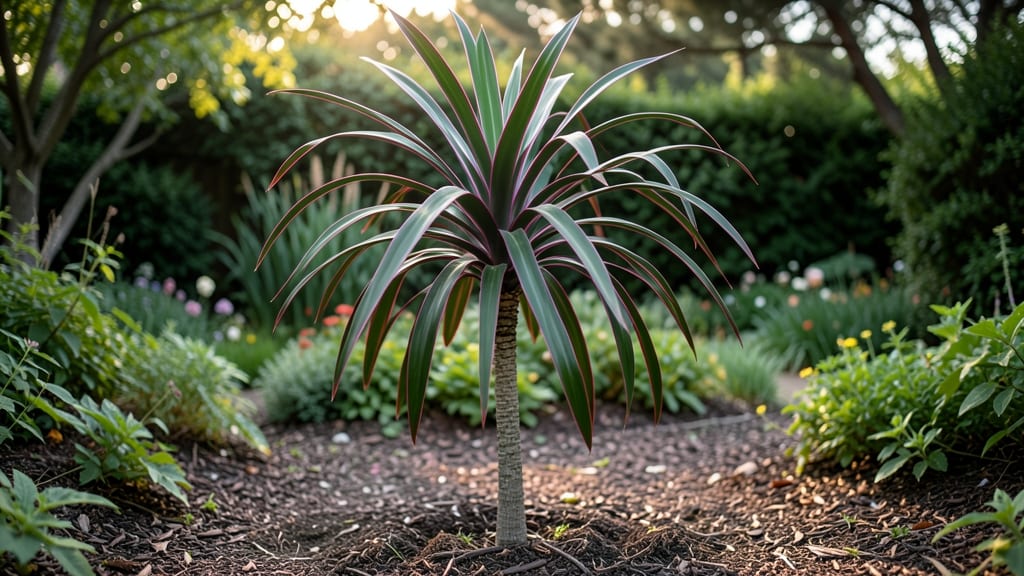
Growing St. George leaf plant (Tradescantia sillamontana) means year-round greenery that thrives where others fail. 🌿 This cold-hardy beauty handles shade, indoor dryness, and even light frosts—perfect for gardeners who want low-maintenance, striking foliage that keeps growing through every season.
The secret lies in its adaptability: it loves bright, indirect light but won’t burn in partial shade, and its soil just needs to drain well. Water when the top inch feels dry, and you’ll see those vibrant purple-tinged leaves stay lush all year.
Unlike fussy houseplants, this one forgives neglect and rewards patience with steady, bushy growth.
By summer’s end, you’ll have a thriving plant that spreads effortlessly—whether trailing from a hanging basket or spilling over a windowsill. The best part? It’s nearly pest-proof and rarely needs pruning. Even in winter, it keeps its color and shape, making it the ultimate carefree perennial.
Works equally well in containers, garden beds, or as a ground cover in shady spots. Once established, it’s impossible to kill—even if you forget to water it occasionally. Here’s how to get started with foolproof results.
📚 In This Guide
- What you need
- Instructions
- Tips and common mistakes
- Wrapping up and next steps
What you need
- ● St. George leaf plant (Dryopteris aemula) – 1 to 3 mature plants or spores (available at nurseries or online plant shops).
- ● Well-draining potting mix – 5-10 gallons, depending on container size (or garden soil amended with compost for in-ground planting).
- ● Garden trowel or small shovel – For transplanting or dividing.
- ○ Gloves – Optional but recommended for handling soil and plants.
- ● Watering can or hose with a gentle spray nozzle – For consistent moisture without disturbing roots.
- ○ Mulch (optional but helpful) – 2-3 inches of shredded bark or wood chips to retain moisture and suppress weeds.
- ● Slow-release fertilizer – A balanced 10-10-10 or organic option for nutrient boosts.
- ● Plant markers – To label your St. George leaf plants if growing multiple varieties.
- ● Spray bottle – For misting spores if propagating from scratch.
- ● Pruners – For trimming dead fronds in late winter.
Step-by-step guide to planting and caring for St george leaf plant
Here's how to establish this stunning, cold-hardy perennial for vibrant foliage that thrives year after year.
🌱 Step 1: Choose the Perfect Planting Location
The St George Leaf Plant thrives in partial shade, making it ideal for woodland gardens or under trees. Look for a spot that gets 3-6 hours of morning sun but afternoon shade—too much direct sun scorches its delicate leaves. I always test the area first by observing how sunlight moves through the space over a full day.
This plant tolerates a wide range of soil types but performs best in well-draining, slightly acidic soil with a pH between 5.0 and 6.5. If your soil is heavy clay, amend it with 2-3 inches of compost mixed into the top 12 inches. The roots appreciate loose, airy soil that won't waterlog during winter.
🪴 Step 2: Plant at the Right Time and Depth
Spring is the best time to plant, after the last frost when soil temperatures reach 55°F or warmer. Dig a hole twice as wide as the root ball but only as deep as the container's root level. Pressing the plant too deep suffocates the roots and causes rot. I like to loosen the sides of the root ball with my fingers before placing it in the hole.
Backfill with native soil mixed with compost, then water deeply to settle everything. The top of the root ball should sit 1 inch below soil level—this prevents stem rot during heavy rains. Mulch with 2-3 inches of organic mulch (like shredded bark) to protect roots in winter and conserve moisture.
☀️ Step 3: Water Consistently During Establishment
Keep the soil evenly moist but not soggy for the first 6-8 weeks after planting. Water deeply 2-3 times per week until new growth appears, then taper to 1 inch of water weekly. The St George Leaf Plant has shallow roots, so I water slowly at the base to avoid wetting the leaves—this prevents fungal diseases.
You'll know you're watering correctly when the top 2 inches of soil feel slightly damp but not wet. Overwatering is the biggest mistake here—yellowing leaves signal too much moisture. Once established, this plant is remarkably drought-tolerant, but young plants need consistent care.
✂️ Step 4: Prune for Shape and Health
Prune in early spring before new growth begins to shape the plant and remove any dead or damaged foliage. I cut back leggy stems by one-third to encourage bushier growth. Always use clean, sharp pruners to make clean cuts just above a leaf node—this prevents tearing and promotes faster healing.
Remove any flower stalks as they appear, since this plant puts all its energy into foliage. The more you prune throughout the growing season, the fuller and more vibrant the plant becomes. Just don't cut back after mid-summer—new growth won't harden off before winter.
🌿 Step 5: Protect Through Winter
This cold-hardy perennial handles down to -20°F, but young plants need extra protection their first winter. Apply a 4-inch layer of mulch around the base in late fall, then top with evergreen boughs or a frost blanket if temperatures dip below 10°F for extended periods.
In early spring, remove the winter protection as soon as new growth appears. The St George Leaf Plant is one of the first perennials to emerge, often breaking dormancy when soil temperatures reach 40°F. Watch for the first flush of fresh green leaves—this is your signal to start regular watering again.
Tips & tricks for perfect St george leaf plant care
Between us, establishing this cold-hardy beauty can feel intimidating—but these tricks will help you nurture a thriving plant that outshines all others.
Lighting Secret: The 3-6 hours of morning sun is non-negotiable, but here's what nobody tells you—test your spot for at least a full week before planting. Morning sun patterns change dramatically between spring and summer, and that afternoon shade becomes crucial once temperatures rise above 75°F. I always mark potential planting spots with stakes to track sunlight movement.
Soil Prep Game-Changer: For that slightly acidic soil (pH 5.0-6.5), I recommend mixing in a handful of sulfur granules when amending heavy clay—it's a slow-release acidifier that keeps the pH perfect for years. The 2-3 inches of compost in the top 12 inches creates the ideal loose, airy environment those shallow roots crave, but don't skip the sulfur if your soil tests neutral or alkaline.
Watering Wisdom: Those first 6-8 weeks are critical, but here's my pro move: use a moisture meter instead of guessing. The top 2 inches should read "damp" (not wet) between waterings. I've seen many gardeners overwater because they're afraid of underwatering—this plant's shallow roots actually prefer consistent moisture, but they'll yellow dramatically if waterlogged. A drip irrigation system set to 2-3 times weekly solves this perfectly.
Winter Protection Hack: The 4-inch mulch layer is essential, but I take it a step further by adding a layer of bubble wrap around the base before the mulch. It's invisible once covered and creates an extra insulating barrier against those sub-10°F nights. Just remember to remove it in early spring when new growth appears—those first tender shoots can't handle trapped heat.
Pro Tips for St George Leaf Plant
- Between us, establishing this cold-hardy beauty can feel intimidating—but these tricks will help you nurture a thriving plant that outshines all others.
- Lighting Secret: The 3-6 hours of morning sun is non-negotiable, but here's what nobody tells you—test your spot for at least a full week before planting.
- Soil Prep Game-Changer: For that slightly acidic soil (pH 5.0-6.5), I recommend mixing in a handful of sulfur granules when amending heavy clay—it's a slow-release acidifier that keeps the pH perfect for years.
Frequently asked questions
Got questions about the St George leaf plant? You’re not alone!
Here are answers to the most common queries—from care tips to troubleshooting—to help you grow this cold-hardy beauty with confidence.
What’s the best time to plant St George leaf (Plectranthus coleoides) in my climate?
The ideal time to plant is early spring or early fall when soil temperatures are mild (50–70°F). Avoid extreme heat or frost—this tender perennial thrives in USDA Zones 9–11 but can be grown as an annual in cooler zones. For colder climates, start seeds indoors 6–8 weeks before the last frost or grow it in containers for winter protection.
How often should I water St George leaf, and does it need special care in winter?
Water moderately—keep soil consistently moist but not soggy (about 1 inch per week). In summer, increase frequency during droughts. In winter, reduce watering significantly; let the soil dry slightly between waterings. If grown in pots, move them to a sheltered spot or indoors near a bright window to prevent root rot.
Can St George leaf survive frost, or do I need to protect it?
While it’s not frost-tolerant, young plants can handle light freezes (down to 28°F) if hardened off gradually. For prolonged cold (<25°F), cover with frost cloth or bring potted plants indoors. Mulch the base with straw or leaves for extra insulation. If leaves brown, they’ll regrow once temperatures warm up!
What are some common pests or diseases, and how do I treat them?
Watch for aphids, spider mites, or whiteflies—spray with neem oil or insecticidal soap if detected. Fungal issues like powdery mildew may appear in humid conditions; improve airflow and avoid overhead watering. Yellowing leaves could signal overwatering or nutrient deficiency—check soil drainage and fertilize lightly with a balanced 10-10-10 mix in spring.
Can I propagate St George leaf from cuttings, and how?
Take 4–6 inch stem cuttings in spring or summer, strip the lower leaves, and dip in rooting hormone. Plant in moist potting mix and cover with a plastic bag to retain humidity. Keep in bright, indirect light until roots form (4–6 weeks). Transplant once established—this is the easiest way to expand your plants!
Pro Tip: St George leaf’s silvery foliage makes it a stunning container plant! Mix with trailing plants like sweet potato vine or dusty miller for a low-maintenance, drought-tolerant combo.
Wrapping up and next steps
The St. George leaf plant is a cold-hardy, low-maintenance superstar for any garden—whether you crave year-round greenery, drought resistance, or pollinator-friendly blooms. 🌿 With its adaptability and striking foliage, it’s the perfect addition for beginners and seasoned gardeners alike.
Ready to give it a try? Start by choosing the right spot (sunny or partially shaded) and gathering your supplies—then watch your garden thrive with minimal effort! 🌱 Jump to our step-by-step guide to begin your planting journey today.