
Landscaping
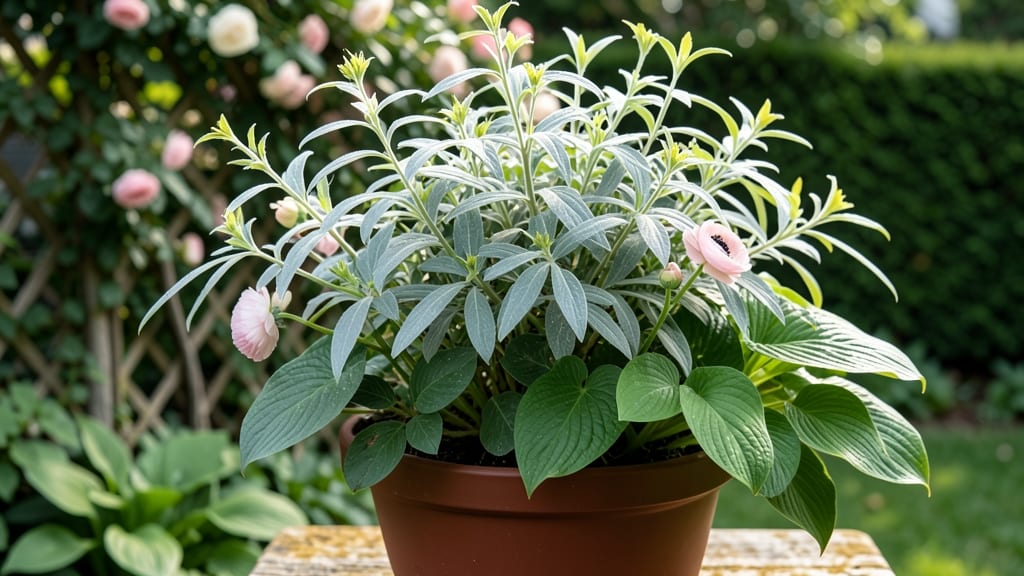
Layering a leafy floral design with flowers creates gardens that feel alive year-round. 🌿 The secret lies in balancing textures—velvety hostas with spiky ornamental grasses, deep green ferns with delicate roses—and letting foliage take center stage while flowers add bursts of color.
Start with a moisture-loving corner for hostas and astilbes, then add sun-loving lavender nearby. The contrast between broad leaves and airy blooms makes every season look intentional. I’ve seen this combo transform dull borders into lush, textured tapestries that draw the eye.
You’ll end up with a garden that feels rich and layered, not just pretty. The foliage provides structure, while flowers add seasonal interest—think creamy dahlias against burgundy smoke bush in summer, or evergreen heuchera peeking through snow.
Works for containers, borders, or focal points—just play with heights and colors. Here’s how to make it work in your space!
📚 In This Guide
- What you need
- Instructions
- Tips and common mistakes
- Wrapping up and next steps
What you need
- ● Leafy foliage: 3–5 types (e.g., Hosta, Heuchera, Ferns, Caladiums, or Sweet potato vine) – Aim for 10–15 plants total, varying in height (tall, medium, low).
- ● Floral accents: 2–3 types of textured blooms (e.g., Hydrangeas, Rudbeckia, Black-eyed Susans, or Dahlias) – 5–8 plants for balanced pops of color.
- ● Structural plants: 1–2 arching or upright varieties (e.g., Grasses, Ornamental Bamboo, or Boxwood) – 2–4 plants for depth.
- ● Mulch: 2–3 bags of organic mulch (e.g., shredded bark or pine straw) to retain moisture and suppress weeds.
- ● Garden soil: 1–2 cubic yards of high-quality topsoil or compost blend for nutrient-rich planting.
- ● Hand trowel (for precision planting).
- ● Garden gloves (to protect your hands from thorns or rough foliage).
- ● Pruners/shears (for trimming and shaping).
- ● Wheelbarrow (to haul soil and plants efficiently).
- ● Measuring tape (to plan spacing—aim for 12–18 inches between plants).
- ● Watering can or hose with nozzle (for gentle hydration).
- ● Slow-release fertilizer (to boost growth in the first few months).
- ● Garden stakes or rings (for support if using tall or top-heavy plants).
- ● Edging tools (to define borders neatly).
- ● Decorative stones or pebbles (for a polished, finished look).
- ● Seasonal color: Add annuals (e.g., Impatiens or Pansies) for year-round vibrancy.
How to create a leafy floral design with strategic layers
This approach transforms ordinary foliage into a dramatic garden feature—think bold texture, depth, and year-round interest.
🌿 Step 1: Select Foliage for Structural Contrast
Choose plants that vary in height, texture, and leaf shape to create visual drama. I pair heuchera with its deep burgundy leaves (6-12 inches tall) with hostas (12-24 inches) and sweet woodruff (3-6 inches) for a cascading effect. The key is contrast—mix broad leaves like caladiums with fine textures like Japanese painted fern. Arrange them in odd-numbered groupings (3, 5, or 7 plants) to avoid stiffness.
Dig holes twice as wide as each root ball but only as deep as the plant’s container. This prevents burying stems too deeply, which causes rot. Water each hole before planting to settle the soil and remove air pockets. I like to add a handful of compost to the bottom of each hole for extra nutrients.
☀️ Step 2: Layer by Height and Light Needs
Place tallest plants at the back or center of your design, with medium-height foliage surrounding them and low growers spilling over edges. For example, a 6-foot hydrangea anchors the back, while 18-inch hostas create a mid-layer, and 6-inch sweet woodruff softens the front. Group plants with similar light requirements together—shade lovers like ferns and astilbes go in one section, while sun seekers like heuchera and sedum get another.
Step back frequently to check your composition. If a plant feels lost, add a 3-inch tall ajuga or creeping thyme to fill gaps. The goal is to create a natural-looking drift, not a rigid grid. Mulch with 2-3 inches of shredded bark to suppress weeds and retain moisture—this is especially critical in the first 6-8 weeks while roots establish.
💧 Step 3: Water and Maintain Moisture Gradients
Water deeply once a week (or daily in 90°F+ heat) until the top 6 inches of soil feel damp—not soggy. I use a soaker hose to deliver water slowly at the base, avoiding wetting leaves, which promotes fungal diseases. Leafy designs thrive on consistent moisture, but avoid waterlogging. If your soil drains poorly, amend with 10% perlite before planting.
After the first month, reduce watering to every 10-14 days, checking soil moisture with your finger. Yellowing leaves usually mean overwatering, while crispy edges signal underwatering. Fertilize lightly with a balanced 10-10-10 formula in spring and again in midsummer to encourage lush growth without excessive leaf production.
✂️ Step 4: Prune for Shape and Seasonal Renewal
Cut back overgrown stems in early spring by one-third to encourage bushier growth. For example, if a hosta has leggy stalks, trim them back to 4 inches above the ground. Deadhead spent blooms (like on astilbe) to redirect energy into foliage. I also remove any yellow or damaged leaves immediately—they’re entry points for pests and diseases.
In late fall, cut back tender perennials like caladiums to 2 inches above soil level and mulch heavily. Hardy plants like heuchera and hostas can stay up for winter interest, but I clean them up in early March before new growth appears. This prevents crown rot and keeps the design tidy.
Tips & tricks for perfect leafy floral designs
Here's the secret to turning your garden into a lush masterpiece—these are the details that elevate good foliage into show-stopping drama.
Plant Selection Strategy: When choosing your plants in Step 1, focus on the three-dimensional contrast—not just height but also leaf texture and color saturation. Pair a heuchera with its velvety burgundy foliage against a Japanese painted fern's delicate lace-like fronds to create visual tension. I always include at least one plant with variegated leaves (like a hosta with golden edges) to add unexpected pops of color that draw the eye. The goal is to create a composition where no two plants look alike in form or hue.
Mulching Mastery: The 2-3 inches of shredded bark mulch mentioned in Step 2 isn't just for weed suppression—it's a critical moisture regulator and temperature stabilizer. Apply it after watering so it settles properly around the base of plants. For extra protection in hot climates, I add a thick layer of straw mulch on top of the bark to reduce evaporation and keep roots cool during those 90°F+ heat waves. This double-layer system maintains consistent soil moisture while preventing the dreaded "crispy edge" syndrome.
Watering Wisdom: The deep watering once a week guideline in Step 3 is perfect, but here's the pro move: water in the early morning between 6-9 AM to minimize evaporation and fungal risks. I use a rain gauge to track exactly 1 inch of water per week—this ensures your plants get the consistent moisture they crave without drowning. For containers, I add a watering spike to keep soil evenly damp without over-saturating. The key is to water until you see moisture emerge from the drainage holes—this confirms proper hydration down to the roots.
Pruning Precision: When you're trimming back those overgrown stems in Step 4, use sharp, clean shears and make cuts at a 45-degree angle just above a leaf node. This encourages new growth while preventing water from pooling on the cut surface. For hostas, I always leave the 4-inch stump as instructed, but I also remove any dead or diseased leaves immediately—these are silent invitations to pests. In late fall, I mark all tender perennials with colorful plant ties before cutting back to 2 inches so I remember where they are when spring arrives.
Pro Tips for Leafy Floral Design
- Here's the secret to turning your garden into a lush masterpiece—these are the details that elevate good foliage into show-stopping drama.
- Plant Selection Strategy: When choosing your plants in Step 1, focus on the three-dimensional contrast—not just height but also leaf texture and color saturation.
- Mulching Mastery: The 2-3 inches of shredded bark mulch mentioned in Step 2 isn't just for weed suppression—it's a critical moisture regulator and temperature stabilizer.
Frequently asked questions
Got questions about bringing leafy floral design to life? You’re not alone! Here are some of the most common queries—and their easy answers—to help you craft a lush, drama-filled garden with confidence.
What’s the best way to layer foliage for a full, textured look?
Start with tall, structural plants (like ornamental grasses or boxwood) as your base. Add mid-height foliage (hostas, ferns, or hydrangeas) for depth, then top with delicate blooms or airy fillers (e.g., astilbes or lamb’s ear). Pro tip: Vary leaf shapes—spiky, rounded, and feathery—for visual interest!
When is the ideal time to plant for a leafy floral design?
For perennial plants, spring (after the last frost) or early fall (6 weeks before frost) works best. Annuals can go in once soil warms (usually May). Troubleshooting: If planting in summer, water deeply daily for the first 2 weeks to prevent shock.
Are there budget-friendly alternatives to expensive foliage plants?
Swap pricier options for cost-effective picks like heuchera (for color), sedum (drought-tolerant), or liriope (grassy texture). Local nurseries often sell bare-root plants at lower prices—just give them time to establish!
How do I keep pests away from my leafy floral design?
Prevent issues with healthy soil (compost + mulch) and regular checks for aphids or spider mites. Neem oil or insecticidal soap sprays work gently. Quick fix: Introduce beneficial insects like ladybugs—they’re nature’s pest control!
Can I mix leafy florals with succulents or drought-tolerant plants?
Yes! Pair moisture-loving foliage (like caladiums) with drought-resistant plants (e.g., lavender or yucca) in contrasting zones. Use mulch to retain moisture where needed and add gravel for drainage in drier areas. Balance is key!
Wrapping up and next steps
Leafy floral design isn’t just about beauty—it’s about transforming your garden into a layered masterpiece that thrives with texture, movement, and year-round interest. Whether you’re a seasoned gardener or just starting, these techniques empower you to create drama with plants, colors, and heights that feel effortlessly polished. 🌿✨
Ready to dive in? Start small—pick one corner of your garden or a container, gather your materials, and let your creativity bloom! Experiment with combinations, trust your instincts, and don’t forget to enjoy the process. Your future garden oasis awaits!