
Leaf Blower
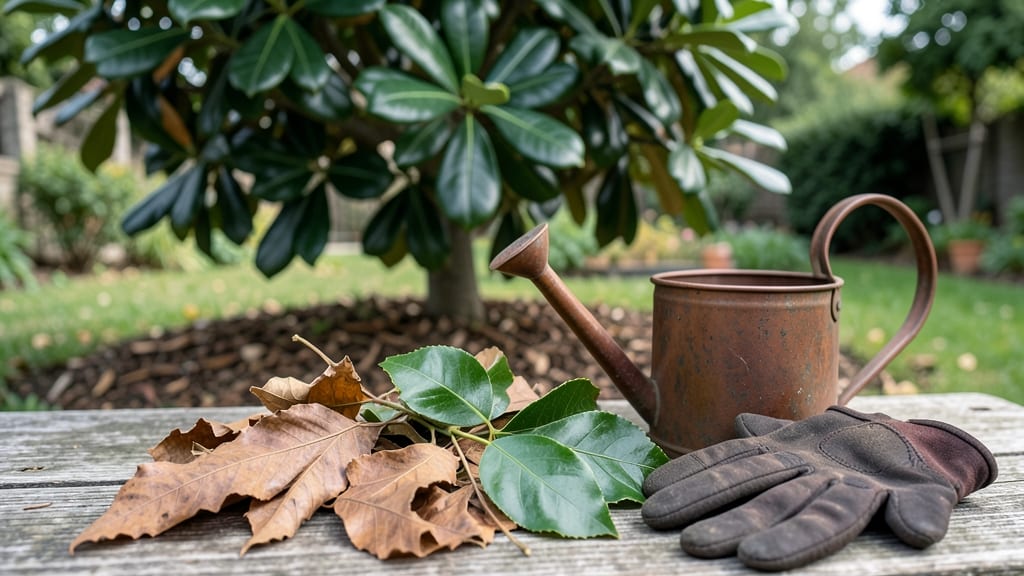
Bay leaf tree leaves turning brown? That crispy look isn’t a death sentence—it’s often a cry for moisture. 🌿 I’ve nursed back more than a few struggling bay trees using this simple humidity trick that works even when roots are already stressed.
The key isn’t just watering deeper; it’s creating the right environment so leaves can recover without wilting further.
Most brown leaves happen from either underwatering or overwatering, but humidity trays solve both problems. Place your pot on a shallow tray filled with pebbles and water—just enough so the bottom of the pot sits above the waterline.
This keeps roots stable while the tray adds 60-70% humidity around the plant, mimicking its Mediterranean native conditions. Check soil moisture weekly by sticking your finger 1-2 inches deep; it should feel damp but not soggy.
Within 3-5 days, you’ll see new green growth at the tips of branches as the leaves rehydrate. The brown edges will gradually fade, and your tree will start producing fresh, fragrant leaves again.
This method works even for severely stressed plants, though severely root-bound trees may need repotting with fresh soil to fully recover.
For prevention, group bay trees together—they thrive in clusters—and mist leaves lightly every few days during dry spells. If leaves stay brown despite humidity trays, check for pests like spider mites or scale insects, which can stress the plant further.
When in doubt, a soil test for nutrient deficiencies (especially nitrogen) can pinpoint if the problem is deeper than just moisture.
Root Causes Of Browning Leaves
Understanding why your bay leaf tree’s leaves are turning brown starts with identifying the underlying stressors. These issues often stem from environmental mismanagement, pest activity, or physiological disorders.
Below are the most common culprits—each with a clear explanation of how they trigger browning and what they reveal about your plant’s health.
Bay leaf trees (Laurus nobilis) are drought-tolerant Mediterranean natives, meaning they hate soggy roots.
When soil stays waterlogged, roots suffocate from a lack of oxygen, leading to: - Root rot (a fungal infection that blocks nutrient uptake). - Leaf scorch (browning edges or yellowing between veins) as the plant struggles to transport water. - Wilting despite wet soil (a classic sign of root stress).
Why it happens:
- Compacted or clay-heavy soil traps excess moisture.
- Overzealous watering (especially in pots without drainage holes).
- Cold, damp conditions (like winter in humid climates) slow evaporation, keeping roots wet longer.
Actionable clue: Check the soil—if it smells sour or feels mushy 1–2 inches down, you’re overwatering. Brown leaves paired with mushy stems or dropping leaves confirm the issue.
Ironically, browning can also signal thirst. Bay leaf trees thrive in moderate humidity (40–60%), and dry air + insufficient water cause:
- Edge browning (crispy, papery leaf margins) from dehydration.
- Leaf drop as the plant conserves moisture.
- Stunted growth if roots can’t access water efficiently.
Why it happens:
- Low indoor humidity (common in homes with HVAC or heaters).
- Infrequent watering (waiting until soil is bone-dry).
- Small pots (soil dries out faster, especially in sunny windows).
Actionable clue: Press your finger into the soil—if the top 2–3 inches are dry, it’s time to water. Brown leaves that feel dry and brittle (not mushy) point to underwatering.
Pests and pathogens steal nutrients and disrupt leaf function, leading to browning.
Common offenders include: - Spider mites (tiny yellow/red pests that suck sap, causing stippled browning). - Scale insects (hard, shell-like bugs that excrete honeydew, inviting sooty mold). - Fungal leaf spot (dark brown spots with yellow halos from overwatering or poor airflow).
Why it happens:
- Weakened plants (stressed by drought or overwatering) attract pests.
- Poor airflow (crowded pots or lack of pruning) traps moisture, promoting fungi.
- Outdoor exposure (windborne spores or insects can hitchhike on leaves).
Actionable clue: Inspect leaves for:
- Webbing (spider mites).
- Sticky residue (scale or aphids).
- Dark spots with fringes (fungal infection).
Bay leaf trees are sensitive to sudden changes in their environment.
Common triggers include: - Cold drafts (e.g., near AC vents or drafty windows) cause chilling injury, leading to brown patches or curled leaves. - Direct sunlight (especially after being in shade) burns leaves, creating bleached or crispy brown areas. - Fertilizer burn (too much salt or nitrogen) disrupts root function, causing yellowing followed by browning.
Why it happens:
- Temperature swings (e.g., moving a potted tree from indoors to a freezing patio).
- Improper lighting (variegated bay leaf trees need bright, indirect light; direct sun scalds them).
- Over-fertilizing (excess salts in soil block water uptake).
Actionable clue: Check for:
- Brown patches on one side of the leaf (sunburn).
- Leaf drop near drafty areas (cold stress).
- White crust on soil (fertilizer buildup).
While bay leaf trees are low-maintenance, chronic deficiencies in key nutrients cause browning:
- Iron deficiency → Interveinal chlorosis (yellowing between veins) that progresses to brown.
- Magnesium deficiency → Brown patches on older leaves (magnesium is mobile in the plant).
- Potassium deficiency → Weak stems and brown leaf edges (potassium regulates water balance).
Why it happens:
- Alkaline soil (pH >7) locks out iron and magnesium.
- Poor-quality soil lacking organic matter.
- Overwatering leaches nutrients faster.
Actionable clue: Test soil pH (ideal: 6.0–7.0). Brown leaves with yellowing between veins often signal iron deficiency, while brown leaf tips may indicate potassium issues.
Quick Fixes for Reviving Browned Leaves
If your bay leaf tree’s leaves are turning brown, don’t panic—most issues have simple, effective solutions. Below, we’ve mapped common causes to actionable fixes, along with prevention tips to keep your tree lush and healthy. Let’s get those leaves perking up again!
Signs: Yellowing leaves, brown edges, soggy soil, or roots smelling foul. How to Fix It: 🔥 Stop Watering Immediately – Let the top 1–2 inches of soil dry out before watering again. Bay leaf trees (like Laurus nobilis) prefer slightly dry conditions. 🍳 Check the Drainage – If your pot lacks drainage holes, transfer the tree to a new container with holes or add a layer of gravel at the bottom. 👨🍳 Repot if Needed – If roots are rotting, trim away mushy sections with sterilized scissors and repot in fresh, well-draining soil (a mix of potting soil and perlite works well). ⏰ Monitor Soil Moisture – Stick your finger 1 inch into the soil; if it’s damp, wait another day before watering.
Prevention Tip: 💡 Always use pots with drainage holes and avoid watering on a strict schedule—check moisture levels instead.
Signs: Crispy, dry brown edges or leaves curling upward. How to Fix It: 🔥 Water Deeply but Infrequently – Soak the soil until water drains from the bottom, then wait until the top layer feels dry. 🍳 Mist the Leaves – Use a spray bottle to mimic humidity, especially in dry or hot conditions. Aim for morning misting to avoid fungal issues. 👨🍳 Move to Partial Shade – If leaves are scorched, relocate the tree to a spot with dappled sunlight (morning sun is ideal). ⏰ Use a Humidity Tray – Place the pot on a tray filled with pebbles and water (ensure the pot isn’t sitting in water). This creates a microclimate of moisture around the roots.
Prevention Tip: 🌡️ In summer, mulch the soil with organic matter (like bark chips) to retain moisture and protect roots from heat.
Signs: Brown spots with yellow halos, black mold, or tiny insects (like spider mites or scale). How to Fix It: 🔥 Prune Affected Leaves – Snip off brown or spotted leaves with clean shears and dispose of them in the trash (not compost). 🍳 Treat with Neem Oil – Mix 1 tsp neem oil with 1 quart of water and spray the leaves (including undersides) every 7–10 days. This fights pests and fungi naturally. 👨🍳 Adjust Watering Habits – Fungal issues thrive in wet leaves, so water at the base (not overhead) and avoid soggy soil. ⏰ Inspect Regularly – Check leaves weekly for pests. Wipe them down with a damp cloth if dusty, as debris attracts pests.
Prevention Tip: ✨ Space plants apart for airflow and avoid overcrowding, which traps moisture and encourages fungal growth.
Signs: Uniform browning, leaf drop, or stunted growth. How to Fix It: 🔥 Adjust Light Levels – Bay leaf trees thrive in bright, indirect light. If leaves are browning, move it closer to a window (but avoid direct midday sun). 🍳 Protect from Drafts – Keep the tree away from AC vents, heaters, or cold drafts (like near sliding glass doors). 👨🍳 Fertilize Lightly – Use a balanced, water-soluble fertilizer (like 10-10-10) diluted to half-strength every 4–6 weeks in spring and summer. Over-fertilizing burns roots! ⏰ Rotate the Pot – Turn the pot a quarter-turn weekly to ensure even light exposure.
Prevention Tip: 🎯 If growing outdoors in colder climates, bring potted bay leaf trees indoors before temperatures drop below 40°F (4°C).
Once your bay leaf tree recovers, maintain its health with these habits:
- Prune regularly to encourage bushier growth and improve airflow.
- Repot every 2–3 years to refresh the soil and prevent root-bound stress.
- Monitor for pests year-round, especially in dry conditions.
With the right care, your bay leaf tree will bounce back—and those fragrant leaves will be ready for cooking in no time! 🍃
Frequently asked questions
Why do bay leaf tree leaves turn brown in winter?
Winter browning often stems from low humidity and cold drafts. Indoor heating dries the air, while drafts from windows or AC vents cause stress. Group plants together, use a humidity tray, and move pots away from cold spots. Avoid fertilizing in winter—roots need rest, not extra salts.
Can I save my bay leaf tree if half the leaves are brown?
Yes! Prune the brown leaves immediately to redirect energy to healthy growth. Focus on fixing watering habits (check soil moisture weekly) and improving airflow. If roots are healthy, new leaves should emerge within 4-6 weeks. Severe cases may need repotting with fresh, well-draining soil.
How often should I water a bay leaf tree with brown leaves?
Water only when the top 2-3 inches of soil are dry—about once every 7-10 days in summer, less in winter. Overwatering is worse than underwatering! Test by sticking your finger in: if damp, wait. Brown edges from thirst? Water deeply until it drains, then let excess run out.
Will brown leaves grow back green?
Only if the leaf is still attached and the underlying tissue is healthy. Brown edges can recover if you fix moisture levels, but fully brown leaves won’t revert. Prune them off to encourage new growth. Focus on preventing further stress—bay trees are resilient and will produce fresh, fragrant leaves once conditions improve.
Can I use coffee grounds to fix brown leaves?
Coffee grounds can help lower soil pH (ideal: 6.0-7.0), which may address nutrient deficiencies causing browning. But use sparingly—too much can compact soil or attract pests. Mix 1 tablespoon into the top inch of soil monthly, and pair with proper watering to avoid over-saturation.