
Trees
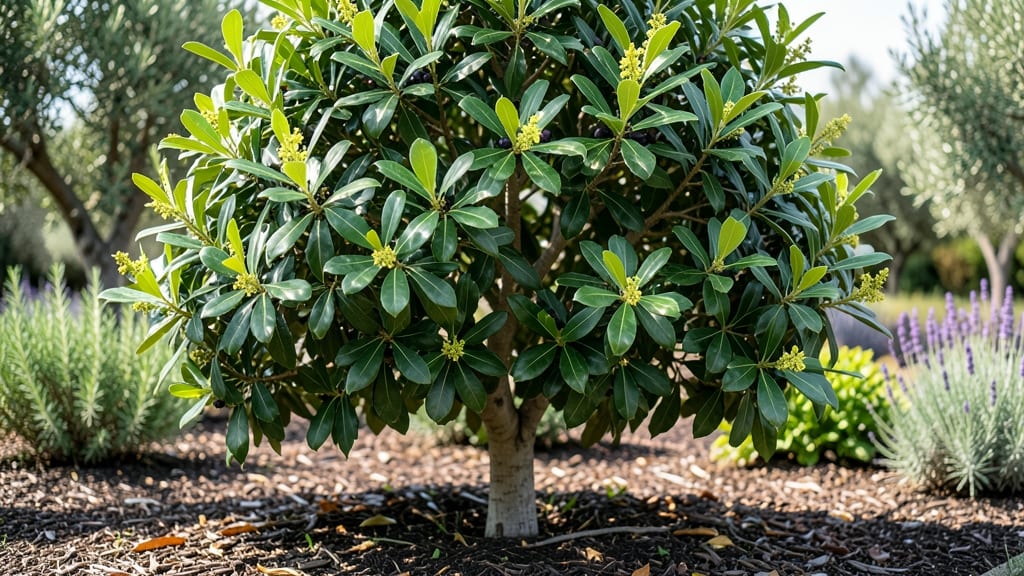
Bay leaf trees grow anywhere from 10 feet to over 40 feet tall at maturity, depending on whether you're growing them indoors or outdoors 🌿 — but the real secret to controlling their size lies in how you care for them.
Imagine this: You plant a bay leaf tree in your backyard, expecting a manageable shrub, only to find it towering over your garage in a few years. Or, you nurture one in a pot, thinking it’ll stay small, but it still outgrows your kitchen.
The truth? These trees are adaptable, and with the right approach, you can keep them compact or let them reach their full majestic height.
Whether you’re after fresh leaves for your favorite recipes or a fragrant ornamental tree, understanding how tall bay leaf trees grow helps you plan your garden or indoor space. Below, I’ll break down the factors that influence their height, from pruning techniques to the best varieties for small spaces.
You’ll also discover whether these trees are right for containers, how long they take to reach maturity, and the simplest ways to keep them at your desired size — no guesswork involved.


Bay leaf tree height by growing conditions: indoor vs outdoor growth limits
If you’re wondering how tall do bay leaf trees grow, the answer depends entirely on where you plant them. A bay leaf tree (Laurus nobilis) can become a towering outdoor specimen or stay compact as an indoor potted plant.
The difference in mature height comes down to space, sunlight, and pruning habits. Let’s break down the dramatic contrast between indoor and outdoor growth limits.
Outdoor bay leaf trees thrive when planted directly in the ground, where they can spread their roots freely and reach their full genetic potential. In ideal conditions, these trees can grow 20 to 40 feet tall—taller than most two-story houses!
Their broad, glossy leaves and sturdy trunks make them a stunning addition to Mediterranean-style gardens or as a privacy screen.
Indoor bay leaf trees, however, face significant growth restrictions due to container size and limited space. Even with the best care, potted bay trees rarely exceed 6 to 10 feet tall.
This makes them perfect for kitchens or sunrooms where you want fresh leaves for cooking but don’t have yard space. The trade-off? You’ll need regular pruning to keep them manageable and healthy.
🌿 Why the difference? Outdoor trees have unlimited root space, full sun exposure, and natural rainfall. Indoor trees struggle with root-bound conditions, weaker light, and inconsistent watering. Without intervention, an indoor bay tree could grow leggy and sparse, while an outdoor tree becomes a lush, leafy giant.
📏 Here’s the key comparison: A bay leaf tree grown outdoors in the ground can reach 40 feet tall in 10–15 years, while the same tree in a 15-gallon pot indoors will max out around 6 feet—even with aggressive pruning. The choice between these extremes comes down to your space, climate, and how much maintenance you’re willing to put in.
If you’re growing a bay leaf tree outdoors, you’ll likely end up with a large, woody specimen that requires little maintenance beyond occasional pruning. These trees are perfect for Mediterranean climates where they can bask in 6+ hours of sunlight daily.
In colder zones (USDA 7–10), they may need winter protection but still grow tall with proper care.
For indoor growers, the pot size is everything. A bay leaf tree in a 5-gallon pot will stay under 3 feet tall, while a 20-gallon pot allows it to reach 6–8 feet.
The trade-off? Larger pots mean heavier trees—position them near walls or sturdy surfaces to avoid tipping. Rotate the pot every few months to ensure even growth and prevent lopsided shapes.
Pruning plays a huge role in controlling height, whether indoors or out. Regular tip pruning encourages bushier growth and prevents leggy stems. For outdoor trees, prune in late winter to shape the tree and remove dead wood.
Indoor trees benefit from monthly trimming to maintain compact size and promote dense foliage.
One common mistake is assuming all bay leaf trees grow the same height. Dwarf varieties like 'Angustifolia' or 'Compacta' stay under 8 feet tall, making them ideal for small gardens or large containers. These varieties are bred to stay small but still produce flavorful leaves. If you’re
5 Factors that determine how tall your bay leaf tree will grow
Your bay leaf tree’s height isn’t just luck—it’s a mix of science and care. Whether you’re growing a compact kitchen herb or a towering landscape specimen, understanding these 5 key factors will help you predict and control its growth.
From the sunlight it basks in to the pruning you avoid, each choice shapes your tree’s future stature.
Bay leaf trees (Laurus nobilis) are famously adaptable, but their mature size can vary wildly—from 3-foot dwarf varieties to 40-foot giants in ideal conditions. The difference? These five environmental and care variables.
Master them, and you’ll grow the perfect-sized bay tree for your space, whether that’s a sunny windowsill or a shady backyard corner.
- 🌞 Sunlight Exposure: Full sun (6+ hours) = 20–40 ft tall; partial shade = 10–20 ft. Indoor trees near windows (4–6 hours) stay under 8 ft without pruning.
- 🌍 Soil Type: Well-draining, sandy-loam soil with pH 6.0–7.5 fuels faster growth. Clay soil or poor drainage stunts height by 30–50% due to root stress.
- ✂️ Pruning Frequency: No pruning = natural 20–40 ft height. Annual pruning (spring) keeps trees at 6–12 ft. Heavy pruning (twice/year) = 3–8 ft dwarf forms.
- 💧 Watering Habits: Deep, infrequent watering (1–2x/week) encourages taller growth. Overwatering = leggy, weak stems (10–15 ft max). Drought stress slows growth to 8–12 ft.
- 🌡️ Climate Zone: USDA Zones 7–10 = full 20–40 ft potential. Zones 5–6 (cooler) limit height to 10–15 ft unless winter-protected. Container-grown trees in cold zones stay under 6 ft.
Let’s start with the most impactful factor: sunlight exposure. Bay leaf trees are sun-worshippers, but they’re also flexible. In full sun (6+ hours daily), your tree will reach its maximum height potential—think 20–40 feet for outdoor specimens.
However, if you’re growing yours indoors near a south- or west-facing window, expect a more manageable 6–12 feet without pruning.
Next, consider soil type. Bay trees thrive in well-draining, slightly acidic soil (pH 6.0–7.5). If your soil is clay-heavy or compacted, roots struggle to expand, which directly limits your tree’s height.
Amend the soil with compost or perlite to improve drainage and encourage stronger, taller growth. Container gardening? Use a fast-draining potting mix to keep roots healthy and height in check.
Pruning might seem counterintuitive if you want a tall tree, but it’s actually the best way to control height. If you skip pruning, your bay leaf tree will grow to its natural 20–40 feet.
But with regular pruning (once or twice a year), you can shape it into a compact 3–8 foot shrub. The key is timing: prune in late winter or early spring before new growth begins. Use clean, sharp shears to avoid damaging the tree.
Watering habits play a sneaky role in height too. Bay trees prefer deep watering—meaning you should soak the soil until it’s 6–8 inches deep—but avoid keeping it soggy. Overwatering leads to weak, leggy growth, capping your tree’s height at 10–15 feet.
On the flip side, underwatering stresses the tree, slowing its growth to a stunted 8–12 feet. Aim for 1–2 times per week in warm weather, adjusting for your climate.
Finally, your climate zone sets the stage for how tall your bay leaf tree can grow. In warmer zones (7–10), these trees thrive and can reach their full 20–40 foot height.
But in cooler zones (5–6), frost and shorter growing seasons limit them to 10–15 feet unless you provide winter protection. If you’re growing yours in a container and move it indoors during winter, expect a 6-foot max—perfect for small spaces!