
Pruning
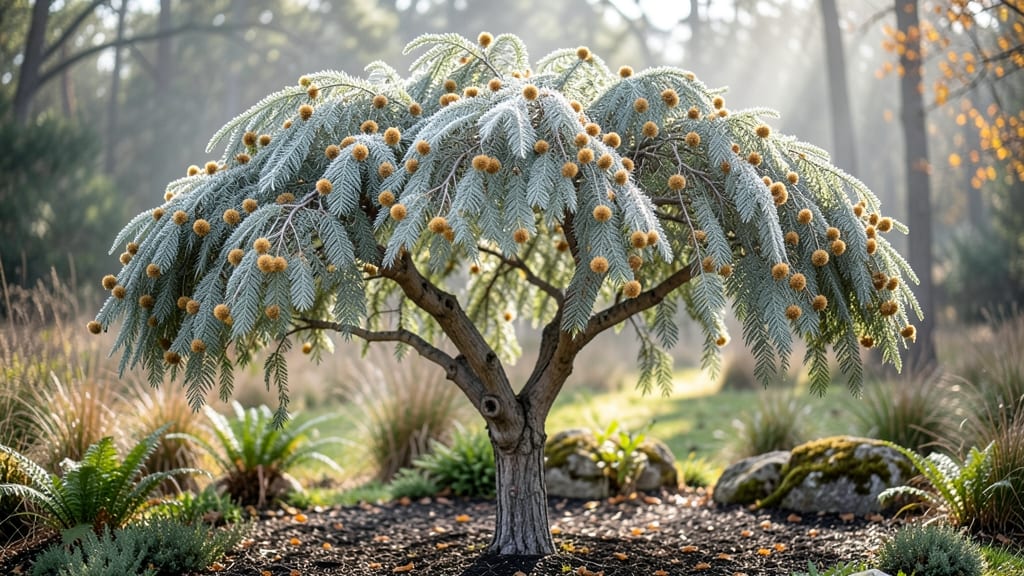
Pruning pointed leaf trees transforms them from wild tangles into showstopping focal points—and the secret is timing. 🌲 I’ve pruned everything from weeping firs to ginkgos, and the difference between a healthy, sculpted tree and a leggy mess comes down to understanding when and how to cut.
Evergreens like pines and firs need gentle shaping in late winter, while deciduous trees like ginkgo respond best to summer pruning after new growth appears.
The tools you’ll need are simpler than you’d think: sharp bypass pruners, loppers for thicker branches, and a sturdy ladder if your tree is taller than 8 feet. Safety first—always wear gloves and eye protection, especially with resinous trees like pines.
Most pruning can be done in 30 minutes per tree, and the results last for years if you follow the right techniques. The key is removing no more than 25% of the foliage in one session to avoid stressing the tree.
What you’ll end up with is a tree that looks intentionally designed—not hacked. Needle-bearing trees stay fuller, deciduous varieties develop better branch structure, and you’ll notice fewer broken limbs after storms.
The best part? Pruned trees recover faster from pests and diseases because they’re not overburdened with dead or crossing branches. Even a beginner can master this with the right approach.
This works for any pointed leaf tree—whether it’s a towering fir in your yard, a ginkgo in your front walkway, or a small pine in a container. The principles scale from patio-sized trees to backyard giants. Let’s get into the step-by-step so your tree stays healthy and stunning all year.
📚 In This Guide
- What you need
- Instructions
- Tips and common mistakes
- Wrapping up and next steps
What you need
- ● Pruning shears: Bypass pruners (for clean cuts on small branches, ¼"–¾" diameter). Recommended: Felco F-2 or Corona Tools.
- ● Loppers: For medium branches (¾"–2" diameter). Look for ratcheting models for extra leverage.
- ● Pruning saw: Curved-tooth saw for thick branches (2"+). Pro tip: 💡 Oil the blade to prevent rust and reduce friction.
- ● Extension pole: 6–10 ft telescopic pole with pruners/loppers attached (for high branches).
- ● Gloves: Heavy-duty, cut-resistant gloves (e.g., Mechanix Wear or Dr. McGill’s).
- ● Safety glasses: ANSI-rated for debris protection.
- ● Disinfectant: 70% isopropyl alcohol or bleach solution (1 part bleach : 9 parts water) to sterilize tools between cuts.
- ● Tarp or drop cloth: Medium-sized (10'x12') to collect debris.
- ○ Pruning sealant: Optional but helpful for large cuts (>½") to prevent disease. Use a latex-based product like Tanglefoot Tree Wound Pruning Seal.
- ● Step stool or ladder: Sturdy, non-slip ladder (e.g., Werner or Little Giant) for hard-to-reach branches. ⚠️ Safety first! Always have a spotter.
- ● Marking spray: Fluorescent paint to tag branches for removal (great for large trees).
- ● Tree bag: Mesh bag to collect pruned branches for composting.
- ● First-aid kit: Bandages, antiseptic wipes, and tweezers for minor cuts.
- ● Notebook & pen: To jot down pruning notes or sketch your tree’s structure.
- ● Weather check: Prune on a dry, cloudy day (avoid wind or rain).
- ● Tree knowledge: Research your specific pointed leaf tree (e.g., Ginkgo, Podocarpus, or Araucaria) to identify dead/diseased branches.
- ● Cleanup supplies: Trash bags, rake, or wheelbarrow for debris removal.
- ● Water: A hose or bucket to rinse tools post-pruning.
Step-by-Step guide to pruning pointed leaf trees for year-round health
Here's how I keep these elegant trees thriving—with clean cuts that encourage strong growth.
✂️ Step 1: Identify the Right Time for Each Season's Pruning
Pointed leaf trees like Norway maples or ginkgos respond best to seasonal pruning. In late winter to early spring (before buds swell), remove dead, crossing, or weak branches first—this is your structural cleanup. I always start with 20-30% of the canopy to avoid shocking the tree.
Summer pruning comes next, but only for light shaping (never more than 10% of the canopy). Wait until after flowering if your tree blooms, as summer cuts can remove next year's flowers. Fall is for minimal cleanup—just remove any diseased or storm-damaged branches before winter sets in.
✂️ Step 2: Gather Tools and Prepare for Clean Cuts
You'll need sharp pruning shears for small branches (up to ½ inch thick) and a pruning saw for anything larger. I sterilize my tools with rubbing alcohol between cuts to prevent spreading disease. Wearing gloves protects you from sap and thorns—pointed leaf trees like ginkgos have sharp edges.
Mark your cuts with a white chalk pen to visualize the shape before making any incisions. This helps avoid over-pruning and keeps cuts proportional. Never remove more than ¼ of the tree's total canopy in one session—this stresses the tree and invites pests.
☀️ Step 3: Remove Dead, Diseased, or Damaged Branches First
Start at the ground level and work upward. Look for branches with brown, brittle wood, mushroom growth, or peeling bark—these are your top priorities. Cut just outside the branch collar (the swollen area where the branch meets the trunk) at a 45-degree angle to allow water to run off.
If a branch is too large to cut cleanly, make three cuts: first undercut the branch from below, then top-cut from above, and finally remove the stub. This prevents tearing. I always step back after each cut to check the tree's balance—uneven pruning throws off the natural shape.
✂️ Step 4: Thin the Canopy for Airflow and Light Penetration
Select branches to remove based on their position and function. Aim to keep the outer third of the tree's branches—this creates an open, airy structure. Remove branches that cross or rub others, as these create wounds and weak points.
For pointed leaf trees, I focus on vertical growth—these trees naturally grow upward, so thinning the center prevents a "bottlebrush" shape. Cut back to a bud or lateral branch that faces outward. You'll see new growth emerging within 4-6 weeks—this confirms you've encouraged healthy development.
🌿 Step 5: Shape the Tree for Balance and Aesthetics
Step back and assess the tree's silhouette. Pointed leaf trees benefit from natural, rounded shapes—avoid geometric cuts that look unnatural. Use your chalk marks as a guide to refine the outline. For tall trees, I prune the top third slightly more to maintain a tapered look.
Never remove more than one-third of a branch's length in a single cut—this stresses the tree. If you're unsure, wait a year and reassess. Over-pruning pointed leaf trees can lead to weak wood and pest susceptibility, so patience pays off. After shaping, clean up any fallen debris to keep the base healthy.
Tips & tricks for perfect pointed leaf tree pruning
Real talk: Pruning these trees wrong can turn your elegant landscape feature into a weak, disease-prone eyesore. Here's what nobody tells you about keeping them thriving.
Seasonal Timing is Everything: The late winter to early spring cleanup (Step 1) is your golden window—this is when trees are dormant but about to burst with new growth. I've seen people prune in summer and end up with no next year's flowers if they cut too aggressively. For summer shaping (Step 4), wait until after flowering to avoid accidentally removing next year's blooms. The 20-30% canopy rule in spring is non-negotiable—this prevents stress that invites pests.
Tool Prep Prevents Problems: That rubbing alcohol sterilization between cuts (Step 2) isn't just for show—it's how I've avoided fungal infections spreading through my trees. I also keep a small spray bottle of diluted bleach (1 part bleach to 9 parts water) for quick tool disinfection when I'm out in the yard. And here's the thing: if your pruning shears have dull blades, you're actually crushing wood fibers instead of making clean cuts. Sharpen them before you start—it makes all the difference in wound healing.
Visualize Before You Cut: Those chalk marks you're supposed to make (Step 2) aren't just decoration—they're your pruning blueprint. I've ruined more tree shapes than I'll admit by not planning ahead. Step back and look at the tree from all angles before making any cuts. Pointed leaf trees like ginkgos have such distinctive shapes that you can actually see when you've gone too far. For large branches (Step 3), that three-cut method isn't just theory—it's how you prevent those ugly tears that take forever to heal.
Growth Patterns Matter More Than You Think: When thinning the canopy (Step 4), focus on removing branches that grow inward—these are the ones that create that "bottlebrush" look we all want to avoid. The 4-6 week new growth window is your confirmation that you've encouraged healthy development. I've learned the hard way that cutting back to outward-facing buds gives you the best results—it's how you maintain that natural, elegant shape these trees are known for. And that one-third branch length rule in Step 5? It's not arbitrary—it's how you prevent creating weak attachment points that snap in storms.
Pro Tips for Pointed Leaf Tree
- Real talk: Pruning these trees wrong can turn your elegant landscape feature into a weak, disease-prone eyesore.
- Seasonal Timing is Everything: The late winter to early spring cleanup (Step 1) is your golden window—this is when trees are dormant but about to burst with new growth.
- Tool Prep Prevents Problems: That rubbing alcohol sterilization between cuts (Step 2) isn't just for show—it's how I've avoided fungal infections spreading through my trees.
Frequently asked questions
Got questions about keeping your pointed leaf tree sharp, healthy, and stunning year-round? You’re in the right place! Here are answers to the most common queries—from timing tricks to troubleshooting mistakes.
When is the best time to prune a pointed leaf tree?
The ideal window is late winter or early spring (just before new growth sprouts). For light shaping, summer pruning works too—but avoid heavy cuts then, as it stresses the tree. Never prune in fall (unless removing dead branches), as it opens wounds before winter healing. Pro tip: Use a sharp bypass pruner to make clean cuts and reduce disease risk!
How much can I trim without harming the tree?
Stick to the “rule of thirds”: Never remove more than one-third of the tree’s foliage in a single session. For pointed leaf varieties (like Ginkgo biloba or Liquidambar), focus on selective pruning—target overcrowded branches or those rubbing together. Thin out interior branches first to improve airflow and sunlight penetration.
What if my tree’s leaves turn brown or yellow after pruning?
Brown/yellow leaves post-pruning usually mean over-trimming or stress. If only a few leaves yellow, it’s likely natural shedding. For widespread discoloration:
- Check for pests (like spider mites) or disease (fungal spots).
- Ensure you’re not pruning too close to the trunk (leave a small collar of bark).
- Water deeply and avoid fertilizing until new growth appears.
If the issue persists, test your soil’s pH—pointed leaf trees often thrive in slightly acidic conditions (pH 6.0–7.0).
Can I shape a pointed leaf tree into a topiary or hedge?
Trees like Ginkgo or Liquidambar respond well to formal shaping, but patience is key. Start with light pruning to establish structure, then gradually refine over 2–3 years. Use hand pruners for detail work and hedge shears for broader cuts. For topiaries, train young trees with stakes and twine to guide growth early on.
Should I prune during rain or wait for dry weather?
Always prune on a dry, overcast day—never after rain. Wet tools spread disease, and damp branches are harder to handle. If you must prune after rain, sterilize tools with rubbing alcohol and avoid cutting for at least 24 hours post-rain. Early morning pruning minimizes stress, as temperatures are cooler and sap flow is lower.
What’s the difference between pruning for health vs. aesthetics?
| Health-Focused Pruning | Aesthetic Pruning |
|---|---|
| Removes dead, diseased, or crossing branches. | Shapes the tree for visual appeal (e.g., rounded canopies). |
| Thins out interior branches to improve airflow. | Trims for uniformity (e.g., topiaries, hedges). |
| Prioritizes safety (e.g., removing weak limbs). | Enhances landscape design (e.g., layered foliage). |
For pointed leaf trees, combine both: Start with health cuts, then refine the shape. Always step back to check balance!
Wrapping up and next steps
Mastering the art of pointed leaf tree pruning is your secret weapon for a thriving, picturesque landscape! Whether you’re trimming for health, aesthetics, or safety, the key lies in timing, technique, and consistency.
Now that you’re armed with the right tools, knowledge, and seasonal strategies, it’s time to roll up your sleeves and give your trees the care they deserve.
🌿 Next steps:
- Start small—pick one tree and practice your cuts with confidence!
- Keep a pruning journal to track growth and adjustments over time.
- Join local gardening groups for hands-on tips and inspiration.