
Pests and Diseases
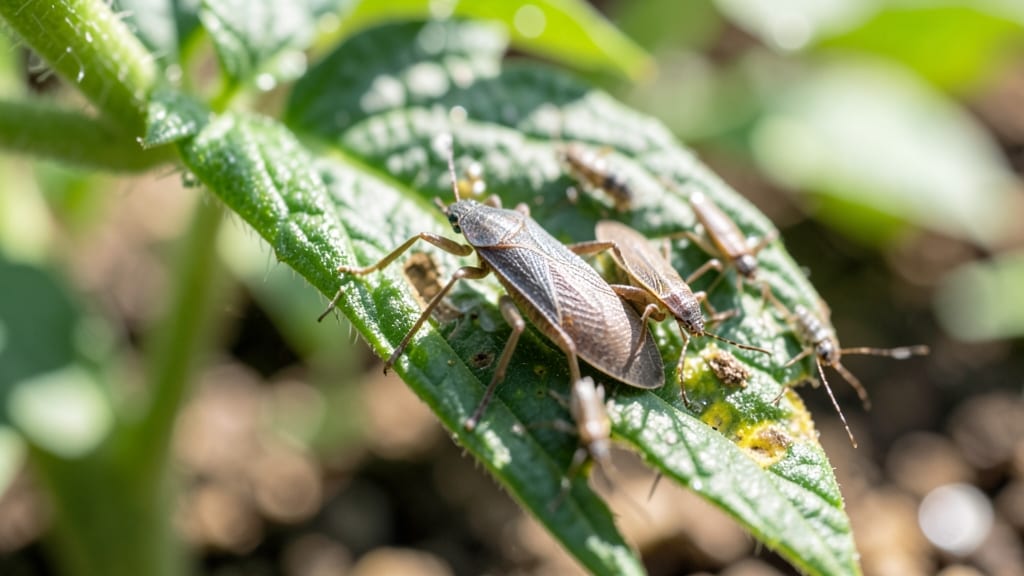
Are leaf bugs harmful? They might look harmless, but they can turn your thriving plants into a sad, skeleton-like mess. 🌿 These tiny invaders suck sap from leaves, causing yellowing, curling, and stunted growth—especially on your prized roses, fruit trees, and ornamental shrubs.
The good news? You can spot them early and stop their damage before it spirals out of control.
They thrive in warm weather and often hide on the undersides of leaves, making them easy to miss until the damage appears. Common signs include sticky residue (from their sap), distorted leaves, and weakened stems.
My neighbor’s hydrangeas nearly died last summer until she caught the infestation early—now she checks the undersides of leaves every week.
Natural predators like ladybugs and lacewings can help, but for a quick fix, spray plants with soapy water or neem oil. Prune heavily infested leaves and drop them in a sealed bag to prevent spreading. With these steps, you’ll protect your garden without harsh chemicals.
Prevention is key: keep your garden healthy with balanced watering and regular pruning. Vulnerable plants like azaleas, viburnums, and boxwoods need extra attention. A little vigilance now means lush, bug-free plants all season long.
Why Leaf Bugs Invade Gardens
Leaf bugs—like aphids, lacewings, or leaf-footed plant bugs—don’t just appear out of nowhere. Their presence is usually a response to specific conditions in your garden or landscape. Understanding these triggers can help you prevent infestations before they become a problem.
Below, we break down the key reasons these pests show up and how they exploit your plants.
Leaf bugs are opportunistic feeders, meaning they target plants that are already struggling. When plants are stressed, their natural defenses—like tougher leaves, bitter sap, or chemical repellents—weaken, making them an easy meal.
How it happens:
- Nutrient deficiencies (e.g., lack of nitrogen, potassium, or magnesium) make leaves softer and more palatable.
- Overwatering or drought disrupts plant health, reducing their ability to produce protective compounds.
- Diseases or prior pest damage (like spider mites or fungal infections) create entry points for leaf bugs.
Actionable fix: 💡 Boost plant resilience by:
- Using a balanced fertilizer (like 10-10-10) to support overall health.
- Ensuring proper drainage to prevent root rot.
- Pruning damaged leaves to remove attractants.
Leaf bugs thrive in environments where plants are competing for resources. Overcrowding forces plants to grow weakly, releasing volatile organic compounds (VOCs) that signal distress—a dinner bell for pests.
How it happens:
- Too many plants in one area (e.g., dense shrubs, overplanted vegetable gardens) create microclimates that retain moisture and warmth—ideal for bugs.
- Poor air circulation traps humidity, encouraging fungal growth and attracting sap-sucking pests.
- Young or newly transplanted plants lack the strength to fend off attackers.
Actionable fix: 🌡️ Improve spacing and airflow by:
- Thinning out overgrown plants to reduce competition.
- Avoiding mulch piles that trap moisture near stems.
- Choosing pest-resistant varieties (e.g., basil over mint for aphids).
Leaf bugs are cold-blooded, meaning they’re highly sensitive to temperature and humidity. When conditions align perfectly, populations explode.
How it happens:
- Warm temperatures (60–85°F) speed up their reproduction cycle (some species lay eggs weekly!).
- High humidity (60%+) keeps their eggs from drying out and provides cover.
- Sudden weather shifts (e.g., spring rains followed by heat waves) create boom-and-bust cycles.
Actionable fix: ✨ Disrupt their comfort zone with:
- Reflective mulch (like aluminum foil) to deter sun-loving bugs.
- Row covers in early spring to block migrating adults.
- Drought-tolerant plants (e.g., lavender, rosemary) that bugs avoid.
Leaf bugs are part of a larger food web. When their natural predators (like ladybugs, parasitic wasps, or birds) are missing, their numbers surge unchecked.
How it happens:
- Pesticide overuse kills beneficial insects faster than pests, creating a vacuum.
- Monoculture gardening (planting only one type of plant) removes biodiversity, starving predators.
- Urbanization reduces habitats for birds and lizards, which eat adult bugs.
Actionable fix: 🎯 Encourage natural predators by:
- Planting pollinator-friendly flowers (e.g., marigolds, dill) to attract ladybugs.
- Installing birdhouses or bat boxes near gardens.
- Using neem oil or insecticidal soap (targeted sprays) instead of broad-spectrum chemicals.
Sometimes, well-meaning gardening practices accidentally invite leaf bugs. For example:
- Compost piles near plants can harbor eggs or larvae.
- Bringing in infested plants (even from nurseries) introduces bugs directly.
- Over-fertilizing with nitrogen makes leaves juicier, attracting sap-suckers.
Actionable fix: 🔥 Break the cycle by:
- Quarantining new plants for 2 weeks before adding them to your garden.
- Avoiding compost tea if it’s made from unknown sources (can contain pest eggs).
- Inspecting tools and containers before moving them between plant beds.
Key Takeaway: Leaf bugs don’t choose gardens randomly—they’re drawn by weakness, opportunity, and ideal conditions. By addressing these root causes, you can make your plants less appealing and create a garden that’s naturally resilient. 🚀
Quick Fixes for Leaf Bug Problems
Leaf bugs—whether they’re sap-sucking aphids, leaf-footed plant bugs, or other varieties—can stress your plants if left unchecked. The good news? Most infestations are manageable with the right approach. Below, we’ve mapped out practical solutions based on the root cause of your problem, from immediate fixes to long-term prevention.
No fancy tools or chemicals required—just smart, actionable steps!
If your plants are already showing signs of distress (yellowing leaves, stunted growth, or visible bugs), act fast with these first-response tactics:
🔥 Blast Them Away (Physical Removal)
For small infestations, manual removal is the simplest and safest method: - 👨🍳 Spray with Soapy Water: Mix 1 tablespoon of mild dish soap (like Dawn) with 1 quart of water in a spray bottle.
Target the undersides of leaves (where bugs love to hide) and stems. The soap disrupts their protective wax layer, suffocating them. Reapply every 2–3 days until they’re gone. - 🧽 Knock ‘Em Off: Hold a strong stream of water from your hose over the plant.
The force will dislodge many bugs without harming the plant. Do this in the early morning or evening to avoid shocking the foliage. - 🕵️♂️ Handpick Heavy Hitters: If you spot large bugs (like leaf-footed plant bugs), crush them between your fingers or drop them into soapy water.
Check flower buds and new growth—these are prime hiding spots.
> 💡 Pro Tip: Work during cool, cloudy days to reduce stress on your plants. Avoid spraying in direct sunlight, which can burn leaves.
A healthy plant is less appealing to pests. Strengthen your greenery with these low-effort boosts:
🥗 Feed the Right Way
- 💪 Balanced Fertilizer: Use a slow-release, organic fertilizer (like compost or worm castings) to provide steady nutrients. Avoid over-fertilizing with nitrogen—this attracts soft-bodied bugs like aphids.
- 🌿 Companion Planting: Interplant with bug-repelling herbs and flowers, such as:
- Basil, mint, or lavender (mask plant scents that attract bugs).
- Marigolds or nasturtiums (trap pests away from your main plants).
- Garlic or chives (release sulfur compounds that deter bugs).
🌡️ Adjust Watering Habits
- 💧 Water at the Base: Wet leaves create a bug buffet (aphids and fungus gnats love damp foliage).
Water early in the day so leaves dry quickly. - 🚰 Reduce Overhead Watering: If your plants need frequent watering, use drip irrigation or soaker hoses to keep soil moist without soggy leaves.
Once you’ve kicked the bugs out, keep them from returning with these passive defenses:
🧹 Garden Hygiene
- 🗑️ Clean Up Debris: Remove fallen leaves, dead plants, and weeds—these harbor eggs and adult bugs over winter.
- 🪴 Prune Regularly: Trim damaged or crowded branches to improve airflow and make it harder for bugs to hide.
🐞 Encourage Beneficial Predators Nature’s pest control is free and effective!
Attract these bug-eating allies: - 🐞 Ladybugs & Lacewings: Release or plant flowers like dill and yarrow to lure them in. - 🐝 Parasitic Wasps: These tiny warriors lay eggs inside leaf bug eggs, killing them naturally.
Plant alyssum or fennel to attract them. - 🐸 Frogs & Birds: A small pond or bird feeder can turn your garden into a bug-free zone.
🛡️ Barrier Methods
- 🪲 Row Covers: Use fine mesh netting over young plants or seedlings to block bugs before they land.
- 🌿 Neem Oil Spray (Preventative): Mix 1 tsp neem oil + 1 tsp mild soap + 1 quart water.
Spray weekly as a deterrent (not a cure). Test on a small leaf first—some plants are sensitive!
If your plants are severely damaged or bugs keep coming back despite your efforts, it’s time for heavier artillery: - 🧴 Horticultural Oil: Apply in early spring or late fall to smother overwintering eggs.
Follow label instructions carefully. - 💊 Insecticidal Soap (Stronger Formula): Use a garden-specific soap (like Safer® Brand) for stubborn infestations. Reapply every 5–7 days. - 🚨 Professional Help: For orchards, large gardens, or rare plant species, consult a local extension office or pest control expert.
They can recommend targeted, eco-friendly sprays.
> ✨ Final Tip: Monitor weekly! Check new growth and leaf undersides regularly. Early detection = easier fixes.
By combining immediate action with preventative care, you’ll keep your plants thriving—and your garden bug-free! 🌿💚
Frequently asked questions
What are the most common types of leaf bugs in gardens?
Leaf bugs include aphids (tiny green/black clusters), leafhoppers (small, wedge-shaped with long hind legs), and leaf-footed plant bugs (larger with distinctive leaf-like hind feet). These pests thrive on roses, fruit trees, and ornamental shrubs, often hiding on leaf undersides or flower buds.
Can leaf bugs harm my houseplants too?
Yes! Common houseplant pests like spider mites (technically arachnids, not bugs) and mealybugs (white, cottony clusters) behave similarly to leaf bugs. They suck sap, causing yellowing leaves and sticky residue. Isolate infested plants and wipe leaves with neem oil or soapy water to treat them.
How do I tell if sticky residue on my plants is from leaf bugs?
The sticky residue (called "honeydew") is a dead giveaway! Look for tiny bugs clustered on leaves or stems, especially on the undersides. If you see ants crawling on your plants (they farm honeydew), leaf bugs are almost certainly the culprits.
Are leaf bugs dangerous to humans or pets?
No, they don't bite humans or pets. However, some leaf bugs can transmit plant diseases (like aster yellows) if they feed on infected plants. The real danger is to your garden—these pests weaken plants, making them vulnerable to more serious issues.
What's the fastest way to get rid of a severe leaf bug infestation?
For stubborn cases, combine physical removal (hose-off method) with a stronger insecticidal soap (like Safer® Brand) applied every 5-7 days. Add yellow sticky traps to catch flying adults. For ornamentals, horticultural oil in early spring smothers overwintering eggs.