
Pests and Diseases
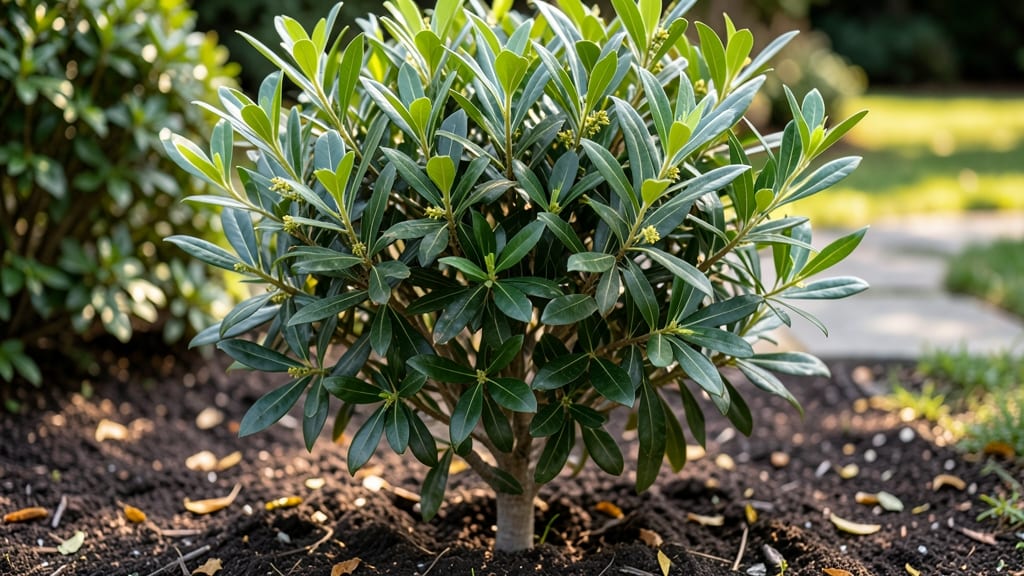
Laurel bay leaf is toxic to humans and pets when ingested in large quantities, causing nausea, vomiting, or neurological symptoms. The plant’s leaves contain toxic compounds like saponins and essential oils, but topical contact rarely causes harm unless broken skin is involved.
This evergreen shrub, often mistaken for culinary bay leaves, contains dangerous compounds that can cause serious health issues if consumed. 🌿 While its glossy leaves may look harmless, the plant’s toxicity stems from its high concentration of saponins—natural chemicals that create soapy lather when mixed with water—and essential oils that irritate internal systems.
Even small amounts can trigger digestive distress, while larger ingestions may lead to more severe reactions like dizziness or seizures.
If you suspect accidental ingestion, contact a poison control center immediately. The good news? Laurel bay leaf poses minimal risk when handled properly—just avoid crushing leaves or touching broken skin during removal.
For gardeners, consider replacing it with safer alternatives like boxwood or holly, which offer similar ornamental appeal without the health hazards.
💡 In This Article
- Toxic Components in Laurel Bay Leaf
- Safe Laurel Bay Leaf Removal and Garden Alternatives
Toxic components in laurel bay leaf
The real danger of laurel bay leaf lies in its chemical cocktail of saponins and essential oils. Saponins are naturally occurring glycosides that create a soapy foam when mixed with water—this is why some plants use them as a defense mechanism against herbivores.
In laurel bay leaf, these compounds exist in concentrations of 2-5% of the leaf's dry weight, which is enough to cause gastrointestinal irritation when ingested. The saponins disrupt cell membranes in the digestive tract, leading to inflammation and the characteristic nausea and vomiting symptoms.
Even more potent are the essential oils found in the leaves, particularly eugenol and methyl eugenol, which can act as neurotoxins at high doses. These oils are volatile and concentrated in the leaf's glands, meaning crushing or chewing releases them directly into the mouth and throat.
Studies show that just 0.5 grams of crushed leaf (about 1 teaspoon) can trigger mild symptoms in adults, while children or pets may react to even smaller amounts due to their lower body weight.
The oils don't just affect digestion—they can cross the blood-brain barrier, potentially causing dizziness or seizures in severe cases.
What makes laurel bay leaf particularly insidious is how its toxicity mimics that of culinary bay leaves (from the Laurus nobilis species), which are safe when used in cooking.
The confusion stems from their similar appearance—both have glossy, dark green leaves—but the toxic compounds in laurel bay leaf are completely absent in its edible cousin. This is why many poisoning cases occur after someone mistakenly uses laurel bay leaves in recipes, thinking they're the safe kitchen staple.
The aroma can also be deceptive, as both plants share a slightly spicy, herbal scent.
Topical exposure is far less risky because the skin's protective barrier prevents most saponins and essential oils from entering the bloodstream. However, broken skin or prolonged contact (like handling large quantities without gloves) can allow these compounds to cause mild skin irritation or allergic reactions in sensitive individuals.
The key difference between ingestion and skin contact is absorption rate—digestive enzymes and stomach acid accelerate the toxic effects when leaves are swallowed, while the skin's natural defenses slow absorption dramatically.
For those who work with plants professionally, understanding these chemical pathways is crucial. Horticulturists handling laurel bay leaf must wear nitrile gloves and avoid crushing leaves, as the released oils can also irritate respiratory systems if inhaled.
The plant's toxicity isn't just about ingestion—it's about how these compounds interact with biological systems at a molecular level, turning what looks like an innocent shrub into a potential health hazard.
If you're dealing with laurel bay leaf in your garden, remember that even dead leaves can pose risks. The saponins remain active in dried or decomposed plant matter, so proper disposal (sealed in a trash bag) is essential.
The plant's hardiness means it can regrow from small fragments, so complete removal requires persistence—and always wear protective gear during the process.