
Pests and Diseases
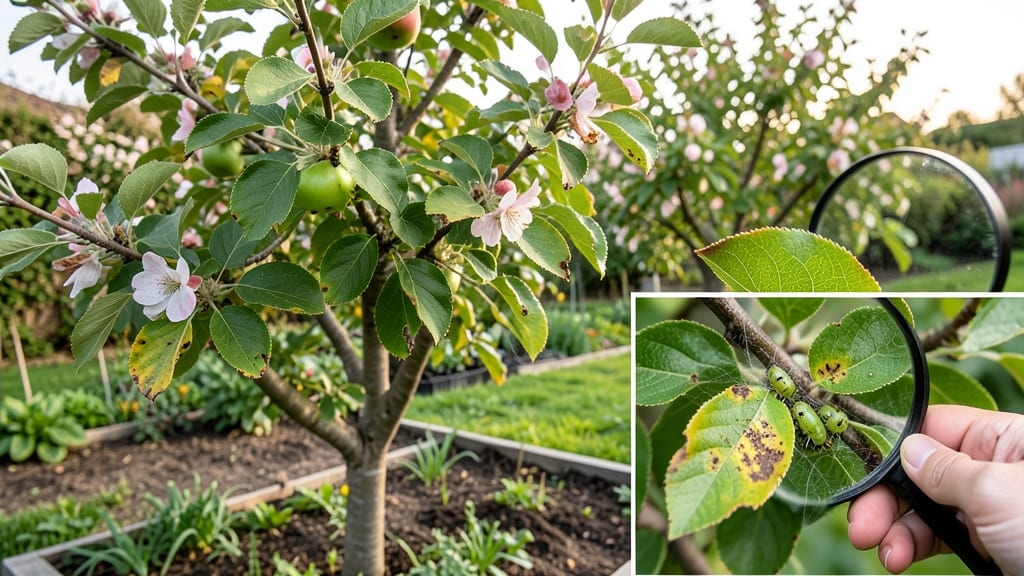
Apple leaf pests turn your tree into a buffet before you even notice. 🍏 The first signs—tiny holes, curled edges, or sticky residue—mean your tree is under attack, and ignoring them now means smaller fruit (or none at all) next season.
I’ve spent years battling aphids, mites, and codling moths, and I’ll show you how to spot them early and stop them organically before they ruin your harvest.
Most damage starts small: aphids cluster on new growth, mites create fine webbing, and codling moths chew through leaves before they even reach the fruit. The key is checking leaves weekly during spring and summer—especially the undersides where pests hide.
Once you know what to look for, you can act fast with simple sprays, barriers, or even beneficial insects that do the work for you.
With the right approach, you’ll protect your tree without harsh chemicals. I’ve used neem oil, insecticidal soap, and even a DIY garlic spray that actually works—no fancy equipment needed. The payoff? Healthier leaves, bigger apples, and a tree that keeps producing year after year without constant battles.
This works for backyard orchards, container-grown trees, or even a single apple tree in your yard. The methods scale easily, and once you’ve mastered early detection, you’ll catch pests before they become a full-blown problem. Let’s get your tree back to thriving.
Root Causes Of Leaf Damage
Apple trees are resilient, but their leaves become prime targets for pests due to a mix of ecological factors, tree health, and environmental conditions. Understanding these causes is the first step to preventing infestations before they spiral out of control.
Below, we break down the key reasons why apple leaf pests thrive—and how they exploit your orchard’s vulnerabilities.
Apple trees rely on a strong immune system to fend off pests, but when their defenses are compromised, insects and mites move in like unwelcome guests at a buffet. Here’s why trees become susceptible:
- Nutrient Deficiencies: A lack of essential nutrients—especially nitrogen, potassium, or iron—weakens leaf cell walls, making them easier for pests like aphids or spider mites to penetrate. Think of it like a human with a vitamin deficiency: the body can’t fight off infections as effectively.
- Water Stress: Overwatering or drought can both stress trees. Too much moisture creates a damp environment that attracts fungal pests (like woolly aphids), while drought weakens leaves, making them more attractive to sap-sucking insects.
- Physical Damage: Hail, strong winds, or even improper pruning can create entry points for pests. Damaged leaves are easier for mites and caterpillars to colonize and lay eggs.
Actionable Fix: Conduct a soil test to check nutrient levels and adjust fertilization accordingly. Mulch around the base of the tree to retain moisture without oversaturating the roots.
Pests thrive in chaos—just like weeds in a garden. When apple trees are planted too closely together or grow in poor conditions, the entire orchard becomes a breeding ground for infestations. Here’s why:
- Poor Air Circulation: Dense foliage traps humidity, creating the perfect microclimate for pests like apple maggots or scale insects. Stagnant air also slows down the tree’s ability to recover from minor damage.
- Debris Buildup: Fallen leaves, fruit mummies, or old mulch provide hiding spots for overwintering pests (e.g., codling moth eggs) and harbor fungal spores that attract secondary pests.
- Monoculture Planting: Orchards planted with only apple trees (no companion plants) lack natural predators like ladybugs or parasitic wasps, giving pests free rein.
Actionable Fix: Prune trees to improve airflow, and remove fallen debris promptly. Interplant with pest-repelling herbs (like mint or thyme) or flowers (like alyssum) to attract beneficial insects.
Pests don’t just appear out of nowhere—they’re opportunists waiting for the right weather to strike. Apple leaf pests are particularly drawn to specific environmental triggers:
- Warm Springs: Mild winters and early springs fool pests into emerging earlier than usual. For example, apple leafcurling midges (which lay eggs in spring) may hatch weeks ahead of schedule, giving them a head start on damaging new leaves.
- High Humidity: Fungal pests like apple scab spores thrive in damp conditions, while mites and aphids multiply rapidly when leaves stay wet for prolonged periods.
- Dry, Hot Summers: Heat stress weakens trees, making them more vulnerable to attacks from pests like the Lygus bug, which feeds on developing fruit and leaves.
Actionable Fix: Monitor weather forecasts and use row covers in early spring to delay pest emergence. Drip irrigation (instead of overhead watering) can reduce leaf wetness and humidity around the canopy.
Many apple leaf pests have life cycles perfectly timed to exploit the tree’s growth stages. If you’re not familiar with these cycles, you might miss the critical windows for intervention:
- Overwintering Eggs: Pests like the oblong scale or san jose scale lay dormant eggs on bark or buds over winter. When spring arrives, these eggs hatch simultaneously, leading to a sudden infestation.
- New Leaf Flush: Soft, tender new growth in early summer attracts sap-sucking pests like aphids and mites, which reproduce rapidly on fresh tissue.
- Fruit Maturation: As apples ripen, pests like the codling moth target them, but their larvae often feed on leaves first, causing skeletonization or stippling.
Actionable Fix: Set up pheromone traps in early spring to monitor pest activity. Apply organic sprays (like neem oil or kaolin clay) during the pre-bloom and petal fall stages to disrupt egg-laying cycles.
By addressing these root causes—whether it’s boosting tree health, improving orchard hygiene, or timing interventions with pest life cycles—you can starve infestations before they take hold. The key is proactive management, not reactive damage control.
How to solve it
Once you’ve identified the culprits behind your apple tree’s leaf troubles—whether it’s aphids munching away, spider mites weaving webs, or leaf rollers curling up—it’s time to take action. The good news?
Most apple leaf pests can be managed organically with targeted, eco-friendly solutions. Below, we’ve mapped out the best fixes for each common pest, along with prevention tips to keep your tree thriving long-term.
🔥 1. Aphids: Squash Them Before They Spread
Aphids are sneaky sap-suckers that weaken leaves and attract ants. Here’s how to evict them:
- 🍳 Blast with Soapy Water: Mix 1 tbsp mild liquid soap (like Castile) or neem oil with 1 quart of water. Spray directly on aphids (they’re tiny but visible on the undersides of leaves). Reapply every 5–7 days until gone. Pro tip: 💡 Use a handheld sprayer for precision—avoid overspraying flowers if your tree is blooming.
- 👨🍳 Introduce Beneficial Insects: Ladybugs, lacewings, and parasitic wasps love aphids. Buy them online or attract them with dill or fennel plants nearby.
- 🌿 Prune and Destroy: Snip heavily infested leaves (especially new growth) and drop them in a sealed bag. Do not compost—aphids multiply fast!
Prevention: 🎯 Plant garlic or chives near your tree—aphids hate the scent. Also, encourage strong airflow by thinning branches to deter future infestations.
🕷️ 2. Spider Mites: Outsmart the Tiny Terror
These microscopic pests thrive in dry heat and leave stippled, yellowed leaves. Act fast—they reproduce exponentially.
- 💦 Increase Humidity: Spider mites hate moisture. Water the soil (not just leaves) daily during dry spells, or use a fine mist on leaves in the morning. 🌡️ Aim for 50–70% humidity around your tree.
- 🧼 Use Neem Oil or Horticultural Oil: Mix 1 tbsp neem oil with 1 quart of water + a drop of dish soap. Spray thoroughly on both sides of leaves. Repeat every 7–10 days for 3 weeks. Warning: 🔥 Avoid spraying when temps are above 90°F—oil can burn leaves.
- 🧽 Knock Them Off: Spray leaves with a strong jet of water (like a hose) to physically remove mites. Do this in the early morning so leaves dry quickly.
Prevention: ✨ Reflective mulch (like aluminum foil) around the tree’s base confuses mites. Also, avoid over-fertilizing with nitrogen—it stresses trees, making them mite magnets.
🍎 3. Leaf Rollers: Uncurl the Damage
These larvae (often from codling moths or leafroller moths) fold leaves into tight tubes, stunting growth. Here’s how to stop them:
- 🔪 Handpick and Destroy: Inspect leaves weekly. Gently unfold rolled leaves and drop larvae into soapy water. Check fruit clusters too—larvae hide there!
- 🌳 Use Pheromone Traps: Hang codling moth traps (available at garden centers) in spring. They disrupt mating cycles, reducing next year’s infestation.
- 🍂 Apply Bt (Bacillus thuringiensis): This organic bacteria kills caterpillars when ingested. Spray Bt on leaves every 7–10 days during peak moth activity (late spring/early summer). Safe for bees!
Prevention: 🌿 Remove fallen leaves in autumn—they’re winter hideouts for pupae. Also, prune to improve sunlight penetration, making the tree less attractive to moths.
🍄 4. Fungal Issues (Like Apple Scab): Stop the Spread
Fungal spores love damp leaves and can turn them into a gross, velvety mess. Act before spores spread:
- 🍃 Prune for Airflow: Thin out crowded branches to reduce humidity on leaves. Aim for 6–8 inches of space between branches.
- 🧴 Spray Copper Fungicide: Mix copper sulfate (follow label rates) and apply before rainy seasons. Reapply every 10–14 days. Organic alternative: 💡 Use a baking soda spray (1 tbsp baking soda + 1 quart water + a drop of soap).
- 🚫 Clean Up Debris: Rake and remove all fallen leaves in autumn. Burn or trash them—do not compost.
Prevention: 🌧️ Water in the morning so leaves dry by evening. Avoid overhead sprinklers, and mulch with straw to keep soil moist (not leaves).
Remember: Consistency is key! Most organic treatments take 2–3 weeks to fully work. Monitor your tree weekly, and combine methods (e.g., neem oil + beneficial insects) for best results. With these fixes, your apple tree’s leaves will be pest-free and lush in no time! 🍏🌿
Frequently asked questions about apple leaf pests
What are the most common signs that my apple tree has leaf pests?
Look for tiny holes, curled or discolored leaves, sticky residue (from aphid honeydew), or fine webbing on undersides. Spider mites cause stippling, while leaf rollers create rolled-up leaves. Check new growth first—pests target tender leaves. Inspect both sides of leaves and fruit clusters for hidden larvae.
Can I use the same organic spray for all apple leaf pests?
No—neem oil works well for aphids and mites, but Bt (Bacillus thuringiensis) is better for leaf rollers and caterpillars. For fungal issues like apple scab, use copper fungicide or baking soda spray. Always test sprays on a small leaf first to avoid damage. Rotate treatments to prevent resistance.
How often should I inspect my apple tree for pests?
Check leaves weekly during spring and summer, focusing on new growth and undersides. Early detection is key—most pests multiply rapidly. After heavy rains or heatwaves, inspect more frequently. Use a magnifying glass for tiny pests like mites. Morning inspections work best when pests are active.
Will removing fallen leaves really help prevent pests next year?
Fallen leaves harbor overwintering eggs and pupae for pests like codling moths and scale insects. Rake and remove all debris from under the tree in autumn. Burn or trash them—don’t compost. This breaks the pest life cycle before next spring. Clean up fruit mummies too—they’re pest magnets.
Can I use chemical pesticides on my apple tree?
Chemical pesticides can work, but they harm beneficial insects and may leave residues on fruit. If you choose them, use spot treatments (like horticultural oil for mites) and follow label instructions precisely. For organic growers, focus on prevention—healthy trees resist pests better. Always check your local regulations for harvest intervals.